As Iraq continues to cement its place on the global tourism stage, the Ministry of Tourism, Culture and Antiquities has announced that two Greek airlines, Air Mediterranean and Aegean Airlines are due to add flights directly from Athens to Baghdad, this December.
#tourism#Greece
Iran held discussions with Iraqi officials on preserving and restoring ancient Taq Kasra monument, a major remnant of Sassanid Empire located near Baghdad, Iran’s Minister of Cultural Heritage, Tourism and Handicrafts Reza Salehi-Amiri said on Saturday.
https://t.co/Qpz2h528y6
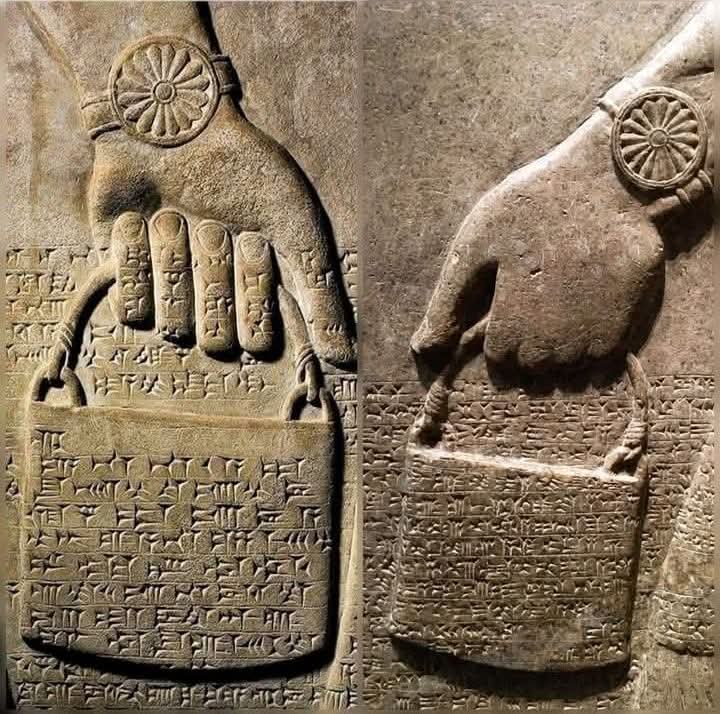
The Sumerian "handbags," often depicted in ancient Mesopotamian reliefs, have sparked curiosity due to their recurring presence in art across different cultures.
These mysterious objects, resembling modern handbags, are seen carried by deities or figures, and have been found not only in Sumerian art but also in ancient civilizations such as the Olmecs in Mesoamerica, and at Göbekli Tepe in Türkiye.
The exact function of these "handbags" is still debated. Some theories suggest they might symbolize knowledge, portable altars, or tools used by the gods.
Their presence across disparate cultures raises intriguing questions about cultural diffusion and ancient symbolism, pointing to a shared motif or perhaps a deeper, universal meaning related to divine or ceremonial practices.
#drthehistories
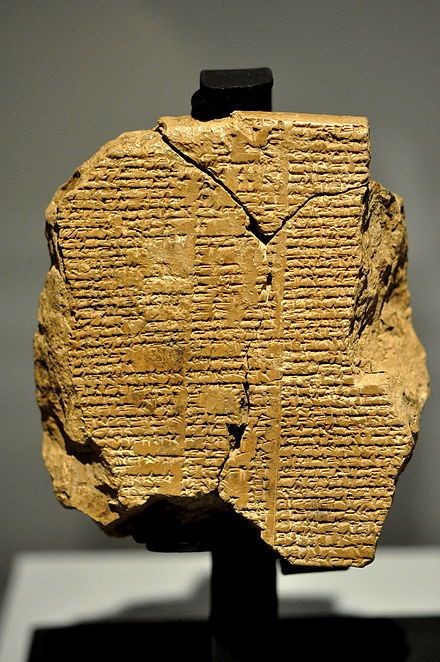
The Epic of #Gilgamesh is one of the oldest known works of literature from ancient #Mesopotamia around the early 2nd millennium BCE. Written in Akkadian, the epic chronicles the adventures of Gilgamesh, the historical king of #Uruk.
#archaeology
📷Wikipedia
For stunning architecture, fascinating history and a unique atmosphere, visiting at least one of #Iraq’s religious shrines or mausoleums is an experience not to be missed, not only for the faithful but also for #tourists.
https://t.co/u9R7tw3BHV
New #visa procedures have now replaced #Iraq's Visa on Arrival system for tourists. Visitors now need to apply for an e-visa before #travelling to Iraq.
https://t.co/TLhahPHTVB
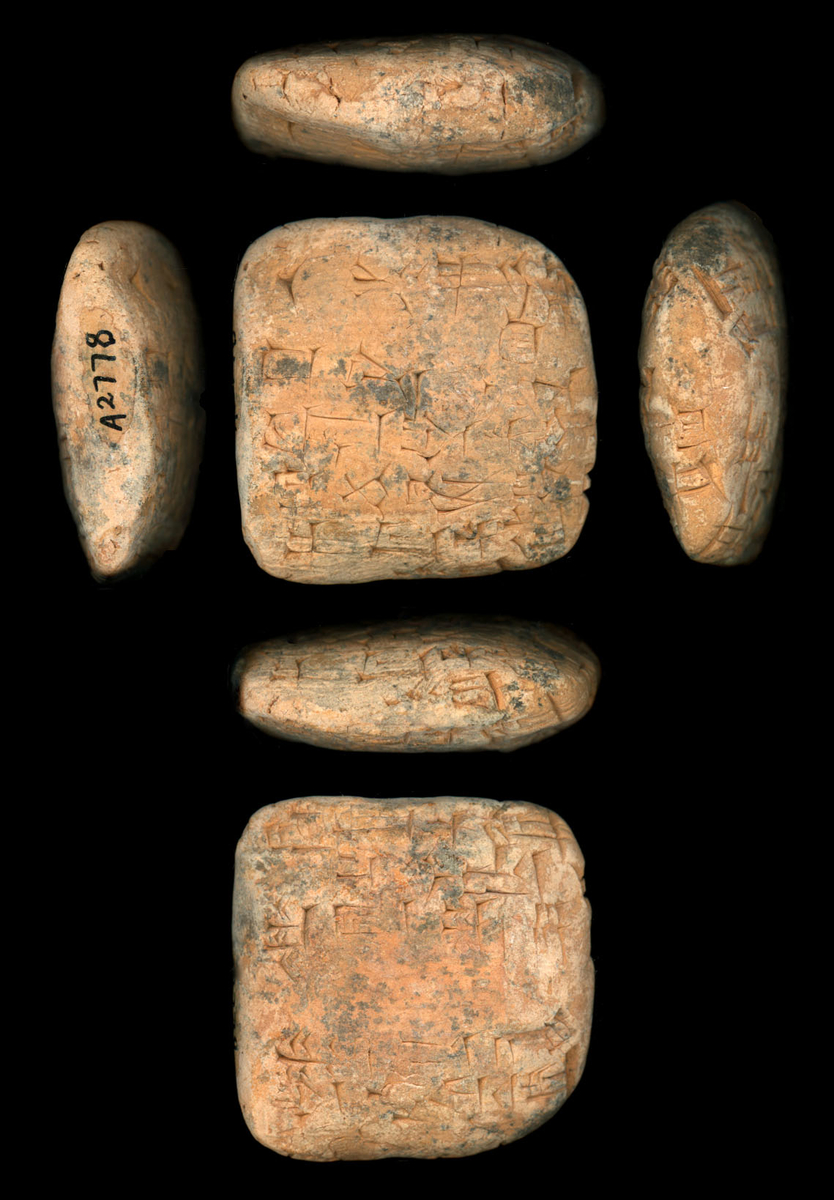
It's #TabletTuesday! In the Ur III period, women in Mesopotamia worked at many different types of jobs, including transportation of objects. Here they will receive 30 liters (of barley) for 5 days to transport malt flour (zi3-munu4) from Umma to Puzur-Iškur.
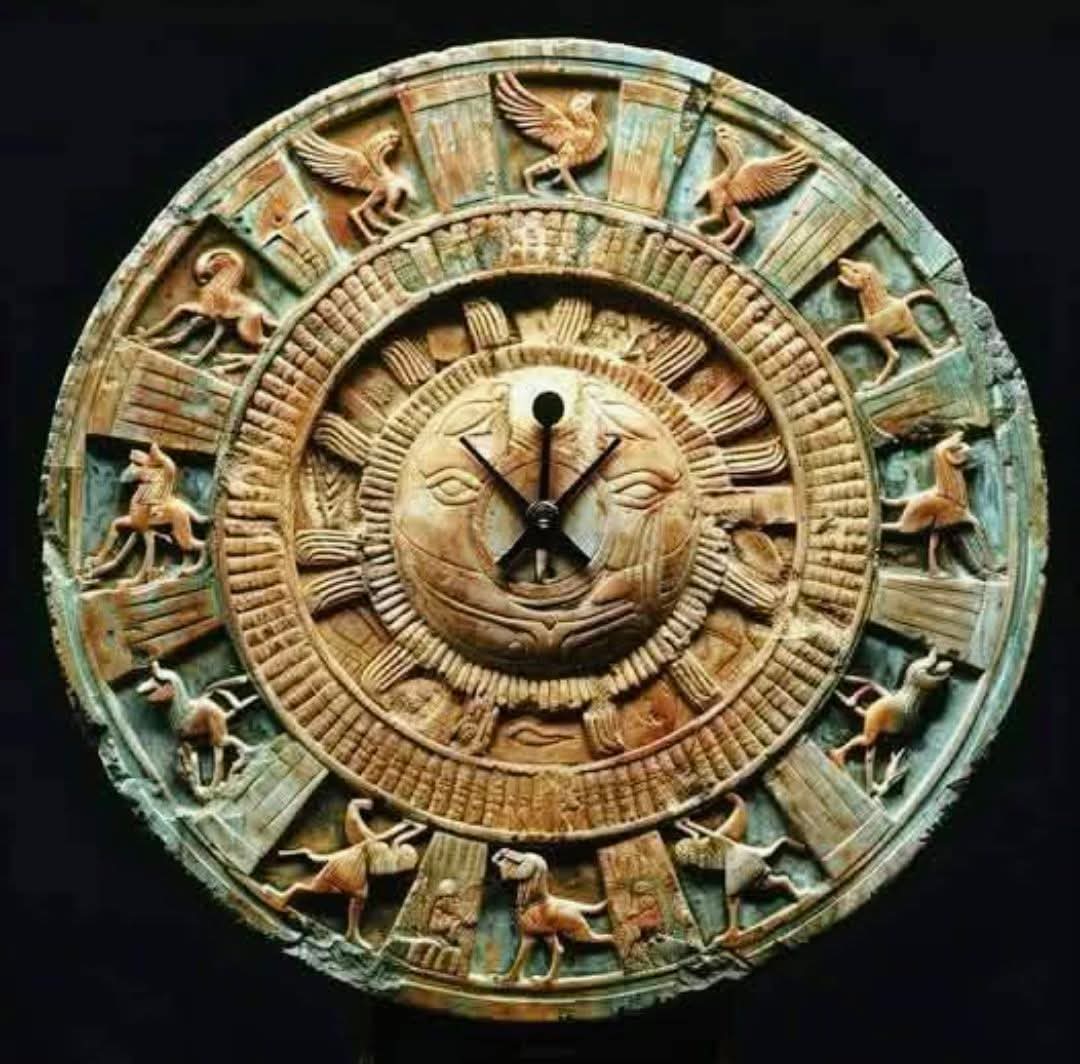
Around 5,000 years ago, the Sumerians of Mesopotamia (modern-day Iraq) laid the foundation for how we measure time today. They developed the sexagesimal system, a base-60 numerical system that led to the division of an hour into 60 minutes and a minute into 60 seconds—a structure that still governs our clocks and timekeeping methods.
The Sumerians’ agricultural society required precise timekeeping for planting, harvesting, and religious ceremonies. Their keen astronomical observations enabled them to develop a 12-month lunar calendar, which helped them track the seasons accurately.
The division of time into 24 hours, 60 minutes, and 60 seconds was a mathematical breakthrough that made calculations and subdivisions more efficient. Later civilizations, including the Babylonians, Greeks, and Romans, adopted and refined this system, ensuring its survival through millennia.
From ancient sundials to modern digital clocks, the Sumerians’ innovation in timekeeping continues to shape our daily lives in ways we often take for granted. Their brilliant numerical system remains one of the most enduring legacies of the ancient world.
📷 : AI Reconstruction
#drthehistories
US #dollars remain the best currency for #visitors planning to change #money in #Iraq, preferably $100 notes in good condition.
https://t.co/y3uyMg6kH6
Another new book about #Mesopotamia, this one by @LSWisnom, promises fresh insight into the library of the 7th-century BCE Assyrian king Ashurbanipal. Sounds like the perfect airplane companion, for anyone heading to #Iraq.
Excited to announce that my book 'The Library of Ancient Wisdom' will be released 27th Feb in the UK and 12th March in the US. Pre-orders available from wherever you get your books. Details here:
https://t.co/4o7O8sLKJH
https://t.co/DqBbHjGHiu
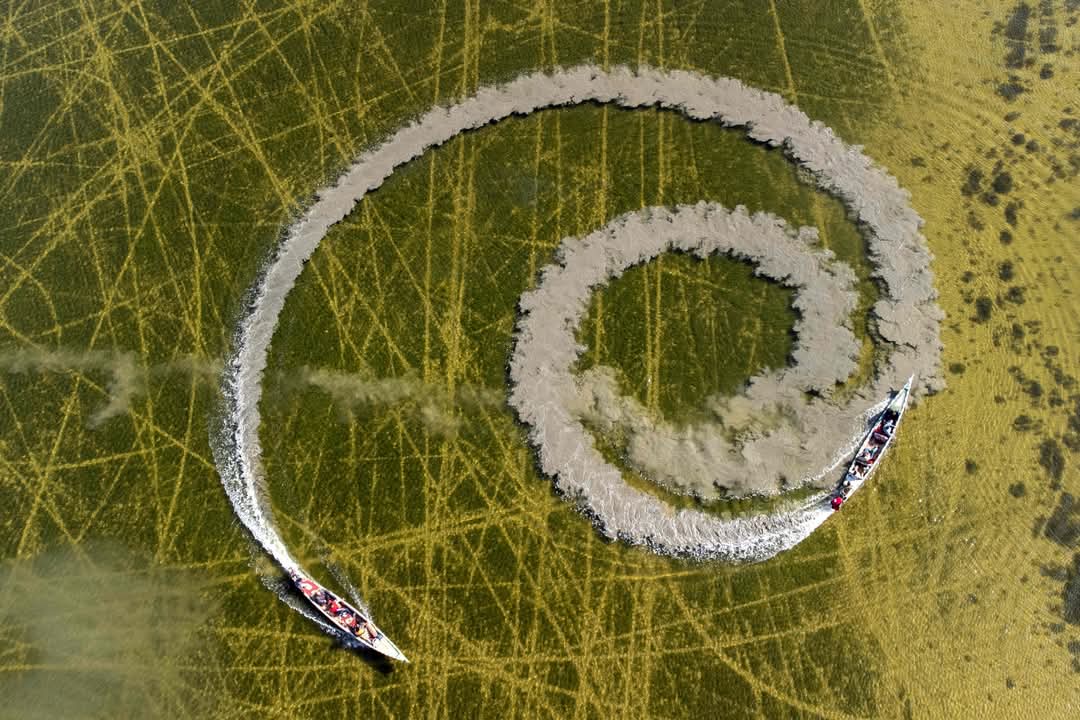
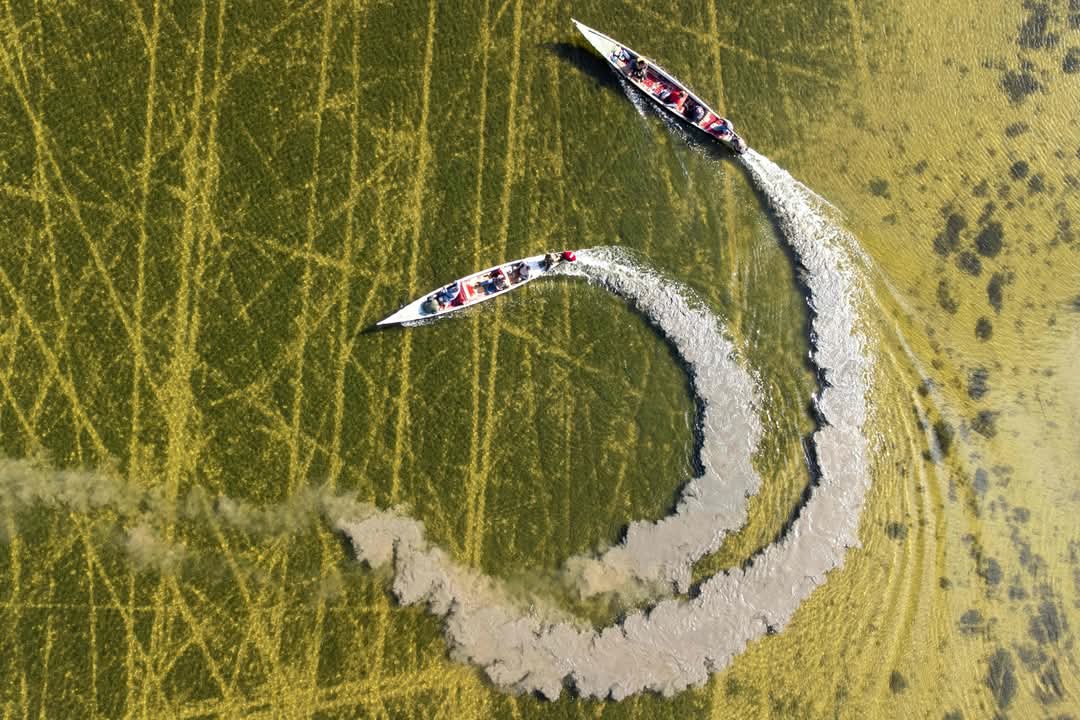
#Iraq's #marshes look beautiful from above but nothing compares to experiencing them in person, gliding through the still waters nestled in the prow of a "mashoof", the traditional long thin wooden boat of the marshes.
The waters of the Chibayish #Marshes in Dhi Qar Governorate appear from the sky like a masterpiece painted by nature, with intertwined lines drawn by boats carving their paths in harmony with the surroundings.
📸 Asaad NIAZI / AFP
#Baghdad has some very nice high-end hotels but, if you're looking for something cheaper when you visit #Iraq, check out our tips for finding #budget#hotel accommodation in the capital.
https://t.co/pute79i8OO