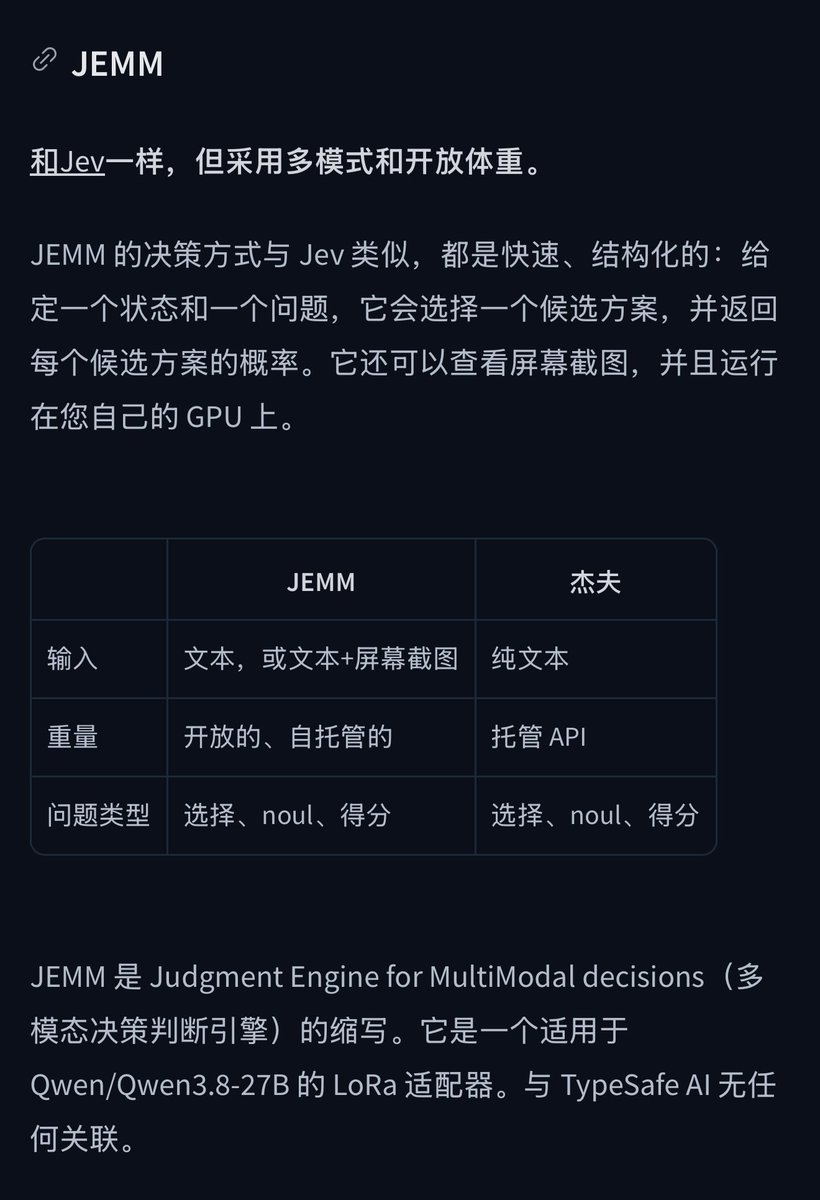
Jev Engineering turns one agent chain into a decision graph that can reroute itself and moves the expensive model out of every decision loop.
the important part in this setup isn’t the number of agents.
it’s that execution doesn’t follow one fixed path.
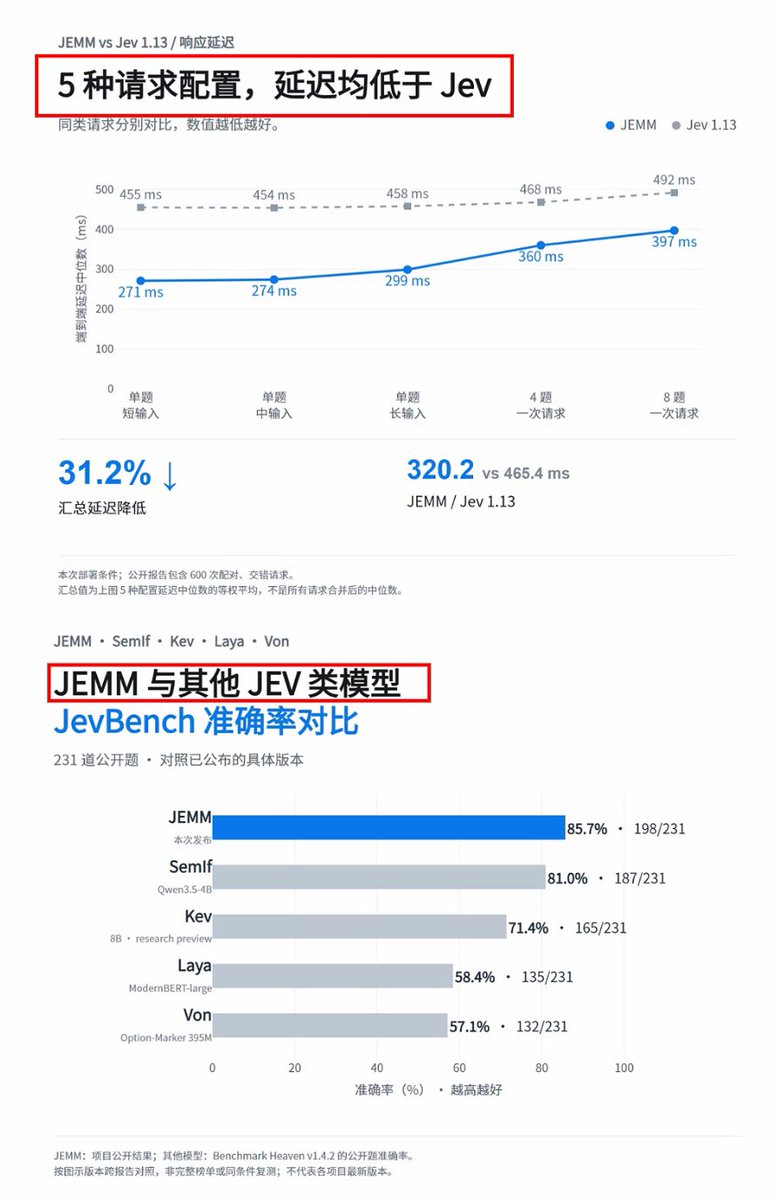
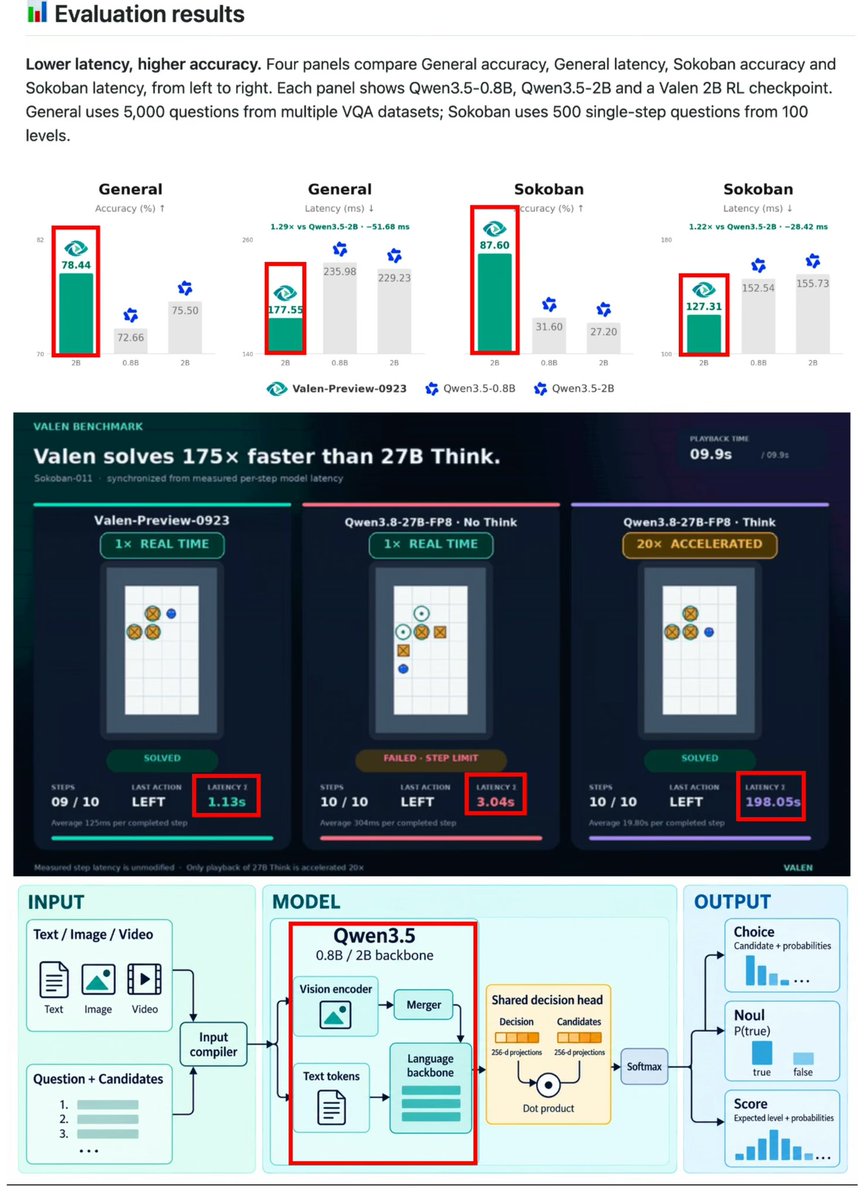
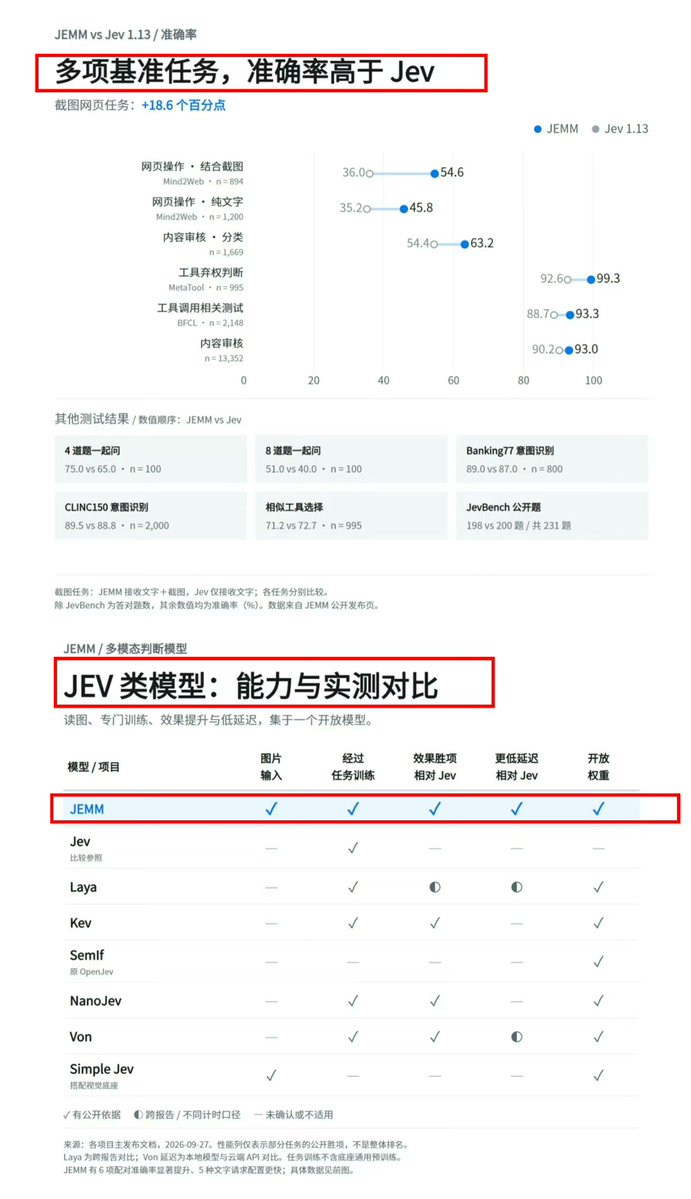
and up to 193x faster and 444x cheaper in tests.
every result can change what happens next:
state
→ Jev decision → branch → specialist agent → result → score → reroute
and Jev Engineering sits above that graph deciding:
which route stays alive
→ which specialist gets control
→ when two branches should merge
→ when a result needs another pass
→ when the goal is good enough to stop
by the end of the run:
5,400 executions → 0.93 goal score → $0.020 decision cost
that’s why Jev Engineering is more than model routing.
it’s the control layer that keeps a changing agent graph pointed at one objective.
full breakdown below ↓
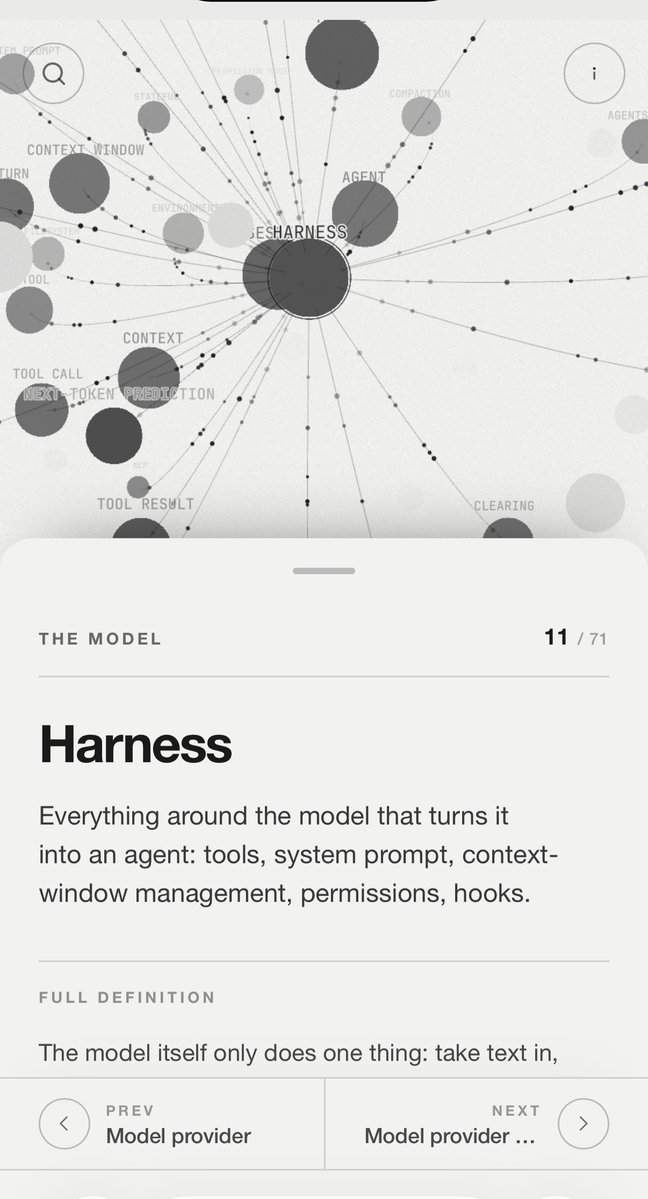
Finally, an OpenRouter for agent harnesses!
(including System One by Jev)
Devs just open-sourced plug-and-play infrastructure layer that lets you run any harness under a single interface for free, like:
- Codex
- Claude code
- Hermes
- DeepSeek Harness
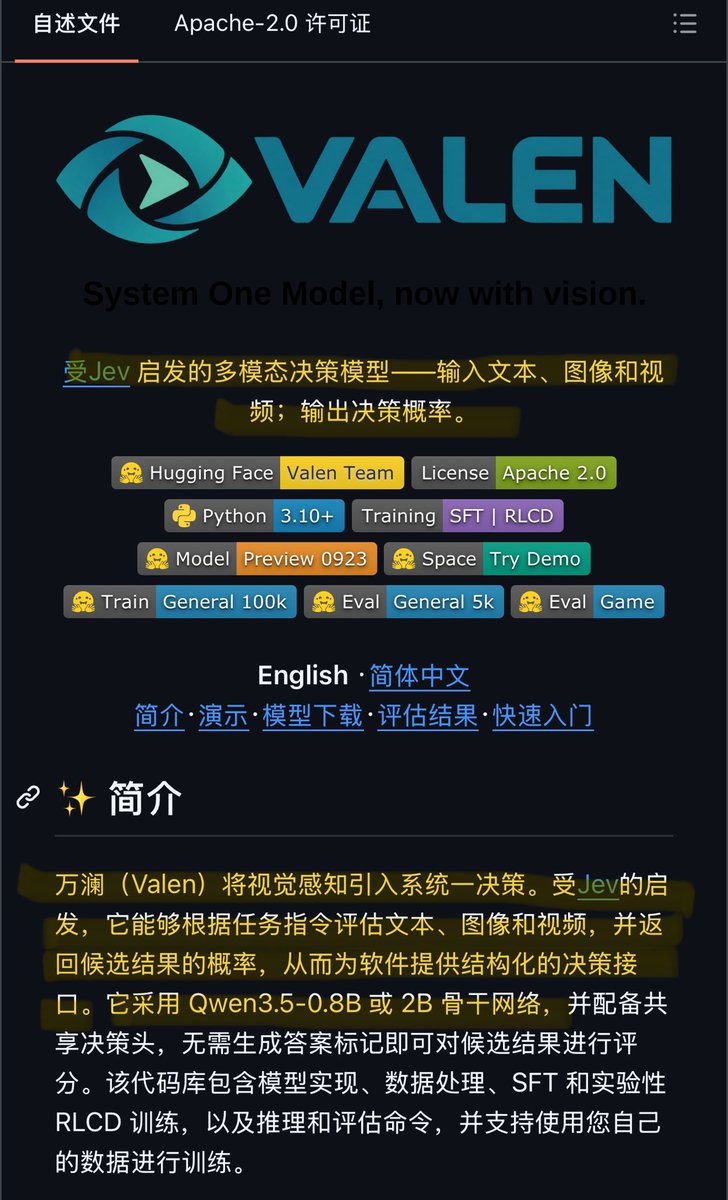
- System One, powered by Jev
- And 9 more agent harnesses
This means you can bring Jev into the same product that already uses Codex, Claude Code, or another supported harness, without writing another implementation for sessions, streaming, files, cancellation, and failure handling.
Here's the repo: https://t.co/mxkB1GOHVm
The harnesses run locally, and the Unified Harness Protocol (UHP) defines the common task interface with an OpenAI Responses-compatible API.
If you want to dive deeper, the article below explains how to set up Jev from scratch, check it out ↓