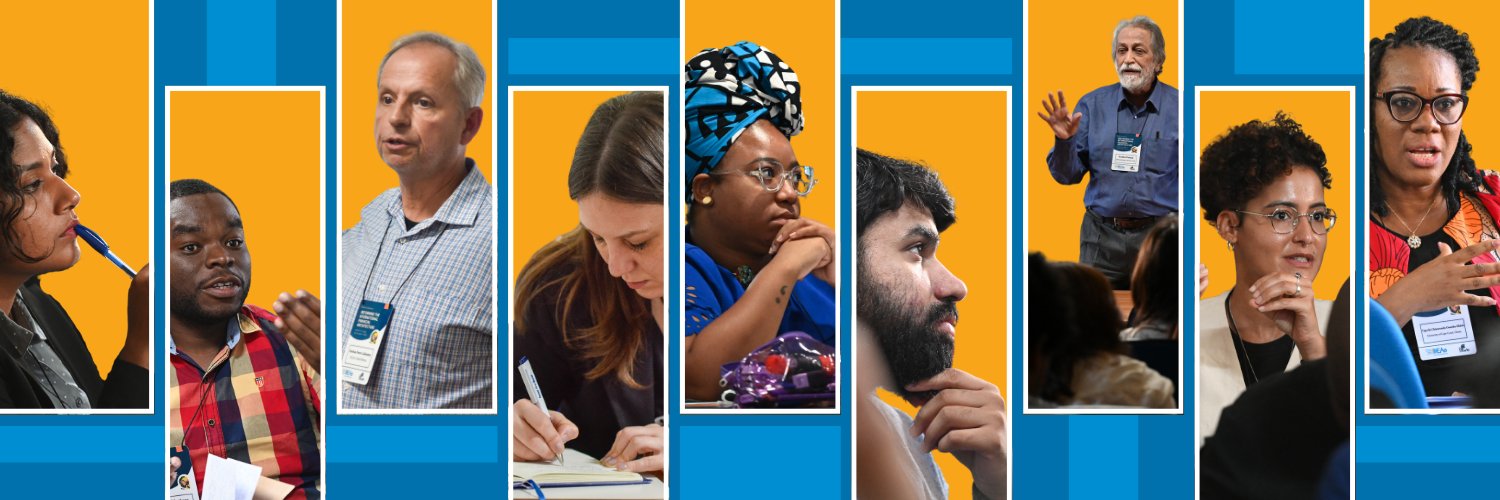
📌Topic: Latin American & Caribbean contributions to the critique of mainstream #developmentEconomics
🧑🏻🏫Lecturer: Martin Abeles
🗓️Sched: 12 Aug at 3:00-7:00pm, India time (9:30am-1:00pm, UTC)
💻Mode of participation: Hybrid, both on Zoom & in person in New Delhi
✍️Scan QR or fill-in this form to register: https://t.co/IHiZcZZQit
🔔RSVP by: 10 Aug
This lecture marks the start of 5th academic session (2026-2027) for IDEAs Advanced Certificate Programme on Research in #PoliticalEconomy. Before the lecture, there will be certificate-awarding ceremony for students of 2025-2026 batch.
🇨🇺Cuba finds itself in the grip of most severe economic crisis since “Special Period” of 1990s. This crisis is result of deliberate, escalating campaign of economic warfare by 🇺🇸US.
📃The #DonroeDoctrine or the @realDonaldTrump Corollary to #MonroeDoctrine placed Cuba in its sights to achieve regime change through comprehensive siege of island's economy. The result is a nation suffocating under the weight of 60-yr-old embargo, tightened into lethal stranglehold.
✍️@JacquelineLagua of @UWI_StAugustine writes: https://t.co/nHMAIhvaMY
📺Watch: https://t.co/EjCqavGc7Y
📌#WestAfrica's push for single regional currency is back on agenda. At its latest summit, ECOWAS reaffirmed plans to launch Eco in 2027, calling it a key step toward deeper regional integration & easier cross-border trade. But after years of missed deadlines, many are asking whether the bloc is finally ready for common currency.
🧑🏾🏫In this @cgtnafrica interview, @nssylla & other experts examine @ecowas_cedeao's renewed push for Eco, whether 2027 target is realistic, & what single currency could mean for the region’s future.
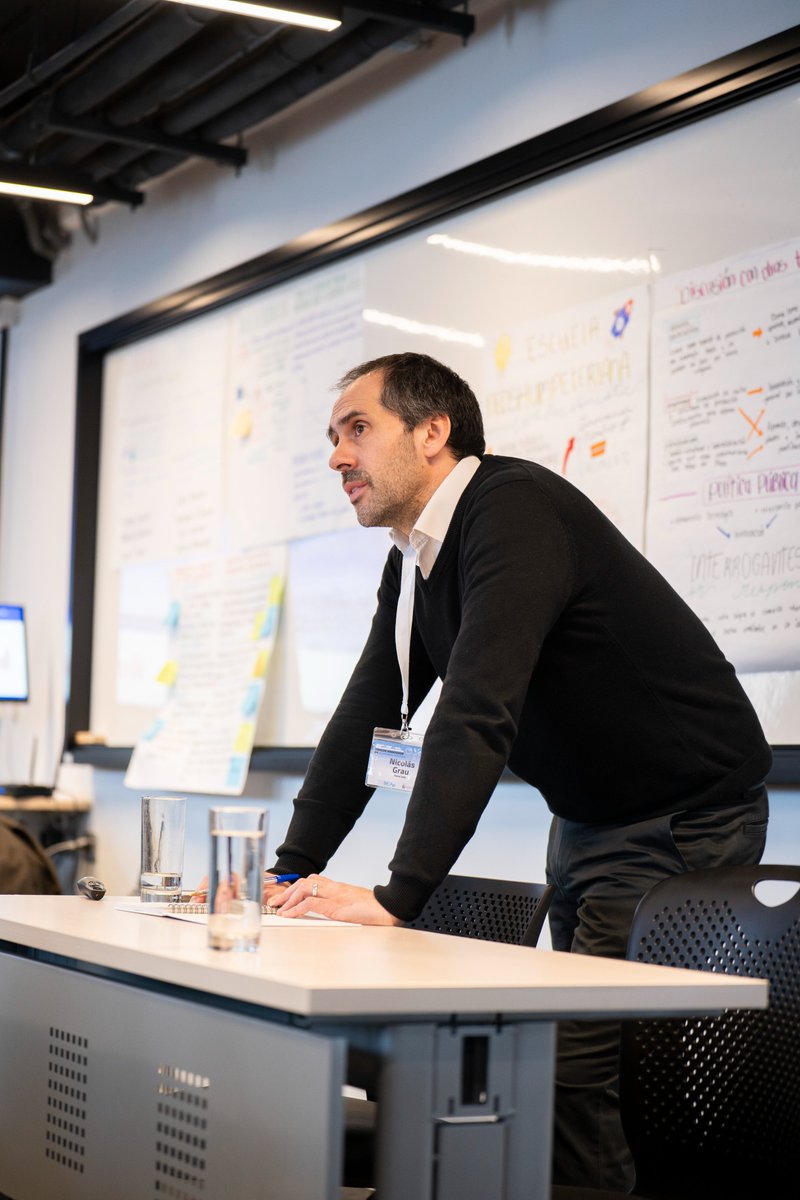
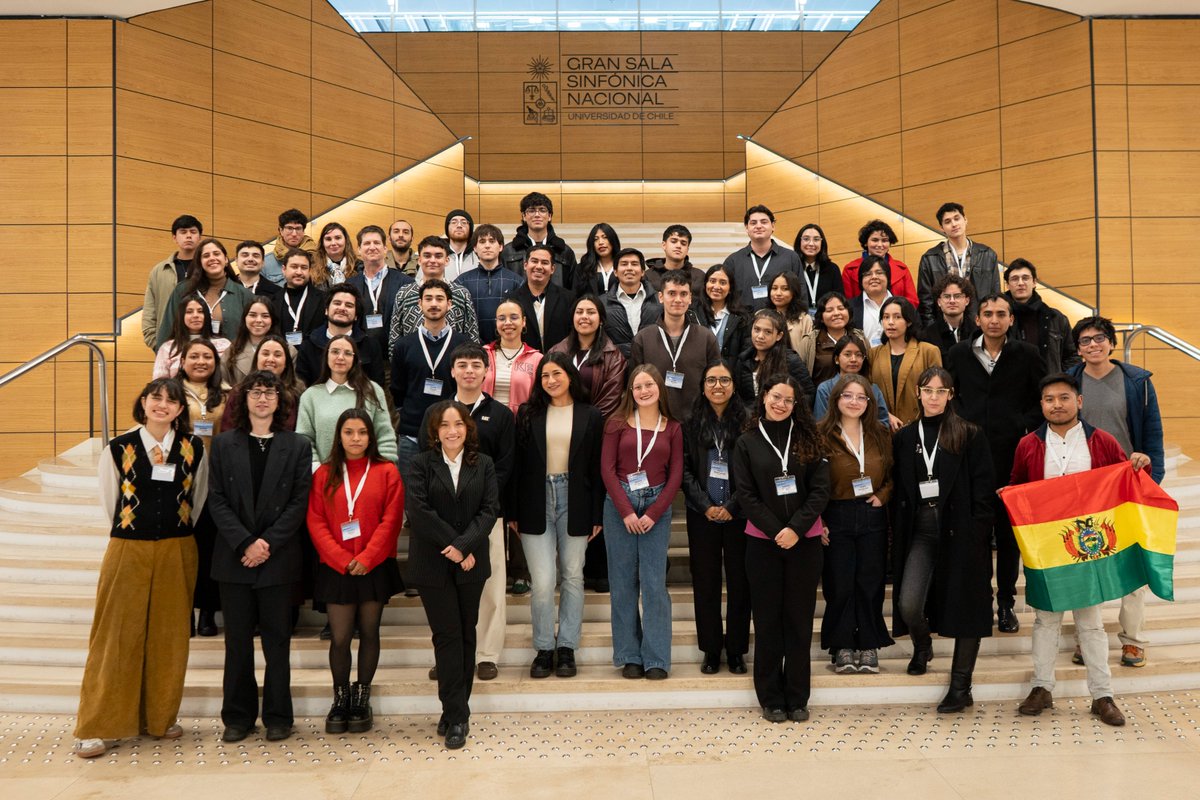
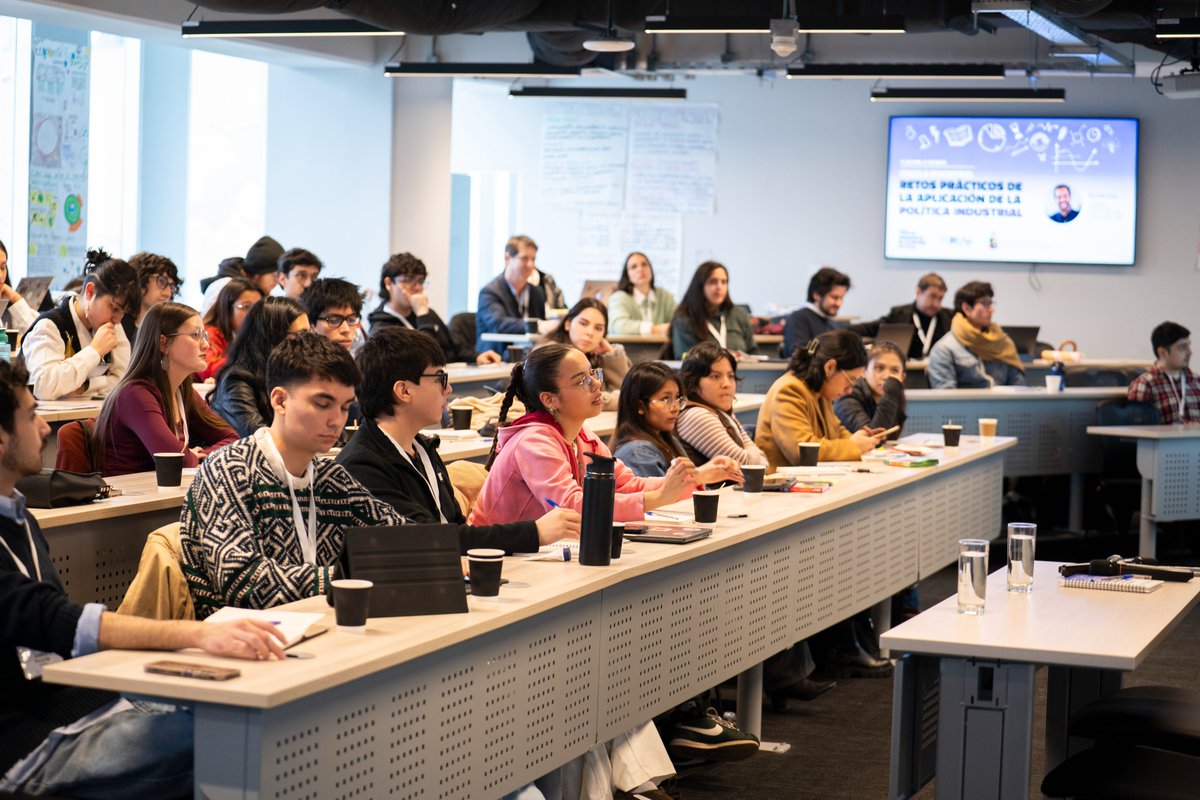
🎉We’ve wrapped up another chapter of IDEAS Latin American & Caribbean School on Advanced Topics in Political Economy. Last week, we were in Santiago, Chile, where Chilean former Minister of Economy @nico_grau, shared his experience of implementing industrial policies w/ 52 students from Chile🇨🇱, Bolivia🇧🇴 & Peru🇵🇪.
During the event, various topics relevant to Latin America & Caribbean were examined, including development theories, macroeconomics, ecological economics, & feminist political economy. Thanks🙏 to all who contributed to the event's success & to our partner, @ieiuchile at @uchile.
📺Watch: https://t.co/qTYJCvRVs0
📚Webinar: National planning: The Soviet Union model
👩🏻🏫Moderator: @farwasial
👨🏻🏫Discussants: Prabhat Patnaik and @cpc01
📌The webinar is the second in the series "Reviving central planning: A Global South perspective", which aims to explore the basics of central planning as they existed around the world and understand the relevance of planned development today. The discussions will focus on the diverse cases of Russia, Eastern Europe, and East Asia to provide a historical analysis of their respective planning models, an assessment of the strengths and limitations of their implementation of these models, as well as an introduction to the rich analysis that emerged from the economic debates and ideas of economists on the idea of and the actual experience with planning.
@farwasial@cpc01@CriticalDev 𝐓𝐎𝐃𝐀𝐘, 𝟑 𝐀𝐔𝐆𝐔𝐒𝐓, 𝐀𝐓 𝟏𝟎:𝟑𝟎 𝐔𝐓𝐂
💻Webinar: National planning: The Soviet Union model
👩🏻🏫Moderator: @farwasial
👨🏻🏫Discussants: Prabhat Patnaik and @cpc01
👉Register: Scan QR or visit https://t.co/s0S1VUho8d
💻Webinar: National planning: The Soviet Union model
🗓️Schedule: 3 August, 10:30 UTC
👩🏻🏫Moderator: @farwasial
👨🏻🏫Discussants: Prabhat Patnaik and @cpc01
👉Register: Scan QR or visit https://t.co/AKp1xOlefF
📌This webinar is the second in the series "Reviving central planning: A Global South perspective", which aims to explore the basics of central planning as they existed around the world and understand the relevance of planned development today. The discussions will focus on the diverse cases of Russia, Eastern Europe, and East Asia to provide a historical analysis of their respective planning models, an assessment of the strengths and limitations of their implementation of these models, as well as an introduction to the rich analysis that emerged from the economic debates and ideas of economists on the idea of and the actual experience with planning.
The updated statistics of trade between China🇨🇳 & India🇮🇳 is a cause for concern. While trade between 2 countries continues to expand, the increased exports from China to India with little growth in the opposite direction is what is worrying. Read @cpc01's full commentary: https://t.co/wRQOYO8ixK
Over the first 6 months of 2026, while aggregate trade (exports from China to India plus imports from India by China) grew by 24% to $91.7 billion, India’s exports to China, despite a 37% rise, accounted for just $12.3 billion of the total. As a result, the deficit in India’s trade with China amounted to $67.1 billion.
💻Webinar: National planning: The Soviet Union model
🗓️Schedule: 3 August, 10:30 UTC
👩🏻🏫Moderator: @farwasial
👨🏻🏫Discussants: Prabhat Patnaik and @cpc01
👉Register: Scan QR or visit https://t.co/AKp1xOlefF
📌This webinar is the second in the series "Reviving central planning: A Global South perspective", which aims to explore the basics of central planning as they existed around the world and understand the relevance of planned development today. The discussions will focus on the diverse cases of Russia, Eastern Europe, and East Asia to provide a historical analysis of their respective planning models, an assessment of the strengths and limitations of their implementation of these models, as well as an introduction to the rich analysis that emerged from the economic debates and ideas of economists on the idea of and the actual experience with planning.
🇦🇷Economist @JMilei was elected president of Argentina on a platform advocating profound reforms based on economic liberalisation, state retrenchment, deregulation & the promotion of what he characterises as “Western” values. These proposals were expressed through particularly aggressive rhetoric & marked hostility toward social rights, social justice & the public provision of goods & services. What consequences has this agenda produced so far?
@ndvoskin from CEIL-@CONICETDialoga answers this question in his commentary: https://t.co/ySViAbBpq7
💬"The Soviet Union, despite having to muddle through in the face of extraneous constraints, did manage to replace the market mechanism with the ‘planning principle’."
✍️@cpc01 writes https://t.co/lDx6Sv3JHu
🗓️Also, we have a webinar on “#NationalPlanning: The #SovietUnion model” on 3 August at 10:30 UTC.
Read more: https://t.co/afJlhElUJh
Register to join: https://t.co/JKk6lGDmbn
���🇱This week in Santiago, Chile, we’ve begun another chapter of the IDEAs Latin American and the Caribbean School on Advanced Topics in Political Economy. Organised in partnership with @ieiuchile at @uchile, we’ve gathered 52 students from Bolivia, Chile, and Peru to explore heterodox perspectives on political economy, share ideas, and strengthen regional networks. Stay tuned for updates from Chile!
👉 Follow the @IDEAsLAC account to read updates (in Spanish) on our work in Latin America and the Caribbean.
🎓 ¡Seguimos pensando desde la región!
Hoy comienza en Chile la segunda Escuela del Ciclo de Escuelas de Tópicos Avanzados de Economía Política – América Latina y el Caribe 2026.
Junto al @ieiuchile de la @uchile recibimos a 52 estudiantes de 🇨🇱 🇧🇴 🇵🇪
#EscuelasIDEAS2026
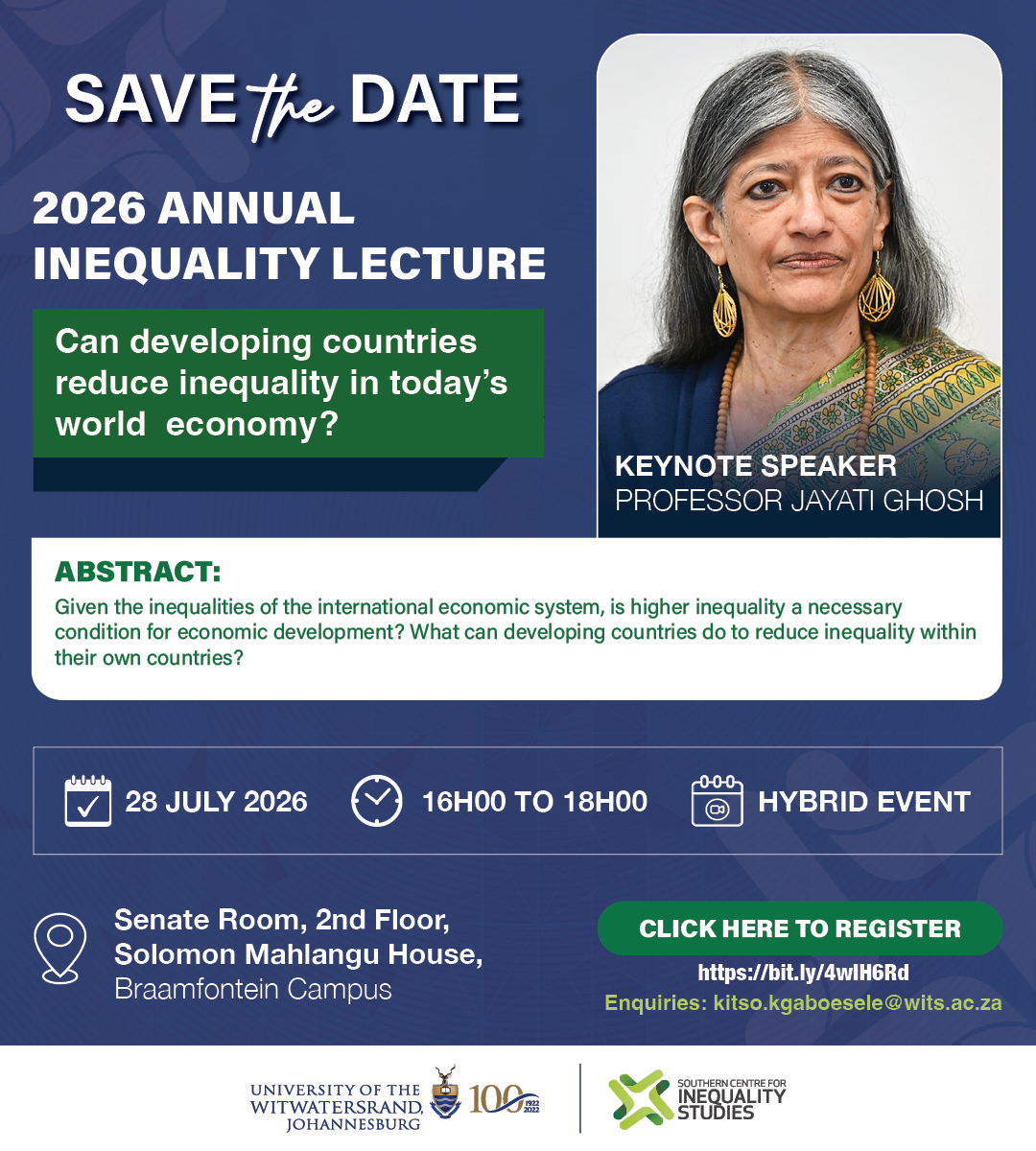
Meet our 2026 #SCISAnnualLecture speaker: Professor Jayati Ghosh.
An internationally recognised economist, author and global policy advisor, Professor Ghosh has spent more than three decades shaping debates on inequality, development and economic policy.
📅 28 July 2026
🕓 16:00–18:00 (SAST)
📍 Hybrid | Senate Room, Solomon Mahlangu House, Wits University
🔗 Register: https://t.co/EpmLCRpF3P
#SCIS #WitsUniversity #Economics #Inequality
🌍 What does a more equitable future look like?
Join us at the #SCIAnnualInequalityLecture as internationally acclaimed economist Professor Jayati Ghosh explores the challenges and opportunities shaping our world today.
✨ Expect bold ideas, critical conversations, and unforgettable insights.
🎟️ Seats are limited – book your spot now!
https://t.co/EpmLCRp7eh
#SCIS #Inequality #SCIAnnualInequalityLecture
🪨#RareEarths mining in coastal #SriLanka lays bare capitalism at its most predatory form. Mining lobbies, are capitalising on the country’s debt distress to push commercial extraction of heavy mineral sands from public beaches. In doing so, they not only exploit the country’s vulnerability but also undermine the right to development that working people in the #GlobalSouth have been advocating for years.
✍️Amali Wedagedara writes, originally published in @FT_SriLanka: https://t.co/nsqRCSCAK2
Join us for IDEAs 2nd webinar series Reviving Central Planning: A view from the Global South.
This time we will be looking at The Soviet Union model. The world's first comprehensive planning approach centering equal resource distribution.
🗓️ 3 August, 10:30 UTC
👉Register: Scan QR or visit https://t.co/UvsWmJQwvy
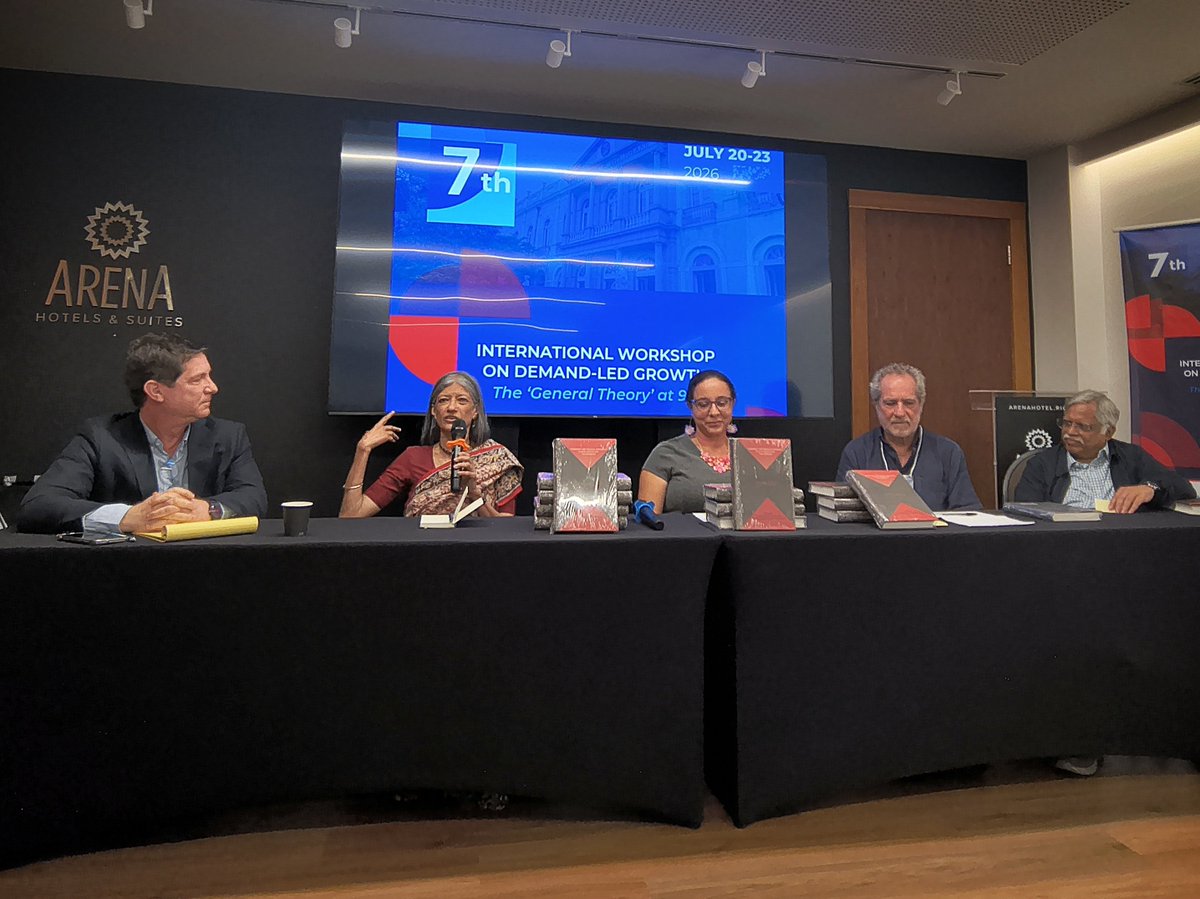
📌This week in Rio de Janeiro, Brazil, we launched the book "𝐂𝐨𝐦𝐦𝐨𝐝𝐢𝐭𝐲 𝐚𝐧𝐝 𝐟𝐢𝐧𝐚𝐧𝐜𝐢𝐚𝐥 𝐝𝐞𝐩𝐞𝐧𝐝𝐞𝐧𝐜𝐞 𝐢𝐧 𝐋𝐚𝐭𝐢𝐧 𝐀𝐦𝐞𝐫𝐢𝐜𝐚 𝐚𝐧𝐝 𝐭𝐡𝐞 𝐂𝐚𝐫𝐢𝐛𝐛𝐞𝐚𝐧: 𝐓𝐡𝐞 𝐝𝐢𝐥𝐞𝐦𝐦𝐚 𝐨𝐟 𝐭𝐡𝐞 𝐫𝐞𝐧𝐭𝐢𝐞𝐫 𝐬𝐭𝐚𝐭𝐞 𝐢𝐧 𝐭𝐡𝐞 𝐭𝐰𝐞𝐧𝐭𝐲-𝐟𝐢𝐫𝐬𝐭 𝐜𝐞𝐧𝐭𝐮𝐫𝐲".
⬇ You can download your copy here: https://t.co/DkvCqUWjab
📖The book examines the current economic challenges and opportunities in Latin America and the Caribbean, with a particular focus on the region’s dependence on commodities.
📝Edited by @carlosaguiarde and @JacquelineLagua, the book features papers by Martin Abeles, @jmahumadaf, @famico02, Marlon Anatol, Ezra-Marie Bennett, @lcassini, @cpc01, @NicoGrimblatt, Raymond Mark Kirton, @PabloL1969, Juan Carlos Moreno-Brid, Lorenzo Nalin, @EdgarMdina, @CMarinCIPI, and @RicardoSumma.
🙏We’d like to thank everyone who attended the book launch on Wednesday and helped make it a success.
Can developing countries reduce inequality in today's global economy?
Join the 2026 SCIS Annual Inequality Lecture as we examine how global financial systems, trade rules, and colonial legacies shape inequality—and why countries still have opportunities to build fairer societies.
📅 28 July | 16h00–18h00 (SAST)
📍 Hybrid
🔗 https://t.co/EpmLCRp7eh
#Inequality #Development #GlobalSouth #SCIS
📖𝐍𝐄𝐖 𝐁𝐎𝐎𝐊: Commodity and financial dependence in Latin America and the Caribbean: The dilemma of the rentier state in the twenty-first century
⬇️Download: https://t.co/DkvCqUWQZJ
✍🏻Edited by: @carlosaguiarde of @ufrj, and @JacquelineLagua of @UWI_StAugustine
📄Overview: The developmental priority in the region so far has been the expansion of raw material production without any relevant processing. This regional evolution runs counter to ongoing transformations in the global economy, even in countries rich in natural resources.
Industrialising natural resources is one of the most obvious strategies that Latin American countries, especially those rich in copper, lithium, rare earths, and other minerals, could use to diversify their productive structures. The challenges facing the continent necessarily include resuming a growth rate that enables reductions in high structural unemployment and income inequality, a shift in the productive structure towards higher-value-added and technology-intensive activities, and a reduction in emissions through reduced deforestation and an energy transition. As discussed in the chapters of this book, these challenges, while general to the development process, have historical particularities on the continent, shaped by development trajectories of financial and commodity dependence. The green transition is both a challenge and an extraordinary opportunity to restructure production and mitigate the climate change that is already affecting vulnerable populations.
The purpose of this book is to investigate in detail this evolution, the current impasses, and the emerging opportunities in Latin American economies. Methodologically, the authors follow a historical-structuralist perspective, covering, albeit with varying emphases, macroeconomic, historical, and sociopolitical dimensions in line with their specialisations and fields of research.
✍🏻Prabhat Patnaik writes: https://t.co/gtRBnKAb9f
💬The common perception of socialism is that it is a society characterized by the social ownership of the means of production, for which state ownership is taken as a proxy. But this, while a necessary condition, is not a sufficient condition. The former Yugoslavia for instance, while being characterized predominantly by state ownership of the means of production, had many of the features that are associated with capitalism, such as unemployment, inflation, and inequality both personal and regional (though nowhere as extreme as what neo-liberal capitalism has “achieved” today); likewise there are many capitalist countries like France where there is a significant nationalized sector but this fact does not make France a socialist country. Socialism therefore clearly means something more than just social or state ownership.