Postgres vs MySQL.
𝗣𝗼𝘀𝘁𝗴𝗿𝗲𝘀 is built as a single, integrated system, and that design choice shapes how everything else works.
Data is stored in heap tables, where multiple row versions coexist. Updates create new versions, while old ones remain until cleaned up (VACUUM). MVCC is built into the data model, enabling advanced indexing and extensibility.
𝗠𝘆𝗦𝗤𝗟 is built around a pluggable storage engine architecture.
The SQL layer sits on top, while InnoDB handles storage. Old row versions are kept in undo logs and reconstructed when needed. Data is organised as a clustered index, with the primary key defining physical layout.
Which database do you prefer?
——
Thanks to our partner Kickresume who keeps our content free.
𝗔𝗿𝗲 𝘆𝗼𝘂 𝘀𝘂𝗿𝗲 𝘆𝗼𝘂'𝗿𝗲 𝗳𝗼𝗹𝗹𝗼𝘄𝗶𝗻𝗴 𝘂𝗽 𝗼𝗻 𝗲𝘃𝗲𝗿𝘆 𝗷𝗼𝗯 𝘆𝗼𝘂 𝗮𝗽𝗽𝗹𝘆 𝘁𝗼? Keep track of every application with Kickresume's free Job Application Tracker.
Track your applications here → https://t.co/TZsm6HU2nX
——
♻️ Repost to help others learn databases.
Anthropic's modelling stack writes ribosome scripts that run the translation instead of animating it
Most ribosome visuals are choreographed, which means the animation can only ever show what someone already believed.
Here the ribosome is a script with rules, and what you watch is whatever those rules produce when you feed it a real sequence:
> Encode: each step is written as a condition, not a keyframe
> Feed: an actual mRNA sequence goes in, codon by codon
> Run: the ribosome moves because the rules fire, not because a timeline says so
• What emerges that nobody animated
> It stalls on rare codons, exactly where the tRNA pool runs thin
> A frameshift happens on its own when the sequence sets one up
> Two ribosomes on one transcript collide, because nothing stopped them
• Why a script beats an animation
> Change the sequence and you get a different movie, not a re-render request
> A behaviour that surprises you is a result, not an artistic choice
> The same script runs 10,000 sequences overnight and reports the odd ones
• Where it stays honest
> Every rule traces to a measured rate, not a guess
> A step with no rate in the literature refuses to run silently
> The output logs which rules fired, so a weird result is debuggable
One sequence translates in real-time-equivalent in about 40 seconds.
And the part that broke my brain:
Every animation I'd seen showed translation running at one smooth constant speed.
Fed a real gene, the script stalled three times and one of the stalls is documented.
Same process. One version could only show what its animator knew.
The hard part was never drawing the ribosome.
It was letting it do something nobody scripted ↓
𝗔𝗚𝗘𝗡𝗧𝗜𝗖 𝗔𝗜 𝗘𝗫𝗣𝗟𝗔𝗜𝗡𝗘𝗗 𝗜𝗡 𝗢𝗡𝗘 𝗦𝗜𝗠𝗣𝗟𝗘 𝗙𝗥𝗔𝗠𝗘𝗪𝗢𝗥𝗞
If you're confused about the difference between AI & ML, Gen AI, AI Agents, and Agentic AI, think of them as layers.
Each layer adds more capability.
𝗟𝗔𝗬𝗘𝗥 𝟭 — 𝗔𝗜 & 𝗠𝗟
This is the foundation.
It includes:
→ Machine learning
→ Natural language processing
→ Reasoning & problem solving
→ Neural networks
→ Learning from data
This is where modern AI systems begin.
𝗟𝗔𝗬𝗘𝗥 𝟮 — 𝗚𝗘𝗡 𝗔𝗜
Generative AI builds on these foundations to create new content.
→ Text
→ Images
→ Audio
→ Video
→ Code
LLMs and Transformers are major building blocks here.
𝗟𝗔𝗬𝗘𝗥 𝟯 — 𝗔𝗜 𝗔𝗚𝗘𝗡𝗧𝗦
Now AI moves beyond simply generating content.
Agents can:
→ Understand goals
→ Break tasks into steps
→ Use tools
→ Manage context
→ Schedule tasks
→ Execute actions
→ Validate results
This is where AI starts becoming action-oriented.
𝗟𝗔𝗬𝗘𝗥 𝟰 — 𝗔𝗚𝗘𝗡𝗧𝗜𝗖 𝗔𝗜
Agentic AI describes the broader system around autonomous agents.
It can involve:
→ Multi-agent collaboration
→ Memory systems
→ Feedback loops
→ Dynamic tool use
→ Agent coordination
→ Failure recovery
→ Observability
→ Governance & guardrails
→ Human-in-the-loop oversight
The goal isn't just to make AI smarter.
It's to make AI systems capable of working toward goals reliably.
𝗧𝗛𝗘 𝗦𝗜𝗠𝗣𝗟𝗘 𝗪𝗔𝗬 𝗧𝗢 𝗥𝗘𝗠𝗘𝗠𝗕𝗘𝗥:
𝗔𝗜 & 𝗠𝗟
→ Learn from data
𝗚𝗲𝗻 𝗔𝗜
→ Generate content
𝗔𝗜 𝗔𝗴𝗲𝗻𝘁𝘀
→ Execute tasks
𝗔𝗴𝗲𝗻𝘁𝗶𝗰 𝗔𝗜
→ Coordinate systems that can reason, plan, act, observe, and adapt
𝗧𝗛𝗘 𝗕𝗜𝗚 𝗦𝗛𝗜𝗙𝗧:
From:
“𝗛𝗼𝘄 𝗱𝗼 𝘄𝗲 𝗺𝗮𝗸𝗲 𝗔𝗜 𝗴𝗶𝘃𝗲 𝗯𝗲𝘁𝘁𝗲𝗿 𝗮𝗻𝘀𝘄𝗲𝗿𝘀?”
To:
“𝗛𝗼𝘄 𝗱𝗼 𝘄𝗲 𝗺𝗮𝗸𝗲 𝗔𝗜 𝘀𝘆𝘀𝘁𝗲𝗺𝘀 𝗰𝗼𝗺𝗽𝗹𝗲𝘁𝗲 𝗿𝗲𝗮𝗹 𝘄𝗼𝗿𝗹𝗱 𝘁𝗮𝘀𝗸𝘀?”
That shift is what makes agentic AI so interesting.
𝗦𝗮𝘃𝗲 𝘁𝗵𝗶𝘀 𝗳𝗿𝗮𝗺𝗲𝘄𝗼𝗿𝗸 𝗳𝗼𝗿 𝗹𝗮𝘁𝗲𝗿.
Follow @AamirAnsar94694 for more AI, tools, automation and tech insights.
#AI #AgenticAI #AIAgents #GenerativeAI #ArtificialIntelligence #MachineLearning #AITools #Automation
System Architect 2027 is now commercially available!
It features support for ArchiMate 4 -- now part of the core feature set vs being a paid add-on; resizable dialogs; display of properties outside symbols & a bevy of other new features.
More here:
https://t.co/FSreT6fe0v
𝗠𝗖𝗣 𝘃𝘀 𝗔𝗣𝗜.
An 𝗔𝗣𝗜 defines how software systems communicate through specific endpoints, requests, and responses. It gives applications a structured way to access data or trigger functionality in another system.
𝗠𝗖𝗣 gives AI applications a standardized way to discover and use external tools, data, and resources. Instead of building custom integrations for every AI client, an MCP server exposes capabilities through a common protocol.
APIs expose functionality to software. MCP standardizes how AI applications discover and interact with that functionality.
But once AI sits behind an API, the request-response model gets harder.
Inference might take longer than the request can stay open. It might fail halfway through. It might need to be retried.
That changes how the API itself should be designed.
Oracle’s guide breaks down how to design for that with asynchronous jobs, workers, durable state, and predictable API contracts.
𝗥𝗲𝗮𝗱 𝘁𝗵𝗲 𝗴𝘂𝗶𝗱𝗲 → https://t.co/YIJ4uDSgRA
What else would you add?
——
🙏 Thanks to @OracleDevs for sponsoring this post.
➕ Follow me ( Nikki Siapno ) to improve at AI and system design.
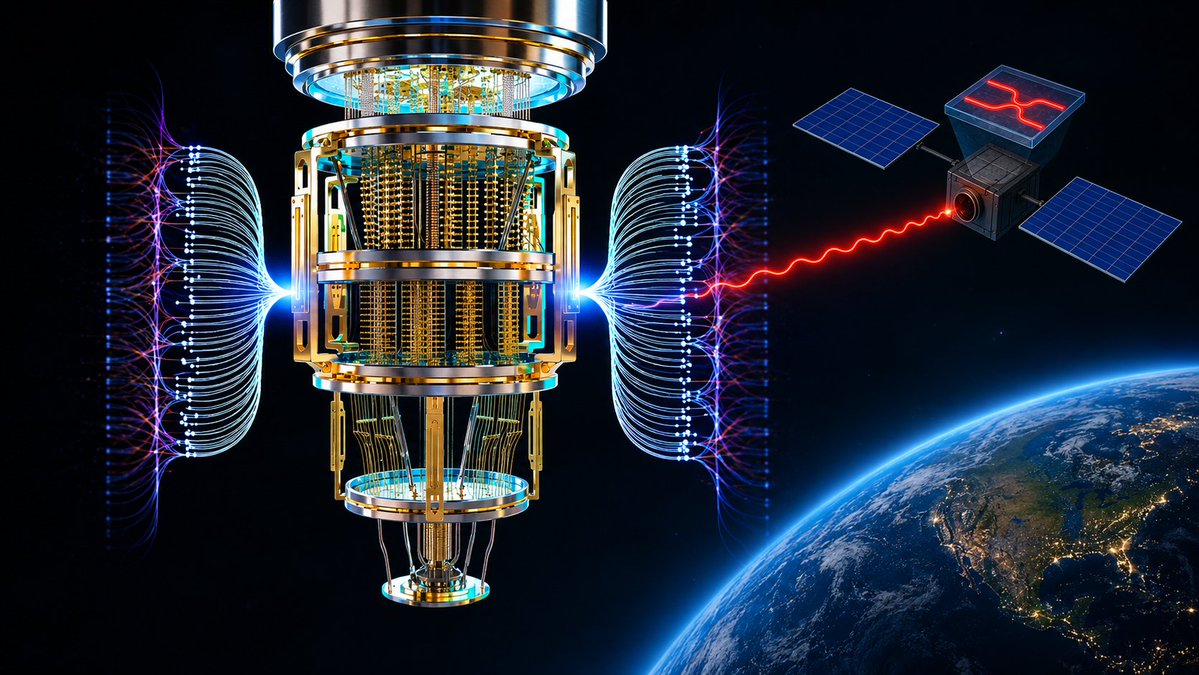
THERE'S NOW A QUANTUM PROCESSOR IN SPACE.
An international team put a small photonic quantum processor on a nanosatellite, launched it on a SpaceX Falcon 9, and ran it in low Earth orbit for eight months and the paper came out last week.
The machine is tiny, a source that makes pairs of photons, a glass chip that routes them through six programmable paths, and six detectors to catch them at the end.
The launch broke it almost immediately with three of the six detectors failing, radiation kept degrading the three that survived. So the team reprogrammed the chip from the ground to route photons toward the working detectors and turned up the voltage on the damaged ones to claw back signal.
Although it still did the one thing it was sent to prove. Two identical photons meeting on the chip interfered the way only quantum particles can, with a visibility of 0.908, well above the 0.5 ceiling classical light can reach.
Satellites already collect far more data than they can send back down, most of what an imaging satellite sees gets thrown away before it ever reaches Earth. A processor in orbit that can crunch that data on board changes what a satellite is worth. The same photons that compute can also be sent between satellites, which is exactly how a quantum internet gets built, China already runs quantum encryption links from orbit, and IonQ is putting optical terminals into space.
Space turns out to be a natural home for photonic quantum hardware, no atmosphere to scatter the light, nothing but vacuum between nodes.
It hasn't processed any satellite data yet, and two photons is a long way from useful.
$INFQ $IONQ $QNT
It blows my mind how few people have implemented this setup. A year ago, this exact system allowed me to automate 90% of my tasks and expand my business
Andrey Karpathy, co-founder of OpenAI, dropped a simple idea that generated 22 million views and 108,000 saves "stop relying on AI strictly for generating code, and start leveraging it to build a personal second brain"
The logic is straightforward:
You link Claude Code to a specific directory and throw in any reference materials (articles, meeting transcripts, or PDFs) The system analyzes the text, maps out connections, and constructs a living repository of everything you know. It compounds continuously: as you feed it more data, the entire ecosystem becomes significantly smarter
How it breaks down in practice:
Launch Obsidian, set up a new repository, and connect it to Claude Code
Feed in the template based on Karpathy's wiki approach and instruct Claude to deploy the architecture
The model automatically constructs three core areas: raw for your incoming documents, wiki for organized pages, and a master CLAUDE file that coordinates all processes
Move any new resource into the raw folder and issue a quick command to process it
Query your entire personal knowledge base whenever you need answers
A quick five-minute deployment means you will never have to initiate a prompt from a blank canvas again
I published the complete guide in the article. Make sure to bookmark it for later
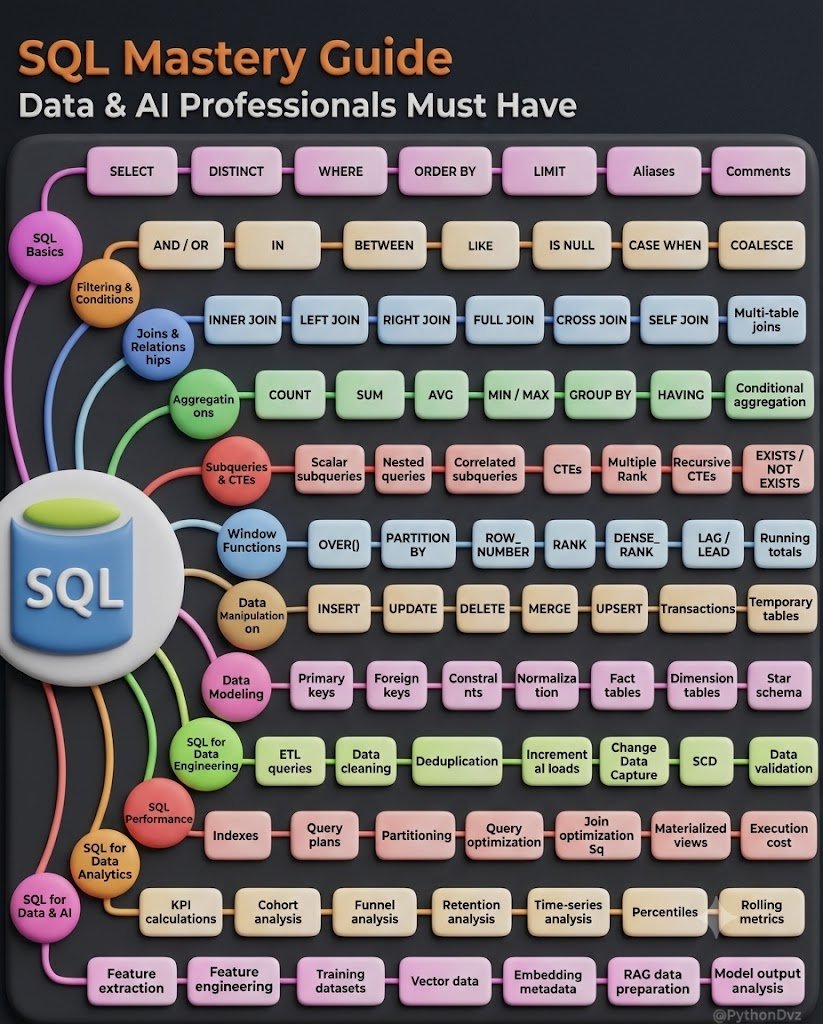
SQL is the language behind a lot of AI work.
Before a model is trained, a dashboard is built, or a business question is answered, someone has to turn raw data into something trustworthy.
That takes more than knowing SELECT and WHERE.
A practical SQL learning path looks like this:
→ Start with the basics: filtering, sorting, aliases, and CASE WHEN to shape the result you need.
→ Connect the data: joins and EXISTS help you work across related tables without losing track of which rows belong together.
→ Summarize it: GROUP BY, aggregates, and HAVING turn transactions into useful metrics.
→ Ask deeper questions: CTEs, subqueries, and window functions make it possible to rank records, compare periods, and calculate running totals.
→ Build reliable pipelines: MERGE, transactions, deduplication, incremental loads, and validation help keep datasets current.
→ Make queries efficient: indexes, partitioning, query plans, and execution costs matter as data volume grows.
For data and AI professionals, SQL also reaches into cohort analysis, feature extraction, training datasets, and RAG data preparation.
The goal isn’t to memorize every command on this map. It’s to understand how data moves from source tables to a result someone can trust.
Which part of SQL would you add to this learning path?
🚀Microsoft’s Full-Stack AI Ecosystem is Here — End-to-End Innovation
From research → design → development → deployment, Microsoft is building one of the most complete AI ecosystems in the world.
What stands out? It’s not just tools — it’s an integrated AI stack 👇
🔹 Models
From Azure GPT-5 to Phi-4 and Florence — powering next-gen intelligence
🔹 Frameworks
Semantic Kernel, AutoGen, Magentic One — enabling scalable AI systems
🔹 Responsible AI
Security, governance, and compliance built-in (not added later)
🔹 Productivity
AI embedded into everyday tools like Excel, Teams, Outlook
🔹 Coding
GitHub Copilot + VS Code = faster, smarter development workflows
🔹 AI Agents
Copilot evolving into autonomous, task-driven agents
🔹 Cloud Backbone
Azure powering everything — from compute to storage to AI services
🔹 Image & Video AI
Designer, Copilot Image, Sora — redefining creative workflows
💡 Big Shift:
We’re moving from using AI tools → to building AI-powered systems & agents
Microsoft is clearly positioning itself as the operating system for AI-first organizations.
🔥 If you’re in tech, this is the stack to watch (and learn).
👉 Which part of this ecosystem excites you the most?
𝗕𝗲𝗰𝗼𝗺𝗲 𝗯𝗲𝘁𝘁𝗲𝗿 𝗮𝘁 𝗔𝗜 𝗶𝗻 𝗷𝘂𝘀𝘁 𝟭 𝗺𝗶𝗻𝘂𝘁𝗲 𝗮 𝗱𝗮𝘆. 𝗝𝗼𝗶𝗻 𝗺𝘆 𝘄𝗲𝗲𝗸𝗹𝘆 𝗻𝗲𝘄𝘀𝗹𝗲𝘁𝘁𝗲𝗿 𝘄𝗵𝗲𝗿𝗲 𝗜 𝗱𝗼𝗰𝘂𝗺𝗲𝗻𝘁 𝘁𝗵𝗲 𝗿𝗲𝗮𝗹-𝘄𝗼𝗿𝗹𝗱 𝗷𝗼𝘂𝗿𝗻𝗲𝘆 𝗼𝗳 𝗔𝗜 𝘁𝗿𝗮𝗻𝘀𝗳𝗼𝗿𝗺𝗮𝘁𝗶𝗼𝗻.
👉 𝗦𝗶𝗴𝗻 𝘂𝗽 𝗳𝗿𝗲𝗲 now → https://t.co/Kj8zW95H9X
Follow @AiswaryaVenkit1 for more such insights!!
AI is moving faster than ever. 🚀
These are some of the best AI apps to use in 2026—from coding and content creation to productivity and automation.
Which one can't you live without?
💬 Mine: ChatGPT, Claude & Grok.
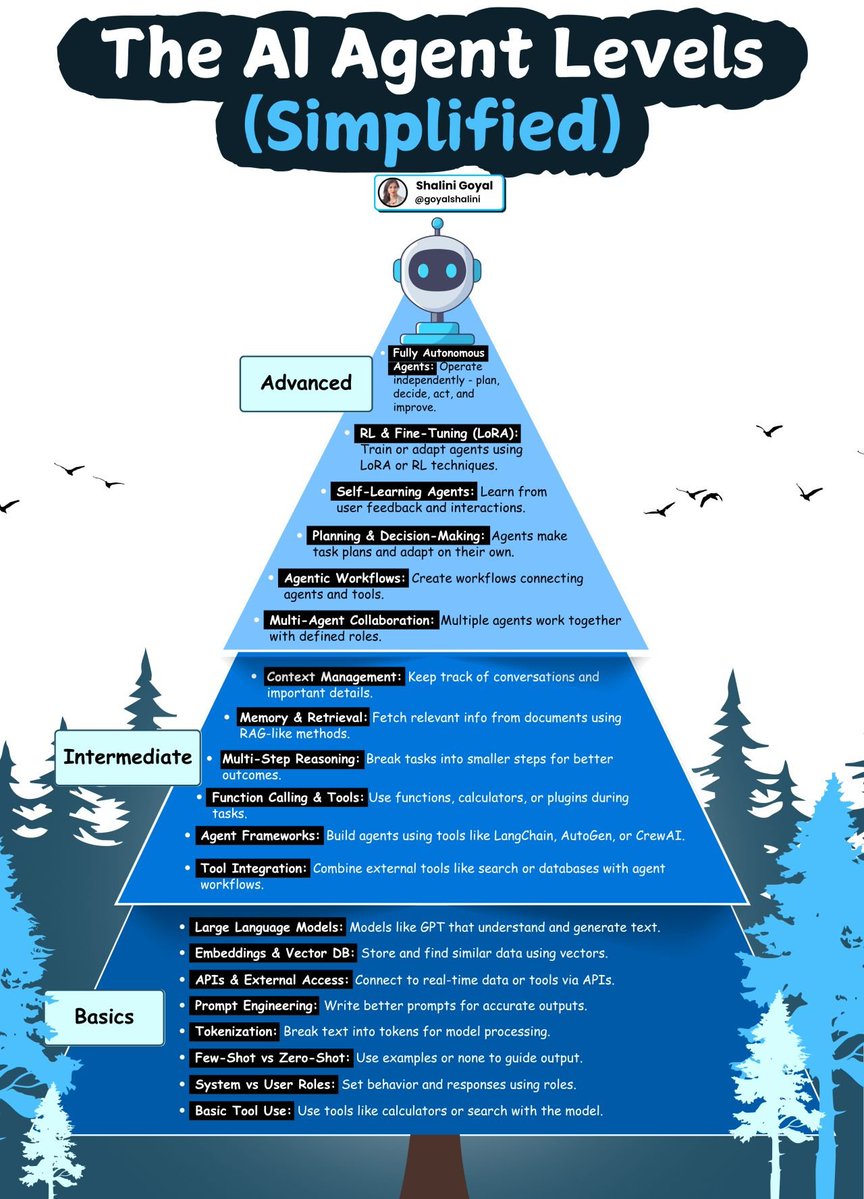
Want to get a quick idea about the different levels in AI Agents ?
Here’s a breakdown of AI agent capabilities into 3 clear levels, from basic to fully autonomous.
Let’s simplify it:
1. Basics
Start here if you’re new.
Understand how LLMs like GPT work, use prompt engineering, APIs, and simple tools like calculators or vector search.
2. Intermediate
This is where agents get smarter.
They start using functions, calling tools, managing memory, and reasoning through multi-step tasks. Frameworks like LangChain come into play here.
3. Advanced
At this level, agents act almost human.
They plan, self-learn, adapt through reinforcement learning, and collaborate in multi-agent workflows, working toward complete autonomy.
AI agents are evolving fast. Knowing where you (or your tool) stand on this pyramid helps you build, evaluate, and scale smarter AI solutions.
Everyone is talking about AI Engineers, but most beginners still confuse them with ML Engineers. 🤖
ML Engineers train and improve models using datasets, GPUs, neural networks, PyTorch, TensorFlow, Jupyter, and model optimization.
AI Engineers build real AI products using RAG pipelines, vector databases, APIs, agents, guardrails, evals, context windows, LangChain, and LlamaIndex.
ML Engineers build the brain.
AI Engineers build the system around the brain.
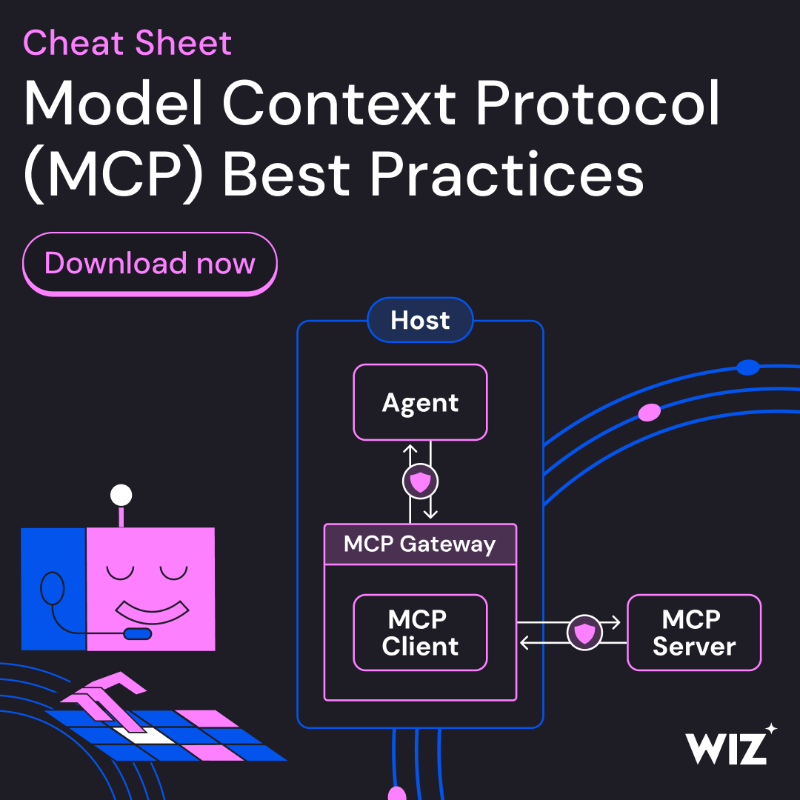
As MCP adoption grows, teams are moving quickly to secure how LLMs connect to tools and data. We put together 7 best practices to help you:
- Lock down supply chains
- Enforce least privilege
- Add human oversight