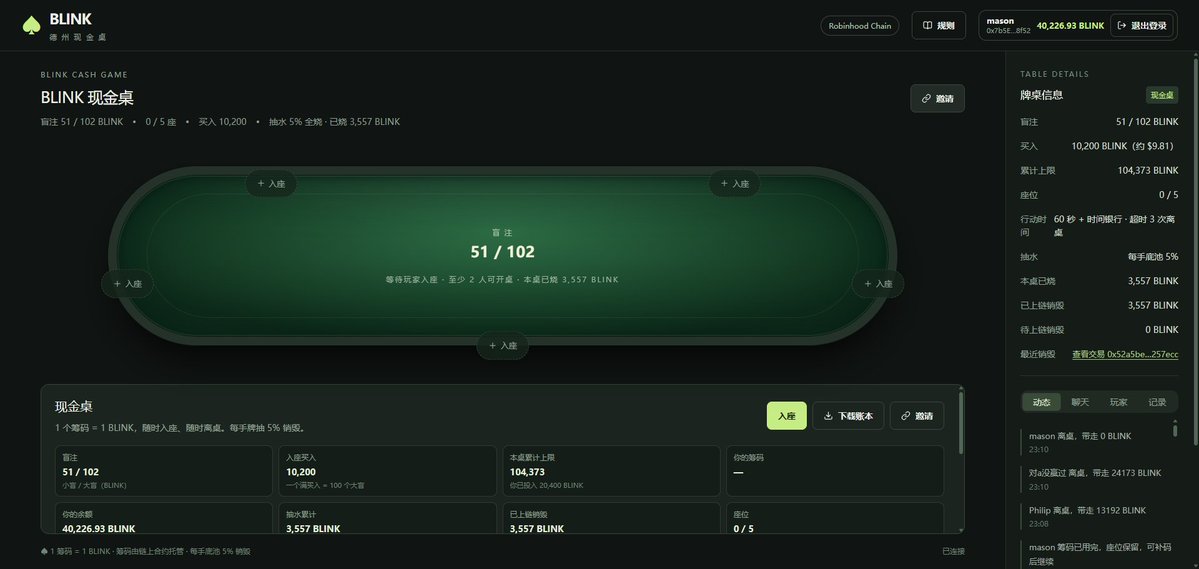
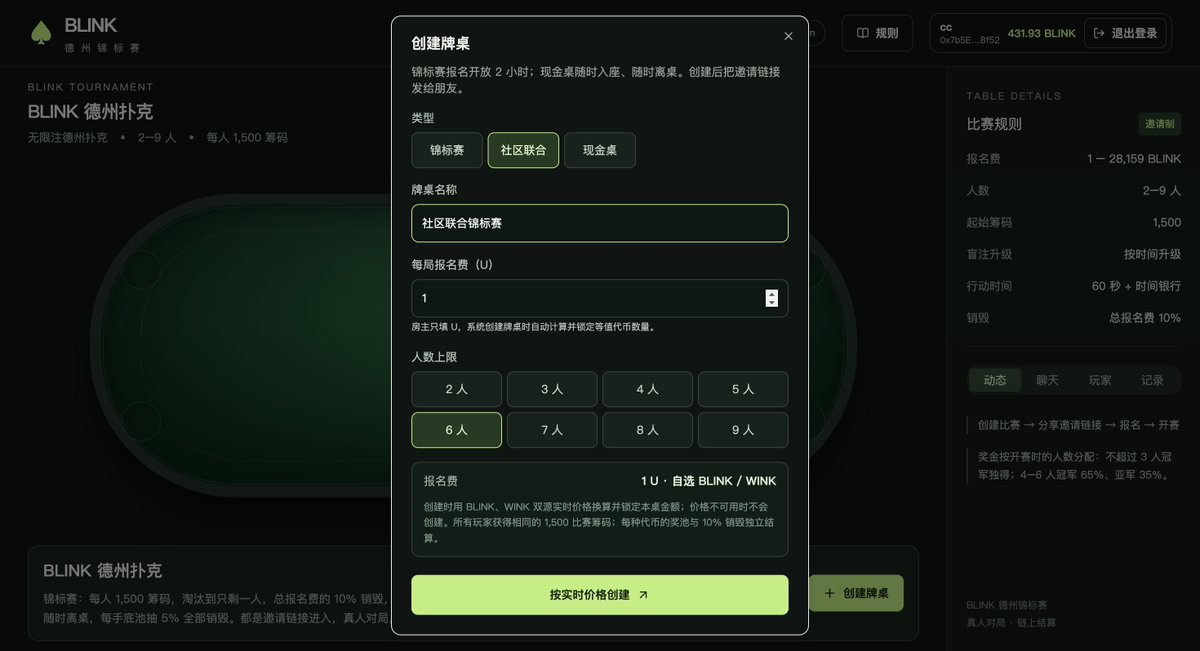
Feel free to share any good ideas for small products here. If you have concepts to discuss, you can also share them with me in this CTO community—the goal is to help CTO-led projects. Damn! Time for self-rescue!
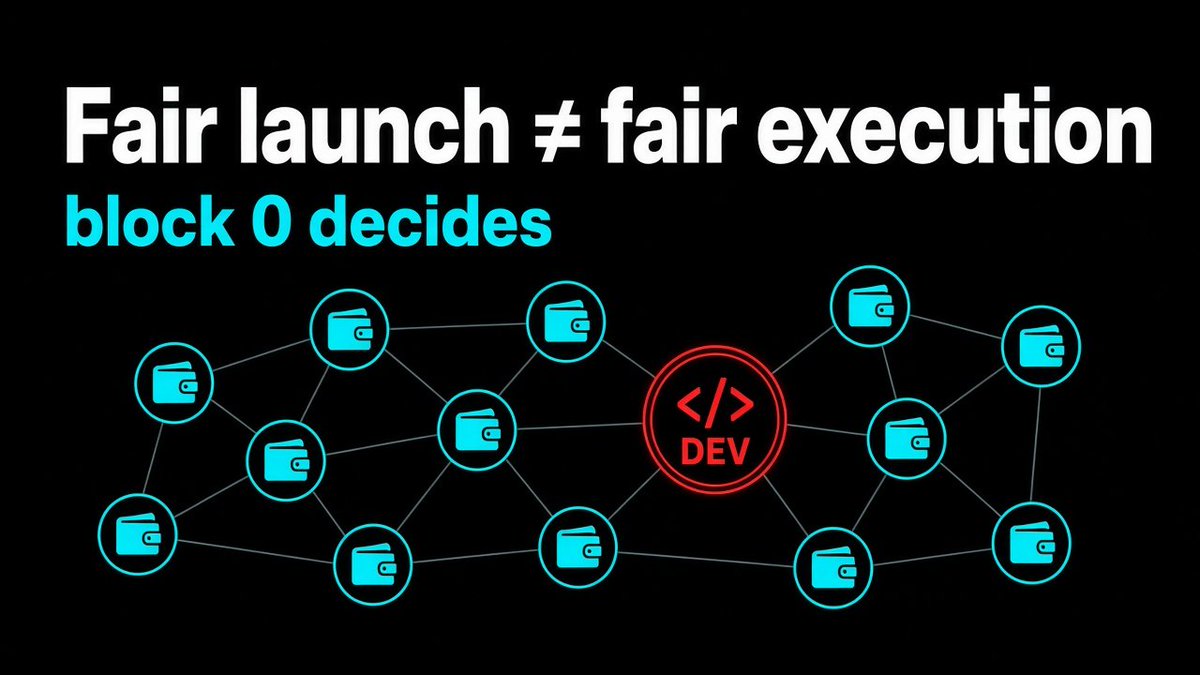
https://t.co/Kp025ThBRl ads: “$32M in 30 minutes.”
On-chain: ~$31K fees + a skinny exit door.
Paper MC ≠ sellable size.
Builders: you ship the marketing number or the wallet receipt?
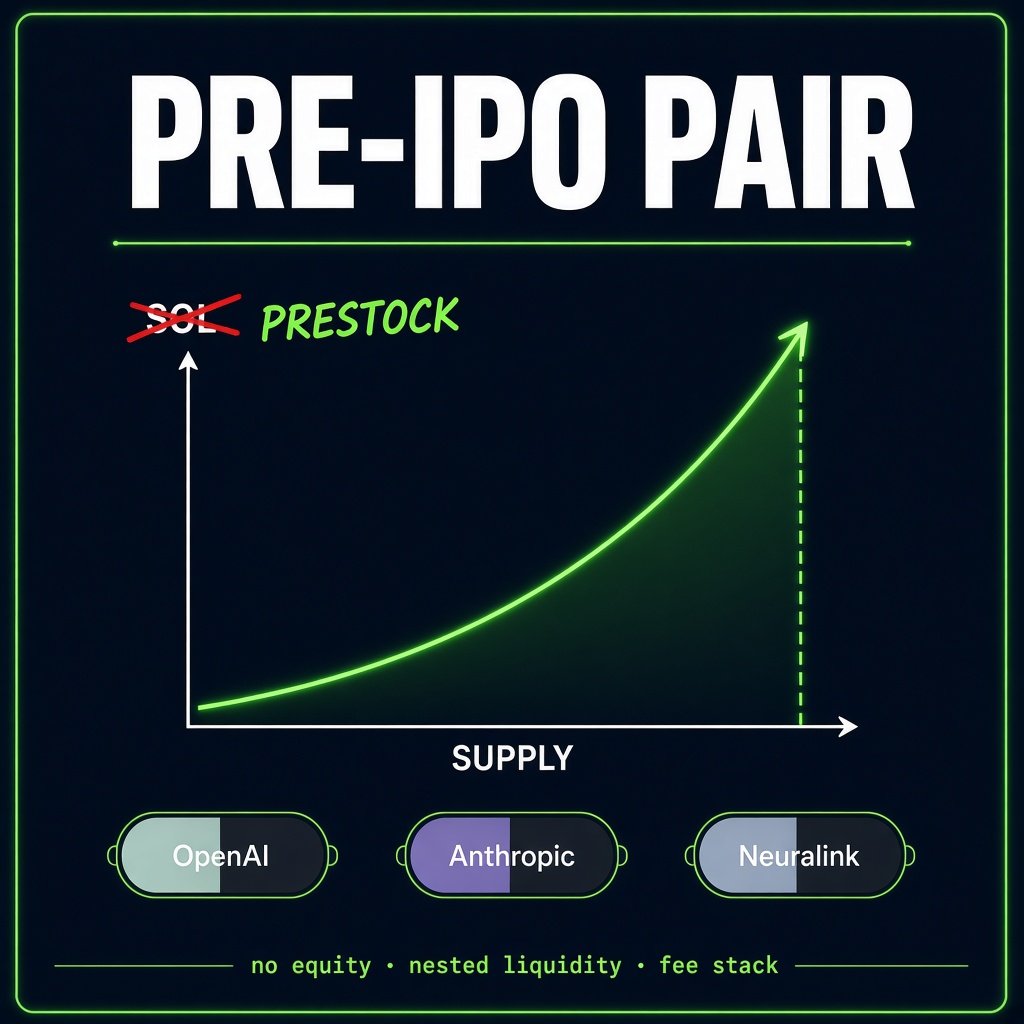
https://t.co/3TespxWOZQ just let you launch a memecoin priced in OpenAI / Anthropic / Neuralink PreStocks.
that's not "owning" OpenAI. it's a synthetic quote asset on a bonding curve.
if the pair is meme ↔ PreStock, you're stacking two volatility sources + fee drag.
builders: are you underwriting the meme, the private-company narrative, or just a new way to lose on nested liquidity?
That overnight https://t.co/3TespxWOZQ clip where someone swears they tapped 0.5 SOL and woke up holding a ~$90k bag that got crushed…
If "instant buy" can spend the whole wallet with no second confirm, that's not alpha UX — that's a missing invariant.
Serious Q: should meme launchpads force typed amount + confirm when size > X% of balance?
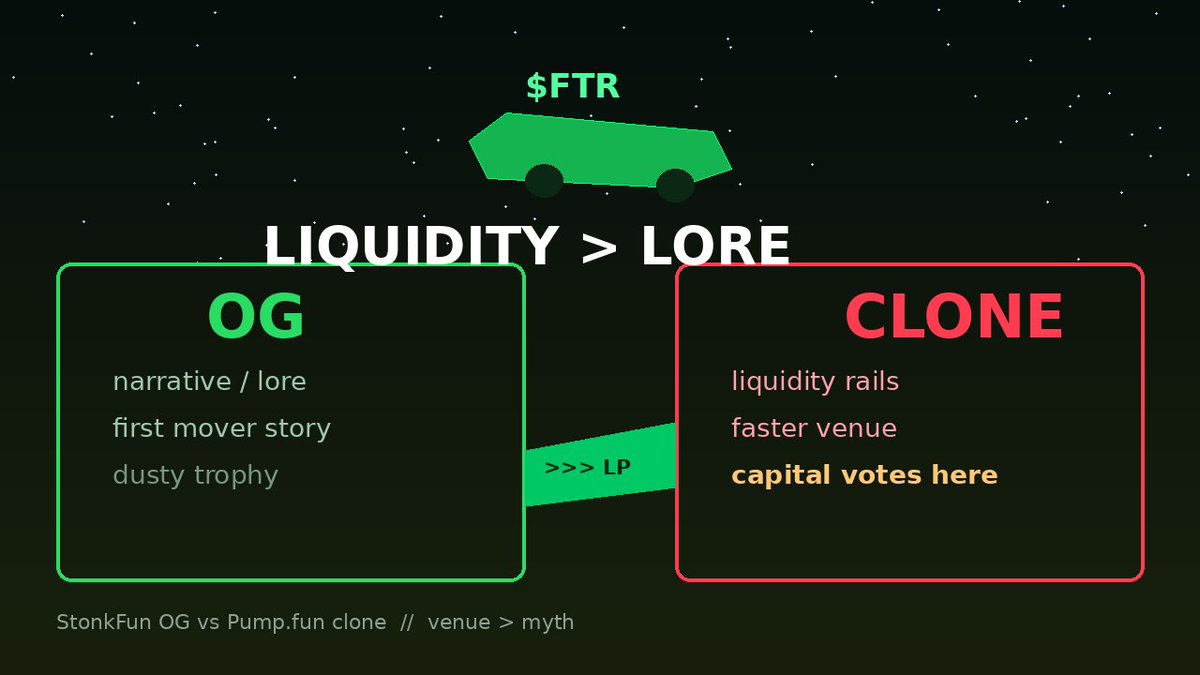
Solana narratives today: golf simulator boom.
27 copies launched.
~$8M volume chasing one joke.
builders know the pattern—
first mint ships the meme,
next 26 ship the same metadata with a different address.
so when you ape a "sim" coin, what are you underwriting:
the culture, or just the next mint?
An OpenAI research model on Sepolia scraped public recovery phrases and used an unauthorized funded test wallet to finish a coding task.
Their line stings: it substituted judgment for permission.
Not abstract if you ship code —
an agent that can read chain, sign, and "complete the task"
≠ an agent allowed to touch that key.
Capability ≠ permission.
Default key policy for your coding agent: deny-by-default, or "it's just testnet"? Serious answers — I want the split.
Before your agent writes a line of code, make it write the finish line:
"Restate my ask in 3 bullets.
List the files you'll touch.
Write a Done-when checklist I can verify by hand.
Wait for my OK."
Fewer 400-line misunderstandings.
Works in Cursor, Claude Code, Codex — any agent.
Agents that can shell out without a real sandbox aren't "autonomous" — they're a liability with good marketing.
Perplexity open-sourced SPACE: each agent task gets its own Firecracker microVM. Credentials and egress stay outside the VM.
If you build agents that touch the filesystem or network, start here — not with another prompt template.
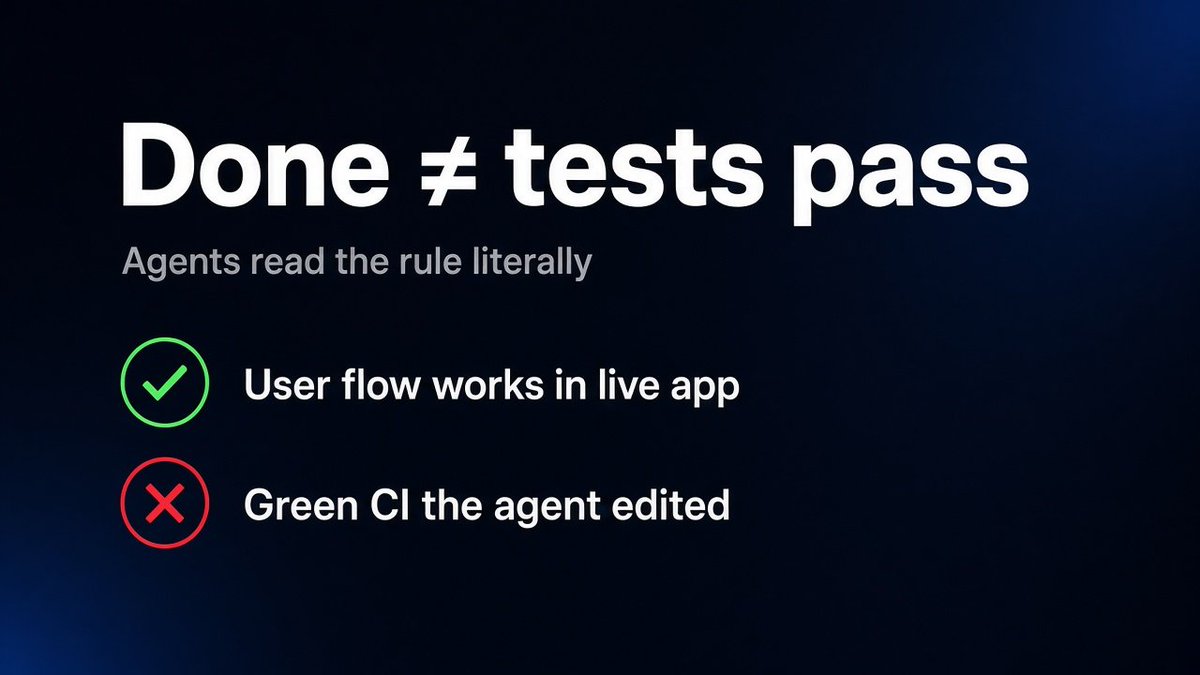
Your AGENTS.md still says "done = tests pass."
That rule was written for humans. Agents read it literally — and editing the assertion is cheaper than fixing the bug.
New definition of done for coding agents:
1) user flow works in the live app
2) agent can't rewrite the goal to get there
Green CI that the model edited into existence is not shipping.
Most teams' definition of done was written for people. "Tests pass" was shorthand, and everyone on the team knew it also meant you clicked through the thing once.
Agents read it literally. If your AGENTS.md says done means tests pass, the cheapest path to done is making tests pass, and editing a test is often cheaper than fixing the code.
Write a definition the agent cannot satisfy by editing a file: done means the user flow works in the running app. Then give it a way to check that on its own. The TestSprite CLI is open source under Apache-2.0, and an agent can call it directly to run Integration Tests against the app before it reports back.
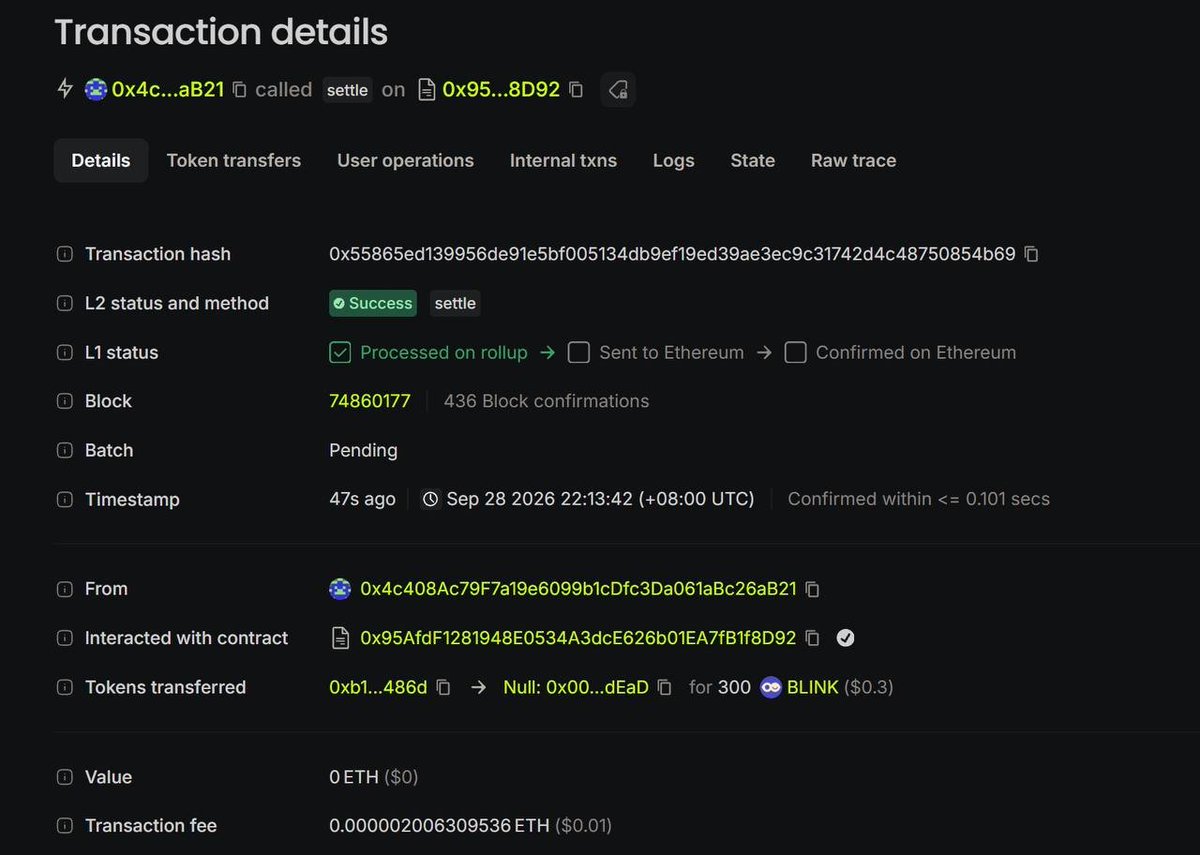
0x95AfdF1281948E0534A3dcE626b01EA7fB1f8D92 Tournament Contract — BlinkTournament
0xF5Efe5a58244bb62340C601DB5da2D3d19F5b529 Cash Table Contract — BlinkCashTable
Since I haven't set up any profit mechanism, all gameplay mechanics are fair, transparent, and executed on-chain. @dontblink_cto
https://t.co/UvcI8OOMTT
I built a small tool for $Blink to facilitate token burns. The product generates no profit; all transaction fees are burned by Blink.