We are delighted to announce that Dr Ebenezer Cudjoe, Lecturer in Childhood Studies at the University of Essex has joined the Editorial Board. Eben is currently a Guest Editor on our forthcoming special issue on Child Welfare in Africa.
We examined whether neighbours’ response to child neglect issues will be facilitated by the strength of indigenous collective values that legitimizes collective child care duties (herein the Ghanaian lineage-based collective value of Abiriwatia).
https://t.co/8CA7oPnDiH
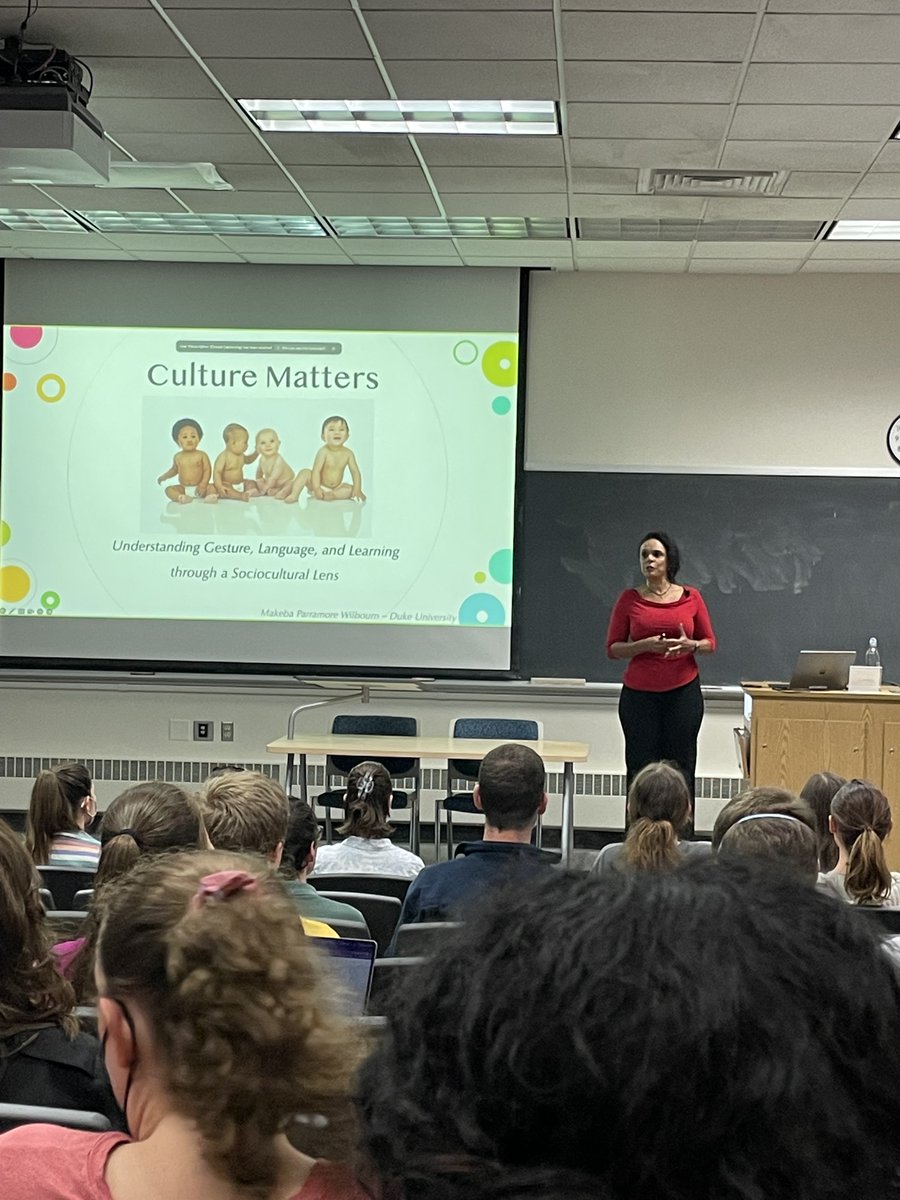
Really important and well-delivered message from @DrWilbourn@UWPsych yesterday about how models and methods developed for one cultural group cannot necessarily be applied to other groups. Even methods considered standard may be masking varieties of pathways in kid's development.
When disadvantaged children receive the high-quality #ECE they need, they gain skills that persist for a lifetime. No fadeout, lasting effects. Get the facts on fadeout: https://t.co/8xlp4PusHX
In this paper, we utilized an innovative qualitative method, River of Life Oral History, to explore the meanings female caregivers associate with social control practices by their neighbors.
https://t.co/WQzdk5ZXr6
Join us @UCLA Psychology! Multiple hires in the works. First is Quant Psych search. PhD in Psych, Data Science, (Bio)Stats, Education, etc... all welcome. Looking for innovative methodologist, collaborator, & mentor who cares about inclusion. https://t.co/wuo01sLkfX
In Ghana, children who are born with severe deformities are often classified as Spirit Children, and killed by their parents with the support of traditional healers.
We explored the connection between the law and the cultural underpinning of filicides.
https://t.co/ZIWi387WCQ
The author looks at how diaries connect with some fundamental concepts of phenomenology, how they can be completed and what information can be obtained within IPA.
Click the link to read
https://t.co/PCkoyUS4GA
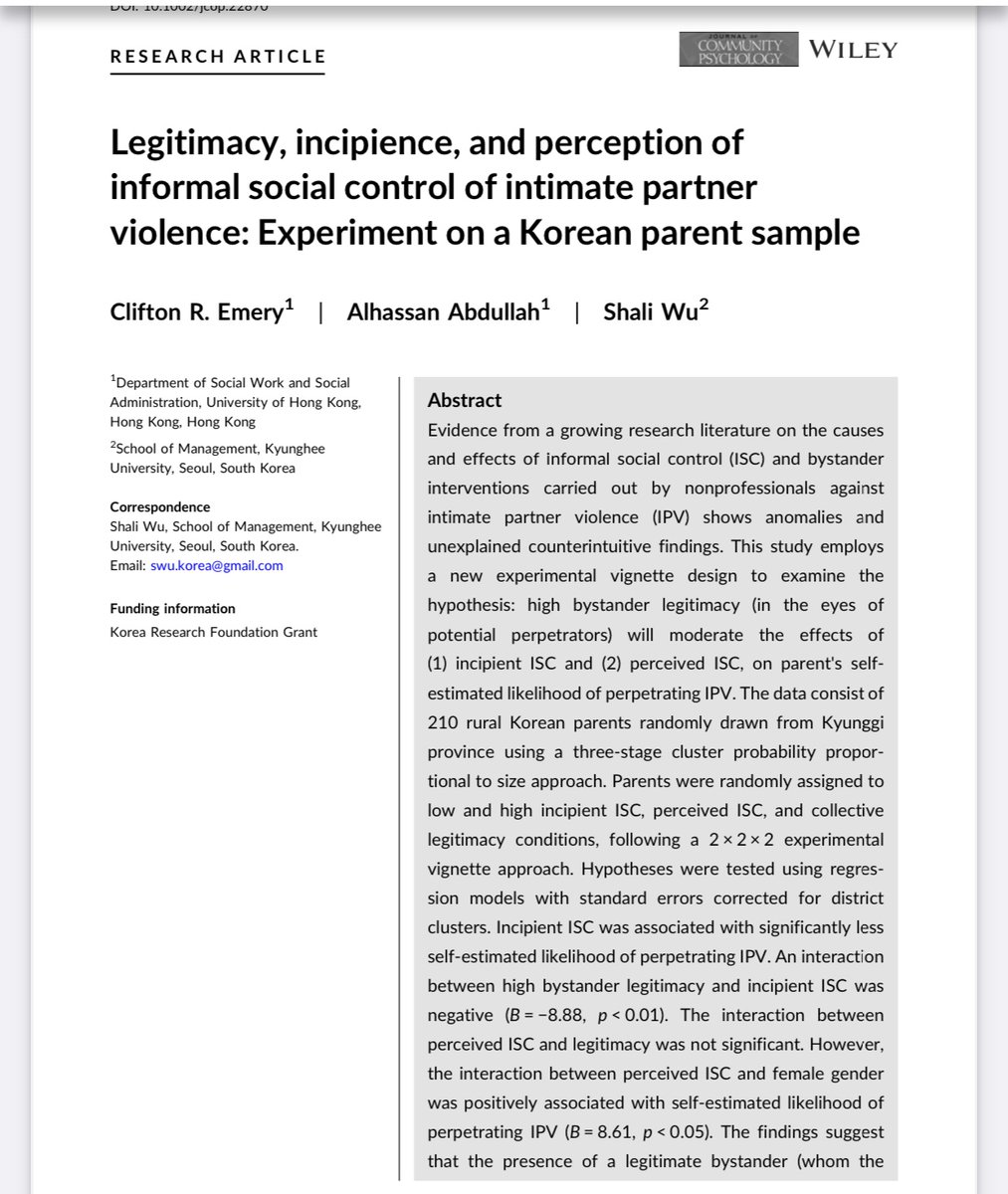
Happy to share our new publication focusing on "informal social control control, bystander legitimacy in intimate partner violence using 2X2X2 vignette experiment"
@DrMaxineDavis
https://t.co/FOTgr43kgM
Zak et al explored resource parent stress during the pandemic and factors impacting their ability to manage it. Impt info for child welfare workers. @SarahZak5@ElenaUofO @DrElisaRomano @CWBL_uOttawa @SAGEpsychology For more see:
https://t.co/WOaUH3NPYT
Amedee et al examined the links between child emotion regulation and ability to change behavior as context shifts (cogn flexibility) in 8-12 yo kids in residential care after maltx. Recs for intervention included. @DrMartineHebert@SAGEpsychology
https://t.co/v3RpRPzetK
We’re thrilled to announce our new partnership with Dr. Laura E. Berk and to be the exclusive publisher of her developmental psychology titles.
Her unique voice and inclusive approach have made her one of the most respected authors in the field.
https://t.co/2SHQrK4l6J
Mkinga et al study child maltreatment in Tanzanian orphanages by exploring caregiver attitudes, working conditions which impact them. Institutional care is only option for millions of kids worldwide. Impt to find ways to improve it. @SAGEpsychology
https://t.co/38pykayiO0
Developmental Child Welfare brings a truly international perspective to child welfare services. Vol 4, No. 2 has reports from Estonia, Tanzania, Australia, and US. @SAGEpsychology
https://t.co/kGDmPrMslI
Toros & Falch-Eriksen give results of detailed interviews with Estonian parents involved in CPS during the pandemic. 4 themes emerged: impact of remote school, tension in family, stopping of support services, distrust in CPS. @SAGEpsychology For more see:
https://t.co/P2Oqsnafm2