For overnight evaluations or bulk classification, OpenAI's Batch API offers a 50% discount versus synchronous requests. It uses a 24-hour completion window, so keep interactive workloads on the regular API. https://t.co/TFcPtEv9ir
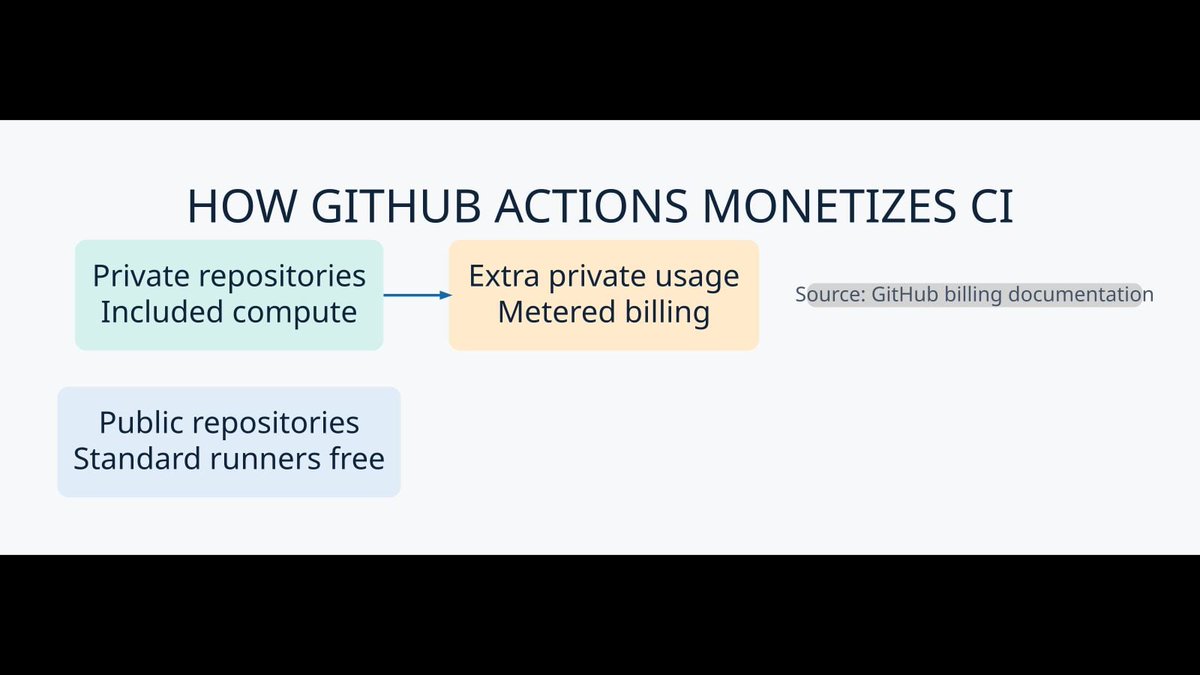
GitHub Actions offers free standard hosted runners for public repositories, while private repos have a plan-based compute allowance. This lets developers adopt CI openly while commercial workloads can generate usage revenue. https://t.co/42QGLBYX4Y
Before tightening an IAM role, use Access Analyzer policy generation to review up to 90 days of CloudTrail activity. Treat the generated policy as a starting point: rare operations may be missing, so review and test before deployment. https://t.co/H75wUzR7Zc
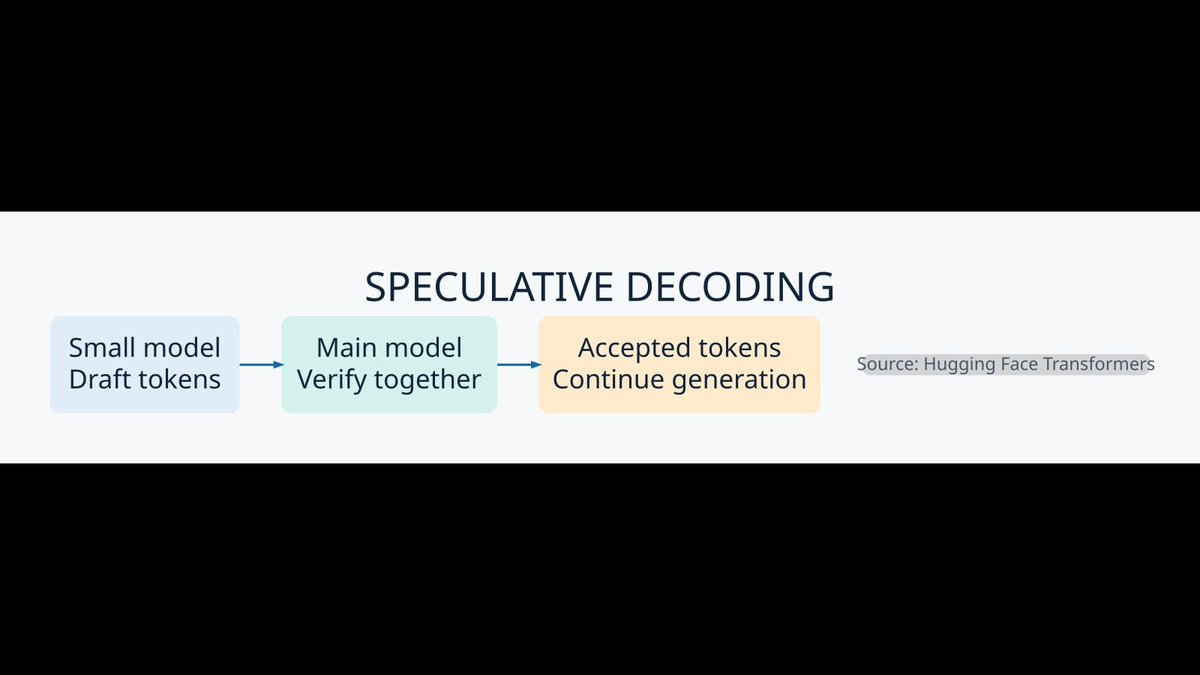
Transformers supports speculative decoding via generate(assistant_model=...). A small model drafts tokens and the main model checks them together. Use a much smaller assistant with the same tokenizer; benchmark latency on your workload. https://t.co/f68WoIZot6
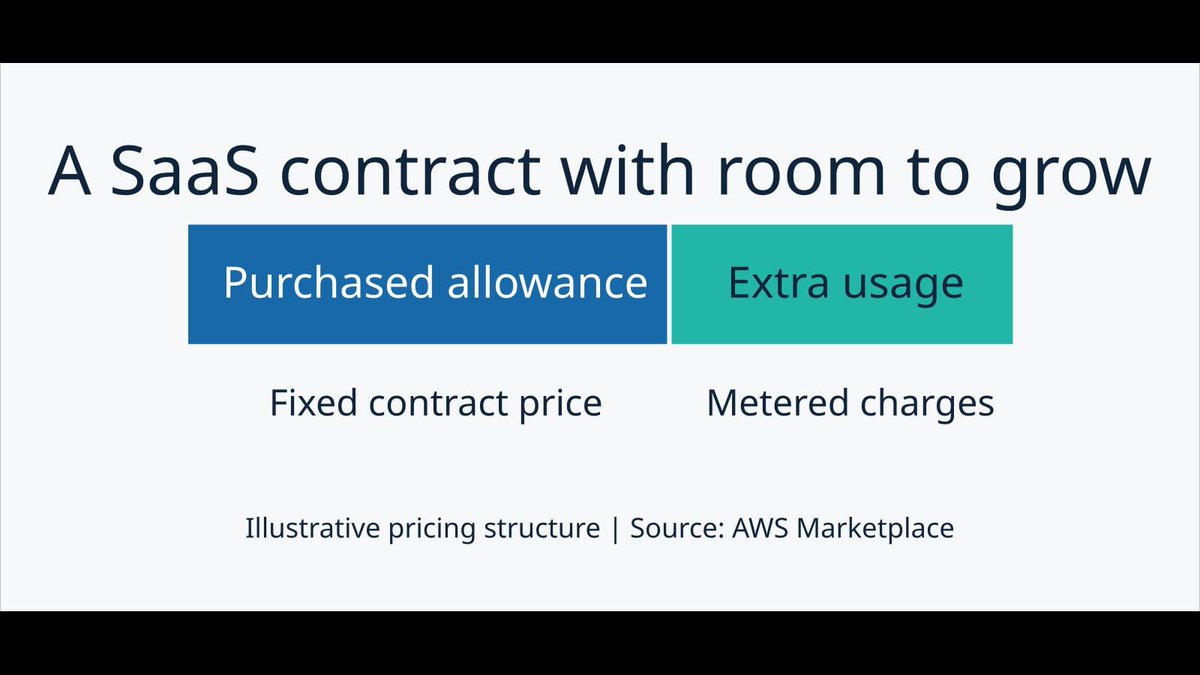
AWS Marketplace lets SaaS vendors sell a fixed contract with metered charges for extra usage. A builder can offer customers predictable baseline spend while charging for growth beyond the purchased allowance. https://t.co/fXkYqv5c5l
Before deleting an RDS instance, take a final snapshot if you need a durable restore point. Retained automated backups eventually expire under the existing retention policy; manual snapshots remain until deleted. https://t.co/7ZcWSfykPu
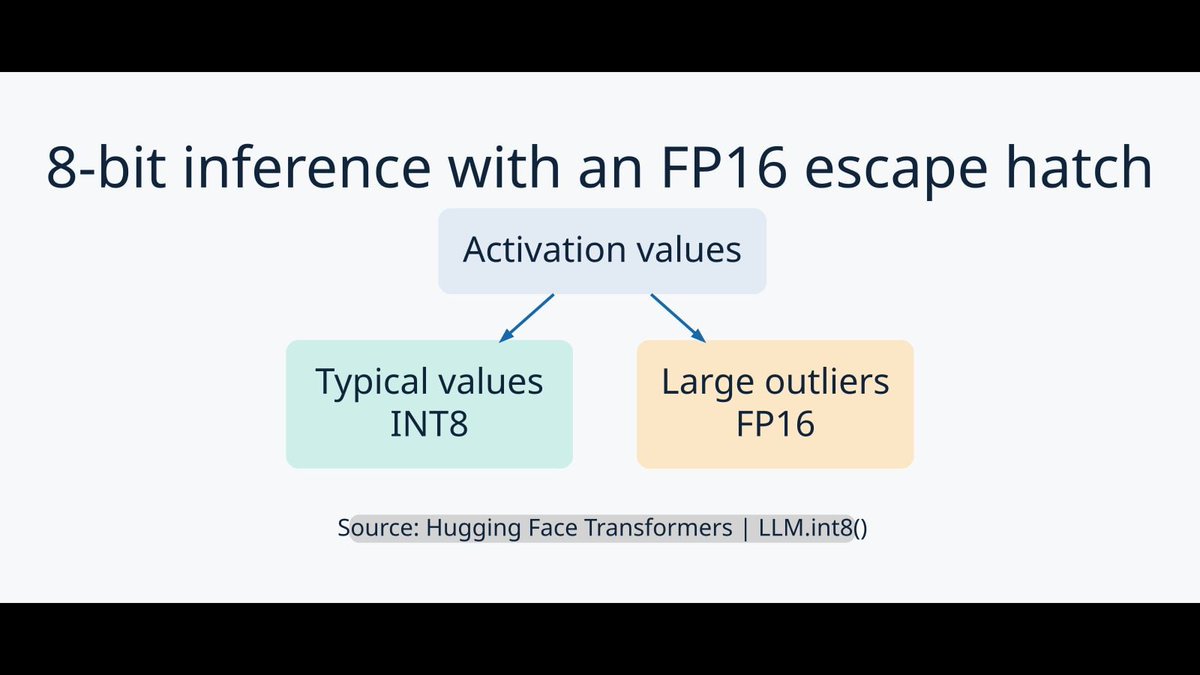
Transformers lets you load models with BitsAndBytesConfig(load_in_8bit=True). LLM.int8 handles large activation outliers in FP16, so benchmark memory and output quality on your own workload. https://t.co/fJ8LGY7e8m
Stripe retains the original processing fees when a payment is refunded. For a startup, a fully refunded sale can still carry payment costs, so model refunds in contribution margin rather than treating them as zero-cost reversals. https://t.co/V7n9Q5CfTY
With EBS gp3, 3,000 IOPS and 125 MiB/s are included in the storage price. You can provision extra performance without buying unnecessary capacity, within volume and instance limits. Check both IOPS and throughput before migrating. https://t.co/z0Y5KheeFb
A rocket has to work perfectly for a few minutes. A trading system has to work perfectly every market day, at every tick, with real money on the line.
That is why we decided early to build our own core systems instead of buying them.
We rebuilt our order management system and brought execution time down from 100 to 120 milliseconds to as low as 23. We built DEXT, our own exchange trading system, which runs 200+ checks on every order.
We built our own market data feeds from inside exchange co-location, handling over 35 million market-data events a minute at peak. And we rebuilt Dhan Web from the market tick to the browser.
We owned everything up to the chart. The chart is the first screen a trader opens and the one they watch the most, and most charts in India were not built for Indian markets. So the question was obvious. Why not own that too?
Yesterday, we launched TradingCharts. Our team built every layer in-house, on Indian market data, and connected it to our own execution engine. The platform is powered by AI, and AI is also part of how we built it, which is a big reason it came together in record time.
When traders tell us something is missing, we can now build it, without depending on anyone else.
Proud of this team.
For a trader, the chart is the most looked-at screen of the day.
It is where every trade begins. The idea, the entry, the doubt, the uncertainty while you hold a position, and the exit all play out on that one screen.
Today, we are introducing TradingCharts, the next-gen charting experience for Indian markets, built by the team behind Raise AI and Dhan.
It comes with real-time tick-by-tick data, Indian timeframes from seconds to days, and Order Flow charts. You can trade directly from the chart, run up to 8 charts in one layout, write unlimited custom indicators with ChartScript.
Here is why we built it, and what is inside 🧵
Claude tool definitions accept input_examples alongside input_schema. Add realistic examples when arguments have tricky formats or nested fields. Keep schema validation and authorization checks in your application. https://t.co/ckal6MGey8
Atlassian's monthly cloud billing uses the highest seat count during the cycle. Removing a seat mid-month frees it for reassignment but doesn't reduce that month's bill. For SaaS builders, billing rules shape customer behavior. https://t.co/LwObRUS1A7
For ECS rolling deployments, enable the deployment circuit breaker with rollback=true to recover from repeated task startup or health-check failures. Keep in mind that rollback needs a previous COMPLETED deployment. https://t.co/rPHuyxU8LV
Serving repeated long documents with vLLM? Put the shared document before the varying question. Automatic prefix caching can reuse the shared KV cache and cut prefill work, though it won't speed up generation of new tokens. https://t.co/ro22q7FBLe
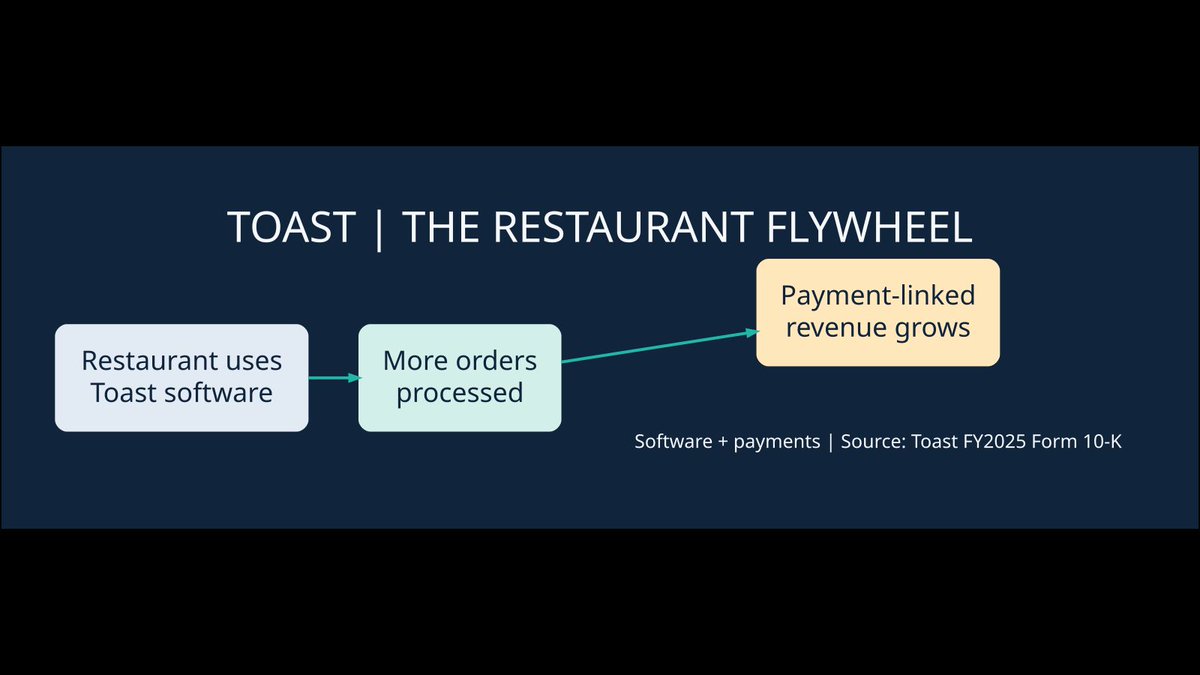
Toast earns software subscription fees from restaurants, but it also processes their payments. When a restaurant sells more, payment volume can lift Toast's revenue without another software seat being sold. That's an interesting growth lever, though processing costs matter. https://t.co/o6J8zD7I19
One failed SQS message can make Lambda retry the entire batch, including messages you've already processed. Enable ReportBatchItemFailures and return the failed message IDs to retry only those items. Your handler still needs idempotency. https://t.co/F9rrvZyNsq
GitHub Copilot's cloud agent has an outbound firewall. Review its allowlist under Settings > Copilot > Internet access before using it on sensitive repos. GitHub warns that some MCP servers and setup steps aren't covered. https://t.co/eL48cW71Ll