If life is a game, the game is rigged. You might just not know it yet.
There’s a gulf in understanding what the rules are and how to play. We’re here to adjust that.
What is money?
Money can be understood as something that is widely accepted to facilitate transactions of goods and services, can be easily translated into prices, and holds its value over time.
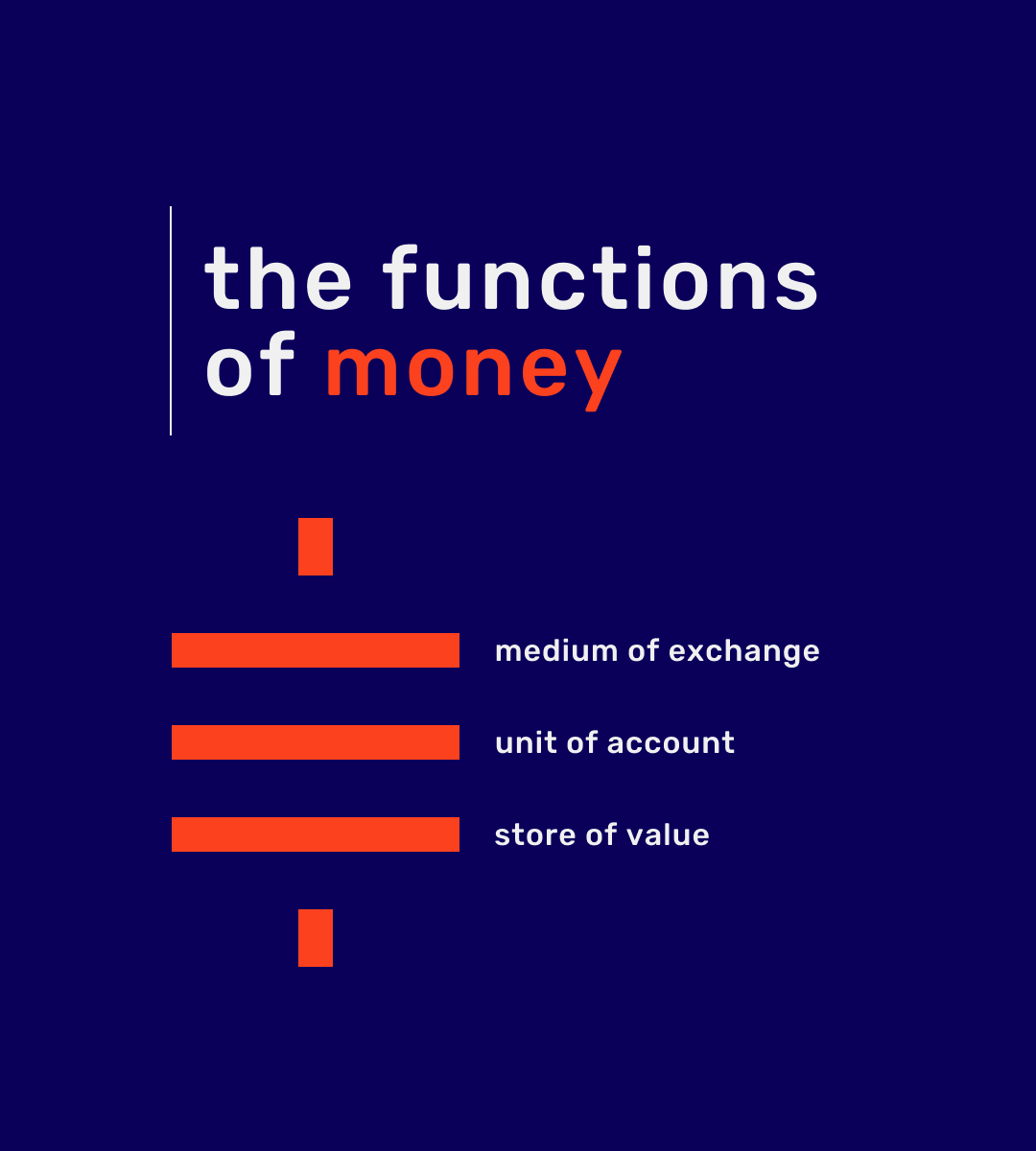
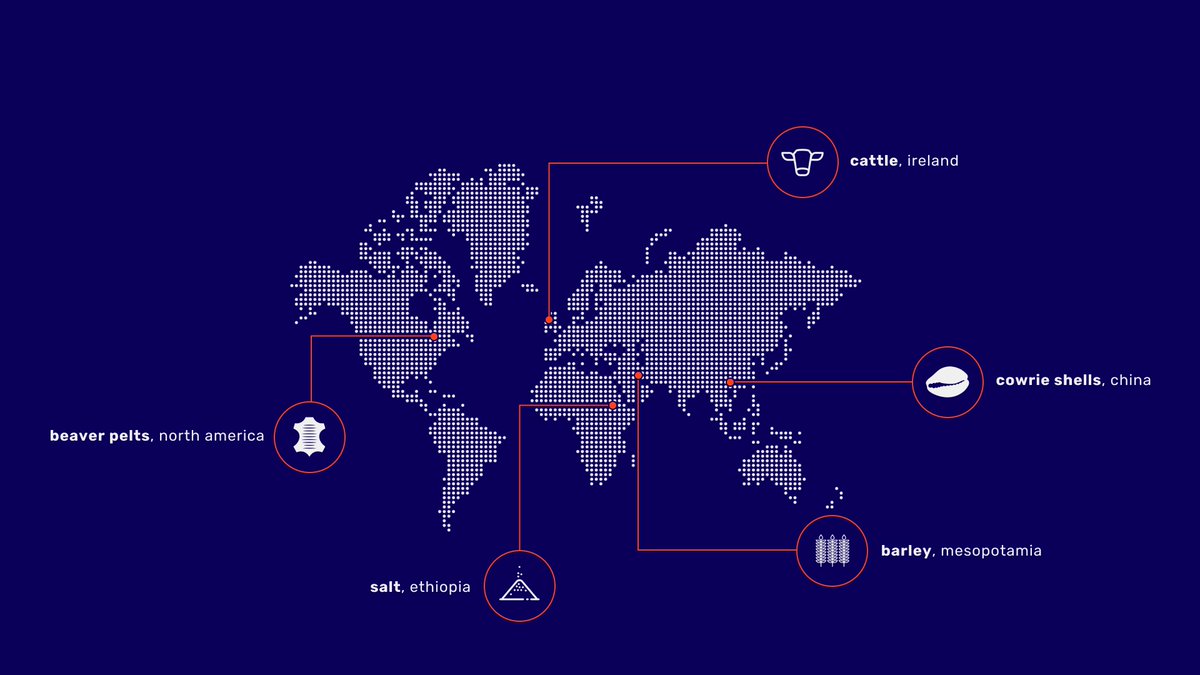
Commodity money arose from the need to overcome the inconveniences of the barter system. Throughout history, commodities have been used to perform the functions of money - medium of exchange, unit of account and store of value.
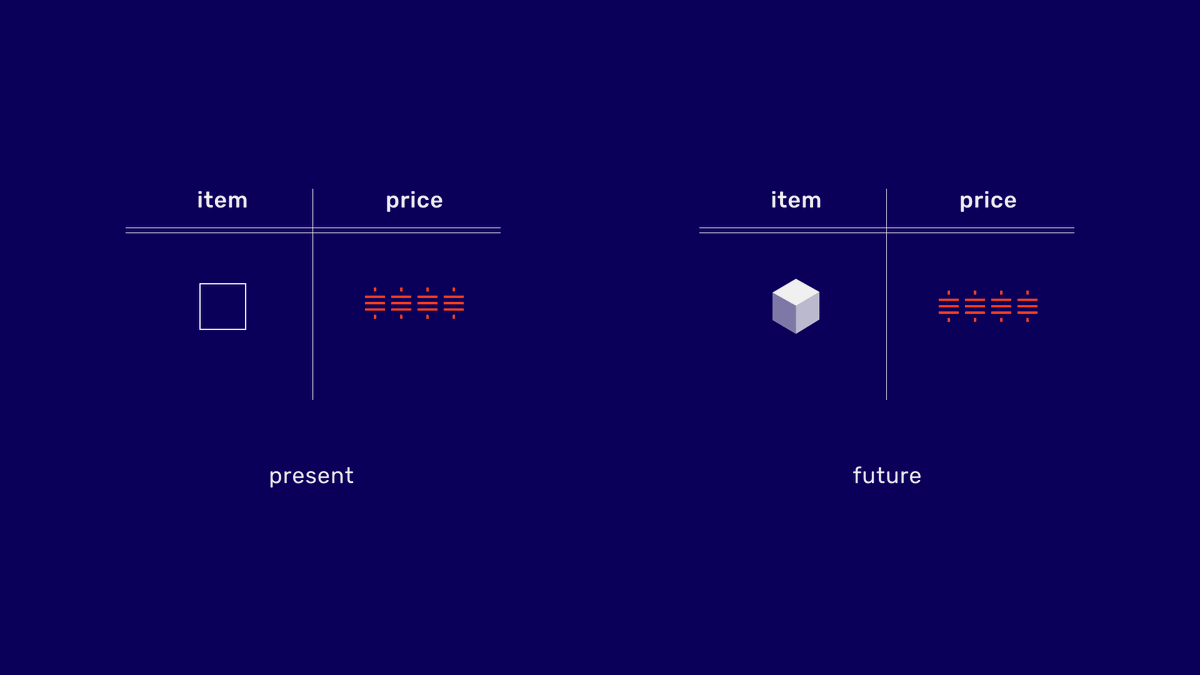
An item is considered to be a store of value, if it can be used to transfer buying power into the future. It needs to be durable and maintain its value over time, allowing for the acquisition of a similar value good in the future.
What is money?
Money can be understood as something that is widely accepted to facilitate transactions of goods and services, can be easily translated into prices, and holds its value over time.
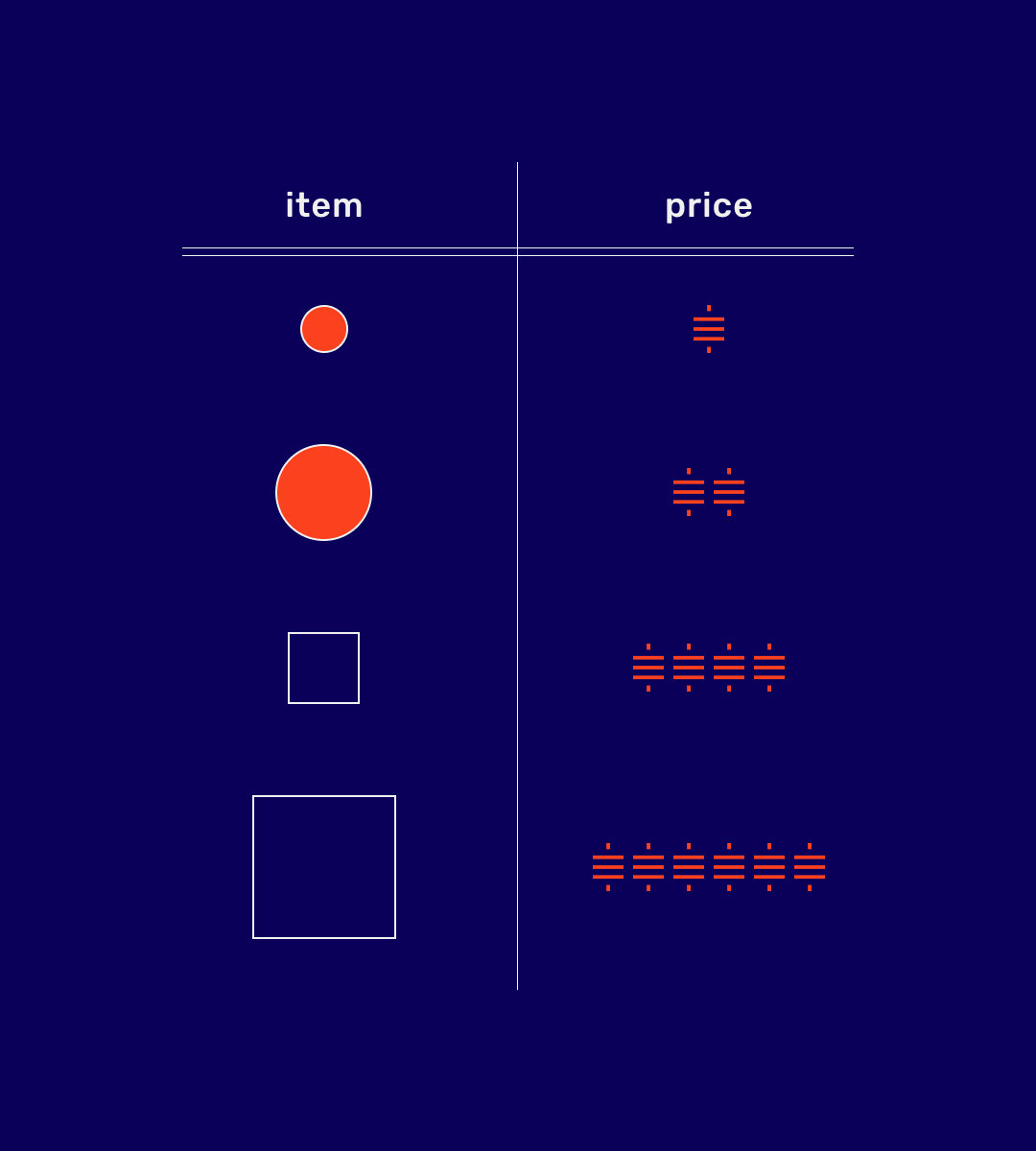
A unit of account is something that provides a standard measure of value for goods and services; by establishing a common system, it can be used to make relative comparisons between different goods and services, i.e., prices.
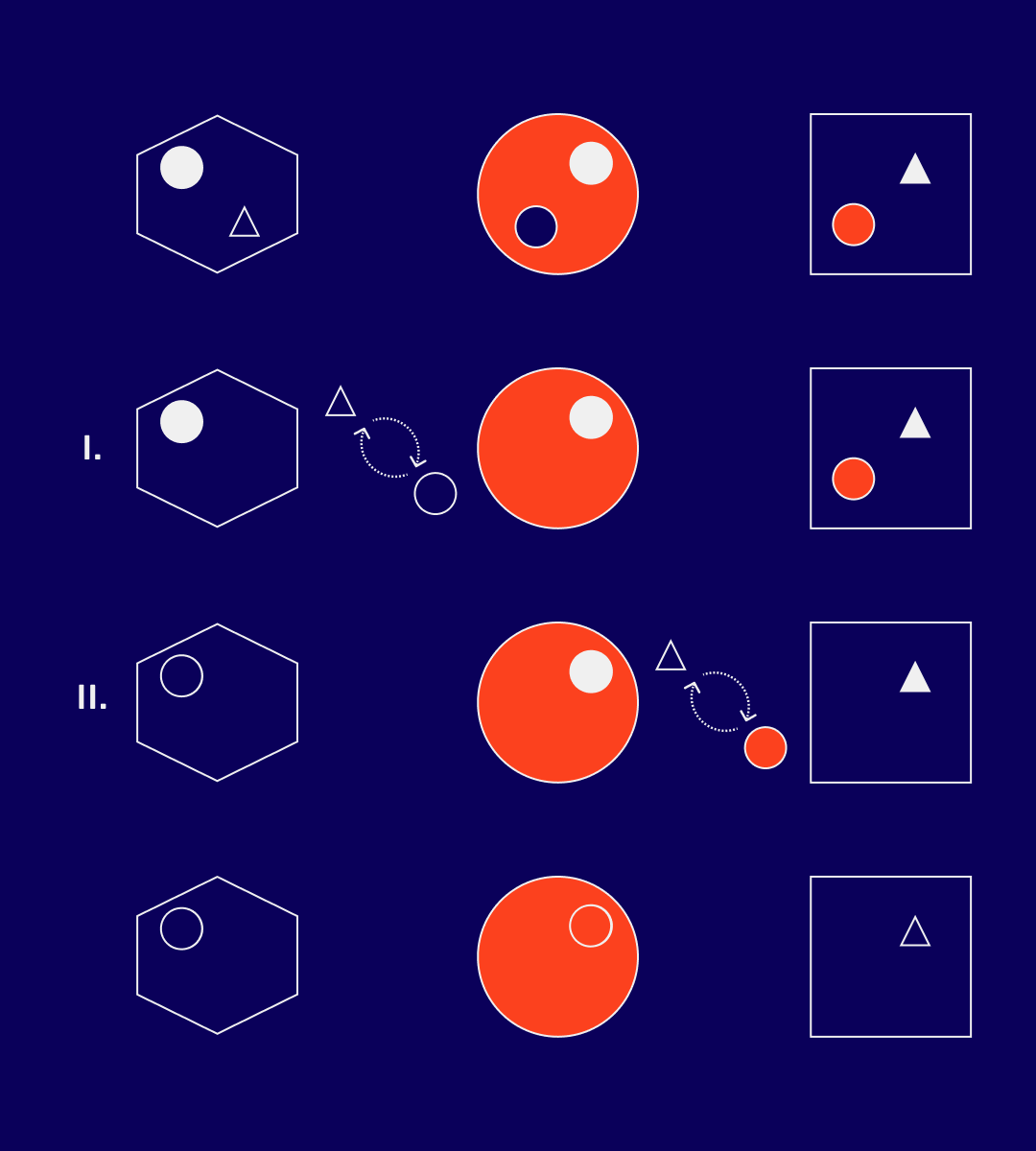
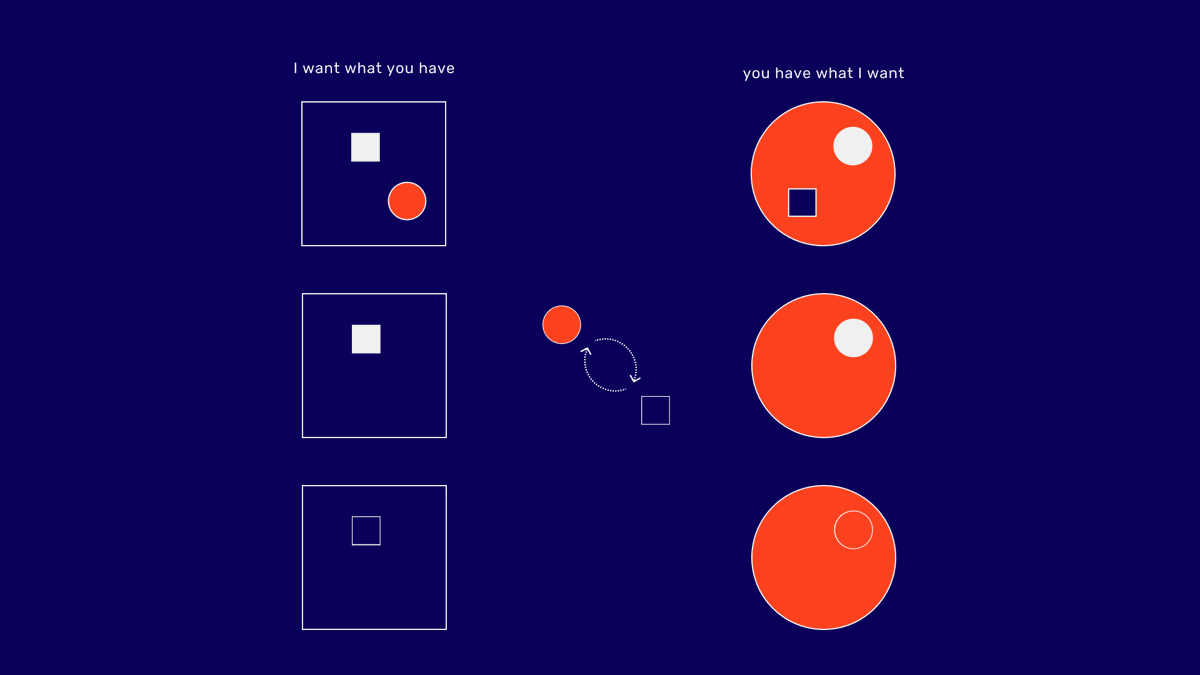
A lack of coincidence of wants can be resolved by using another good - a medium of exchange - to facilitate a transaction:
I) exchange one's goods for a medium of exchange
II) use the medium of exchange to acquire the desired good
This commonly referred to as indirect exchange.
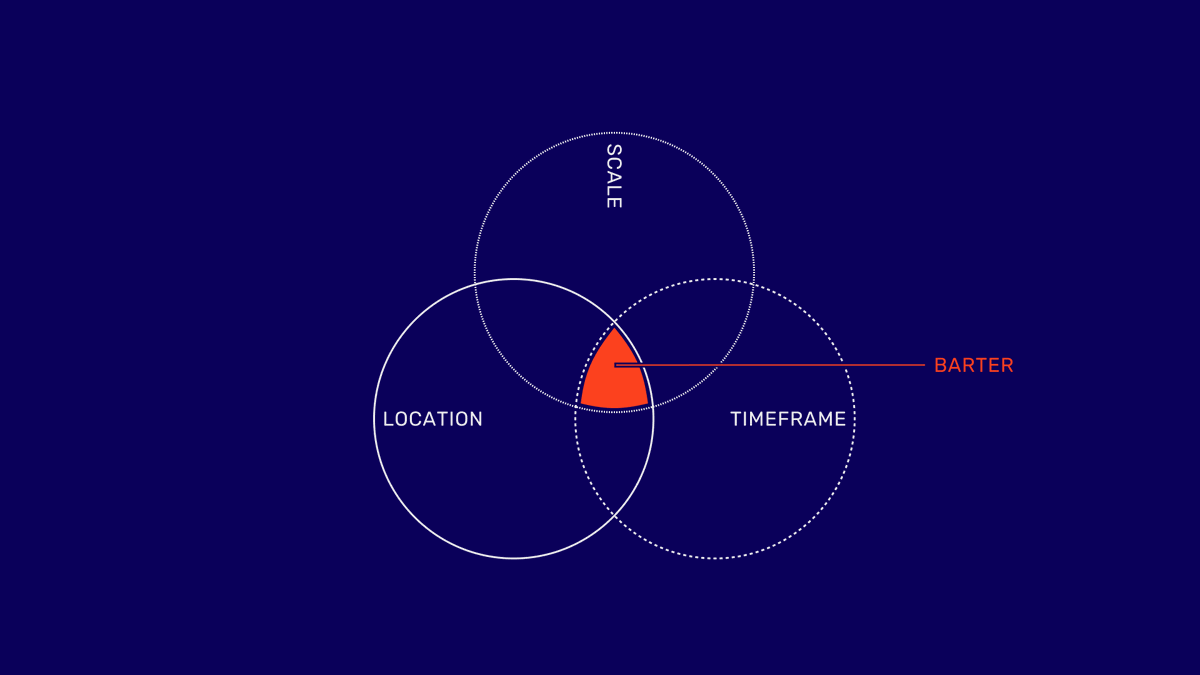
Barter is the direct exchange of goods between two parties. For it to happen, both parties need to be happy to exchange their goods with one another.
This condition is referred to as coincidence of wants.
The history of money (and its precursors) goes back thousands of years. Money has been central to human civilisation and it permeates every aspect of modern life.
Yet have you ever wondered how did we get here? What lessons from the past have been ignored? Where are we heading?