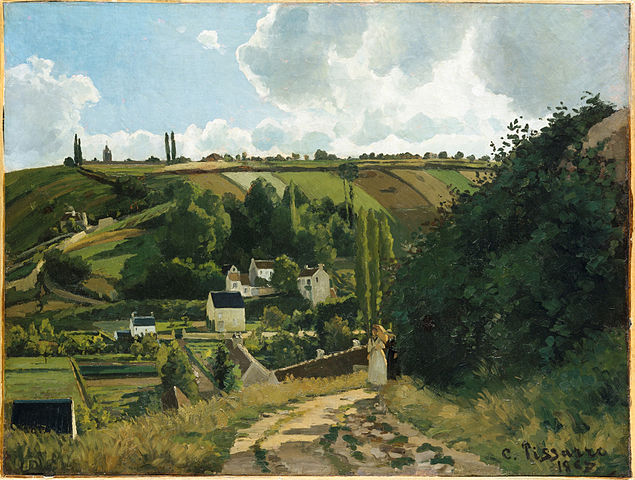
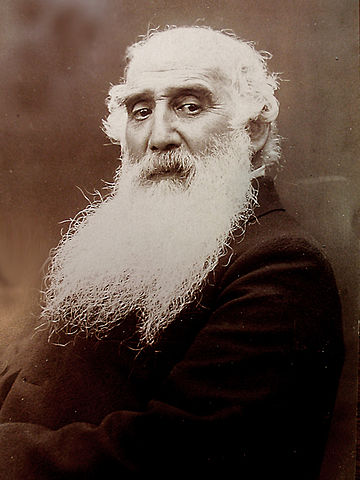
Jacob Abraham Camille Pissarro (10 July 1830–13 November 1903) His importance resides in his contributions to both Impressionism and Post-Impressionism.
Today I went to Paris, France. A Danish-French Impressionist and Neo-Impressionist painter died here. He was born on the island of St Thomas. Take a guess: in what year did he die?
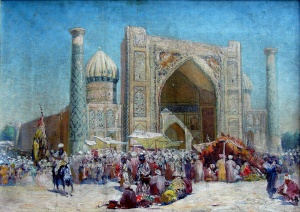
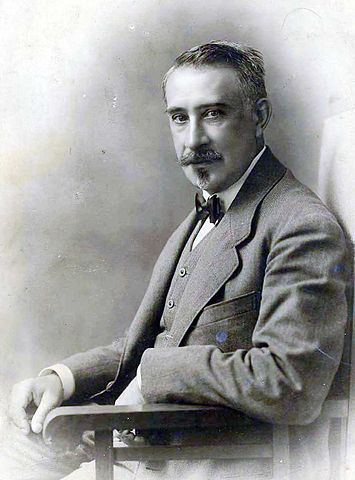
Giorgi "Gigo" Ivanes dze Gabashvili (November 9 1862–October 28 1936) His work is known for covering a wide range of subjects, landscapes and scenes of everyday life through orientalist lens.
Today I went to Tiflis, Georgia, Russian Empire. A Georgian painter and educator was born here. He is one of the earliest Georgian representatives of the Realist School of Georgian painting. Take a guess: in what year was he born?
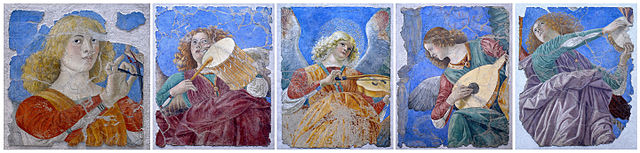
Melozzo da Forlì (c. 1438 – 8 November 1494) His fresco paintings are notable for the use of foreshortening. He was the most important member of the Forlì painting school.
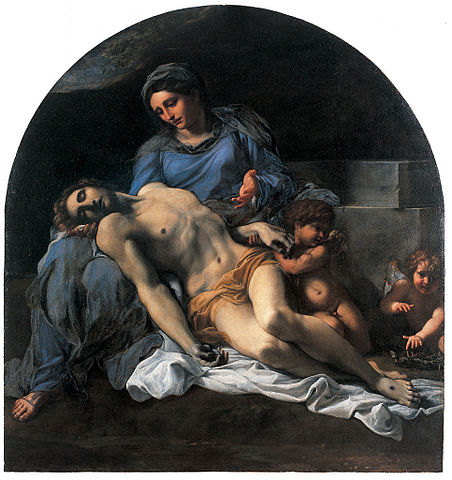
Annibale Carracci (November 3 1560–July 15 1609) He was borrowing from styles from both north and south of their native city, and aspiring for a return to classical monumentality, but adding a more vital dynamism.
Today I went to Bologna, Papal States. An Italian painter and instructor was born here. Along with his brother and cousin, he was one of the progenitors, if not founders of a leading strand of the Baroque style. Take a guess: in what year was he born?
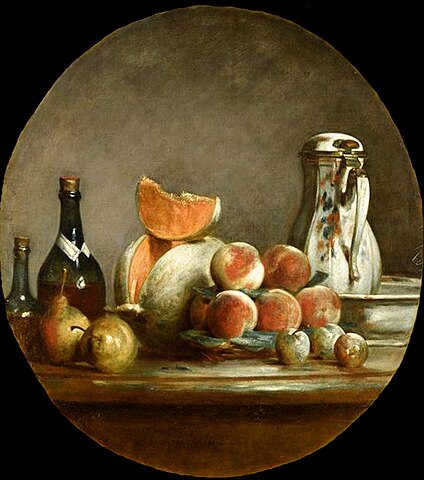
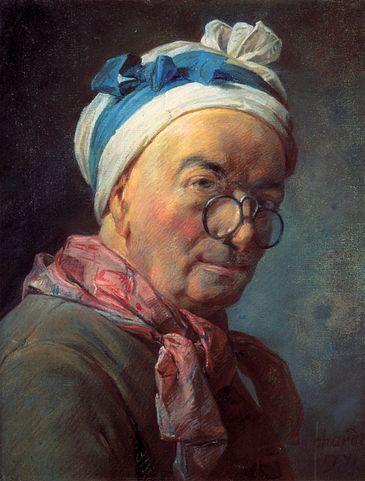
Today I went to Rue de Seine, Paris, France. An 18th-century French painter was born here. He is considered a master of still life, and is also noted for his genre paintings which depict kitchen maids, children, and domestic activities. Take a guess: in what year was he born?
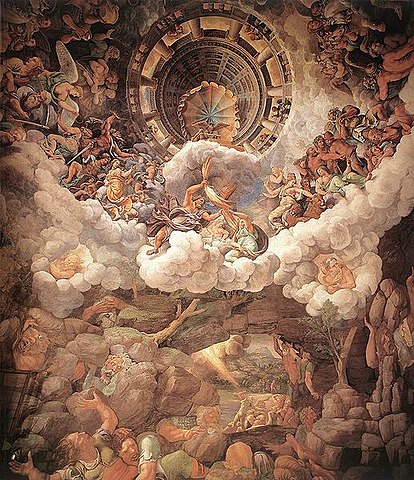
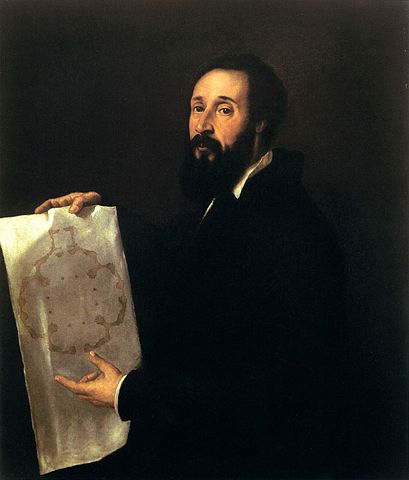
Giulio Pippi (c. 1499–1 November 1546)His drawings have long been treasured by collectors; contemporary prints of them engraved by Marcantonio Raimondi were a significant contribution to the spread of sixteenth-century Italian style throughout Europe.
Today I went to Mantua, Duchy of Mantua. An Italian painter and architect died here. He was a pupil of Raphael, and his stylistic deviations from High Renaissance classicism help define the sixteenth-century style known as Mannerism.Take a guess: in what year did he die?