Longevity focused content has attracted a large following, particularly among Gen Z, where concerns about aging, long-term health, and quality of life have fueled growing interest in biomarker tracking, dietary supplements, and other strategies promoted to slow biologic aging.
However, how well do this increasingly popular longevity strategies stand up to scientific scrutiny? Current evidence suggests that although several emerging interventions influence biologic pathways associated with aging, the strongest evidence for maintaining long-term health and promoting healthy aging continues to support established lifestyle measures, particularly regular physical activity and adequate sleep. https://t.co/fyOkWyIBkc
Most weight-loss drugs don’t provide cardiovascular benefits or meaningfully improve quality of life, a new study suggested. But some experts urged caution in interpreting the findings.
A meta-analysis of 262 randomized trials, involving nearly 100,000 participants, found that several newer and emerging drugs produce substantial weight loss. However, that loss was accompanied by higher rates of adverse events. https://t.co/M3Zxnx34Hm
La menopausia está cambiando. Nuestra consulta también debe hacerlo.
El 16 de julio (19:30h) hablaremos en #MenoYoungSummit sobre adiposidad, riesgo cardiovascular, terapia hormonal y el papel actual de los agonistas GLP-1 en menopausia.
📍Online: https://t.co/WHXtf6nr9S
For years, conventional wisdom held that skin improvements among patients on GLP-1 medications were a byproduct of weight loss, which reduces inflammation. But doctors are spotting a much more complex reality — and new research supports their observations.
At the University of Pittsburgh Medical Center (UPMC) in Pittsburgh, Pennsylvania, dermatologist Joe K. Tung, MD, MBA, noticed dramatic changes in his patients with psoriasis just starting a GLP-1. Their plaques began “melting away” within 2 days. “That’s too fast for that to be a weight-loss effect,” he said. “The next step for me was just thinking, could this mechanistically be plausible?” More on the findings: https://t.co/oFnbZ7M2iF
#Incretin hormones—glucagon-like peptide-1 (#GLP-1) & glucose-dependent insulinotropic peptide (#GIP)—act as a critical link connecting #digestion, #metabolism, & #cardiovascular function, supporting physiological adaptations to nutrient intake https://t.co/6Vaei6pmAD
#ADA2026
Real-world studies of GLP-1 discontinuation showed that patients often regain weight at a significantly faster pace than after other weight-loss methods. At the same time, however, novel strategies aimed at countering those effects are showing promise.
The heightened interest in alternatives comes amid reports estimating that 50%-65% of patients prescribed GLP-1s discontinue treatment within the first year, despite the well-documented risk for weight regain. Common contributors to discontinuation include cost, side effects, and insurance coverage barriers.
A recent meta-analysis published in The BMJ highlighted how quickly weight can return after GLP-1 discontinuation. To read more on emerging solutions tap the link: https://t.co/dizIbP5dJE
There is no clear evidence that antidepressant use during pregnancy causes autism or attention-deficit/hyperactivity disorder in children. In the largest study to date on the issue, a large meta-analysis showed that most observed risks weakened substantially after accounting for maternal mental health and other confounding factors.
Before accounting for confounding factors, there was a small increase in the risk for autism and ADHD among children whose mothers used antidepressants during pregnancy. However, the risk “disappeared when we accounted for other factors,” study investigator Wing-Chung Chang, MD, Department of Psychiatry, University of Hong Kong, Hong Kong, said in a news release, which described the results as “the best evidence to date” that there is no causal link. https://t.co/IFxppgRHdd
A large real-world study is raising the possibility that GLP-1 drugs can improve long-term survival after breast cancer. But critics charge that the analysis is full of fundamental flaws.
The study, which combed electronic health records from over 800,000 US women with breast cancer, found that GLP-1 users had a substantially reduced risk of dying over 10 years — as much as 91% lower for women who used the drugs to manage diabetes than for those using other diabetes medications. The risk for breast cancer recurrence was also significantly curbed.
The researchers say their findings, published in JAMA Network Open, warrant further evaluation in randomized trials. https://t.co/AmqUWAu3sp
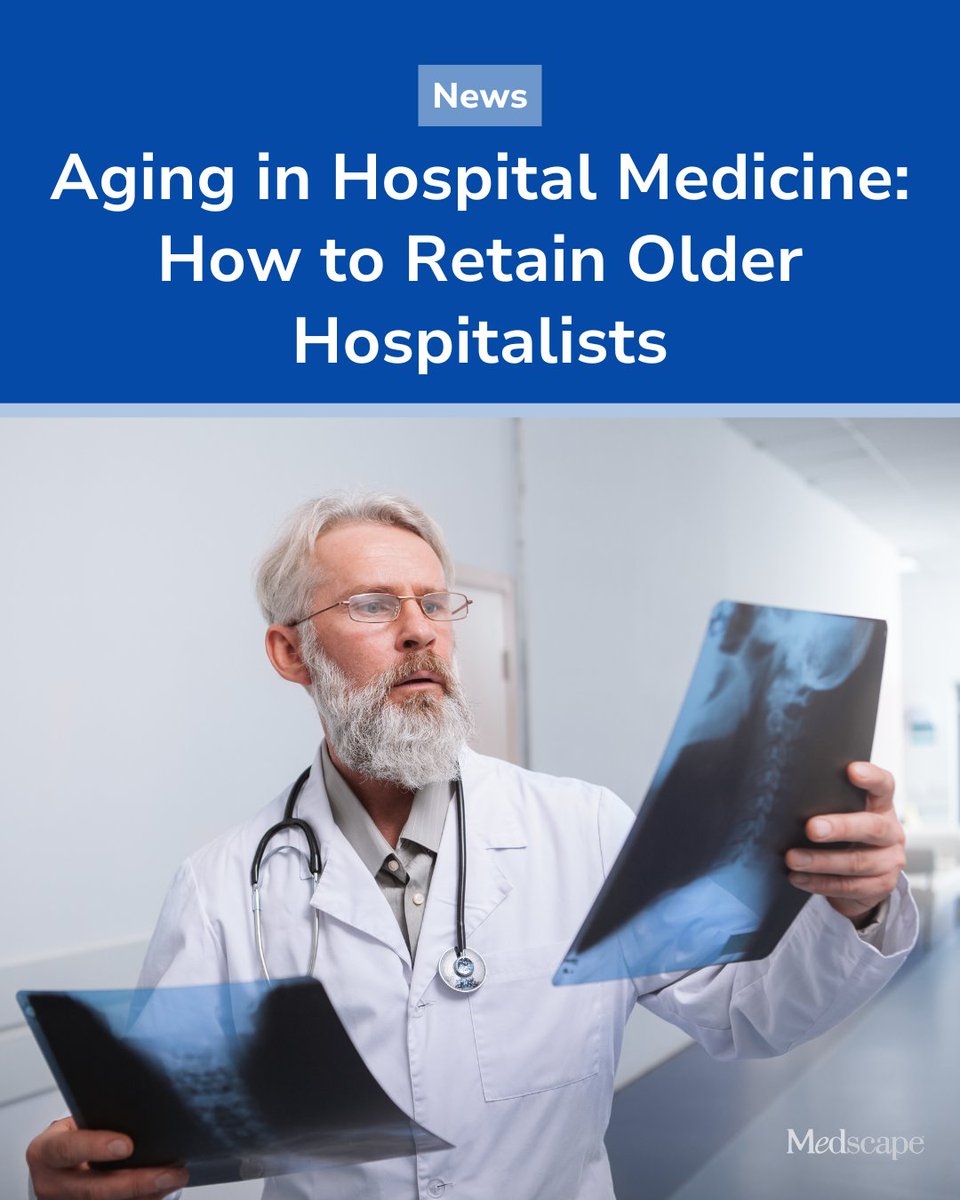
Physicians are drawn to hospital medicine for a number of reasons. The care is action-packed and involves a wide breadth of skill sets. The shifts are often followed by a number of days off, and once you leave the hospital, the workday is done. But as hospitalists age in the profession, these long days filled with acute care can be more difficult.
Hospital systems are trying different ways of retaining aging hospitalists who have an abundance of knowledge that isn’t easy to replace. Not to mention that onboarding new hospitalists and getting them used to the work takes time and resources. https://t.co/N24kgSnFRb
Med News: A new framework for defining and diagnosing #obesity has sparked debate among experts.
Find out more about how it could affect patient care:
https://t.co/QRvmlTt4Nj
According to a report in The Lancet, the new name, polyendocrine metabolic ovarian syndrome, or PMOS, was chosen by a global coalition of patients, clinicians, and medical organizations to better reflect the condition’s wide-ranging hormonal and metabolic impacts.
The focus on ovarian cysts has led to delays in diagnoses and fragmented care, while the new name aims to improve how the condition is detected, treated, and explained, the researchers said.
Symptoms of PMOS include irregular or absent menstrual cycles, infertility, pregnancy complications, excess hair growth, acne, anxiety and depression, weight gain, obesity, diabetes and other disturbances in insulin, and cardiovascular disease.
Tap the link to learn more about the transition to the new terminology. https://t.co/gvrIcsvJwC
High-dose vitamin D may delay or prevent the progression of prediabetes to diabetes, but only in people with certain polymorphisms in the vitamin D receptor, new research suggested.
“We identified a common variant in the vitamin D receptor that appears to influence the relationship between high-dose vitamin D and the risk of developing type 2 diabetes,” lead author Bess Dawson-Hughes, MD, senior scientist in the diet & chronic disease prevention for healthy aging research directive at the Jean Mayer USDA Human Nutrition Research Center on Aging at Tufts University in Boston, told Medscape Medical News. https://t.co/eXUsOeoQUk
La ginecología del futuro se construirá con criterio clínico, evidencia y formación real. #FormaciónMédica#GinecologíaRegenerativa
Universitat de Barcelona · 2026–2027
✔ 270 h presenciales
✔ Grupos reducidos
✔ Enfoque clínico avanzado
📩 [email protected]
High-dose vitamin D may delay or prevent the progression of prediabetes to diabetes, but only in people with certain polymorphisms in the vitamin D receptor, new research suggested.
“We identified a common variant in the vitamin D receptor that appears to influence the relationship between high-dose vitamin D and the risk of developing type 2 diabetes,” lead author Bess Dawson-Hughes, MD, senior scientist in the diet & chronic disease prevention for healthy aging research directive at the Jean Mayer USDA Human Nutrition Research Center on Aging at Tufts University in Boston, told Medscape Medical News. https://t.co/eXUsOeoQUk
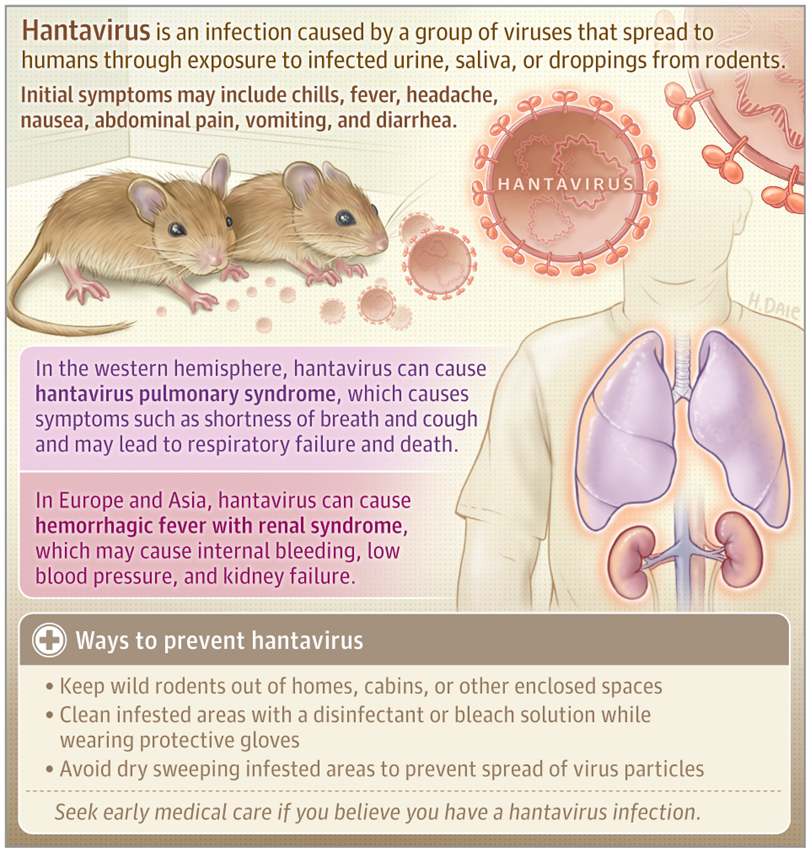
Hantaviruses are a group of viruses that spread to humans through exposure to rodents.
People typically develop #hantavirus infection from exposure to the infected urine, saliva, or droppings of rodents, usually rats and mice. The risk of infection is highest among people who clean, work, play, or live in spaces with infected dried rodent droppings and urine. Rarely, hantavirus infection can be acquired through rodent bites or scratches or by eating contaminated food.
📌 This JAMA Patient Page describes hantavirus infection and the syndromes it can cause, as well as treatment options and prevention measures: https://t.co/kWSaqYta1g
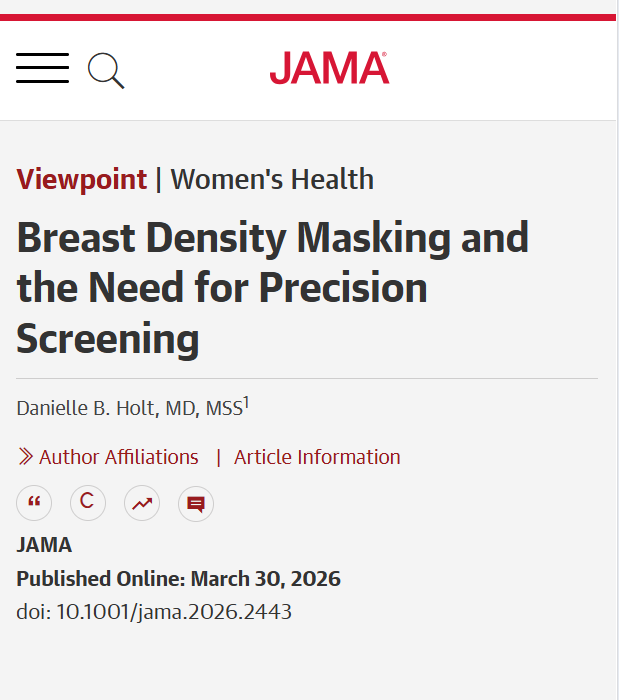
💬 Viewpoint: Breast density increases cancer risk and reduces #Mammography sensitivity, but access to supplemental screening like #MRI and ultrasonography remains limited, creating disparities in early #BreastCancer detection.
https://t.co/D8RSn14jYe