Digital Yoknapatawpha is a group of international Faulkner scholars who have mapped the places, people, and events in the author's mythical Mississippi county.
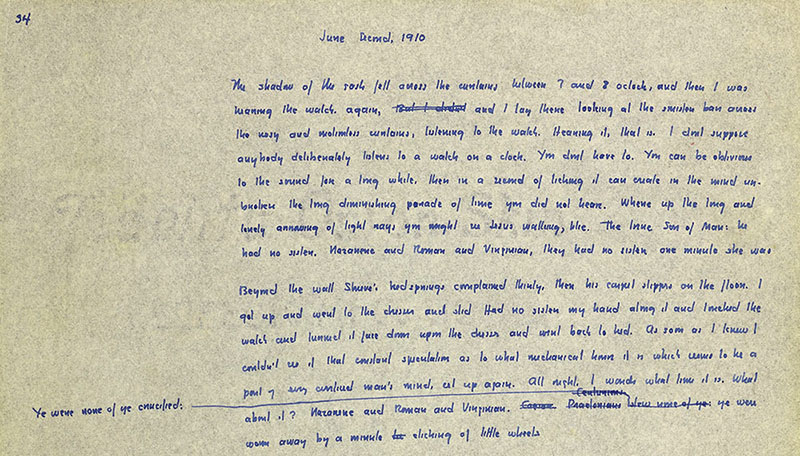
June 2, 1910, is the date of Quentin's section in THE SOUND AND THE FURY. Extant manuscripts and typescripts show Faulkner's struggle to begin the section. The earliest ms, for example, gives no hint that Quentin is in Massachusetts. See more here: https://t.co/10TWXSAhcc
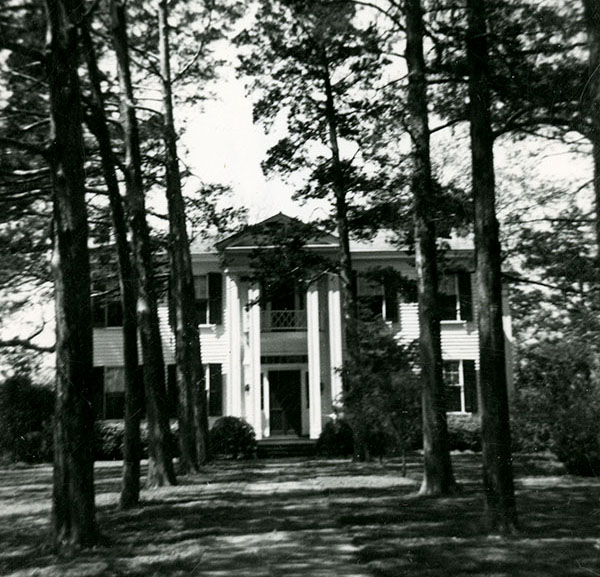
ON THIS DATE: On April 12, 1930, Faulkner bought the antebellum plantation house he named Rowan Oak and lived in for the rest of his life. This 1949 photo was taken by someone in Oxford for the making of the movie version of INTRUDER IN THE DUST. https://t.co/Ngr3cSY5zg
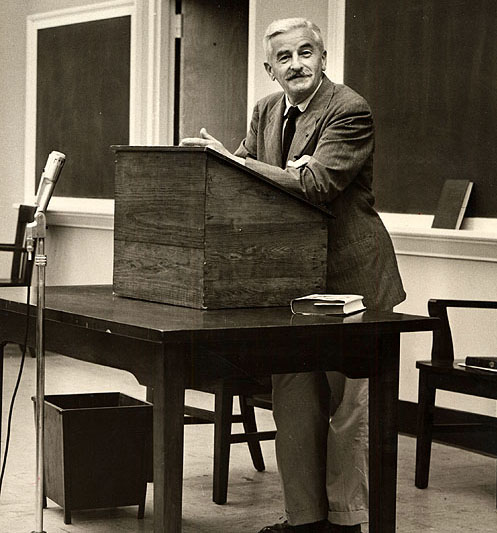
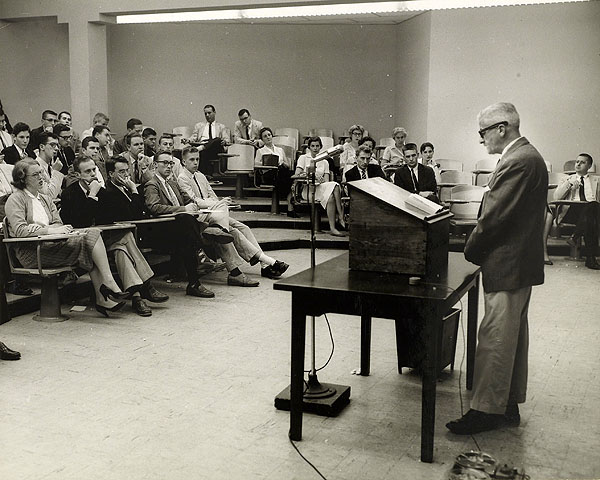
#OTD: The last section of THE SOUND AND THE FURY takes place on Easter Sunday, April 8, 1928. Faulkner read the novel's account of the service in the black church, including the sermon Rev Shegog preaches, on his last day as Writer-in-Residence at UVA. https://t.co/VLKwqyLMxh
"April Seventh, 1928," the title and date of the opening section of THE SOUND AND THE FURY, is both the Saturday before Easter and Benjy Compson's 33rd birthday. At UVA in 1957, Faulkner was asked about the symbolic significance of the dates in the novel. https://t.co/DFxfz70NLb
CALL FOR PAPERS: "William Faulkner and Louise Erdrich" conference, Oct. 22-24, 2026 at Southeast Missouri State University. Deadline for 20-minute paper abstracts is May 15, 2026. Undergraduates are welcome to submit. More info at the conference website https://t.co/BEAJDIvutN
Also ON THIS DATE: "April Sixth, 1928," the third section of Faulkner's THE SOUND AND THE FURY takes place. Narrated by Jason Compson, it is Good Friday. Use DY's Limit By Section option to explore just that section's Locations, Characters and Events. https://t.co/O9vInBNFwM
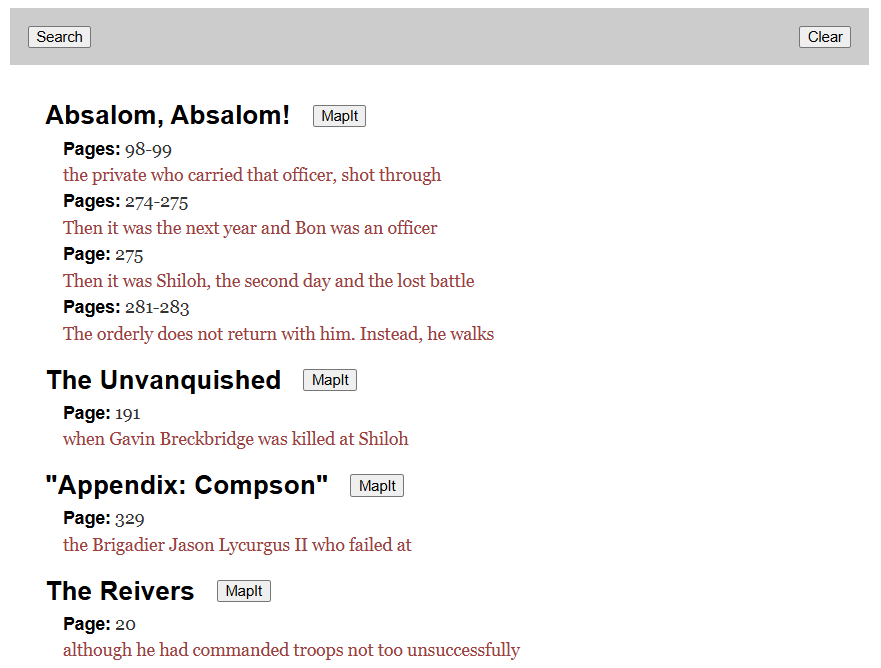
ON THIS DATE: On April 6, 1862 the 2-day Battle of Shiloh began. In Faulkner's fiction, this is where General Compson loses an arm and either Henry Sutpen or Charles Bon is wounded. The Tennessee battlefield is only about 100 miles from "Yoknapatawpha." https://t.co/uORPZOkdYo
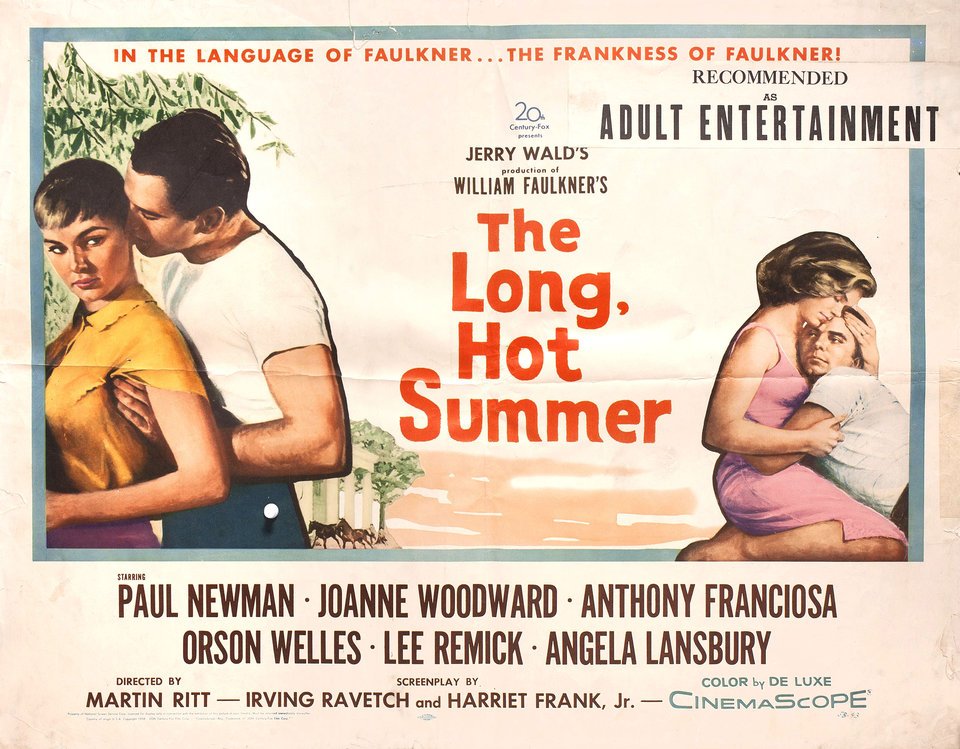
ON THIS DAY, 12 March 1958, THE LONG, HOT SUMMER - the film version of THE HAMLET, starring Paul Newman - was released. In April Faulkner was asked about it, but told the UVA audience he was not a "moving picture man," despite all his time in Hollywood. https://t.co/d1Ka3fAzYm
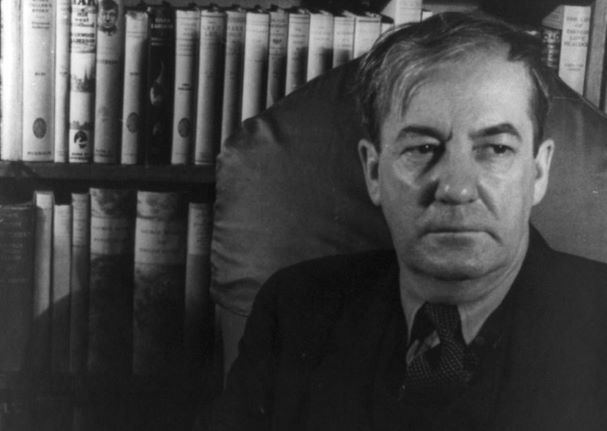
Sherwood Anderson, best known for WINESBURG, OHIO, died on this date, March 8, in 1941. Faulkner met him in New Orleans in 1924, and as he told a UVA audience in one of his many tributes to the older writer, Anderson became a major influence on his career. https://t.co/oV5cgbnf5y
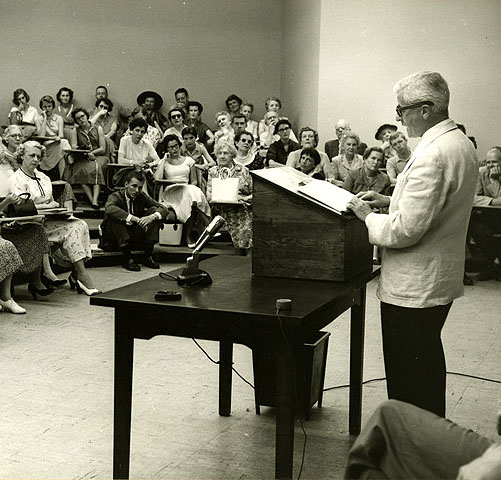
ON THIS DAY, 7 March 1957, Faulkner read a half-hour excerpt from "Spotted Horses" to UVA's English Club. The story dates back to 1926, and was first published in 1931, but he read from the version in THE HAMLET (314-27, 333-37). https://t.co/tNcx7XFSiA
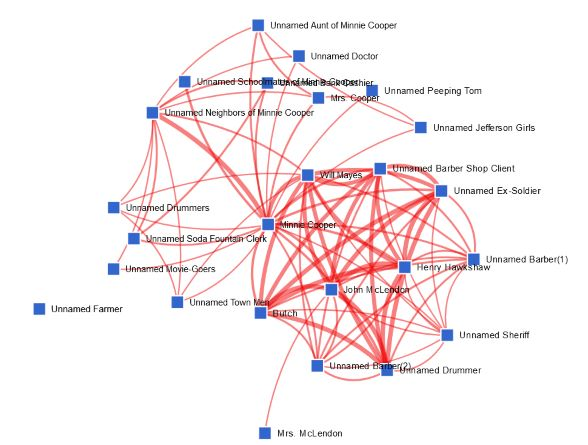
DY's force directed graphs also provide ways to explore how gender organizes social space and defines relationships in Faulkner's world. Note how segregated is the cluster of men in "DRY SEPTEMBER" from the "women" they claim to be defending. https://t.co/92Rp1dlBo0
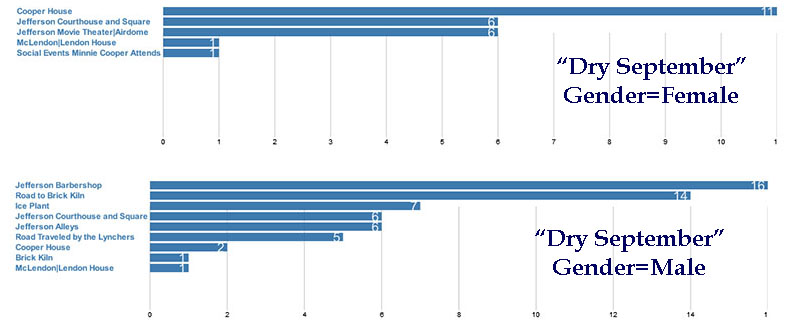
DY's Character-Events graphs can help you explore the place women occupy in Yoknapatawpha. Here: where Gender=Male and Gender=Female are Present in "DRY SEPTEMBER" - one of the texts where men and women seem to occupy almost entirely distinct spheres. https://t.co/kxQtw783ea
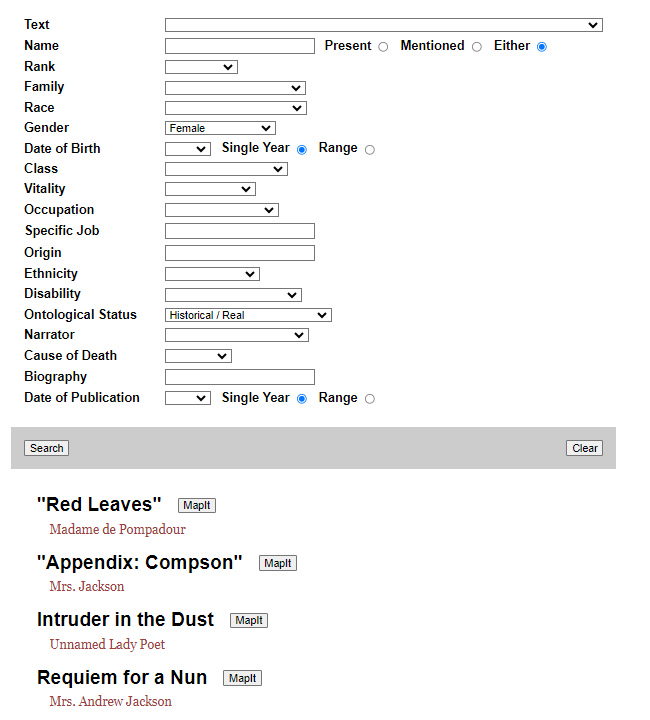
March is Women's History Month. A DY character search reveals dozens of real life or historical male characters in Faulkner's fiction but only three women in four texts, including an "unnamed lady poet" who is almost certainly Djuna Barnes. https://t.co/MFmYnVKv45
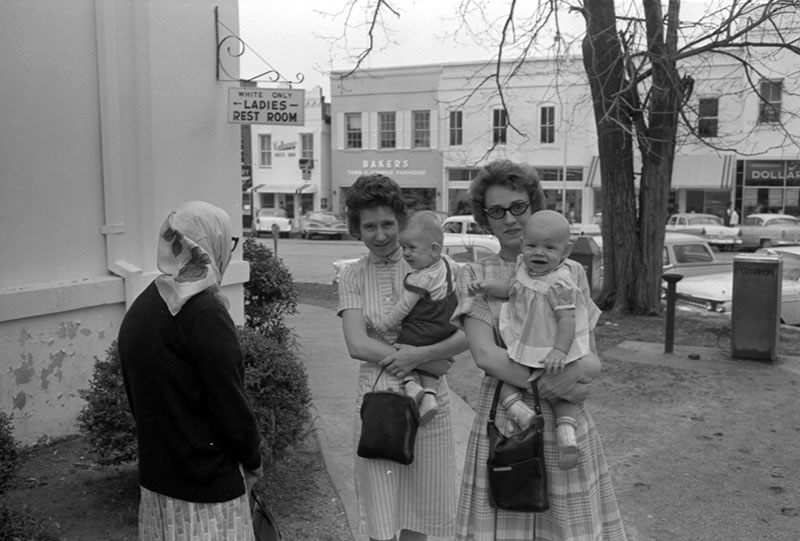
PHOTO OF THE MONTH: This picture of "Oxford Square" was taken by Martin J. Dain in 1961. The unidentified women are on the grounds of the courthouse at the center of the Square. https://t.co/wGkbh0FvQp
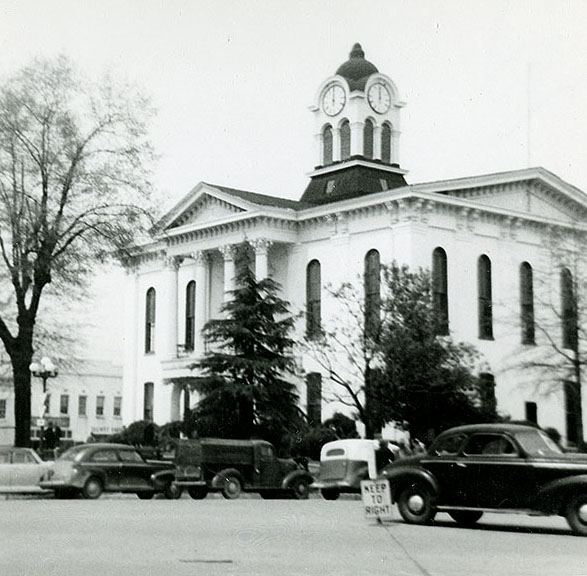
PHOTO OF THE MONTH: This view of the Square was taken in 1949 by someone in the crew that came to Oxford to film INTRUDER IN THE DUST. The "Keep to right" sign wasn't there in 1928, when Luster is driving Benjy at the end of THE SOUND AND THE FURY. https://t.co/EQxRLRuimV
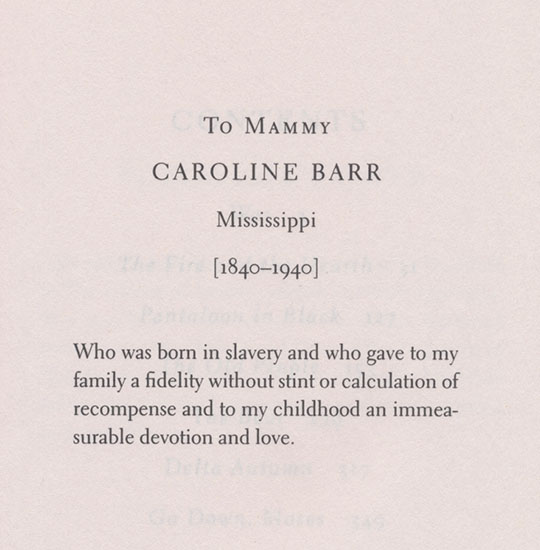
ON THIS DAY, Jan. 31, 1940, Caroline Barr Clark died in Oxford. Born into slavery, she was "Mammy Callie" in the Falkner family that William grew up in and later in his own Faulkner family. He gave the eulogy at her funeral, and dedicated GO DOWN, MOSES (1942) to her.
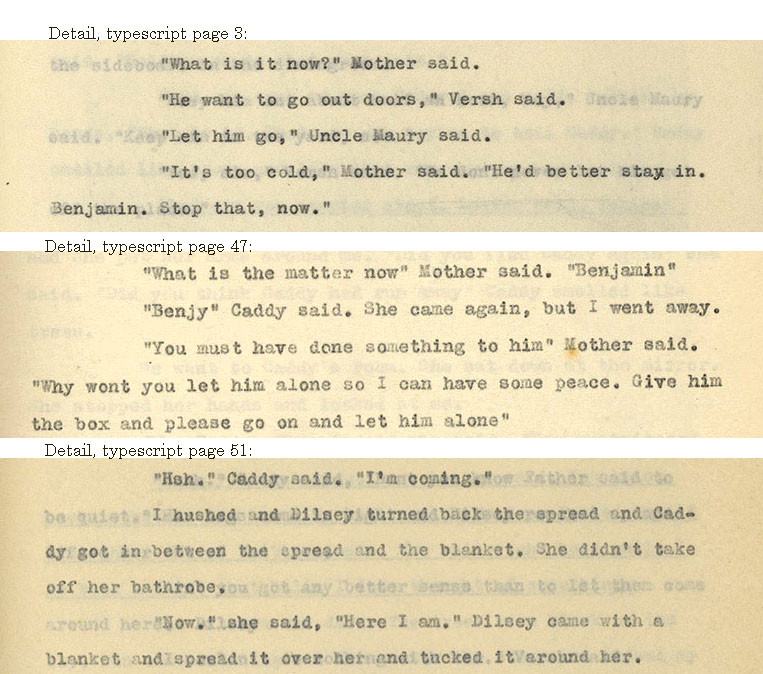
As Noel Polk was the first to note, even as Faulkner typed the ms of THE SOUND AND THE FURY, he was trying out different punctuation schemes to represent Benjy's thinking, as you can see by comparing these samples. The 3rd one is how the novel has it. https://t.co/10TWXSAP1K
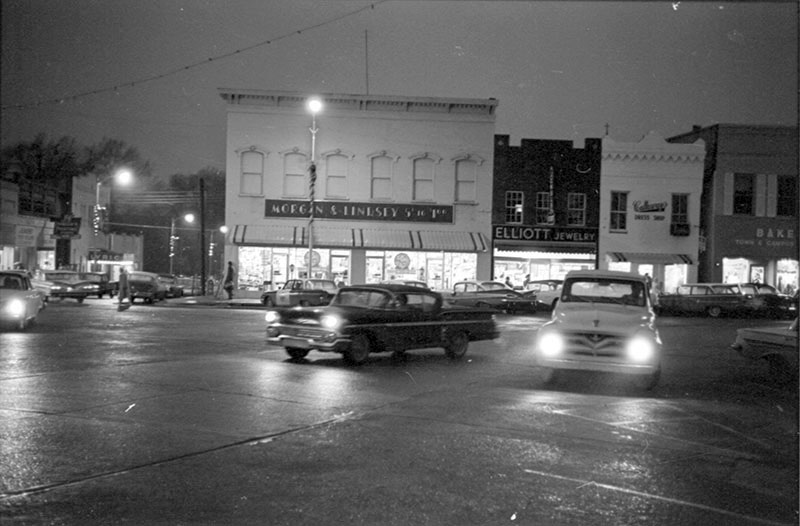
PHOTO OF THE MONTH: There's no month or day attached to this 1961 Martin J. Dain photo of Courthouse Square in Oxford, but it looks dark and wintry enough for the end of December - in Mississippi, at least. https://t.co/IcZ8suKKu5
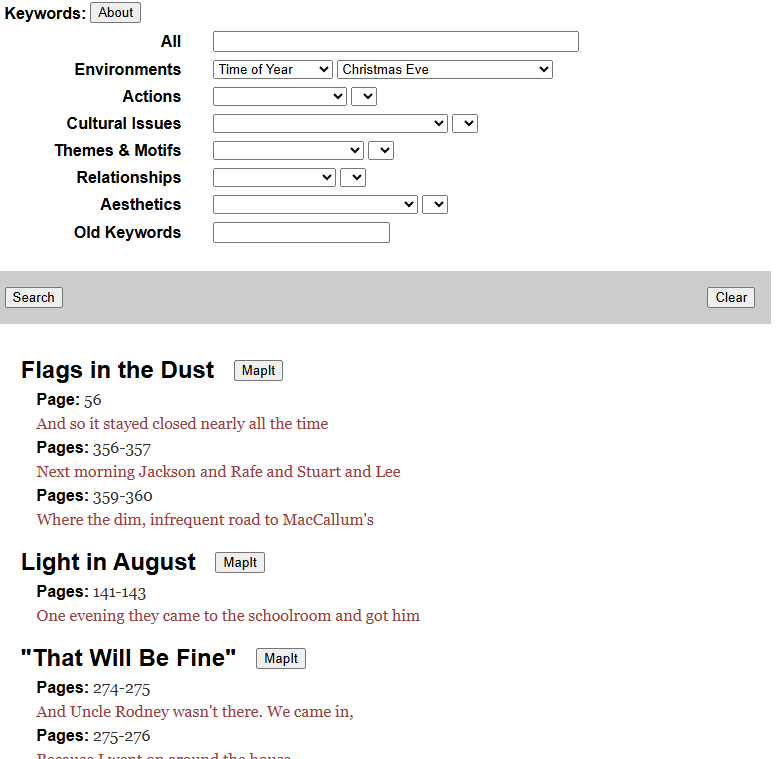
ON CHRISTMAS EVE 1860: Henry Sutpen renounces his patrimony to leave home with Charles Bon. ~1895: a baby left outside a Memphis orphanage is christened Joe Christmas. 1919: Bayard Sartoris spends his last night in Yoknapatawpha in a Negro family's barn. https://t.co/wZu8o154WA
In "That Evening Sun," Nancy is terrified that Jesus might come back - her violent boyfriend Jesus, that is. At UVA Faulkner explained why he named the Negro "Jesus." (When H.L. Mencken published the story, he changed the name to "Jubah.") https://t.co/SKghgr3EtB