Because dissemination shouldn’t end when a project or event ends. What matters now is that this knowledge continues to be used, shared and put into practice.
👉 Explore the Digi4MSK resources: https://t.co/wVB6iFgk4G
#Digi4MSK#MusculoskeletalHealth#SelfManagement
The conversation doesn’t end in Zaragoza.
The #Digi4MSKCongress brought three years of collaboration, learning and discussion together in one place — but the resources created throughout the project are here to stay.
🩺 Access educational materials on self-management, red flags, motivation and musculoskeletal health literacy.
📊 Dive into the project reports and evidence generated throughout Digi4MSK.
Missed the #Digi4MSKCongress — or want to revisit a session? 🎥
Our final Congress in Zaragoza is now available on YouTube. Hear from researchers, healthcare professionals and experts discussing musculoskeletal pain, self-management, health literacy and person-centred care.
🎉 After 3 years of collaboration, #Digi4MSK has come to an end with an inspiring International Congress on the future of musculoskeletal health.
📍110 attendees on site
💻440 online participants
▶️980 live-stream views
💙 And that’s a wrap on the #Digi4MSKCongress!
After a full day of learning, discussion and exchanging perspectives, the Digi4MSK Final Congress comes to an end.
Most importantly, thank you for the questions, conversations and ideas shared throughout the day. This Congress was about bringing evidence closer to clinical practice — and doing it together.
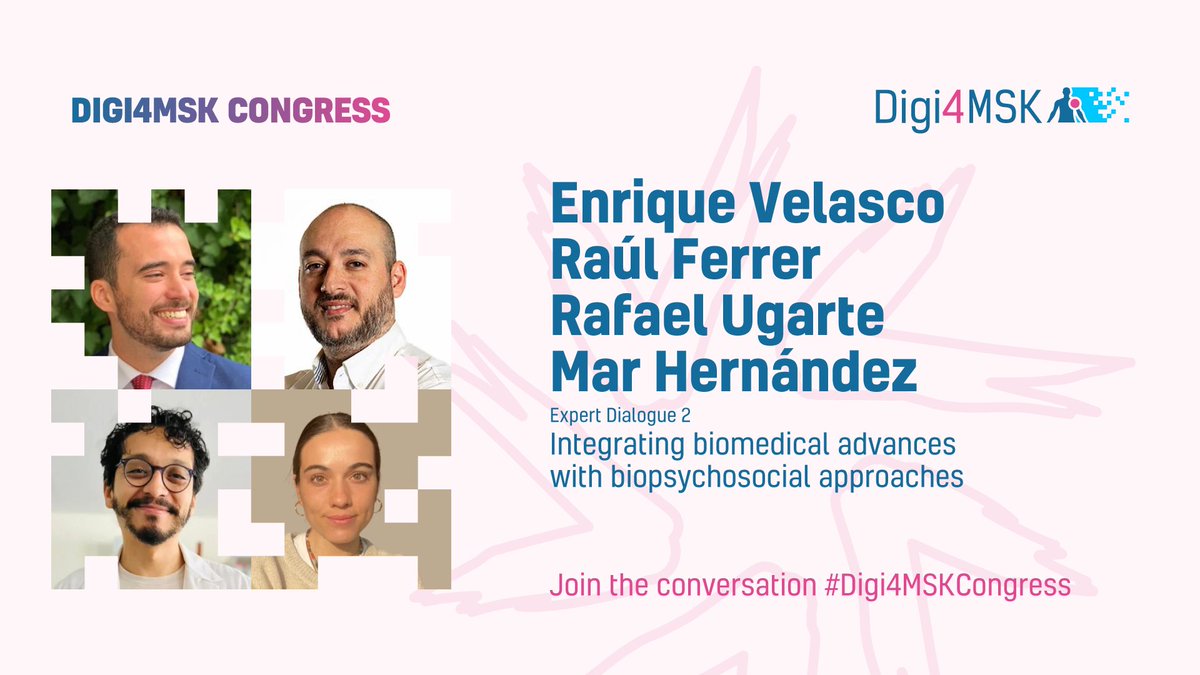
Enrique Velasco, Raúl Ferrer, Rafael Ugarte and Mar Hernández are now sharing their perspectives in our second Expert Dialogue of the afternoon.
🔴 The discussion is happening now — join us live from Zaragoza on the Digi4MSK YouTube channel.
https://t.co/zCko8bg3Vo
💬 One final expert dialogue at the #Digi4MSKCongress.
How can biomedical advances and biopsychosocial approaches come together in musculoskeletal pain care?
🎤 We’re back at the #Digi4MSKCongress!
The afternoon programme begins with our first Expert Dialogue: “The patient’s journey after discharge from therapy.”
Raquel García Tarrazo, Federico Montero, Raúl Ferrer, Mercè Balash and Laura Barrero come together for a conversation around what happens after therapy ends and the patient’s journey continues.
🧩 We know pain is influenced by biological, psychological and social factors. But how do we actually bring all 3 into clinical practice?
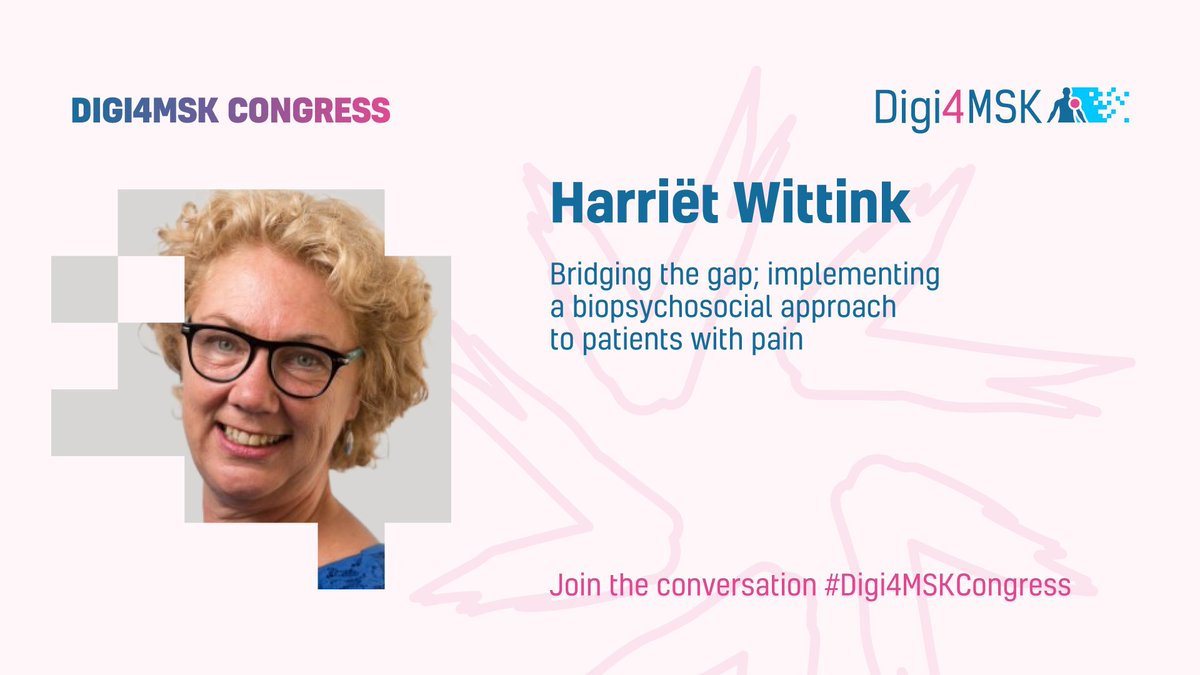
Dr. Wittink is now addressing this at the with her session “Bridging the gap: implementing a biopsychosocial approach to patients with pain.”
Through clinical cases, discussion and role-play, Harriët will explore practical ways to consider patients’ beliefs, emotions and social context alongside physical symptoms — and use this information to provide more individualised, person-centred care.