Researching how children and young people use and are affected by technology in their everyday lives.
EU funded H2020 project with Grant Agreement No 870548.
👀"Developing children and young people’s broader digital access and social competences can support their agency as digital citizens, new research shows"👀
Read more here about DigiGen's top headlines before our #DigiGenEurope final conference tomorrow
https://t.co/msaU273oUN
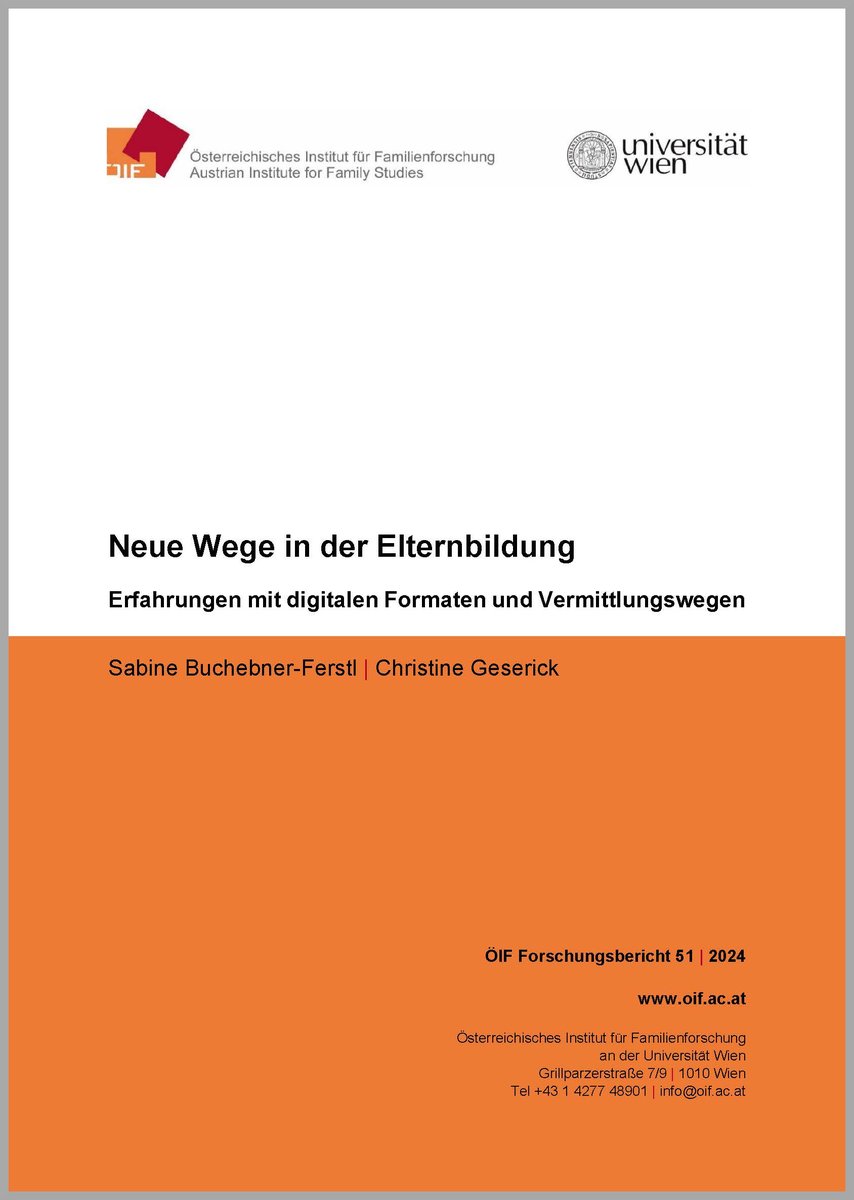
Neue Wege in der #Elternbildung – Studie von Sabine Buchebner-Ferstl & @chrigeserick zeigt die Erfahrungen mit digitalen Formaten & Vermittlungswegen und gibt Empfehlungen für deren Weiterentwicklung. #Digitalisierung
➡️https://t.co/IgUp1vxEFp
“In an interview with the Observer, Rubæk said: “On the surface it seems like they care, they have these expert groups and so on, but behind the scenes there’s another agenda that is a higher priority for them.”
#Instagram’s failure to remove #selfharm https://t.co/1R2VDhDN3K
📢‼️We are thrilled to announce that our DigiGen book Understanding The Everyday Digital Lives of Children and Young People is now out. This Open Access publication is available here: https://t.co/PvpRCPtr6D
@OsloMet@EUhorizon2020@OpenResearch_EU
Our @ride_hiof researcher @ilka_nagel has published a new article as part of her PhD work.
Teacher educators’ professional agency in facilitating professional digital competence https://t.co/wO31EjalE6
Today @SpuravaGuna presented @ySKILLS_eu focus group findings on young people’s ability to understand algorithmic logics in media platforms in Belgium, Czech Republic and Finland as part of their overall media literacy #IAMCR2023
The video 📽️"Have you been invited to participate in research? Then you should watch this film." is a resource for researchers (or teachers) working with children (License: CC-By-NC-SA). It's avaiable in 13 (!) languages. What about yours?🐔🙃#ethics
👉 https://t.co/bvOZ5NmuQS
Our @DigiGenEurope member @LouiseMifsud2 is leading a new project that aims to develop knowledge about teaching, learning and assessment processes of Computational Thinking (CT) in Nordic teacher education and school. We look forward to hearing more from her and the team.
Facilitating for computational thinking across educational arenas - summing up from a great conference
https://t.co/mCoPb1uN5z
@OsloMet@EduSciHelsinki @HiInnlandet @kbhprof@forskningsradet
Our paper "The multiple roles of media use within the family system during lockdown: A thematic analysis of parental reports from the UK" has just been published! Read it here: https://t.co/ZMmIighjBk @SalfordUniNews@SalfordPsych@Gemma_Taylor1
Are children skilled enough for the digital world?
@LeendHaenens "we have found that communication and interaction skills are vital" to decrease the risk of being exposed to harmful content. https://t.co/1cArNoiVdh
📢Just out, our coordinator @HallaHolmars has contributed to an article:
Investigating the effects of ICT use with children and young people as research partners| Results in brief | H2020 | CORDIS | European Commission out in six languages @CORDIS_EU
https://t.co/9ybdIJliwP
💻Join our first Breakfast Bytes of 2023 to gain insights into the digital realities of #children & young people and learn more about how we can support them to become active #digital citizens.
Date: 8th February
👉Register here: https://t.co/HS8GIdQLOA
📢Our researchers have been busy over the holidays. One more article by @ayllonsara @HallaHolmars and @SamuelLF11 focusing on Digitally Deprived Children in Europe is now published. The open access article is now available here: https://t.co/ZNo2lTGuYV
📢 Looking for something new to read in 2023. Take a look at the latest article from our researchers focusing on the family.
Children’s Vulnerability to Digital Technology within the Family: A Scoping Review https://t.co/lJYBz8T8hJ #mdpisocieties via @Societies_MDPI