Today, in Target's parking lot:
GUY: Sign this petition for Voter ID?
ME: Do I have to show ID to sign it?
GUY: No.
ME: So how do you know I'm a voter?
GUY: We verify name, address, and sig via the voter registry.
ME: You just explained why Voter ID is not necessary.
The area of countries giving and removing adequacy for data transfers to and from other countries is getting active.
Key recent updates to keep an eye on:
1️⃣🇬🇧considering adequacy for 🇺🇸🇦🇺🇧🇷🇰🇷& others
2️⃣🇪🇺finalising 🇰🇷
3️⃣🇪🇺cautiously progressing 🇺🇸#PrivacyShield2
4️⃣🇺🇾removed 🇺🇸
DPC launches two inquiries into TikTok concerning compliance with GDPR requirements relating to the processing of childrens’ personal data and transfers of data to China https://t.co/wxyS4HaSnl
People ask me what I think will happen ... I still think stalemate by end of fighting season in Oct ... but feels increasingly risky to stick to that prediction.
Our partners @cis_india write about sexual and reproductive rights in India, including about how large-scale data infrastructures are on the rise. This is resulting in the datafication of the reproductive health environment
https://t.co/J8wSNcGcPT
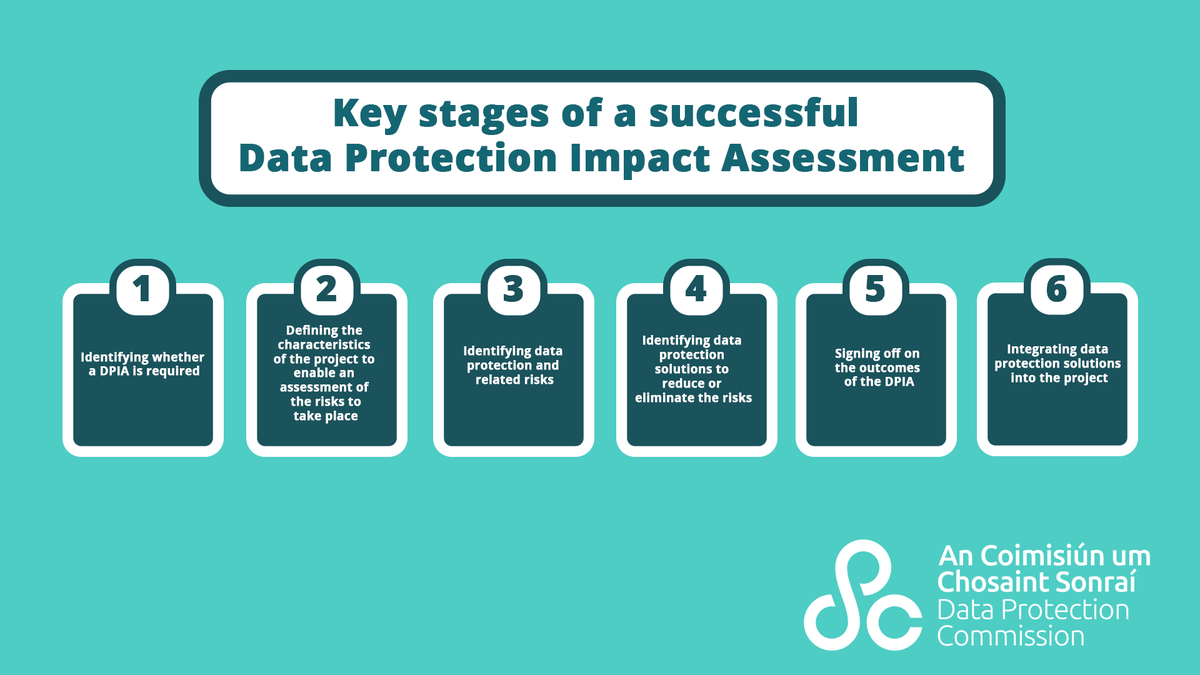
Although there is no one prescribed approach to take, the following steps can guide you through the process of a successful DPIA. For more information on the key stages to a successful DPIA, read our guide to Data Protection Impact Assessments https://t.co/WKd3uXoBv6
The steady drumbeat of pressure on #DPCIreland continues to mount. EU tells Irish data protection commissioner to make a decision on WhatsApp inquiry
https://t.co/qJL56KiKEu
It is a certainty that we all, eventually, will face this question, and as I said in the article, you can't consent when you are dead: What Should Happen to Our Data When We Die? https://t.co/zYsMxdvmlJ
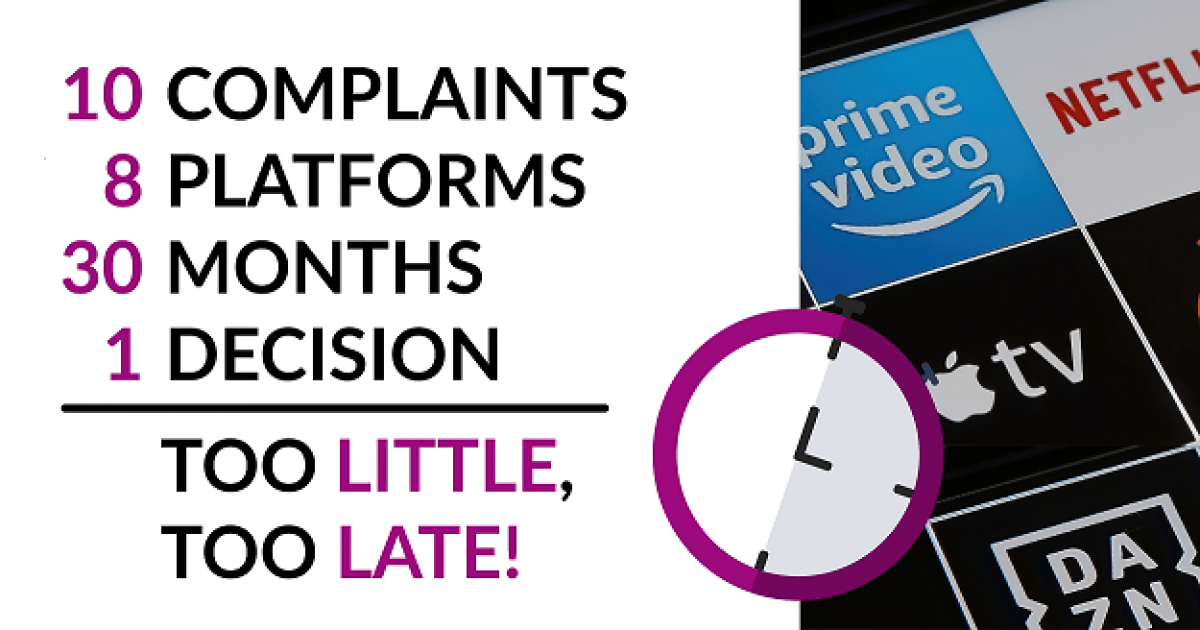
In January 2019 we filed complaints against eight streaming services for not responding properly to an access requests. Two and a half years later, the lack of GDPR compliance remains apparent: merely one of the eight complaints was resolved.
More here: https://t.co/n7H00R1oK4
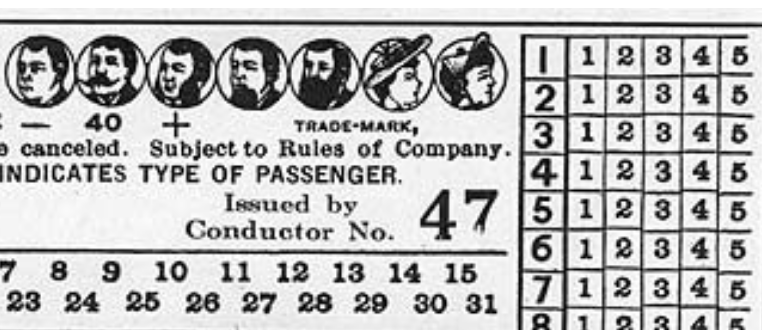
The original face recognition was the Hollerith photo punch card, for train ticket authentication, 1887.
It 'recognised' a handful of different person-types: 5 types of men with different facial hair, 2 types of women with different hats. Tag yourself!
https://t.co/FJglRtR7EI