Lecturer at King's College London. Researching decolonisation in the digital age. Based in London after several years living, working & studying in South Africa
What might a decolonized archive look like? How can we begin designing this anarchive? Join us to explore these ideas through the Amagugu Ethu/Our Treasures project at @acmdis2021. Preview live here: https://t.co/P7R7H2fF8U
@Hannahtrnr
@clararchiving
"Britain is...having trouble recognizing the dispossession of stolen artifacts, among other calls to offer amends for historical wrongs."
https://t.co/aI0TS82zJF
Remember all that chatter a year ago about COVID levelling society?
Well, now BANKERS (yes, those people that caused the last global crisis) are also exempt from UK COVID restrictions along with football fans and UEFA...
https://t.co/yT49SbP083
Missing my kid's first ever sports day this week b/c rising COVID rates mean no spectators allowed. Makes sense. BUT I *would* be allowed to cram myself into a packed stadium to watch a bunch of men who don't know or care about me kick a ball around🤔
@tavmos Blame the patriarchy. If mothering and all it entails were recognised as the labour it is, women wouldn't feel the need to prove they were being productive in other ways.
Hoping these looted American artifacts turn up on display in Baghdad's National Museum of Iraq and are kept there indefinitely for protection as well as for the cultural viewing pleasure of locals.
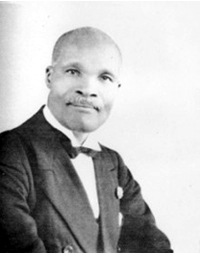
Today's story by Luvuyo Ndzuzo is about the writer SEK Mqhayi.
Samuel Edward Krune Mqhayi (SEK) was a South African intellectual (poet & writer) who was grounded in his tradition. He was born near Alice in the late 19th century, under the shadows of Hogsback Mountains. (1/4)
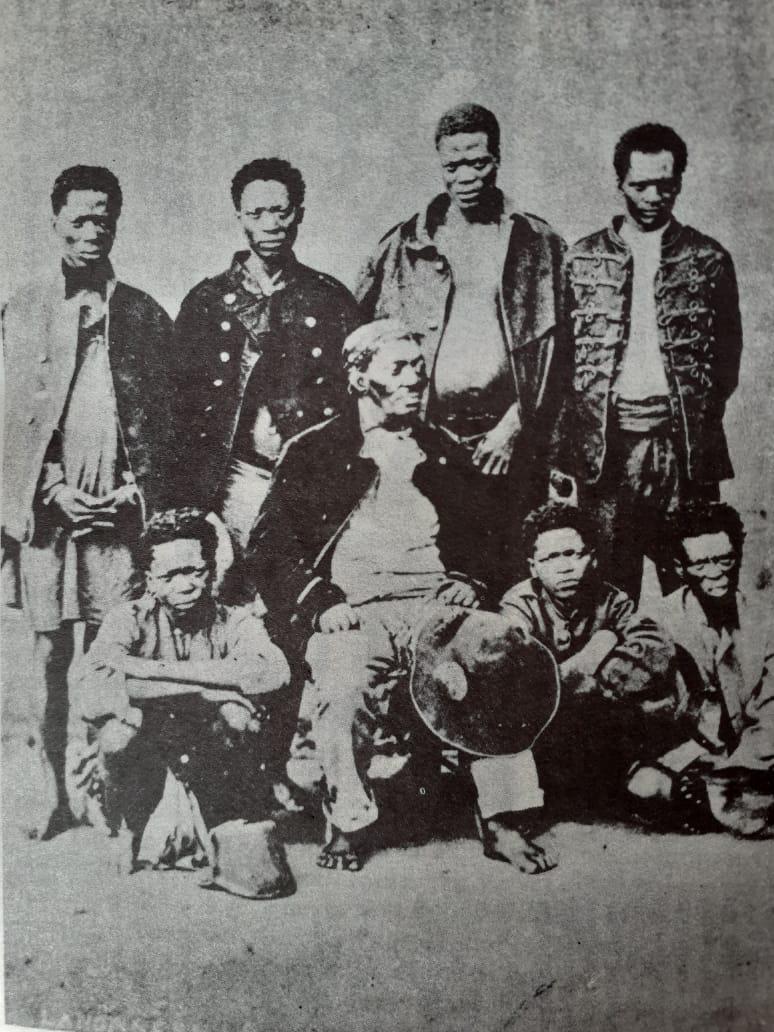
Part 2 of King Langalibalele's remarkable story by Muzi Hadebe.
Following the arrest, Langalibalele and his son Malambule were banished to Robben Island, where Mandela and other comrades were later imprisoned. (1/5)
The barefoot, dressed-down man at the centre of this photo may not look formidable here, but he once ruled the powerful Hlubi people of South Africa, fathered seven sons, and owned 15000 cattle.
This is Part I of the story of King Langalibalele by Muzi Hadebe... (1/3)
Are non-violence and diplomacy overlooked in South Africa's history at the expense of heroes like ZK Matthews? Part 2 from @AyandaNombila and @100_storyafrica
The story of ZK Matthews, part 2.
1943: ZK chaired the African National Congress conference to discuss the Atlantic Charter. Here, the ANC wrote the Africans Claims, arguably the most important document in in South Africa's struggle for democracy alongside the Bill of Rights.
Yes! "Whilst many of us imagine the digital to be heralding in a new era of accessibility to collections, many digital projects in fact reconstitute older techniques of visualisation, reinforcing previous technological and teleological frameworks."
Long before #decolonisation became a buzz word, South African anti-apartheid activist and intellectual ZK Matthews was outlining his vision for decolonising African knowledge:
This is the story of Zachariah Keodirelang Matthews.
Not many people know about this man, even though he made some of the most important intellectual contributions to South Africa’s non-racial democracy…
The story of Vicenti King, PART TWO
So-called apprenticeships often lasted longer than 14 years. The so called "Prize slaves" like Vicenti, were treated little better than the Cape slaves.
The story of Vicenti King, an enslaved person.
Vicenti King, was called a “prize slave,” arrived in the Cape of Good Hope in the early 19th century. A notice in the Cape of Good Hope Gazette on 1 June 1827 said Vicenti was an indentured labourer based at the Company Hospital.
In the final part of @mukeni28's history of Mukabi, the musician meets a brutal end while his musical legacy lives on (in English and Luhya, an East African indigenous language):
The final part of @mukeni28's history of music legend George Mukabi (English version):
The late Mukabi died in 1963 in tragic circumstances on his in-law’s land. It is said he was butchered by the people from his in-law’s village after a family dispute involving his wife. (1/6)