The CIA director just said the quiet part out loud... listen closely:
"We deployed both human assets and exquisite technologies that no other intelligence service in the world possesses." - John Ratcliffe.
https://t.co/PmHwvGQYe7
a civilization got invaded, occupied, and nearly erased.
so someone carved 3,000 years of their kings, queens, and warriors into 16 concrete pillars on a hilltop. floor to ceiling. bronze. overlooking the sea.
so nobody could delete them.
it's called the Chronicles of Georgia.
🇺🇸 JFK: “There is nothing more unfortunate than to have soft, chubby, fat-looking children.”
There was no such thing as “fat shaming” in 1962. 😂
https://t.co/2fKSaS6YKs
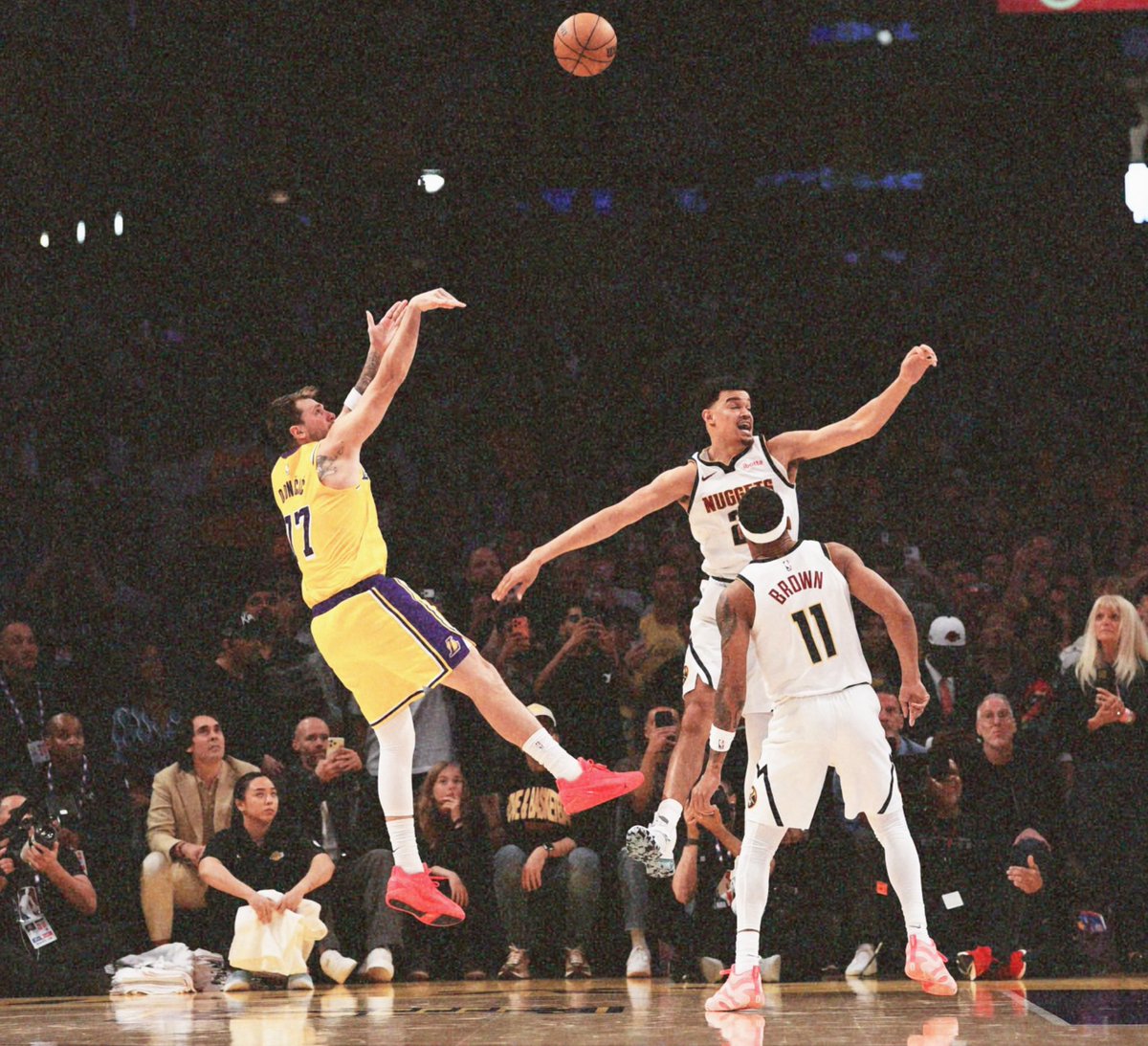
WHAT A GAME ‼️
Smart gives LAL the lead with 46.8.
Hardaway Jr. responds with a 3.
Reaves forces OT 😲
Gordon puts DEN ahead by 1 in OT.
Smart answers with a 3.
Jokić ties it at 15.1.
Luka hits the go-ahead shot at 0.5.
LAKERS WIN THEIR 5th STRAIGHT 🔥
I think the primary difference between the past and the present is that, in the past, it really felt like you were using an expensive and premium product when you actually used it. Human perception tends to equate visible effort with value. When effort disappears, value becomes harder to feel, even if it objectively increased. we are surrounded by products that are technically superior to those of the past, yet they rarely feel as premium.
Earlier, premium objects often carried evidence of effort. You could sense the craftsmanship, the mechanical complexity, or the material richness. Now much of the sophistication is hidden inside software, microchips, and invisible engineering. The product might be far more advanced, but the experience feels almost too effortless, as if the difficulty has been erased from view.
The world has become more refined, but also more homogeneous. When excellence becomes common, it stops announcing itself.