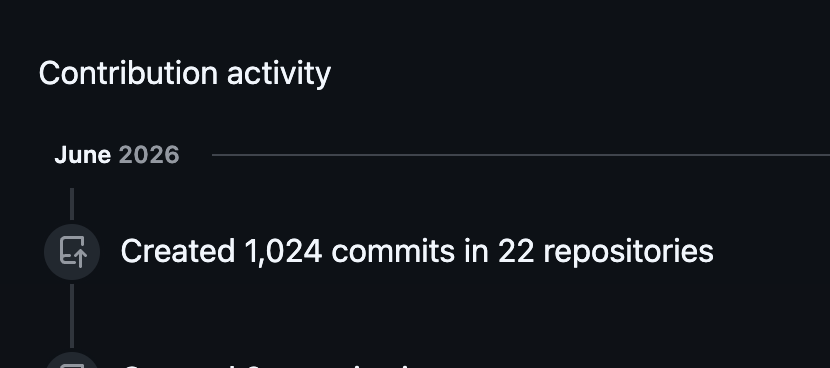
3 months ago I built an AI engineer that lives inside Slack.
Today, people from Tech, Design and Product at Newton School @-mention it like a teammate.
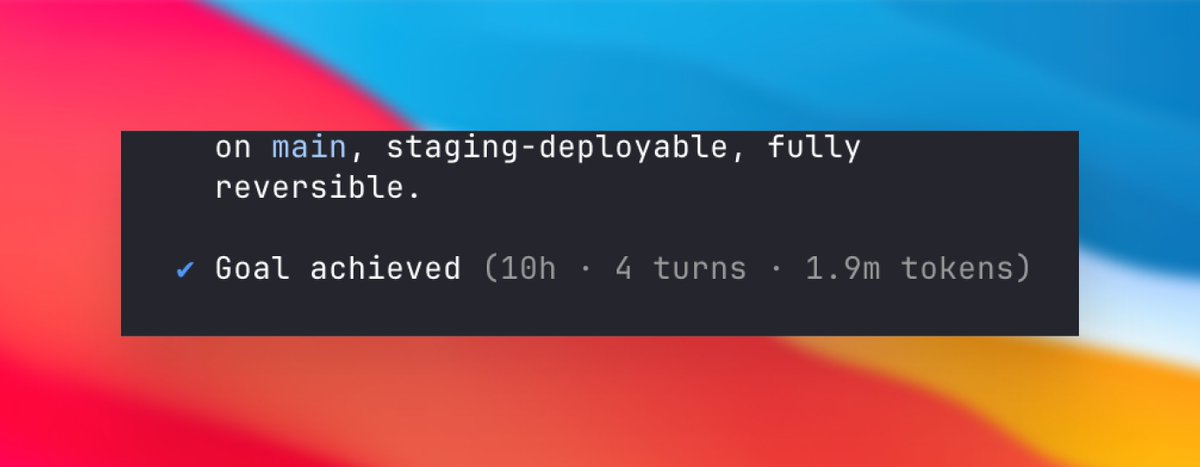
1,040 jobs run. ~$1.55 each. Built solo.
Here's the story 🧵
Been using AgentFlow for the past couple of days, and backend heavy tasks suddenly feel way easier to ship.
Architecture reviews are smoother, and the best part is you actually know what’s going to get built before it gets built.
Crazy work @cybersaksham 🔥
do you waste time scolding agents for the garbage they shipped because you don’t have the attention span to read the plan?
that’s why @cybersaksham built agentflow.
it’s a skill for your existing ai agent that puts architecture review before implementation.
here’s how it works:
describe a feature or share a prd with your agent.
the agent creates visual database models and end-to-end flowcharts, including decisions, database writes, and async jobs.
review the proposed changes and comment directly on a field, node, or connection.
ask your agent to address the comments. it updates the proposal and tracks what’s resolved.
once you approve, the agent creates an implementation plan, builds it, and checks the result against the approved architecture.
for existing features, you review the diff, not the entire architecture again.
everything lives in your repository: architecture, comments, rules, and memories of earlier decisions. the skills adapt to your stack, with generic and django-specific support today.
you keep talking to your agent. agentflow gives you something concrete to review before it starts.
https://t.co/H4POTilpmU
new skill: /lighthouse-max
Increase the lighthouse score of your website/portfolio to it's maximum for a seamless experience; also works insanely well if you've recently shifted from framer to code
→ https://t.co/QhKNnsPWGf
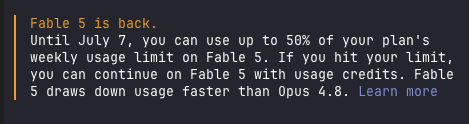
My Claude limits just got refreshed. I now have 100% of my Fable quota for the next 24 hours. Thinking of trying something wild with Fable.
Any suggestions are welcome!
#Fable#Claude#Anthropic
> Shifted my entire website off framer to code
> Created a skill for anyone who wants to do the same
Install: npx skills add iamshubhransh/framer-to-code
There are two skills inside this (normal/pure convert)
Just paste your framer website's URL and let it run
Or write 'pure conversion' if you want the agent to automatically choose the hard conversion skill which completely removes the framer's renderer engine as well
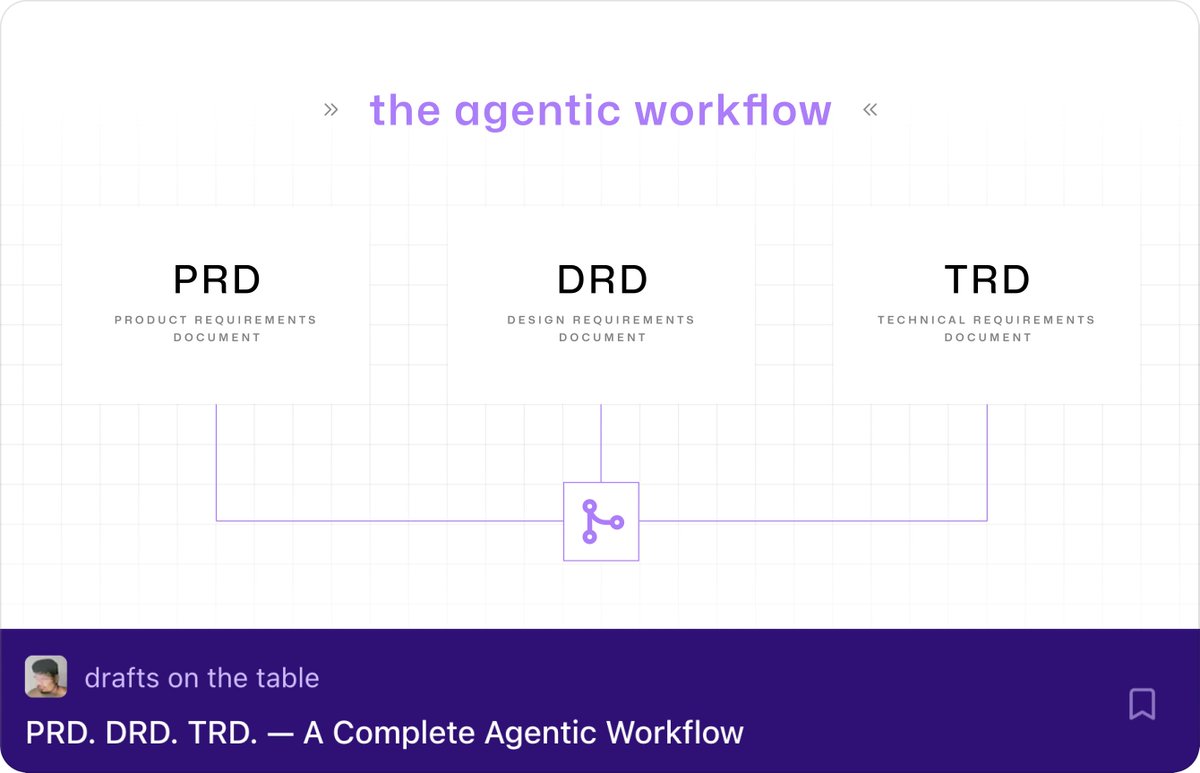
→ Wrote about how I got the complete agentic workflow running for Product, Design & Tech teams and how I built a scalable & modular workflow which can incorporate bits and pieces anywhere in the process, whenever we want.
A lot of stuff was thought through and discussed behind the scenes and I used AI to sum it up as much as I can here, would love to know your thoughts here 🪴
Read: https://t.co/m66GVDeCNp
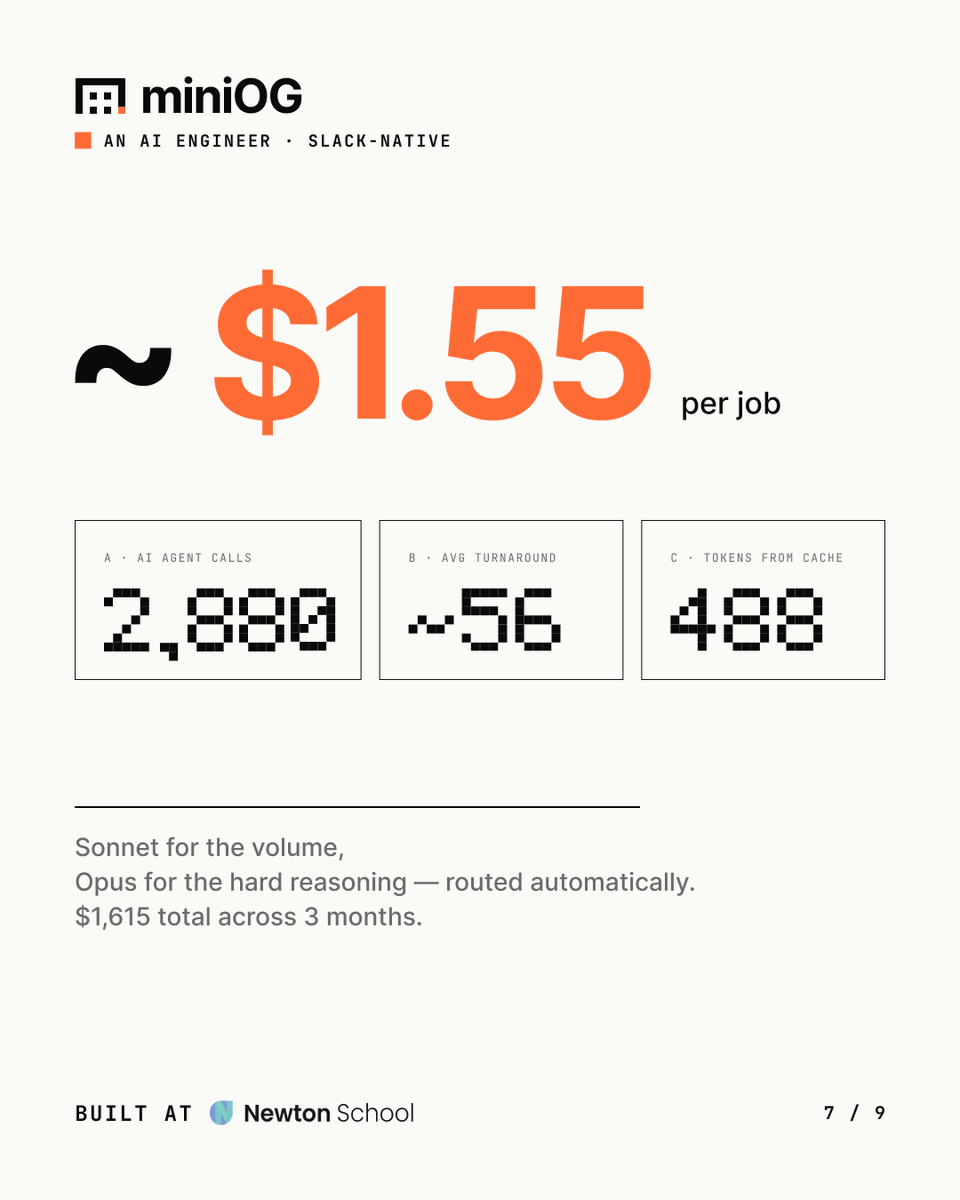
The economics are the wild part:
~$1.55 in AI cost per job. $1,615 total.
488M tokens served from cache. Sonnet for the volume, Opus for the hard reasoning routed automatically.
3 months ago I built an AI engineer that lives inside Slack.
Today, people from Tech, Design and Product at Newton School @-mention it like a teammate.
1,040 jobs run. ~$1.55 each. Built solo.
Here's the story 🧵
Under the hood it isn't one prompt doing everything.
It's a pipeline of specialist agents — planner → coder → reviewer → security → performance → verifier — each one checking the last.
Claude performed much better on some projects than others, so I started digging into what it had actually learned over time. Reading 100+ memory files manually was painful, so I built a visualizer.
Runs 100% locally. Nothing leaves your machine.
Just do : npx claude-code-viz
Your team doesn’t have a productivity problem.
It has a “missed Slack message” problem.
So I Built Watchtower to fix that.
It listens, understands intent, and runs workflows.
Slack mentions shouldn’t be notifications.
They should be actions.
https://t.co/Ro3xz9Swp7