DisCo is the Disruptive Competition Project: a project to promote disruptive innovation and competition. Breaking News on Breaking Stuff. Powered by @CCIAnet.
While debates over tech sovereignty and ‘Buy European’ policies intensify in Brussels, it is imperative for policymakers to focus on ensuring that new laws enhance, not hinder, Europe’s competitiveness and long-term security.
https://t.co/KZwjg850cP
While the goal of combating online piracy is universally supported, Spain’s approach perfectly illustrates the dangers of blunt infrastructure-level blocking and privatised enforcement without judicial oversight.
https://t.co/DTu036bfqe
Since early 2025, LaLiga (Spain’s top-tier football league) has been operating an aggressive and largely unchecked IP-address blocking regime in an attempt to tackle sports piracy.
The research suggests that AI, deployed in ways that extend human expertise, can help deliver higher wages, new careers, better products, and higher living standards for workers and consumers alike.
https://t.co/5FSD2IC6NN
Amid #AI debates often shaped by fear or speculation, two new MIT studies offer something genuinely useful: a measured, data-grounded picture. The future of work is changing, but change is not the same as decline.
GPS has today become an invisible backbone of the economy, hile there will always be a need for GPS to exist as a public service, commercial Position, Navigation, and Timing (PNT) technologies have proven to be highly effective in augmenting GPS services.
As Congress considers the GUARD Act, policymakers face a critical juncture in tech regulation. The proposed legislation introduces a fundamentally flawed regulatory architecture that risks stifling American leadership in #AI while undermining user privacy. https://t.co/GP4FtNf9Y2
In a world where a single product can be a patchwork of global components or a vintage item missing its paper trail, country-of-origin verification is a determination online marketplaces are neither equipped nor situated to make.
Promoting accurate “Made in USA” claims is important. However, assigning the responsibility to intermediaries that lack access to supply chain data may create significant compliance burdens and unintended consequences for sellers and consumers.
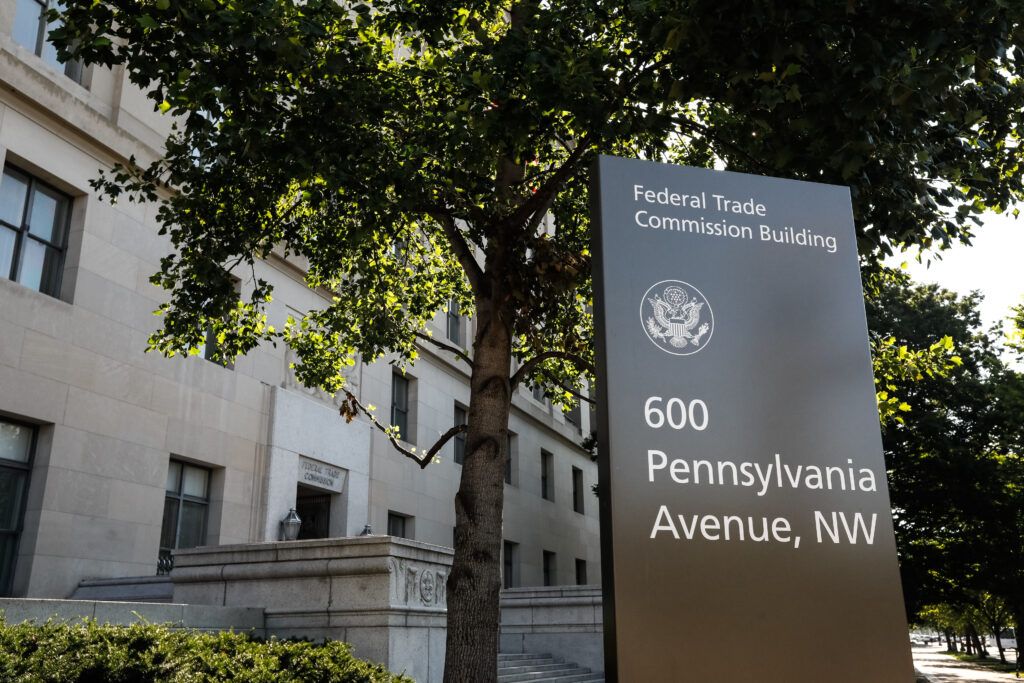
When the agency reveals the remedies it intends to seek, consumers will be able to judge what the case is actually about: whether the FTC is looking out for them, or for Amazon’s competitors.
https://t.co/1cvO0p833E
We're approaching a deadline set by Judge John Chu ordering the FTC to provide “each and every remedy and form of relief” it intends to seek in its monopolization case against Amazon. By May 1, the FTC must finally reveal if it wants to break up Amazon.
Mexico’s highest court is expected to rule in the coming weeks in a seminal case brought by an aggrieved lawyer over a post on Google’s Blogger service that could affect free expression online and the viability of websites that host such speech. https://t.co/2obovHB1AL
Space-based data centers have attracted growing interest in recent years, prompting significant attention to the technical and policy challenges associated with their development. Less discussed is another policy question at the intersection of #Space infrastructure and #AI.
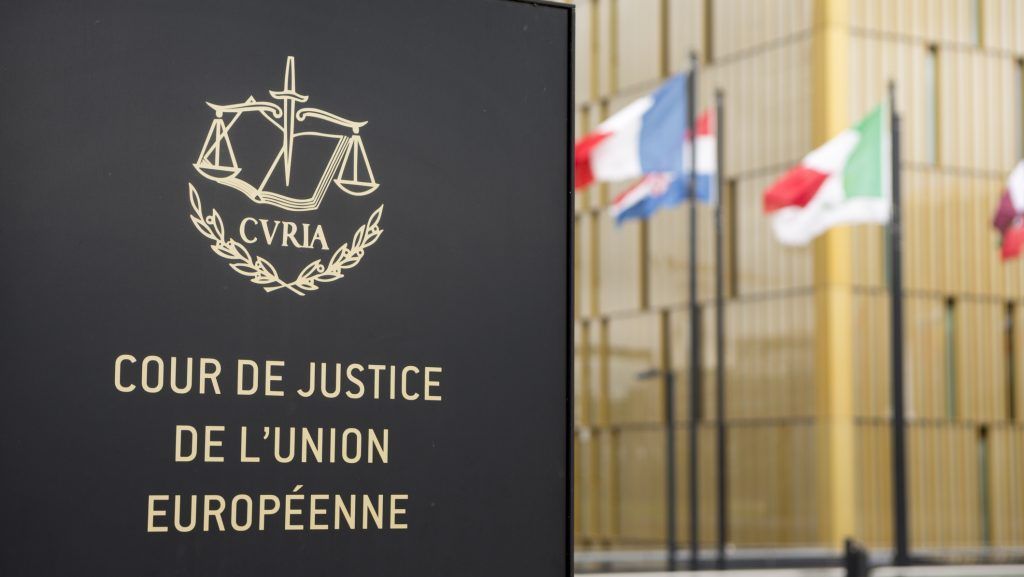
Tomorrow, the Court of Justice of the European Union will hold the first public hearing in the ‘Like Company v. Google Ireland’ case. This case represents the Court’s first real engagement with the intersection of generative AI and copyright. Learn more: https://t.co/PgdOnl7KS5
Section 230 is not a free pass for digital services to do as they please; it is a key pillar of the internet’s function of connection and communication.
https://t.co/1WIdzRcNz0
This month marks 30 years of Section 230 of the Communications Act, a fundamental yet misunderstood Internet law. Section 230 is often mistakenly referred to as a “get-out-of-jail-free card,” “blanket immunity from liability,” or “nearly impenetrable legal perimeter.”
For thirty years, Section 230 has played a central role in protecting free expression online, weakening it would force businesses to manage speech differently, often deferring to the preferences of whatever political regime is in charge.