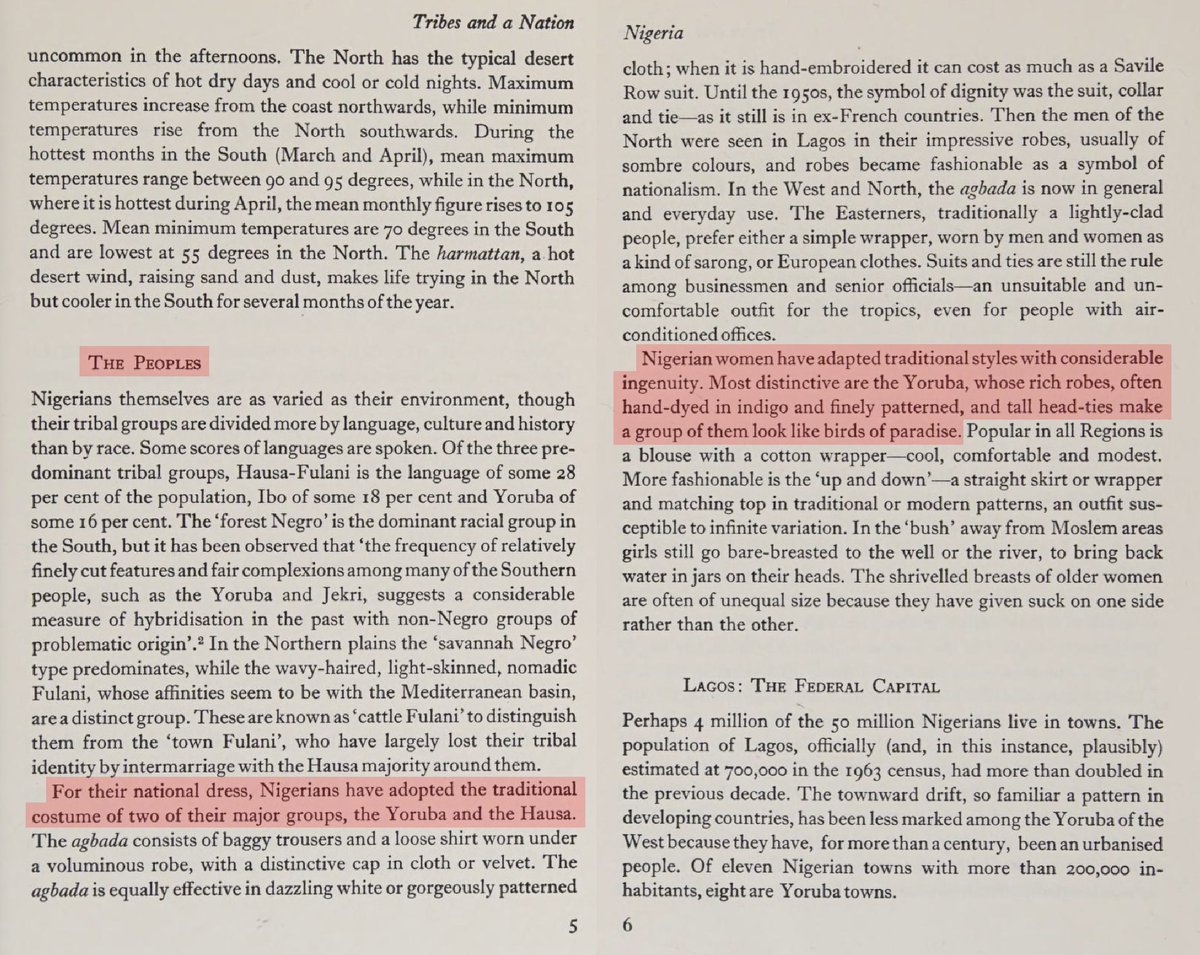
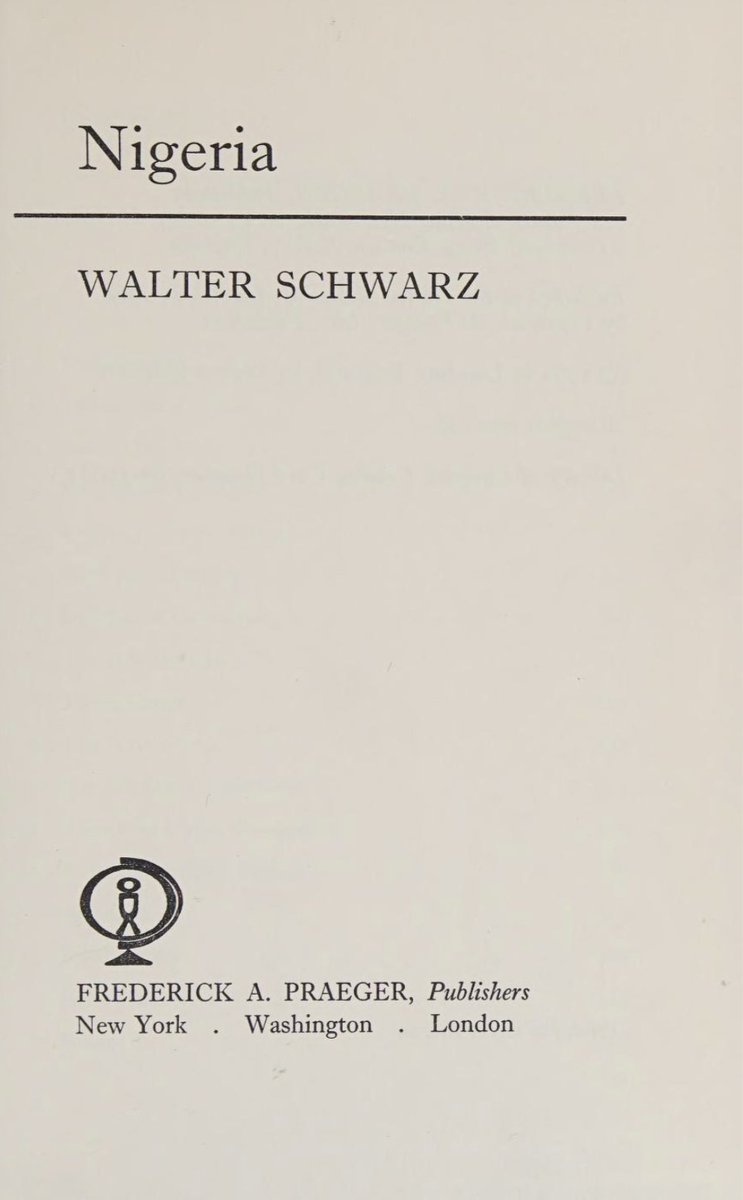
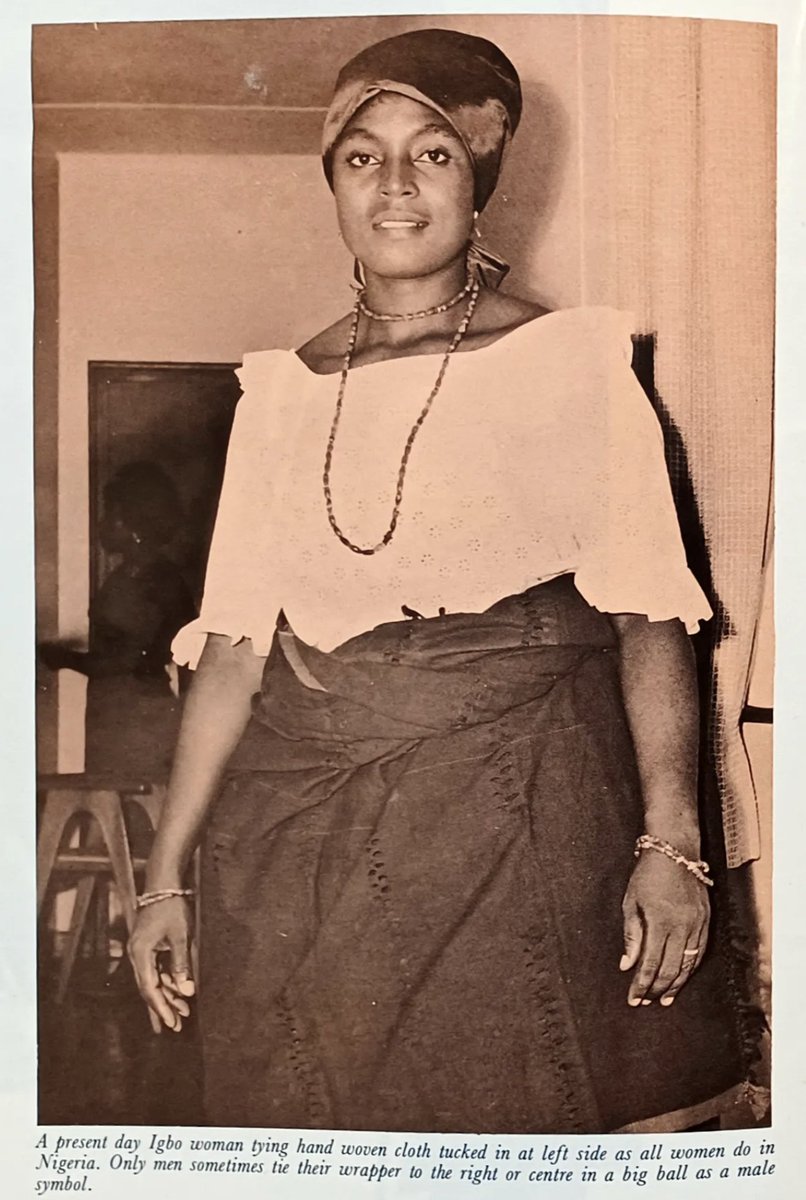
Documented by Walter Schwarz, a British journalist and author, he observed that the traditional attire of the Yoruba and Hausa had become the basis of Nigeria's national dress. He also noted that by the 1960s, women from other ethnic groups had adopted the Yoruba womens gele.
You are indeed the m0r0n that Ẹdo-Benin people say you are, if truly you have no clue what 'òǹdó' breaks-down to. Anyway, free education time:👇���
ÒǸDÓ [noun]
ÒǸDÓ = Ò + Ǹ + DÓ
Ò → Nominalizing prefix.
Ǹ →Third-person S P-T inflectional prefix.
DÓ = To settle, to inhabit, to found, to encamp.
Thus, ÒǸDÓ=The one/s who found a settlement
.
.
.
Since you’re a bit slow, below are everyday cases
ÒǸTAJÀ=Ò + Ǹ + TAJÀ=The one/s who sell[tajà]
ÒǸRAJÀ=Ò + Ǹ + RAJÀ=The one/s who buy[rajà]
ÒǸTẸ̀ = Ò + Ǹ + TẸ̀ = The one/s which stamp[tẹ̀]
—————
What else you got to be debunked next? Hurry up
THE IFẸ̀ EMPIRE: Cartographic Evidence, ca.1375
"𝗢𝗥𝗚𝟯𝗡𝟯", depicted on a 1375 Spanish 𝘁𝗿���𝗱𝗲 𝗺𝗮𝗽 in between 𝗚𝐈𝗻𝗬𝐈𝗔 (to its NW) & 𝗻𝗬𝗕𝐈𝗔 (to its NE).
REFERENCE:
Abraham Cresques' "Catalan Atlas", (circa 1375).
—————
The "𝗚𝐈𝗻𝗬𝐈𝗔" is identified (from A. Dulcert's 1339 map) as "Rey Melly". Thus, 𝗚𝐈𝗻𝗬𝐈𝗔 := Mali Empire.
.
.
This "𝗻𝗬𝗕𝐈𝗔" is depicted with its king clad in light-green attire, seated right next to a circle of water.
The Europeans' belief at the time of this map was that the River Niger [which actually run past Mali] continues to flow into the Lake Chad; & that from Lake Chad flows the well-known White Nile river.
This belief is obvious in this 1375 "Catalan Atlas": The River Niger flows into the Lake Chad, and the White Nile flows from the Lake Chad, all the way into the confluence of the Blue and the Red Niles. The Red sea can be seen to the east of the three.
As such, this "𝗻𝗬𝗕𝐈𝗔" captures the Kanem-Bornu Empire which is centered around the Lake Chad.
.
.
The "𝗢𝗥𝗚𝟯𝗡𝟯" is depicted as seated on the Niger river. This, for a 𝘁𝗿𝗮𝗱𝗲 𝗺𝗮𝗽, shows domination of the then "international water", or the "glass road"
In light of all available evidence put together, only the Ifẹ̀ sovereigns meet these criteria all at once:
• Situated between Mali (to NW) & Borno (to NE).
• Dominated the River-Niger maritime, mercantile axis with its dichroic & translucent glass product.
• Made use of the historic name "𝗢̣𝗴𝗵𝗼̣𝗲̣𝗻𝗲̣" which is still extant for him (in certain Yoruba areas) as: "𝗢̣𝗴𝗵𝗼̣𝗻𝗲̣" (in Usẹn & Ugbò) & as 𝗢̣𝗴𝗵𝗲̣𝗻𝗲̣ (in Bini).
.
.
.
𝗙𝗥𝗔𝗠𝗘𝗦 𝟭 & 𝟮: Two Pages of The "Catalan Atlas"
𝗙𝗥𝗔𝗠𝗘 𝟯: Distribution of Ifẹ̀'s glass, with the River Niger emerging as the dominant mercantile-axis.
𝗙𝗥𝗔𝗠𝗘 𝟰: Portion of Mali on the 1339 Dulcert Map
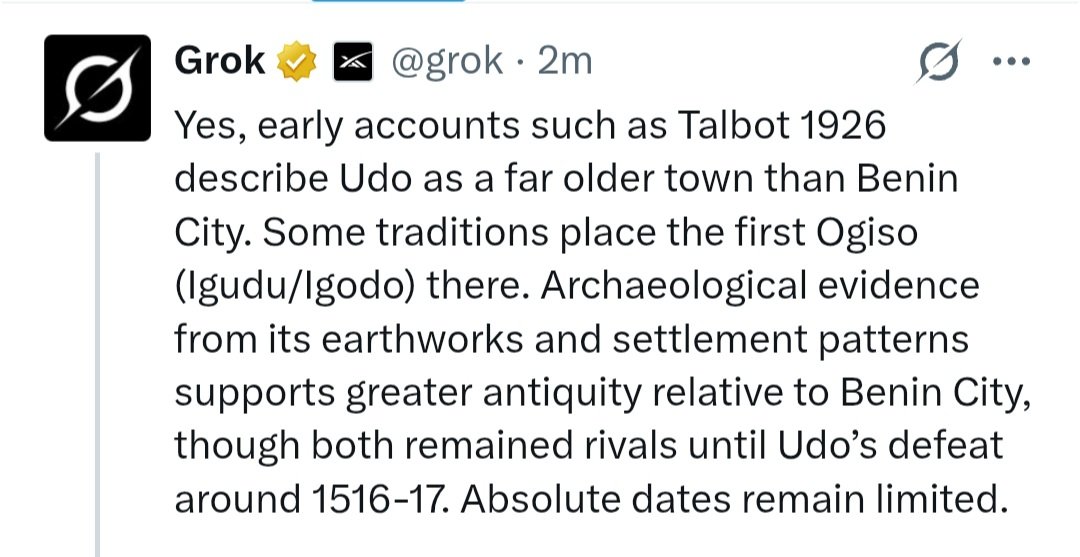
THE OGISO, THEIR IFE ORIGIN, AND THE INVITATION OF ORANMIYAN.
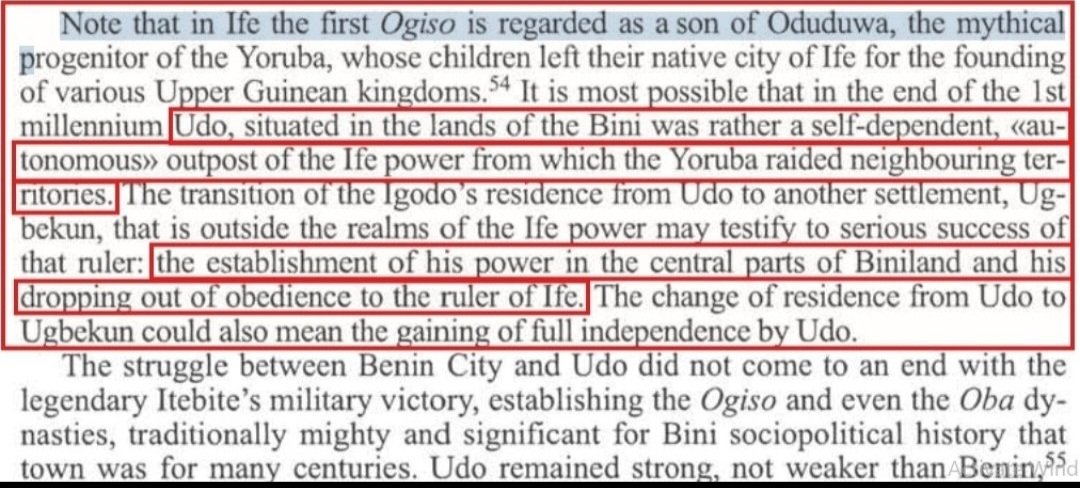
Why did Benin’s chiefs turn to Ile-Ife after the breakdown of the Ogiso monarchy? The historical interpretation presented in these excerpts offers an explanation: Ife was already connected to the origins of their early royal institution. Their appeal to Ife could therefore represent a renewal of an older relationship.
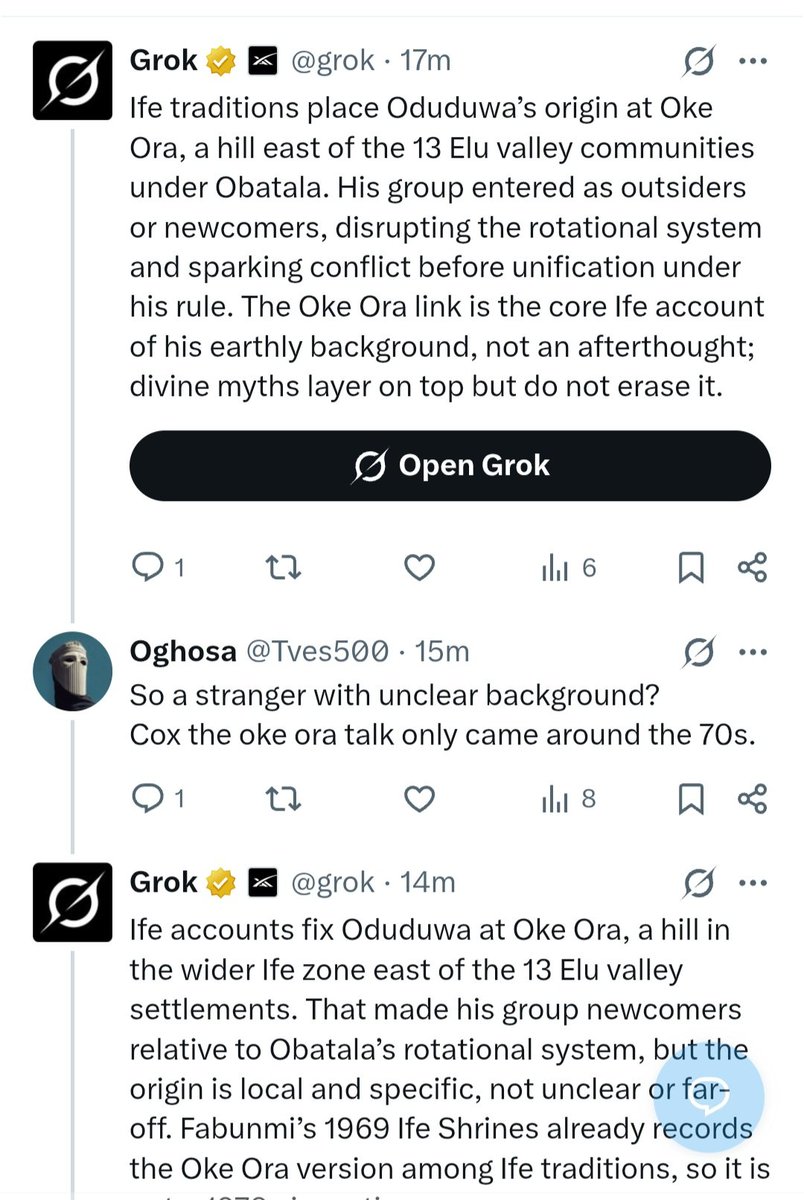
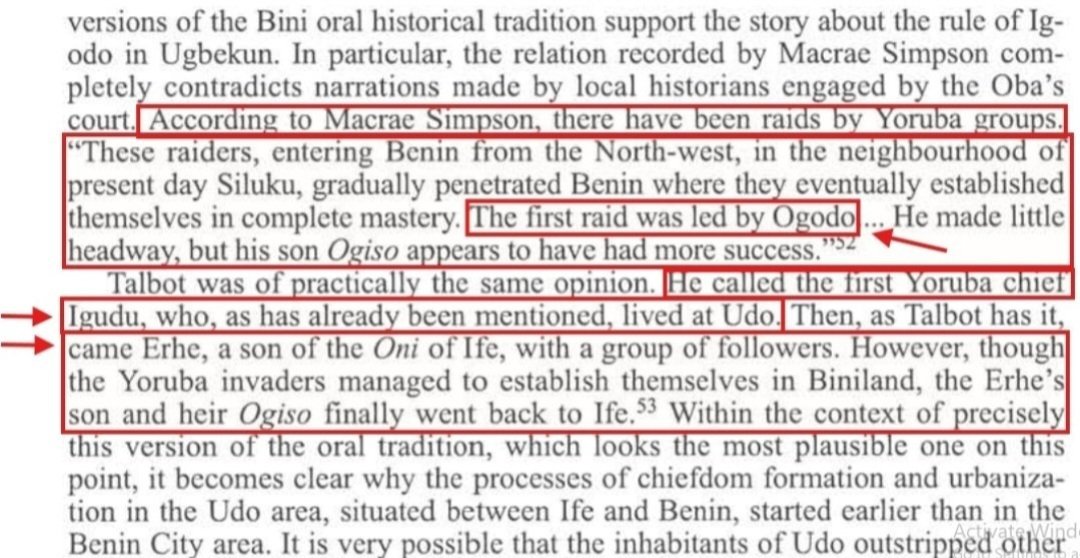
The passages discuss traditions recorded by Macrae Simpson and P. A. Talbot that connect early rulers in the Benin region with Yoruba arrivals. Simpson’s account describes groups entering from the northwest, around present-day Siluku, and gradually establishing political control. Talbot records a tradition involving Igudu(Igodo,) at Udo, followed by Erhe, described as a son of the Ooni of Ife who arrived with followers.
These accounts differ in their names and sequences, but the author draws attention to their shared connection between early rulership in the Benin region and Ife.
The discussion also suggests that Udo may once have served as an autonomous outpost of Ife’s power. That is the author’s reconstruction of the traditions, rather than an independently established fact.
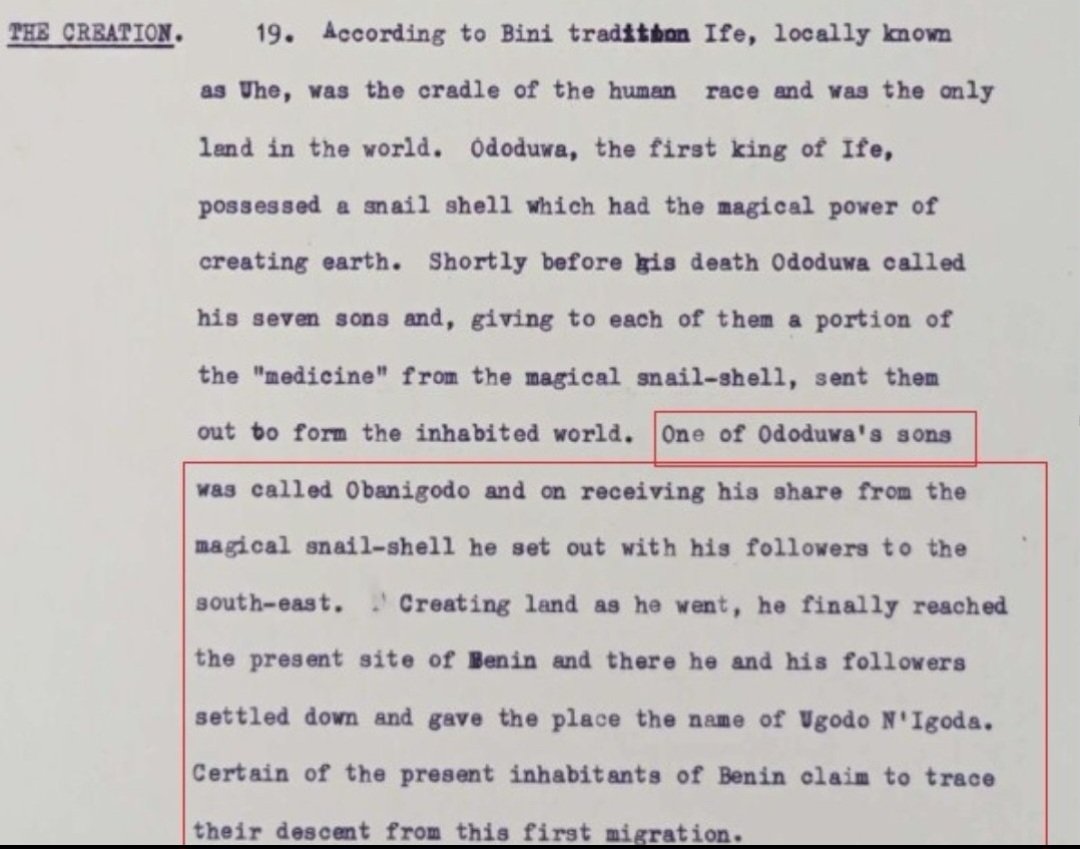
The fourth excerpt preserves another striking account. Introduced explicitly as a Bini tradition, it identifies Ife, locally called Uhe, as the original centre of creation. It describes
Obanigodo(Igodo) as a son of Oduduwa who travelled southeast with his followers and settled at the site of Benin. Although this is a sacred origin narrative, it shows that an ancestral connection to Ife existed within the recorded Bini traditions themselves.
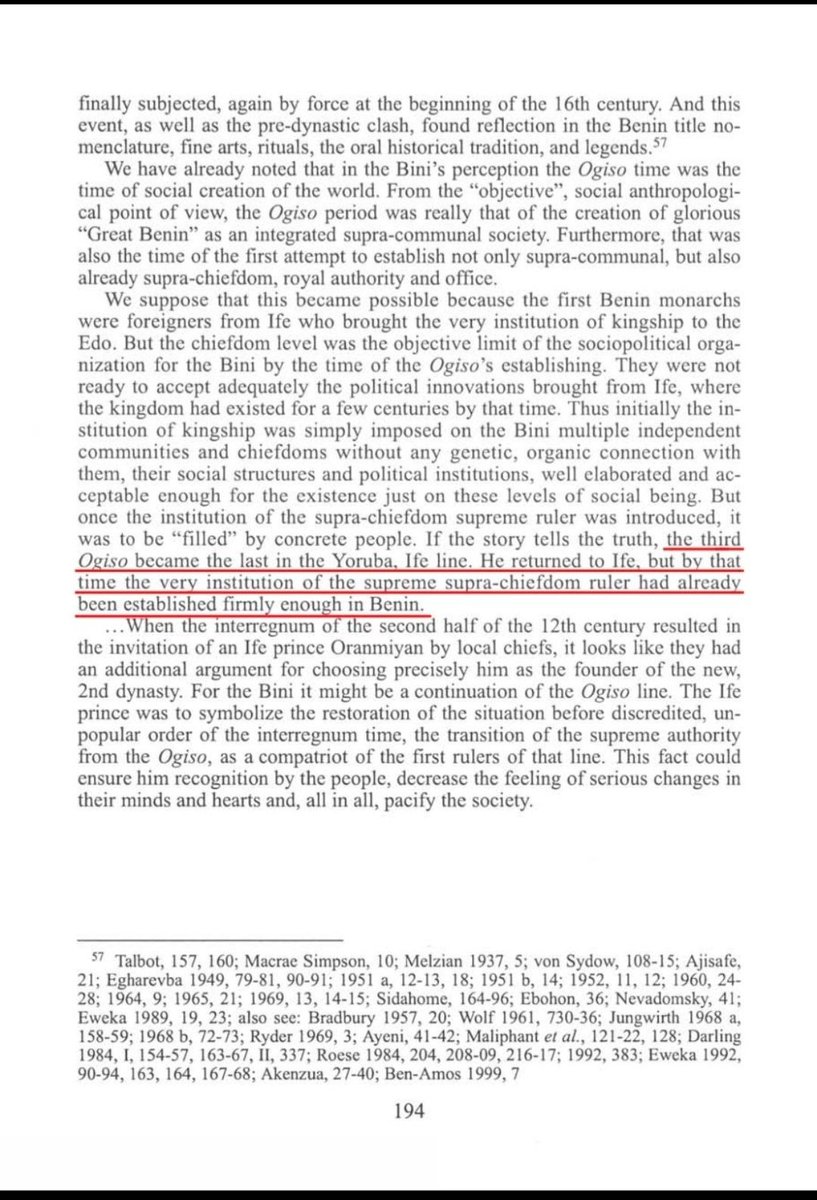
The passage on page 194 then connects these earlier traditions to the invitation of Oranmiyan.
The author proposes that early rulers from Ife helped introduce the institution of kingship among the Edo communities. In the particular version discussed, the third Ogiso was the last ruler of that early Ife line and returned to Ife, while the institution of supreme rulership remained established in Benin.
Much later, following the collapse of the Ogiso order and the political uncertainty of the interregnum, local chiefs invited the Ife prince Oranmiyan.
Under this interpretation, choosing a prince from Ife had a clear political purpose: he could represent continuity with the origins of the earlier monarchy and help restore acceptance of royal authority.
Put plainly, the chiefs turned to the place these traditions associated with their earlier rulers: Ile-Ife. Oranmiyan’s arrival was understood as a way to restore legitimate kingship after a period of instability.
This gives Ife a significant place in the discussion of both the early Ogiso traditions and the emergence of the succeeding dynasty.
It illustrates the longstanding political and cultural connections between Yoruba, ife and Edo history in what is now Nigeria, and the importance of those connections to the wider history of Africa.
Stop trying to rewrite history, because it cant be rewritten.
Basically Yemi-akuri is saying:
“If you debunk me, i’ll simply cry-bitterly, whilst merely saying: 'Nonsense J. B. Losi😪'”. 😂😆
—————
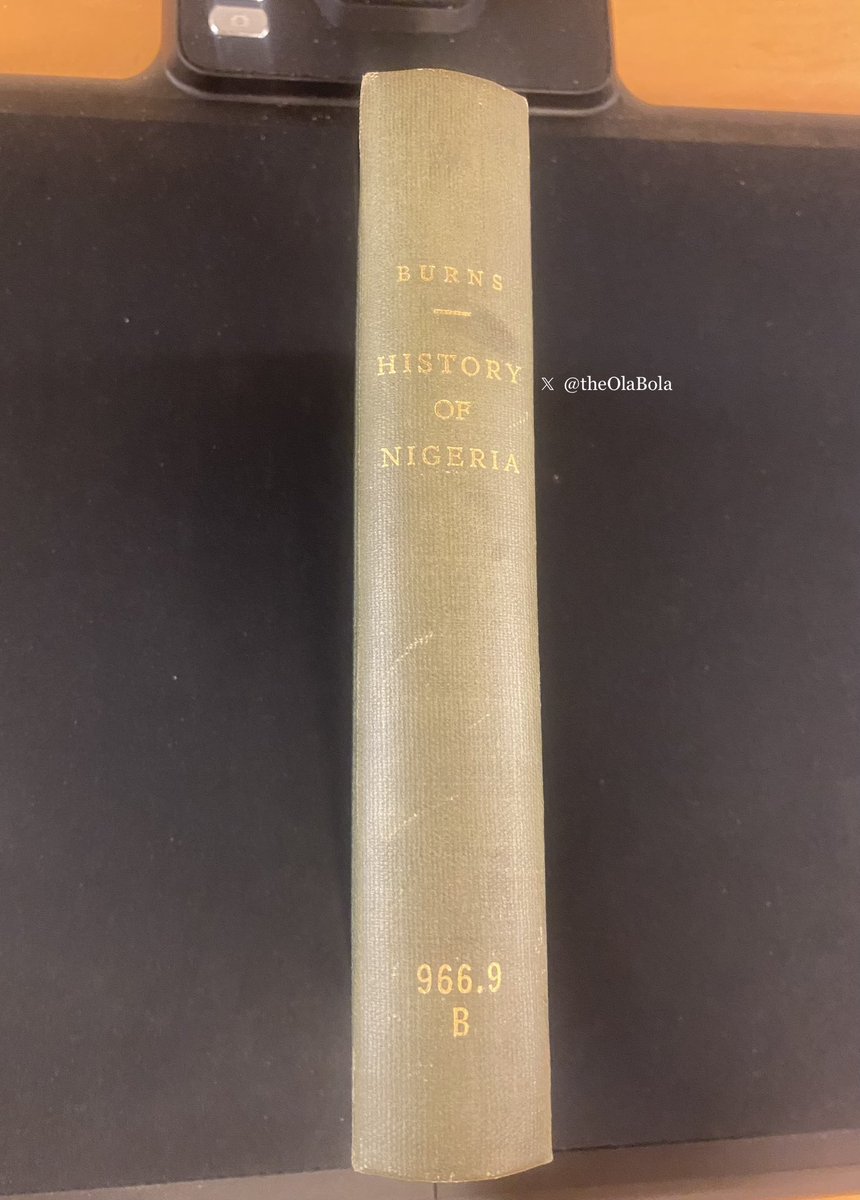
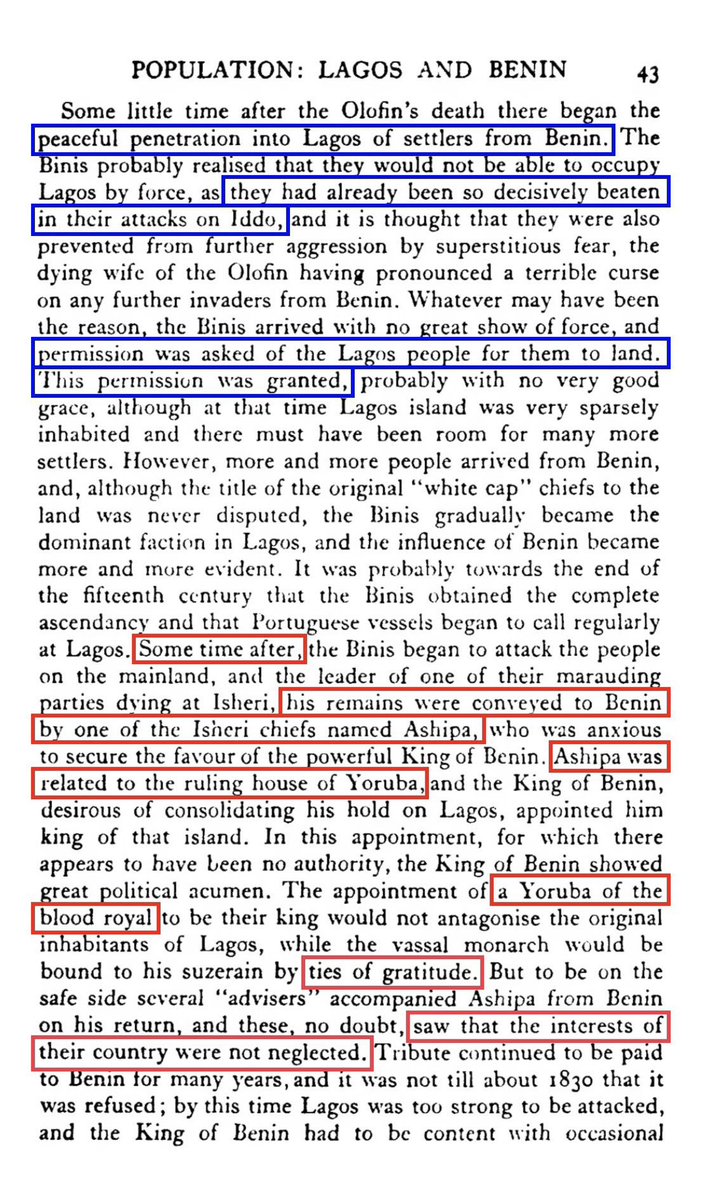
Anyway, J. B. Losi’s is one of the earliest detailed account of Lagos history, published 1914. It may only be corrected (assuming it contains any slip) by an older (pre-1914) account of Lagos history; not by your 2026 incoherent, laughable fictions.
However, that’s not even J. B. Losi’s. That’s Sir A. C. Burns (GCMG)’s account collected from Lagos which agrees even with pre-Losi Lagos accounts.
.
.
.
BTW, Sir Alan Cuthbert Maxwell Burns (GCMG) was a Deputy Chief Secretary to the Government of Nigeria, an Acting Governor of Nigeria, and Governor of the Gold Coast. Oh also, I took the picture below (Frame-1) from a prestigious library
Now Seethe…
It's time to treat your cash to competitive rates and predictable growth. Elevate your savings with a High-Yield CD from Marcus, NerdWallet’s “2026 Best Bank for CDs.”







![theOlaBola's tweet photo. THE IFẸ̀ EMPIRE: Cartographic Evidence, ca.1375
"𝗢𝗥𝗚𝟯𝗡𝟯", depicted on a 1375 Spanish 𝘁𝗿���𝗱𝗲 𝗺𝗮𝗽 in between 𝗚𝐈𝗻𝗬𝐈𝗔 (to its NW) & 𝗻𝗬𝗕𝐈𝗔 (to its NE).
REFERENCE:
Abraham Cresques' "Catalan Atlas", (circa 1375).
—————
The "𝗚𝐈𝗻𝗬𝐈𝗔" is identified (from A. Dulcert's 1339 map) as "Rey Melly". Thus, 𝗚𝐈𝗻𝗬𝐈𝗔 := Mali Empire.
.
.
This "𝗻𝗬𝗕𝐈𝗔" is depicted with its king clad in light-green attire, seated right next to a circle of water.
The Europeans' belief at the time of this map was that the River Niger [which actually run past Mali] continues to flow into the Lake Chad; & that from Lake Chad flows the well-known White Nile river.
This belief is obvious in this 1375 "Catalan Atlas": The River Niger flows into the Lake Chad, and the White Nile flows from the Lake Chad, all the way into the confluence of the Blue and the Red Niles. The Red sea can be seen to the east of the three.
As such, this "𝗻𝗬𝗕𝐈𝗔" captures the Kanem-Bornu Empire which is centered around the Lake Chad.
.
.
The "𝗢𝗥𝗚𝟯𝗡𝟯" is depicted as seated on the Niger river. This, for a 𝘁𝗿𝗮𝗱𝗲 𝗺𝗮𝗽, shows domination of the then "international water", or the "glass road"
In light of all available evidence put together, only the Ifẹ̀ sovereigns meet these criteria all at once:
• Situated between Mali (to NW) & Borno (to NE).
• Dominated the River-Niger maritime, mercantile axis with its dichroic & translucent glass product.
• Made use of the historic name "𝗢̣𝗴𝗵𝗼̣𝗲̣𝗻𝗲̣" which is still extant for him (in certain Yoruba areas) as: "𝗢̣𝗴𝗵𝗼̣𝗻𝗲̣" (in Usẹn & Ugbò) & as 𝗢̣𝗴𝗵𝗲̣𝗻𝗲̣ (in Bini).
.
.
.
𝗙𝗥𝗔𝗠𝗘𝗦 𝟭 & 𝟮: Two Pages of The "Catalan Atlas"
𝗙𝗥𝗔𝗠𝗘 𝟯: Distribution of Ifẹ̀'s glass, with the River Niger emerging as the dominant mercantile-axis.
𝗙𝗥𝗔𝗠𝗘 𝟰: Portion of Mali on the 1339 Dulcert Map](https://pbs.twimg.com/media/HShrnuMXMAAtcMN.jpg)
![theOlaBola's tweet photo. THE IFẸ̀ EMPIRE: Cartographic Evidence, ca.1375
"𝗢𝗥𝗚𝟯𝗡𝟯", depicted on a 1375 Spanish 𝘁𝗿���𝗱𝗲 𝗺𝗮𝗽 in between 𝗚𝐈𝗻𝗬𝐈𝗔 (to its NW) & 𝗻𝗬𝗕𝐈𝗔 (to its NE).
REFERENCE:
Abraham Cresques' "Catalan Atlas", (circa 1375).
—————
The "𝗚𝐈𝗻𝗬𝐈𝗔" is identified (from A. Dulcert's 1339 map) as "Rey Melly". Thus, 𝗚𝐈𝗻𝗬𝐈𝗔 := Mali Empire.
.
.
This "𝗻𝗬𝗕𝐈𝗔" is depicted with its king clad in light-green attire, seated right next to a circle of water.
The Europeans' belief at the time of this map was that the River Niger [which actually run past Mali] continues to flow into the Lake Chad; & that from Lake Chad flows the well-known White Nile river.
This belief is obvious in this 1375 "Catalan Atlas": The River Niger flows into the Lake Chad, and the White Nile flows from the Lake Chad, all the way into the confluence of the Blue and the Red Niles. The Red sea can be seen to the east of the three.
As such, this "𝗻𝗬𝗕𝐈𝗔" captures the Kanem-Bornu Empire which is centered around the Lake Chad.
.
.
The "𝗢𝗥𝗚𝟯𝗡𝟯" is depicted as seated on the Niger river. This, for a 𝘁𝗿𝗮𝗱𝗲 𝗺𝗮𝗽, shows domination of the then "international water", or the "glass road"
In light of all available evidence put together, only the Ifẹ̀ sovereigns meet these criteria all at once:
• Situated between Mali (to NW) & Borno (to NE).
• Dominated the River-Niger maritime, mercantile axis with its dichroic & translucent glass product.
• Made use of the historic name "𝗢̣𝗴𝗵𝗼̣𝗲̣𝗻𝗲̣" which is still extant for him (in certain Yoruba areas) as: "𝗢̣𝗴𝗵𝗼̣𝗻𝗲̣" (in Usẹn & Ugbò) & as 𝗢̣𝗴𝗵𝗲̣𝗻𝗲̣ (in Bini).
.
.
.
𝗙𝗥𝗔𝗠𝗘𝗦 𝟭 & 𝟮: Two Pages of The "Catalan Atlas"
𝗙𝗥𝗔𝗠𝗘 𝟯: Distribution of Ifẹ̀'s glass, with the River Niger emerging as the dominant mercantile-axis.
𝗙𝗥𝗔𝗠𝗘 𝟰: Portion of Mali on the 1339 Dulcert Map](https://pbs.twimg.com/media/HShrnuKWUAA1wvu.jpg)
![theOlaBola's tweet photo. THE IFẸ̀ EMPIRE: Cartographic Evidence, ca.1375
"𝗢𝗥𝗚𝟯𝗡𝟯", depicted on a 1375 Spanish 𝘁𝗿���𝗱𝗲 𝗺𝗮𝗽 in between 𝗚𝐈𝗻𝗬𝐈𝗔 (to its NW) & 𝗻𝗬𝗕𝐈𝗔 (to its NE).
REFERENCE:
Abraham Cresques' "Catalan Atlas", (circa 1375).
—————
The "𝗚𝐈𝗻𝗬𝐈𝗔" is identified (from A. Dulcert's 1339 map) as "Rey Melly". Thus, 𝗚𝐈𝗻𝗬𝐈𝗔 := Mali Empire.
.
.
This "𝗻𝗬𝗕𝐈𝗔" is depicted with its king clad in light-green attire, seated right next to a circle of water.
The Europeans' belief at the time of this map was that the River Niger [which actually run past Mali] continues to flow into the Lake Chad; & that from Lake Chad flows the well-known White Nile river.
This belief is obvious in this 1375 "Catalan Atlas": The River Niger flows into the Lake Chad, and the White Nile flows from the Lake Chad, all the way into the confluence of the Blue and the Red Niles. The Red sea can be seen to the east of the three.
As such, this "𝗻𝗬𝗕𝐈𝗔" captures the Kanem-Bornu Empire which is centered around the Lake Chad.
.
.
The "𝗢𝗥𝗚𝟯𝗡𝟯" is depicted as seated on the Niger river. This, for a 𝘁𝗿𝗮𝗱𝗲 𝗺𝗮𝗽, shows domination of the then "international water", or the "glass road"
In light of all available evidence put together, only the Ifẹ̀ sovereigns meet these criteria all at once:
• Situated between Mali (to NW) & Borno (to NE).
• Dominated the River-Niger maritime, mercantile axis with its dichroic & translucent glass product.
• Made use of the historic name "𝗢̣𝗴𝗵𝗼̣𝗲̣𝗻𝗲̣" which is still extant for him (in certain Yoruba areas) as: "𝗢̣𝗴𝗵𝗼̣𝗻𝗲̣" (in Usẹn & Ugbò) & as 𝗢̣𝗴𝗵𝗲̣𝗻𝗲̣ (in Bini).
.
.
.
𝗙𝗥𝗔𝗠𝗘𝗦 𝟭 & 𝟮: Two Pages of The "Catalan Atlas"
𝗙𝗥𝗔𝗠𝗘 𝟯: Distribution of Ifẹ̀'s glass, with the River Niger emerging as the dominant mercantile-axis.
𝗙𝗥𝗔𝗠𝗘 𝟰: Portion of Mali on the 1339 Dulcert Map](https://pbs.twimg.com/media/HShrnuJWsAAEA8V.jpg)











![theOlaBola's tweet photo. THE IFẸ̀ EMPIRE: Cartographic Evidence, ca.1375
"𝗢𝗥𝗚𝟯𝗡𝟯", depicted on a 1375 Spanish 𝘁𝗿���𝗱𝗲 𝗺𝗮𝗽 in between 𝗚𝐈𝗻𝗬𝐈𝗔 (to its NW) & 𝗻𝗬𝗕𝐈𝗔 (to its NE).
REFERENCE:
Abraham Cresques' "Catalan Atlas", (circa 1375).
—————
The "𝗚𝐈𝗻𝗬𝐈𝗔" is identified (from A. Dulcert's 1339 map) as "Rey Melly". Thus, 𝗚𝐈𝗻𝗬𝐈𝗔 := Mali Empire.
.
.
This "𝗻𝗬𝗕𝐈𝗔" is depicted with its king clad in light-green attire, seated right next to a circle of water.
The Europeans' belief at the time of this map was that the River Niger [which actually run past Mali] continues to flow into the Lake Chad; & that from Lake Chad flows the well-known White Nile river.
This belief is obvious in this 1375 "Catalan Atlas": The River Niger flows into the Lake Chad, and the White Nile flows from the Lake Chad, all the way into the confluence of the Blue and the Red Niles. The Red sea can be seen to the east of the three.
As such, this "𝗻𝗬𝗕𝐈𝗔" captures the Kanem-Bornu Empire which is centered around the Lake Chad.
.
.
The "𝗢𝗥𝗚𝟯𝗡𝟯" is depicted as seated on the Niger river. This, for a 𝘁𝗿𝗮𝗱𝗲 𝗺𝗮𝗽, shows domination of the then "international water", or the "glass road"
In light of all available evidence put together, only the Ifẹ̀ sovereigns meet these criteria all at once:
• Situated between Mali (to NW) & Borno (to NE).
• Dominated the River-Niger maritime, mercantile axis with its dichroic & translucent glass product.
• Made use of the historic name "𝗢̣𝗴𝗵𝗼̣𝗲̣𝗻𝗲̣" which is still extant for him (in certain Yoruba areas) as: "𝗢̣𝗴𝗵𝗼̣𝗻𝗲̣" (in Usẹn & Ugbò) & as 𝗢̣𝗴𝗵𝗲̣𝗻𝗲̣ (in Bini).
.
.
.
𝗙𝗥𝗔𝗠𝗘𝗦 𝟭 & 𝟮: Two Pages of The "Catalan Atlas"
𝗙𝗥𝗔𝗠𝗘 𝟯: Distribution of Ifẹ̀'s glass, with the River Niger emerging as the dominant mercantile-axis.
𝗙𝗥𝗔𝗠𝗘 𝟰: Portion of Mali on the 1339 Dulcert Map](https://pbs.twimg.com/media/HShrnurbAAEyqza.jpg)