GOOD NEWS 🚨 Following an on-site visit to Tesla’s Fremont factory, JPMorgan reports that Robotaxi deployment and Optimus commercialization are shifting from concept to measurable execution 🔥
Expanding the Robotaxi fleet hinges on launching FSD v15 this year, which brings a substantial parameter boost, an expanded context window, and an approximate 20% latency reduction across seven core modules, with 40% already undergoing active fleet testing with positive feedback.
Current AI/HW4 hardware can already run unsupervised v15, while the upcoming AI4.5 platform adds 10% more computing power and double the memory for future computational demands. Tesla is intentionally limiting Model Y conversions to prioritize the purpose-built Cybercab, manufactured via an unboxed modular process. Under robotaxi utilization, operating costs are projected to fall to $0.50 to $0.60 per mile (down from $0.60 to $0.70 for personal use), far below ride-hailing rates of $2.50 to $3.00 per mile, with a long-term platform goal of $0.30 per mile.
FSD has also evolved into a primary purchase driver across Australia, South Korea, and Europe. Tesla ended perpetual software sales in North America in February 2026 and transitions globally to a $99 monthly subscription by August, supported by one-month free trials to drive adoption. In Europe, driving data reveals a fivefold collision reduction across roughly 65 million kilometers, supporting dual-track regulatory engagements at the EU and member-state levels targeting potential approval by October.
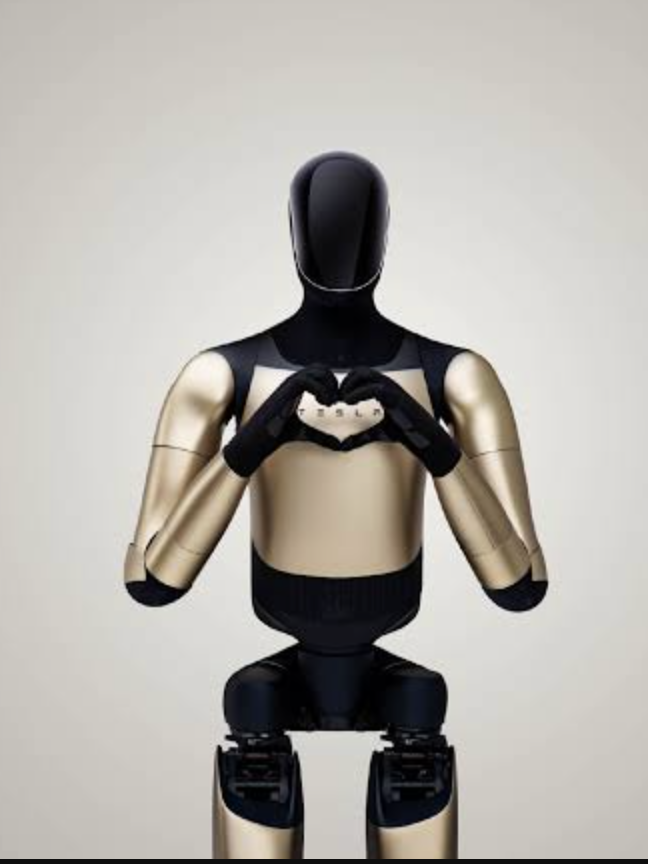
For Optimus, production lines are being installed at Fremont on the site of retired Model S and X lines along a four-month conversion timeline. Commercialization spans three phases: deploying to the "Optimus Academy" in late 2026 for real-world environmental learning, expanding internally into hazardous, repetitive stamping and body-in-white tasks rather than dexterous final assembly, and launching external commercial sales as early as late 2027.
The Gen 3 Optimus design and supply chain are largely locked in, though the final aesthetic reveal is intentionally delayed until near start of production to protect competitive advantages. Tesla targets long-term annual capacity of 1 million units at Fremont and 10 million units at Giga Texas, backed by internal compute capacity that doubled year-over-year in the first half of 2026. Gen 4 specifications will be determined after accumulating operational field data from Gen 3.
Driven by FSD adoption and a broadened lineup including new base models, the Model Y L, and updated performance trims, Tesla achieved a 25% year-over-year and 34% sequential sales jump in Q2 2026. While margins face near-term pressure from subscription accounting, targeted price cuts, and the 18-month ramp of in-house cathode and anode production, JPMorgan maintains a Neutral rating with a $445 price target (against a $339.30 share price at release), projecting 1.8 million deliveries in 2026 against a 3 million unit total capacity ceiling.
Grok Bot is TOTALLY OpenClaw/Hermes for normies.
If SpaceX team can nail stability of the platform and continues to develop the Grok models to be excellent for agentic processes, I think they have a MASSIVE hit on their hands.
They need to target this to the entrepreneur class. It's nearly as capable as CODEX or Claude Code but FAR more accessible and fun.
And as Grok continues to get better, it'll be very difficult to discern which one is actually better at doing tasks between Grok/CODEX/CC, and by then folks will just worry about cost and speed. Two things that Grok is already very good at.
And the beautiful thing is that they can package it right into X and have a MASSIVE distribution arm, since a big % of the world's entrepeneurs are probably already on X.
This could give SpaceX the same pathway on AI revenue that OpenAI/Anthropic have on tokens, which when paired with their Data Center buildout + space compute + communications, they quickly turn into a jauggernaut.
$SPCX
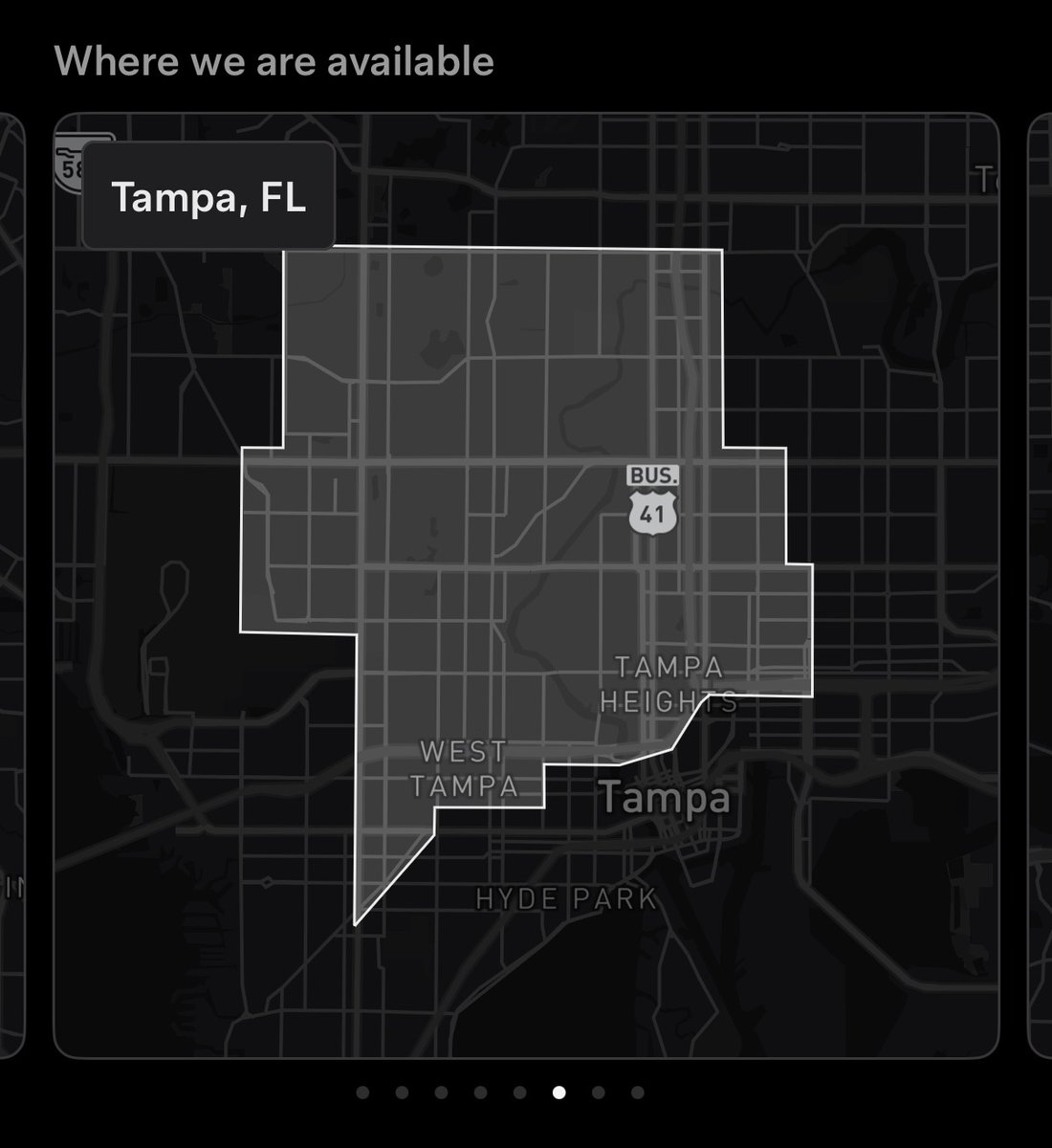
Florida Governor Ron DeSantis talked about and showed a Waymo and Tesla's Cybercab yesterday during a press conference.
"Cybercab comes out of Tesla. You go in there and you just sit. You have a screen. There's no steering wheel, no pedals. Clearly these things could be very beneficial."
The Boring Company has created new 𝕏 profile pages for their Vegas and Music City Loops:
Follow them at:
• Las Vegas Loop: @vegasloop
• Music City Loop (Nashville): @musiccityloop
Elon: "I don't want to jinx it or anything, but I think I would call the heat shield problem solved at this point. All indications from data and visual inspection is we have solved it. That doesn't mean we won't make improvement, but we do not see any technical obstacles to achieving rapid reusability at this point."
Tesla's Ashok Elluswamy on Robotaxi: "The current Robotaxi fleet is already running early versions of FSD V15 software. For V15 we have planned several improvement tracks."
This is great! Starlink is a better choice than trying to lay fiber cables everywhere in the countr and more cost effective. More states need to follow this example!
The state of Louisiana has partnered with SpaceX's @Starlink to deliver high-speed internet access to more than 10,600 rural locations by end of the summer.
"The cost of providing fiber connectivity for some of these locations was going to be so expensive that likely it would have made better sense, and it would have been quicker, to connect these folks with @Starlink. The state law states high-speed internet as 100 megabits download and 20 megabits upload. Starlink has consistently shown that they provide in excess of those speeds,” said ConnectLA Executive Director Veneeth Iyengar.
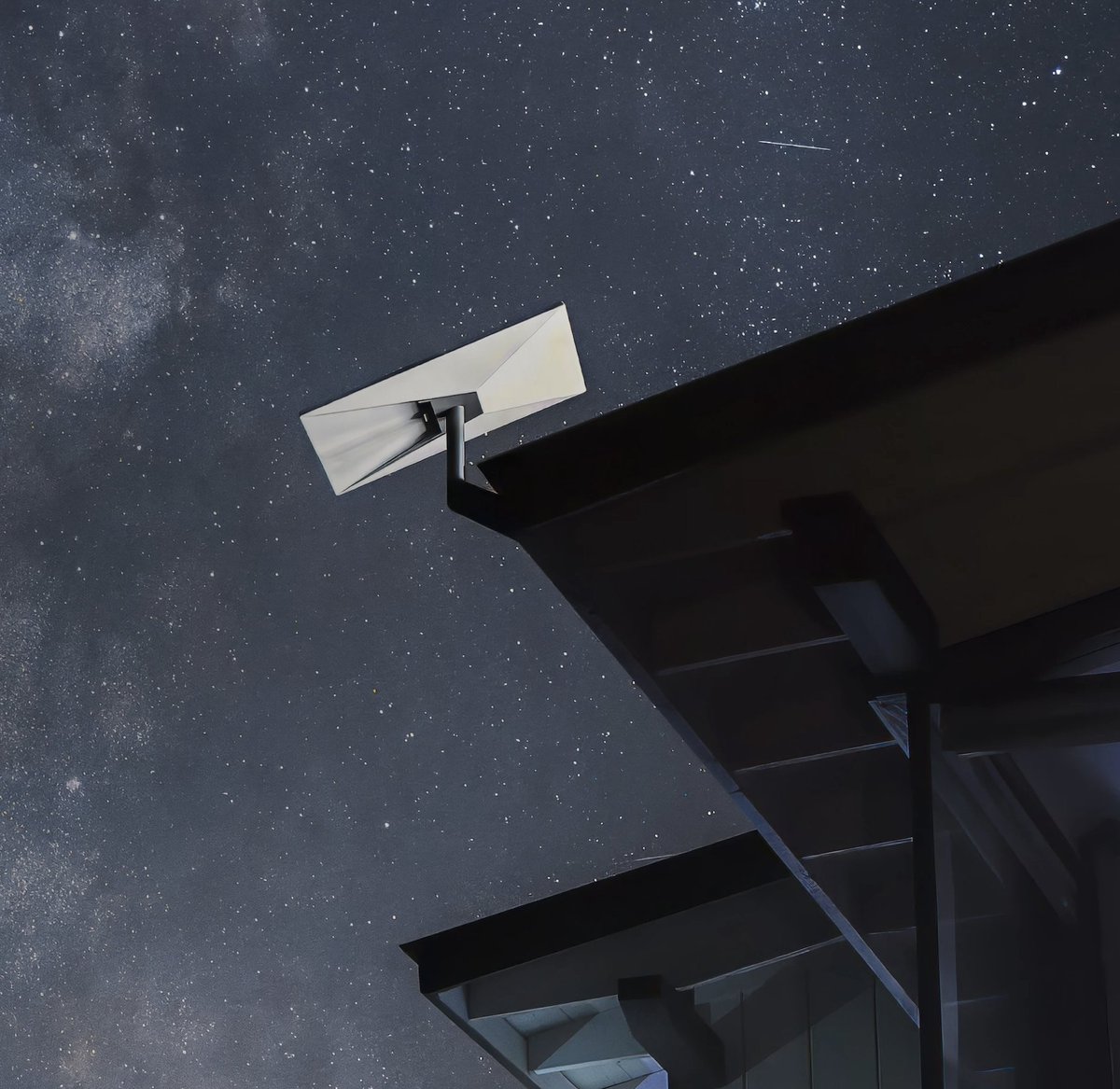
The @Starlink V5 Dish is here and it is TINY. V4 Dish, Starlink Mini, and Rubber Ducky for scale. The V5 is smaller, slimmer, lighter, and is clearly a major redesign. Working on a full first impressions video now
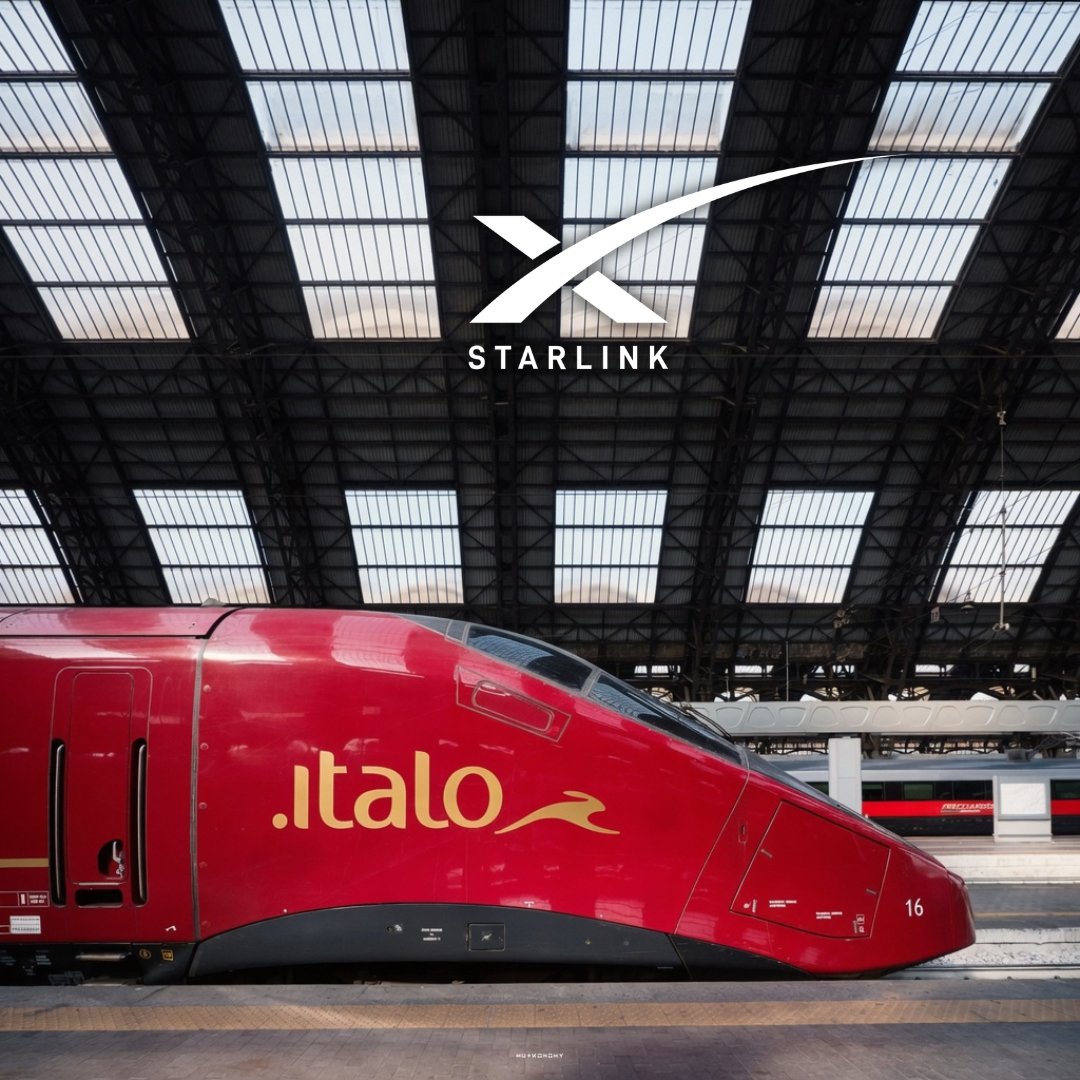
NEWS: Starlink is being built directly into a new fleet of 26 high-speed trains.
Italo, Italy's high-speed rail operator, has ordered 26 Siemens Velaro trains to break into the German market.
The deal runs about 3 billion euros and includes 30 years of maintenance, with an option for 14 more trains.
The new trains are built with Starlink antennas from the factory, giving passengers satellite internet instead of patchy trackside signal.
Italo is also fitting Starlink across its existing Italian fleet, with the rollout finishing in 2027.
In year-long testing at 300 km/h the system held speeds above 400 Mbps. CEO Gianbattista La Rocca calls Italo "the first major high-speed rail company in the world" to go this route.
German service starts mid-2028 on two routes, Munich to Dortmund and Munich to Hamburg, reaching 18 cities.
Source: Siemens Mobility / Italo, July 20 2026