If you learned recon from @NahamSec videos or watched my Goat @Jhaddix videos on methodology like I did, you know the actual pain.
The methodology is correct: enumerate, probe, archive-mine, fuzz. The execution is a dozen bash lines across five tools with state in scattered text files and scope living in your head.
My whole video is that chain collapsed into one command where the methodology survives and the glue disappears.
Same stages jason teaches, except authorization is enforced between every step instead of assumed, and nothing you found gets lost when a tool returns empty.
That is the part I want other methodology guys to test: does the enforced version still feel like the workflow you learned, or does it fight you?
Check it out and if you got ideas on how to make it better, i'd be glad to hear them (and also check repo for contributions)
Repo : https://t.co/rC9Rlyoe3E
19yr old builder with 2 years studying offsec. If you're into security (or anime 🤓) then i'd love to chat !
🚀 We’re building in public!
My team and I are taking part in the Korabytes Build in Public Challenge, sponsored by @korabytescu and @thekorahq .
Over the coming weeks, we’ll be taking our idea from early exploration to a working product and sharing the journey along the way.
A little hint: we’re exploring a different way to handle something we all do every day 💬💵👀
We’re excited to put our skills to work, experiment, get feedback and see how far we can take it together.
Expect progress updates, behind-the-scenes moments, challenges and small wins as we build.
We’ll share more about what we’re working on in our next post. For now, this is us getting started!
#KorabytesBuildInPublic #BuildInPublic #Kora #SoftwareEngineering
ran sh4q on a target and got 200 endpoint references back, and most of it was webpack chunks and font files with the oauth2 endpoints buried somewhere in there...so it tags them now by shape, auth-flow / api-route / static-asset / third-party, and the classifier only touches display, never scope🤓
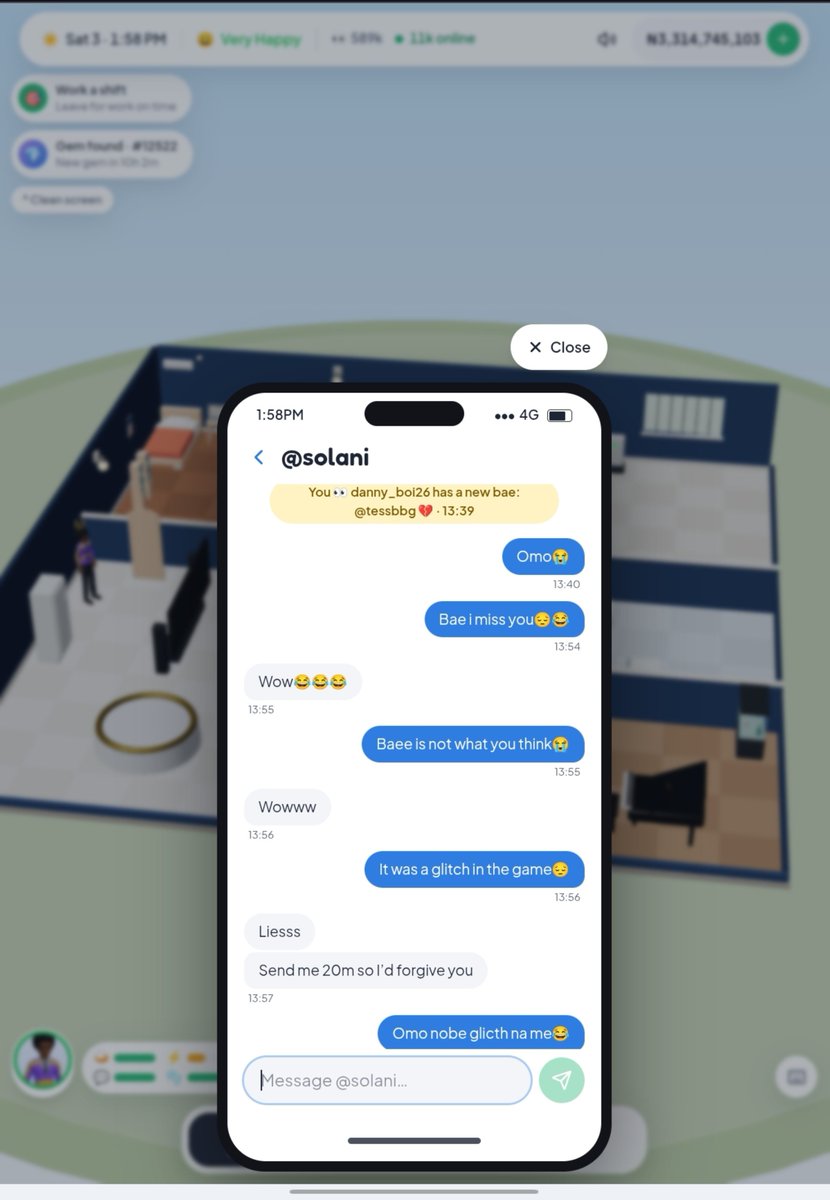
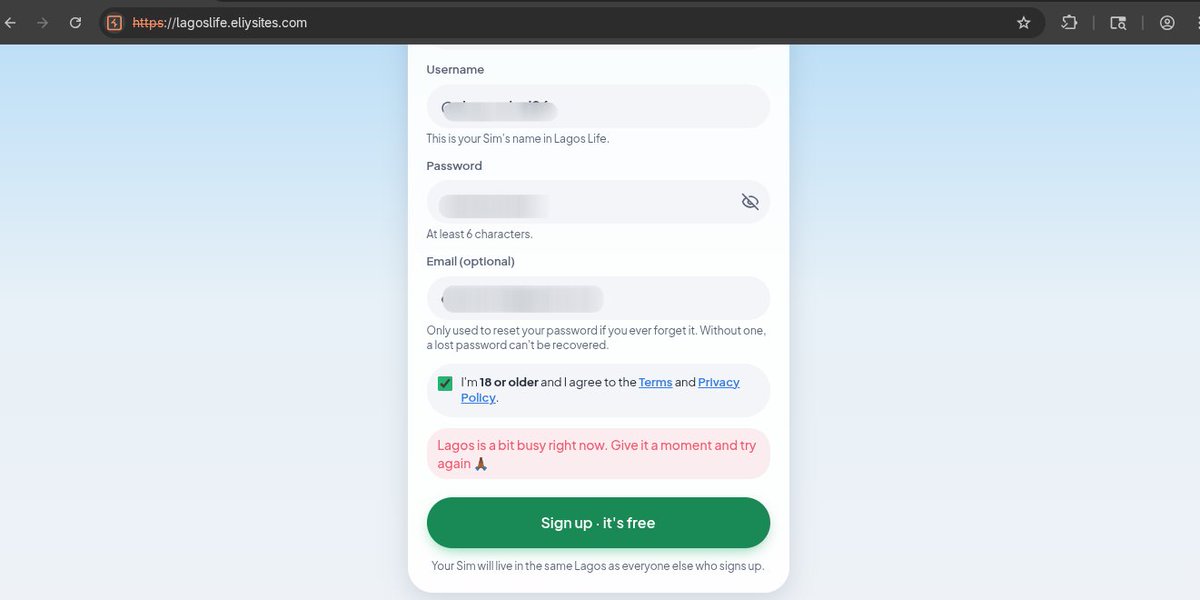
LagosLife is just the beginning ✈️
AbujaLife and PHLife are coming!
We’re building a whole airport for you to explore. Soon, you’ll be able to fly from one Life to another, discover new cities and even take a vacation abroad 🌴
LagosLife is just the beginning ✈️
AbujaLife and PHLife are coming!
We’re building a whole airport for you to explore. Soon, you’ll be able to fly from one Life to another, discover new cities and even take a vacation abroad 🌴
Picture this.
It is 3am, you are running your usual chain for a bounty program. Subfinder throws out 900 names. One of them drags in a parent domain you were never authorized for. A CDN redirect points somewhere completely outside your scope. Then your laptop dies at 90 percent🥲.
Normally that means the out of scope parent lands in your notes, the redirect gets followed without you noticing, and you restart the whole run from zero. Good luck explaining any of that months later.
sh4q v1.3.0 is my answer to that night.
Same run through sh4q: the bad parent gets refused at Gate 2 before it ever enters the graph, with the reason saved. The redirect to the unauthorized host gets blocked. The 90 percent you finished is durable, so you resume instead of restarting. Every asset that survives carries where it came from, why it was allowed, and the exact event behind it. When you diff against last week, you see what actually changed.
Quick version of how it works: Gate 1 checks your target before anything runs. Gate 2 checks every single finding before it becomes inventory. DNS, HTTP, CT, Subfinder, URL history, HTTPX and JS extraction all run with real timeouts and budgets. Katana, vhost fuzzing and directory brute forcing stay explicit opt ins, never snuck into a profile. Templates own stage selection so anyone can rerun your exact scan from one YAML file.
v1.3.0 details for those interested🤓: every authorized port gets probed, not just 80 and 443. Vhost probes count against the shared budget and record the port actually contacted. Directory results get compared against a generated not found baseline so normal 404s stop looking like findings. Retired Amass because v4 stopped printing names to stdout. 85 out of 85 offline tests green.
Not a vuln scanner, not an "AI hacking agent". Just a local python CLI on SQLite that keeps recon in bounds and provable.
Still in active development. Next up: persisted execution identity so diffs separate target changes from config changes, a dry run mode, and proxy plus scheduling support. Updates ship with the offline suite green or not at all.
If it looks useful, a star or share keeps the project alive. Every tester makes the boundary smarter🌟.
Would love for bounty hunters and pentesters to try it and tell me straight where the boundary feels wrong:
https://t.co/rC9Rlyoe3E
CT is where the names are, but worth knowing what you're getting:
my last authorised scan pulled 1209 CT names → 184 actually resolved.
691 of them were cpanel. / mail. / webmail. / webdisk. AutoSSL artifacts. Two of those 691 were real.
Built sh4q partly so I'd stop chasing the other 689 👀
Shipped v.1.3.0 recently, check it out!
https://t.co/rC9RlyoLTc
@lady_sheraz oh well🥲 hopefully next time @lady_sheraz@ireteeh . I'm glad i was the last to speak on the space tho! Made me know how much i need to be active on this space haha
@ExploitforgeLTD@commando_skiipz when tried bypassing a host header restriction using 120.0.0.1 and got blocked, but I changed it to 127.0.1 and let inet_aton do the rest.