Mr. One Hundred💯
With 3 assists in last night’s game, Force forward Kolin Sisson has officially surpassed 100 career USHL points!
#ForceNation⚡️ | #USHL
Very impressed tonight by @WMUHockey defenseman Alex Calbeck.
Excellent skater and consistently makes good decisions with the puck.
He remains @NHL Draft-eligible after joining at midseason from the @ChicagoSteel.
@NHLMedia@USHL@wcstormhockey
We've let the wrong people define masculinity. It’s time we take it back. Real masculinity is doing what's right, and doing it with kindness, empathy and compassion. @Principles_1st
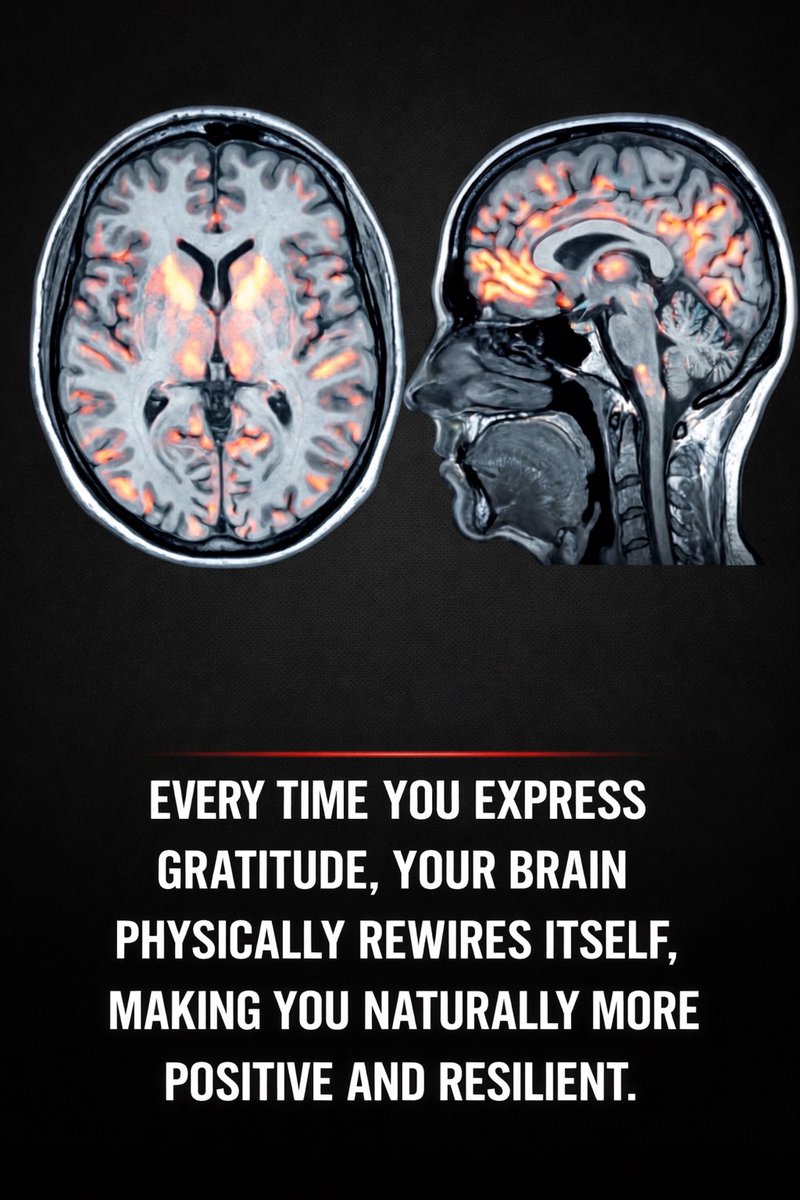
Research shows that regularly practicing gratitude can lead to measurable changes in the brain. This effect is driven by neuroplasticity, the brain’s ability to reorganize itself based on repeated thoughts and behaviors. When people intentionally focus on appreciation, neural pathways involved in emotional control and coping become stronger.
Grateful thinking also stimulates the release of dopamine and serotonin, chemicals linked to pleasure and motivation, while helping reduce cortisol, the hormone associated with stress. Brain regions such as the prefrontal cortex and hypothalamus become more active, supporting improved mood regulation and overall mental health.
Over time, gratitude does more than provide short-term emotional relief. It gradually shifts the brain away from its natural bias toward threat detection and toward noticing positive experiences instead. Simple habits like writing down what you’re thankful for or expressing appreciation aloud reinforce these patterns, making optimistic thinking more automatic.
Studies indicate that this repeated practice builds lasting neural connections, promoting emotional balance, resilience, and well-being. In essence, regularly acknowledging what’s going well can retrain the brain showing that small daily moments of gratitude can produce meaningful, long-term psychological benefits.