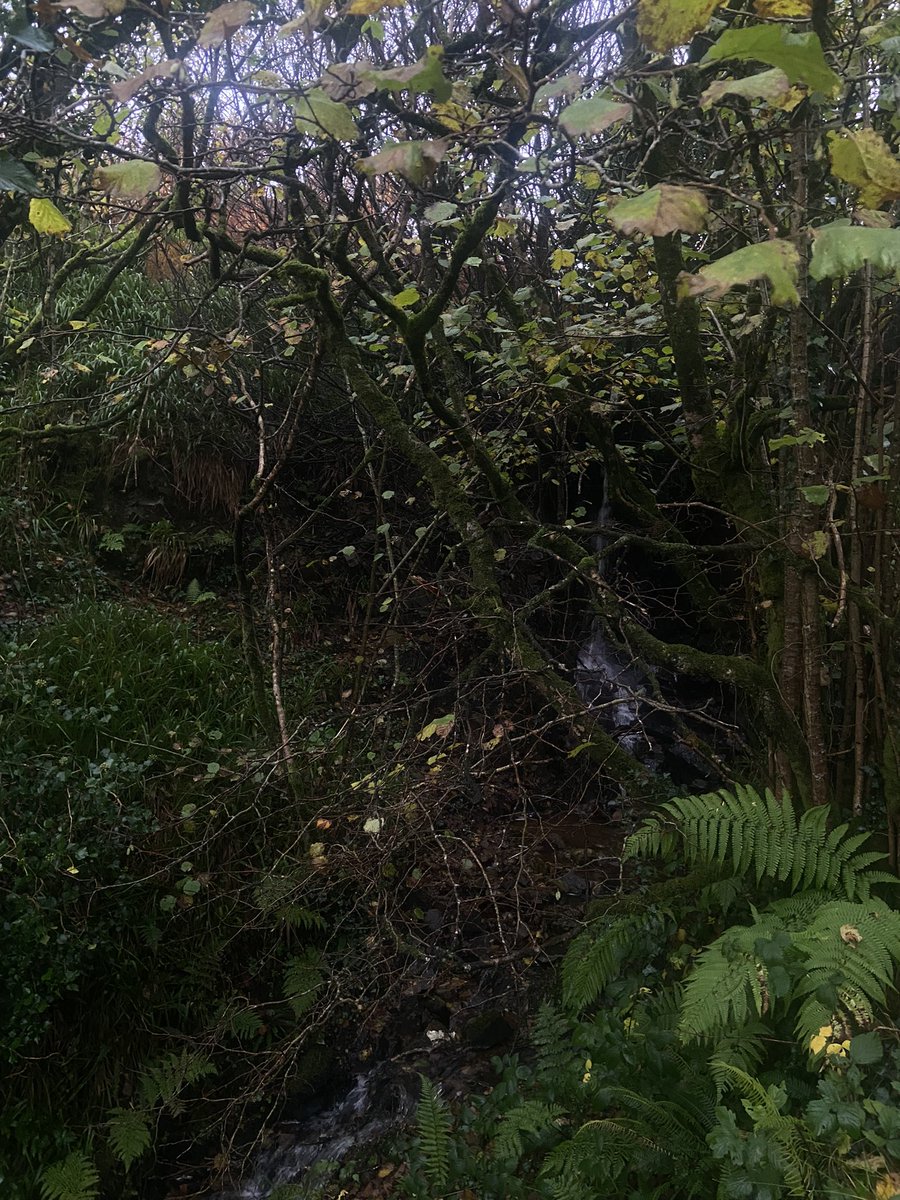
@Ceanncait Another type of male fern. Ferns have different forms depending on shade levels. It could be a species difference but I cannot say with certainty. The diagnostic features are merely pointers towards ID which doesn’t help!
My time on this platform is coming to an end. You can follow me on instagram (@newry_wildlife) and my website https://t.co/GnhGvTP5aw
I will also be trying out bluesky too, https://t.co/kRSvKkaD8K
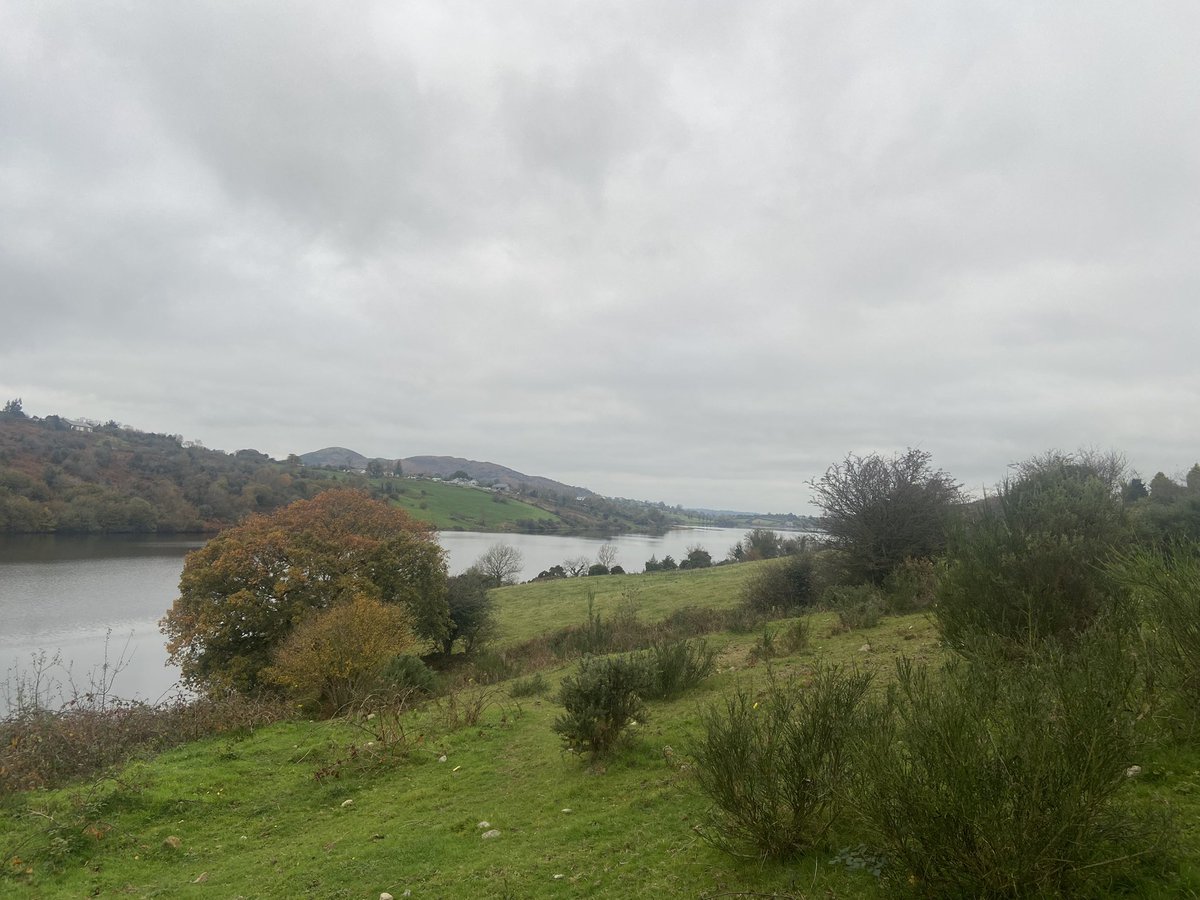
Haven’t swum in over 6 weeks due to work, uni, storms etc.
Needless to say, the water is a wee bit colder than mid September 😬 the nice views help though
The western flank of the hills which hold Camloch, S. Armagh is undergoing a really nice example of natural woodland regen.
A steep slope otherwise covered in dense bracken, is slowly becoming woodland.
Rowans which are small and very pale can be seen poking up through the dead bracken. Pioneer species like birch and rowan have paved way for hazel, ash and maybe oaks.
Much loathed, bracken can act as a tree nursery, since this hill is not being grazed in any significant way
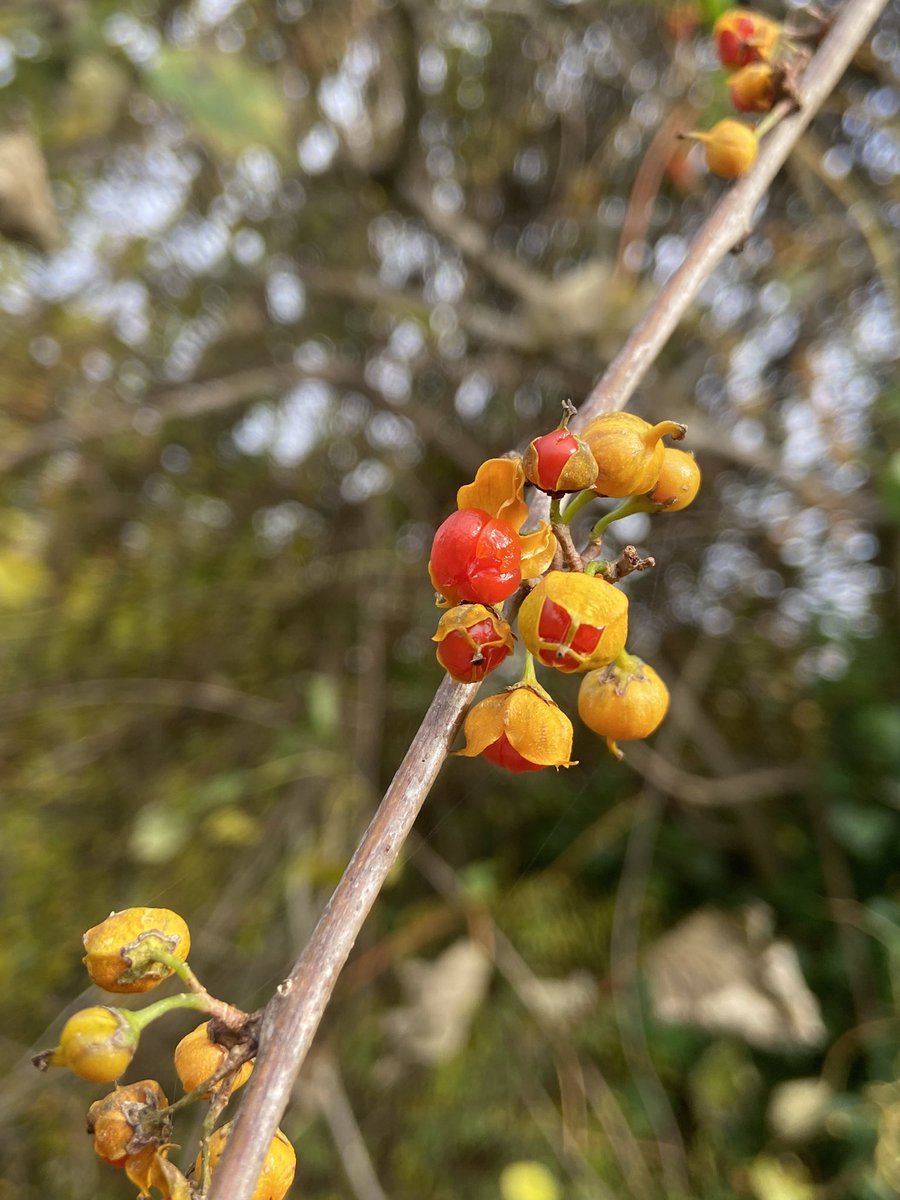
The naturalised Celastrus orbiculatus, or staff-vine, in Newry’s Daisy Hill Woods continuing to grow and spread
First naturalised record of this eastern Asian climber in Ireland and appears to be becoming invasive, smothering trees and causing trunk twisting
@Ceanncait Thinking about how this is non-existent in the Mournes, apart from the odd oak growing on edge of plantations. Constant and intense grazing. Even a pocket of native upland woodland would be nice to have