Lecturer at @UniofBradford. Rep for @thephysoc. Interests in science, TEL + Horror/SF. Wears Dr. Martens. Views my own. Not a professional wrestler.
he/his/him
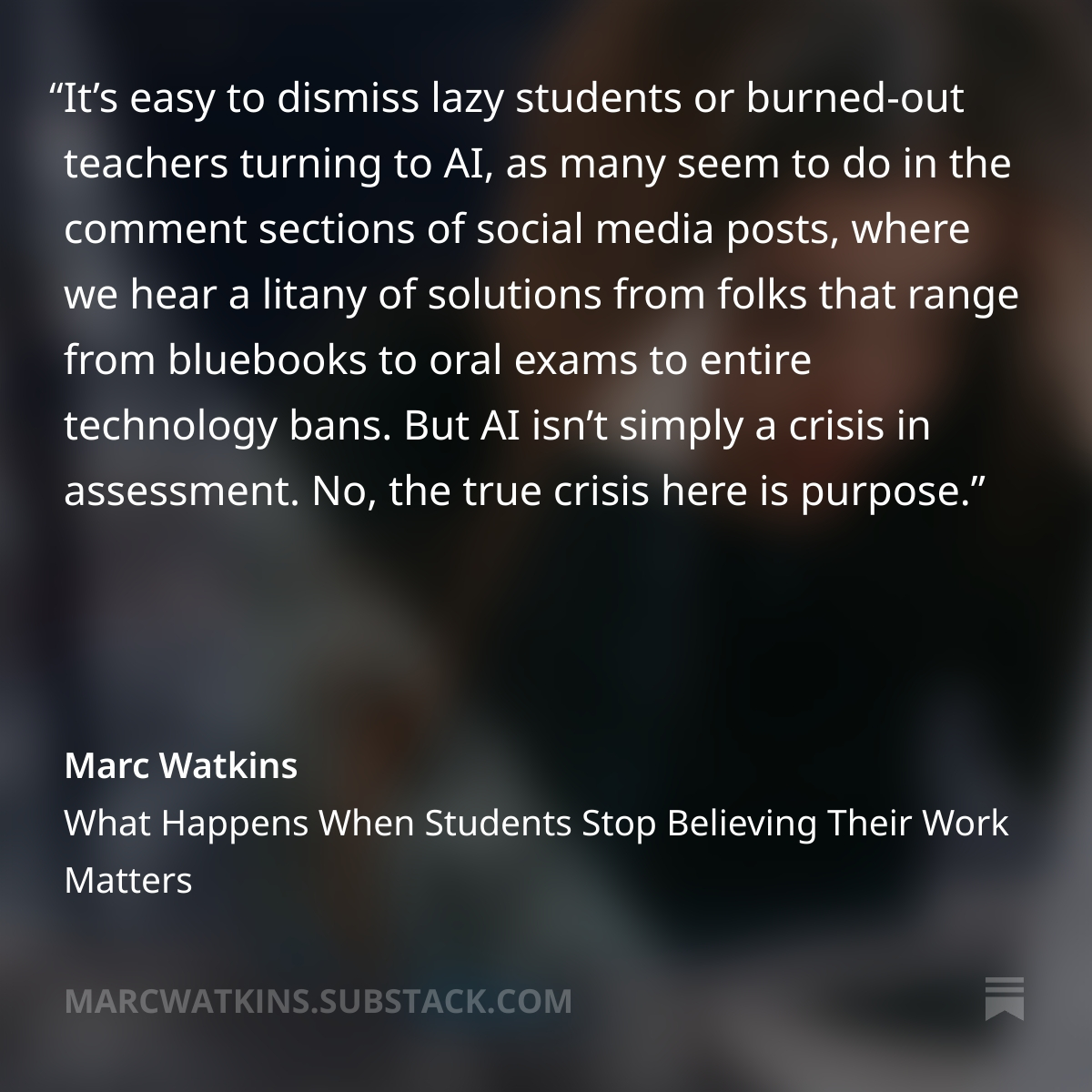
"And yes, a big part of teaching is forcing students to be ethical. Not because we want to be wardens of their souls, but because ethics, like algebra or music theory or writing a coherent paragraph, are not magically summoned from within by vibes."
https://t.co/WMtcdnqQNk
🚨Deadline Approaching!
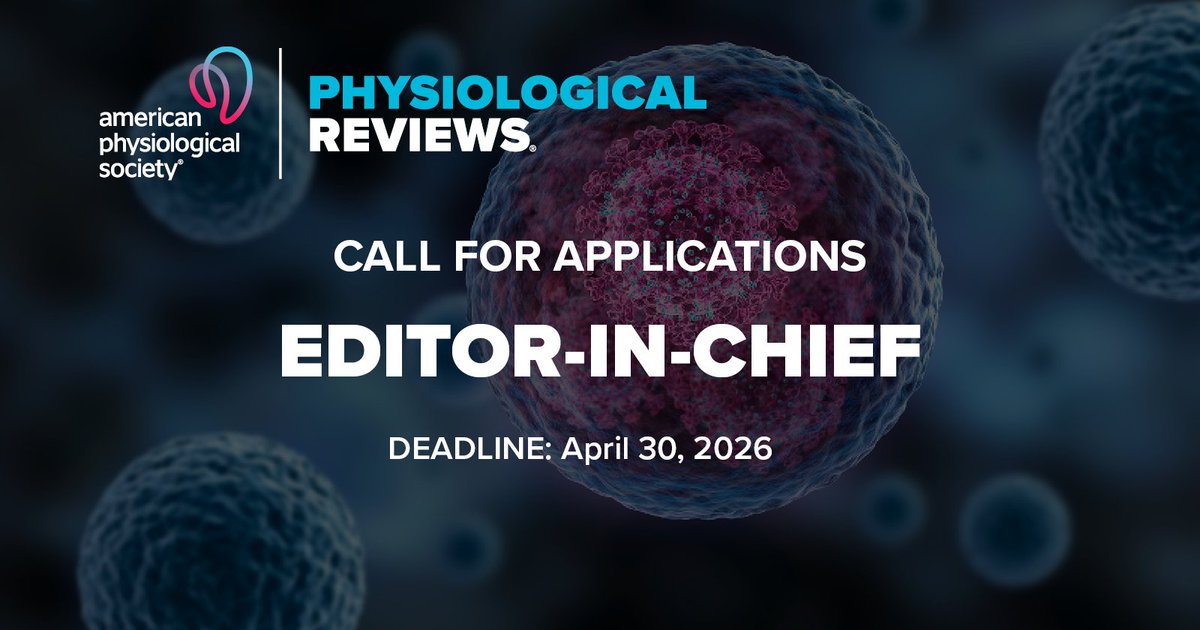
We’re calling for applications for the Physiological Reviews Editor-in-Chief position!
📅Application deadline: April 30, 2026
🎙️Candidate interviews: Spring 2026
🖱️Apply now! https://t.co/Zeo9zs3yKU
New UK screen time rules just dropped — and they’re stricter than most parents expected.
From 27 March 2026, England says: zero solo screens for under-2s (except quick video calls with family), and max one hour a day for 2–5 year olds — no screens at meals or the hour before bed. Co-view everything, stick to slow-paced content, and ditch fast social-media clips and AI toys completely.
The science is sobering: toddlers’ brains process info up to 10 times slower than adults. Fast-paced screens push them into fight-or-flight mode — racing heart, surging energy — while they’re sitting still. Researchers at the University of East London say this mismatch can wire kids for more tantrums and emotional struggles later. Using screens to calm meltdowns? It often backfires long-term.
As a parent, it’s brutal — we all know that explosion the second you take the tablet away.
But this feels like evidence finally catching up with what our gut has been telling us.
How are you handling screens with little ones — strict limits, co-viewing, or mostly winging it?
When a machine can now mimic the work of a human being, many of us, especially students, must be asking what the point is anymore. That’s a much more dangerous and slippery problem than students submitting AI-generated work.
It’s brutal in academia right now. A lot is out of our control, but it doesn’t cost anything to remember that there are humans behind papers and grants. Reviewers, program officials and funders can be more empathetic in the face of all the chaos in the US scientific enterprise.
Calling all UK-based education-focused academics! We know what an Early Career Researcher (ECR), but what is an Early Career Educator (ECE)?! We're keen to create a definition of the ECE to understand the challenges faced in this role and make informed suggestions to better them.
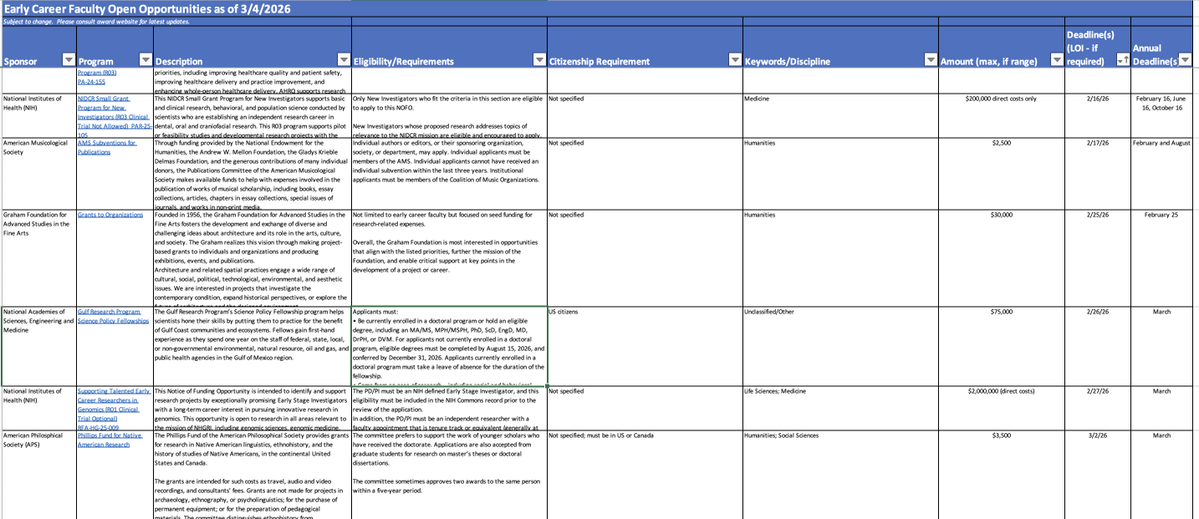
Here is our updated database of grants for early careers researchers in all fields.
It goes way beyond traditional NIH and NSF funding opportunities. We list 428 types of grants.
Download it here: https://t.co/RGXGrdp2uf
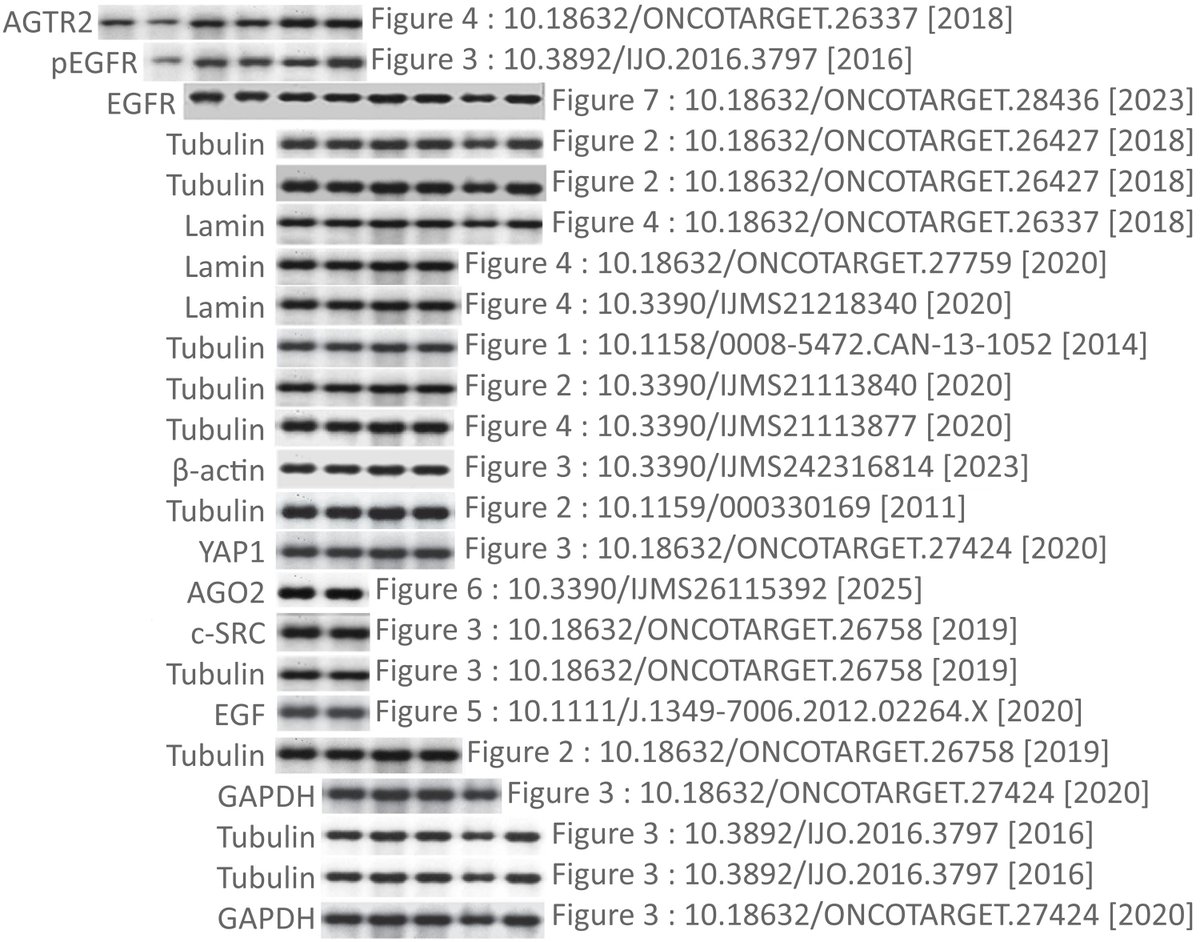
The same western blot image used 23 times in 14 different papers by one Japanese team. The image has been labelled as representing a range of experiments and proteins. This is the most I have ever seen. Perhaps it is a record?
⏰ 6 DAYS LEFT TO APPLY ⏰
Are you an ECR seeking some Editorial Board experience? 🎓
Our #EditorialBoardFellowship is a great opportunity to be directly involved in the editorial process under the guidance of a Senior Editor!
Apply now:⤵️
https://t.co/JB1XehlZ8e
@DrHelenFry Dr. Stewart F. Alexander, who not only saved many lives by recognising the presence of Mustard Gas after the air raid at Bari (when it shouldn't have been there), but whose discoveries at that air raid were also instrumental for the future development of chemotherapy.
🚨We’re calling for applications for the Physiological Reviews Editor-in-Chief position!
📅Application deadline: April 30, 2026
🎙️Candidate interviews: Spring 2026
🖱️Apply now! https://t.co/MpfSbiG5QQ
I'll bite. Large language models CANNOT write systematic literature reviews because they are token-prediction models. "Reviews" that they produce are not "reproducible" in the way that systematic literature reviews must be. Maybe time for social "science" to stop playing