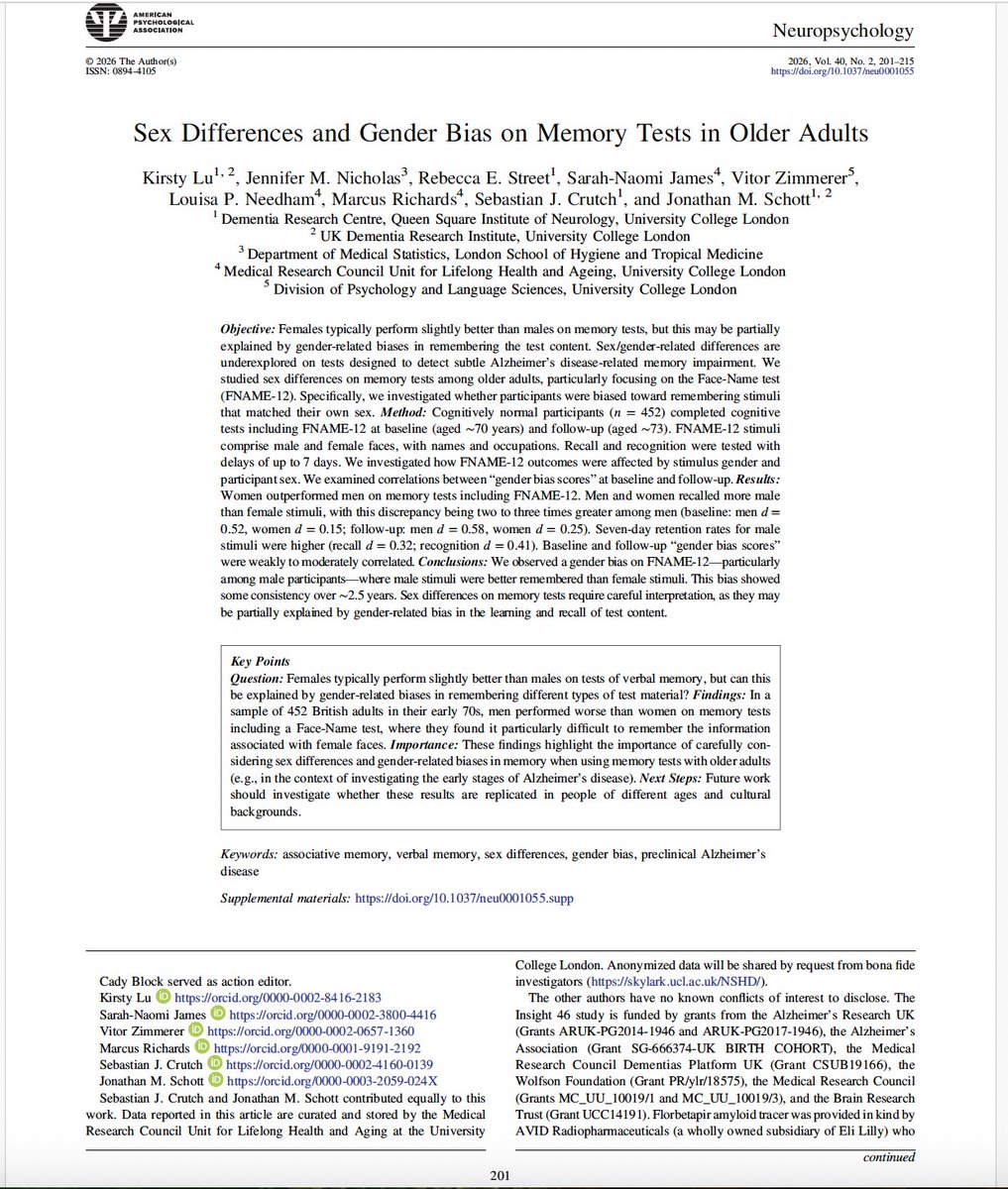
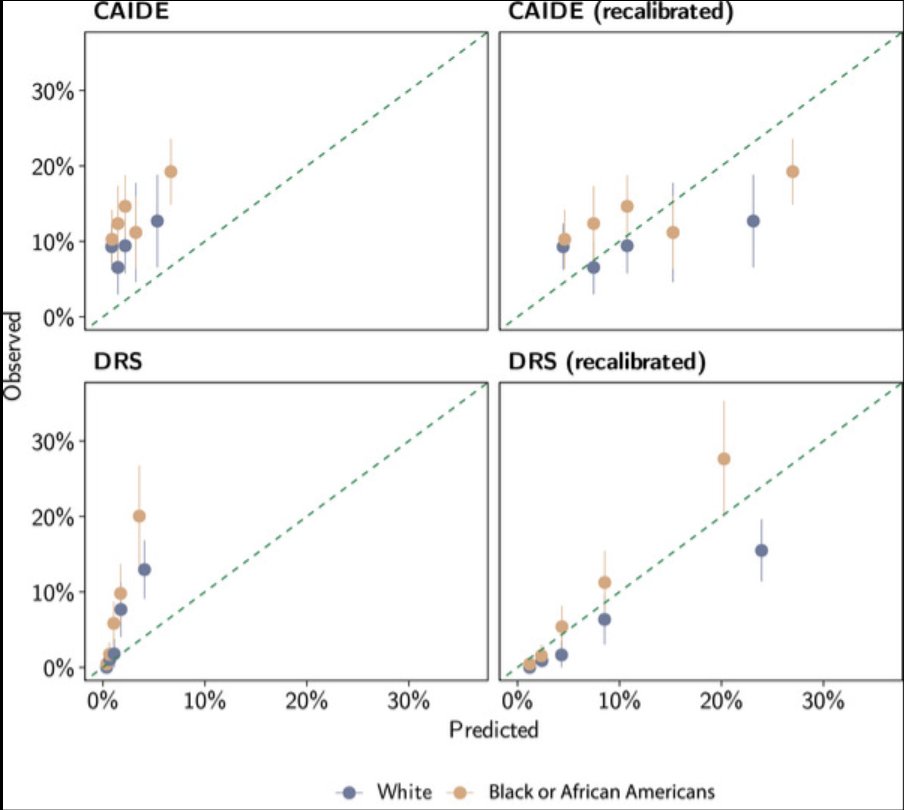
Are cognitive tests biased? If they are, do blood biomarkers have the potential to lessen these biases?
Read: https://t.co/XSk0CBfuVc
Click: https://t.co/AS7fPRTnrI
#WomensHealth#BrainHealth
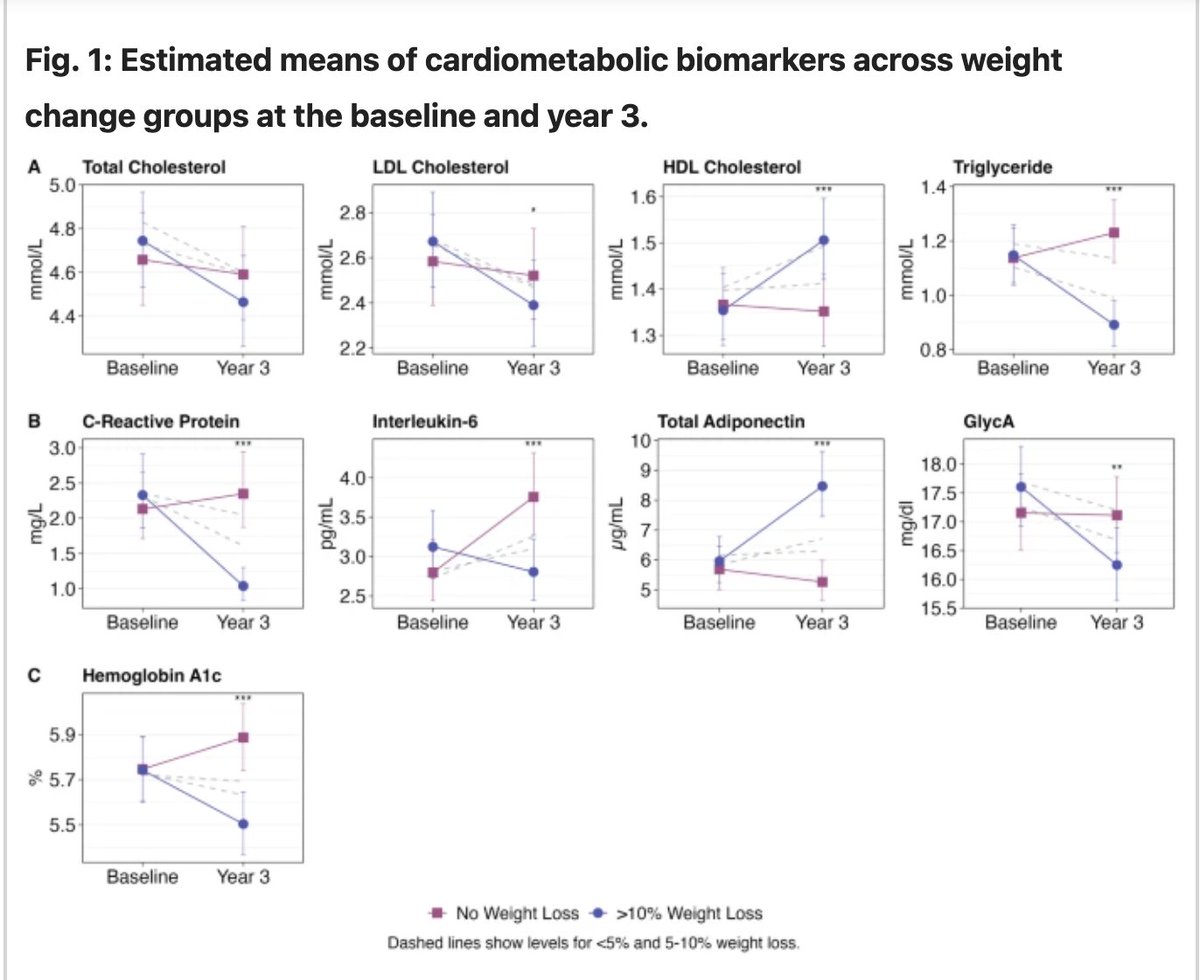
Dietary weight‑loss interventions improved cardiometabolic biomarkers linked to brain health. Are similar findings seen in post stroke patients receiving a diet intervention? We will know soon.
Check out the article here: https://t.co/ee5glrvFpv
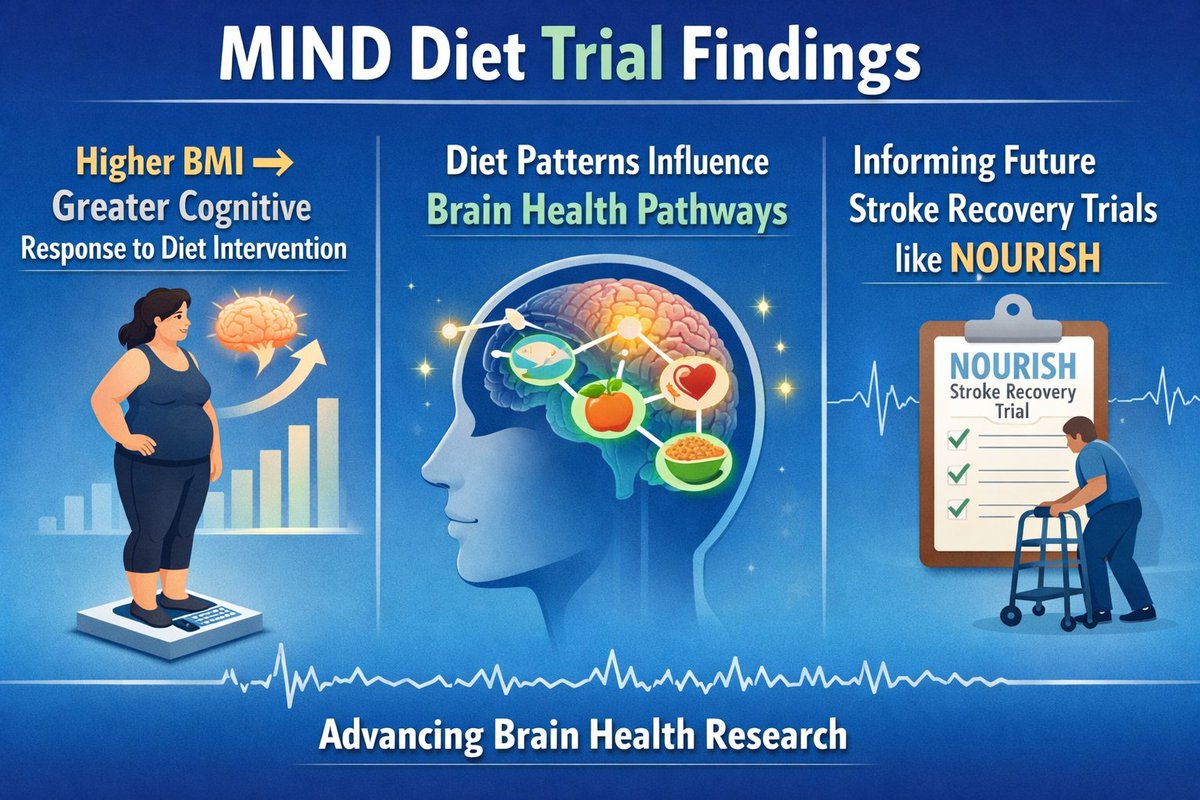
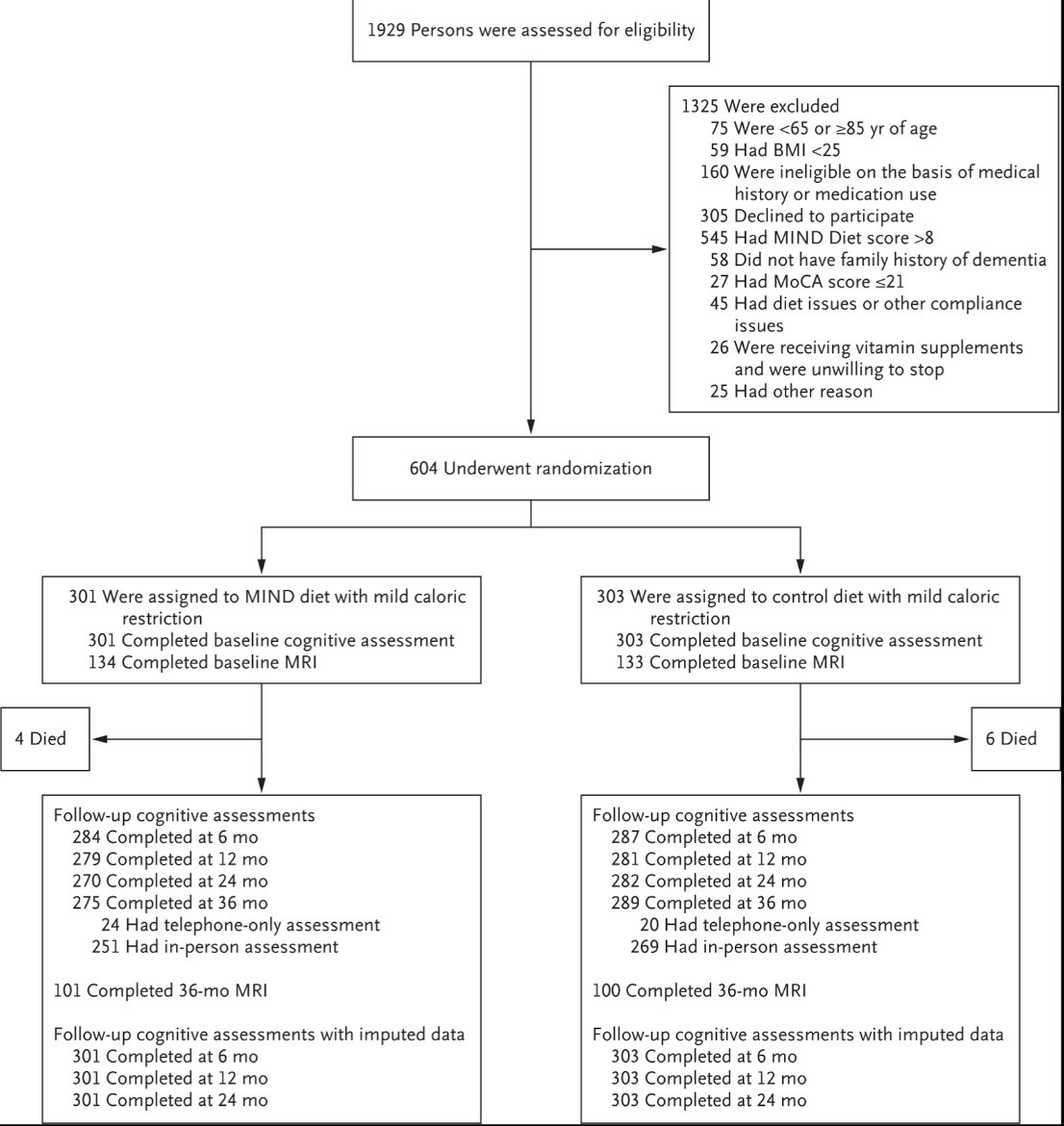
New findings from the MIND Diet Trial suggest BMI may influence cognitive response to diet interventions.
NOURISH investigators contributed to this work, helping inform how dietary interventions may influence cognitive outcomes after stroke.
https://t.co/MJj4HfGPMp
You Take Care of Everyone Else. Now Flip It.
We schedule our kids’ appointments.
Our partners’ appointments.
Our parents’ appointments.
But we postpone our own.
Your heart is not optional.
Your health is not negotiable.
Book the appointment.
Take the walk.
Ask the question.
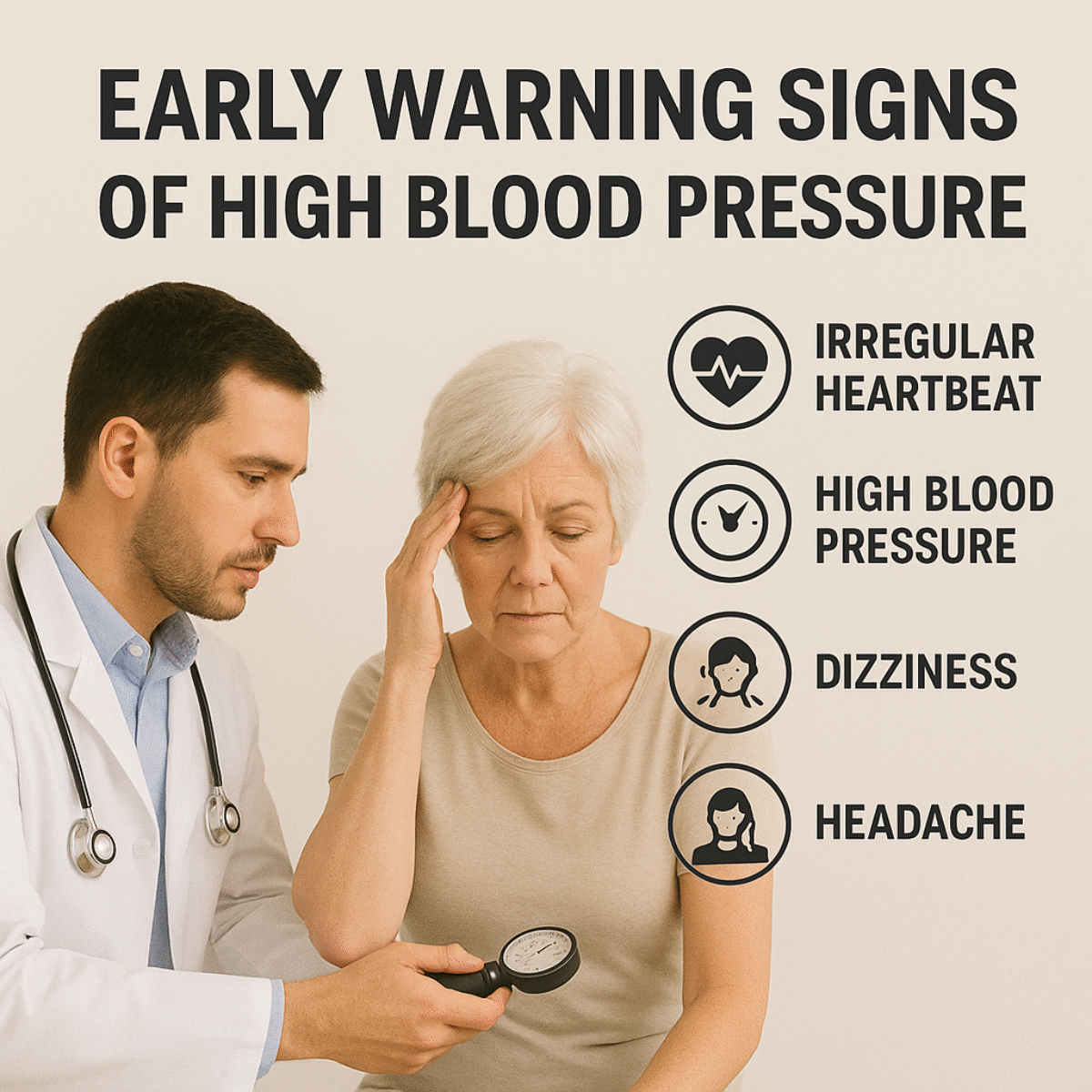
High Blood Pressure Has No Warning Sign
You can feel completely fine —and still have high blood pressure.
That’s why it’s called the “silent” issue.
Checking it is quick.
Ignoring it isn’t.
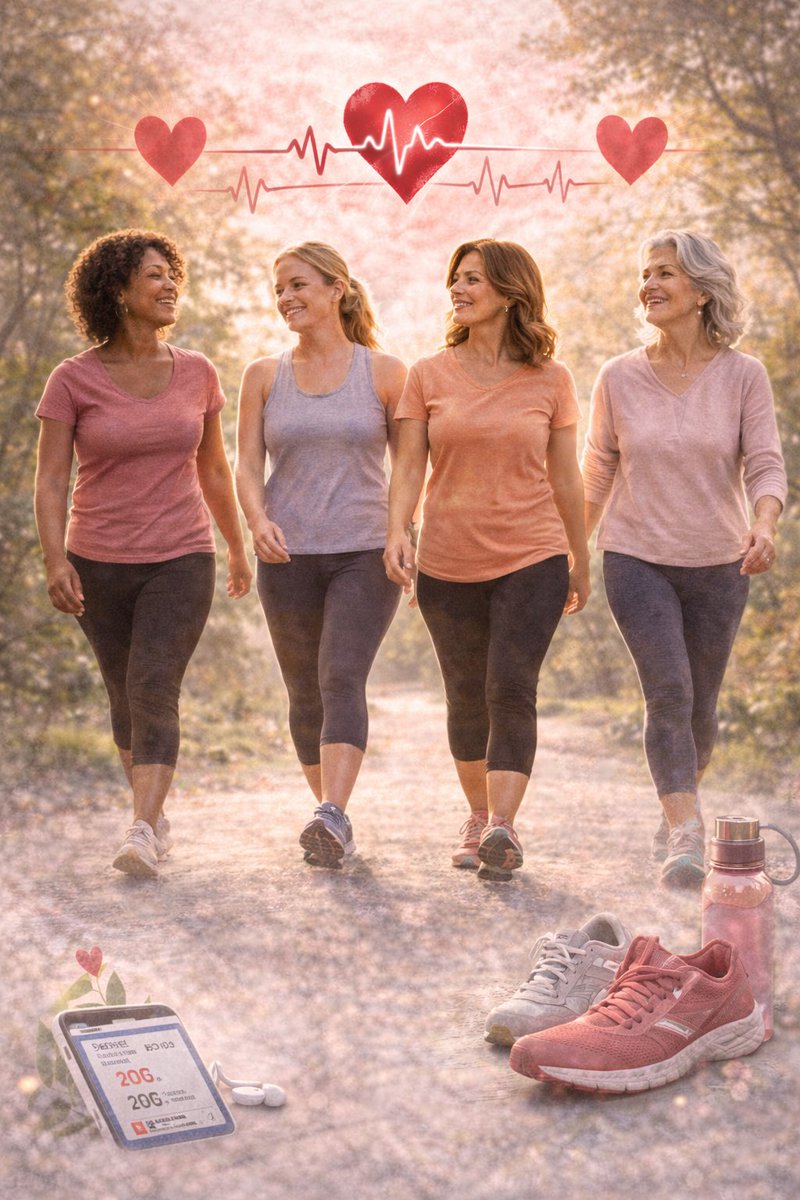
Walking Counts
You don’t need extreme workouts.
You don’t need to “train like an athlete.”
A brisk walk most days can lower your heart risk significantly.
Simple.
Consistent.
Effective.
Your Pregnancy History Matters
Did you have:
• High blood pressure during pregnancy?
• Gestational diabetes?
• Preeclampsia?
Those can be early clues about future heart risk.
Your OB history is part of your heart story.
Midlife Is a Heart Wake-Up Call
After menopause, heart risk goes up.
That’s not meant to scare you.
It’s meant to empower you.
This is the decade to:
❤️ Check your blood pressure
❤️ Know your cholesterol
❤️ Move your body more regularly
Midlife is not decline.
It’s a reset.
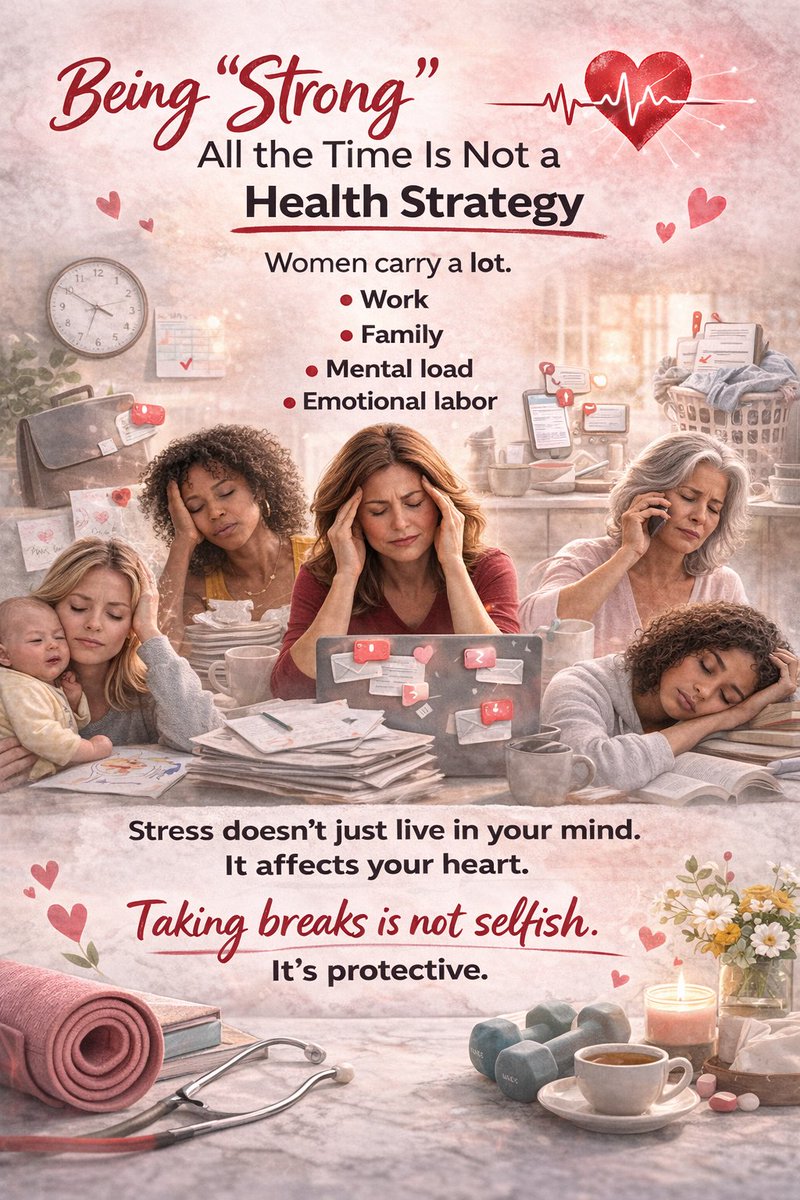
Being “Strong” All the Time Is Not a Health Strategy
Women carry a lot.
❤️ Work.
❤️ Family.
❤️ Mental load.
❤️ Emotional labor.
Stress doesn’t just live in your mind.
It affects your heart.
Taking breaks is not selfish.
It’s protective.
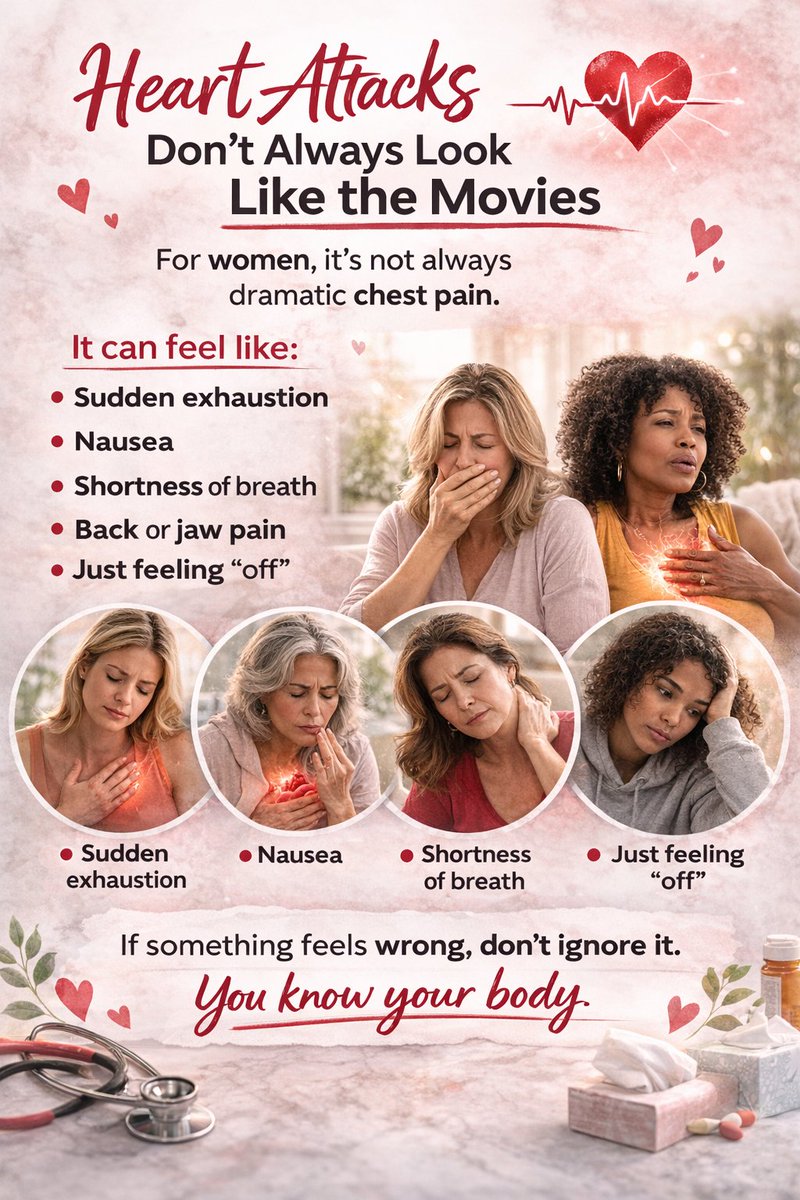
Heart Attacks Don’t Always Look Like the Movies
For women, it’s not always dramatic chest pain.
It can feel like:
• Sudden exhaustion
• Nausea
• Shortness of breath
• Back or jaw pain
• Just feeling “off”
If something feels wrong, don’t ignore it. You know your body.
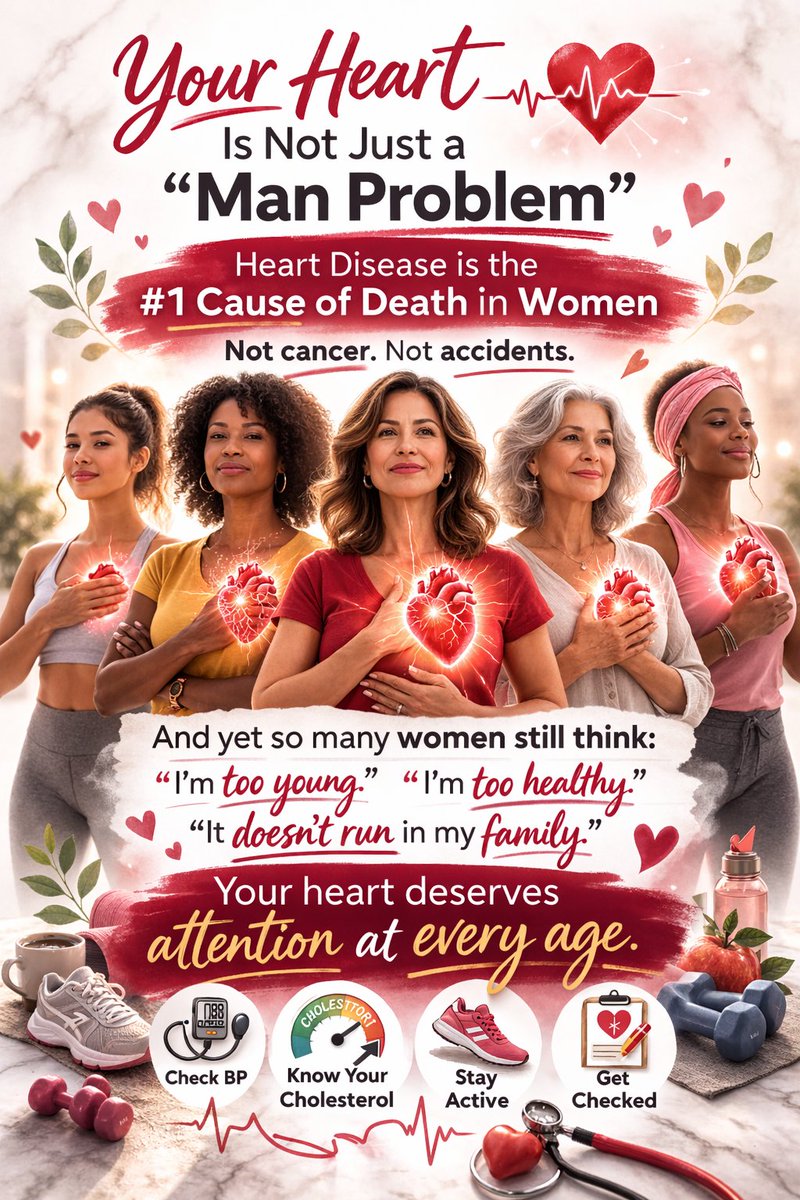
Your Heart Is Not Just a “Man Problem”
Heart disease is the #1 cause of death in women.
Not cancer. Not accidents.
And yet so many women still think,
❤️ “I’m too young.”
❤️ “I’m too healthy.”
❤️ “It doesn’t run in my family.”
Your heart deserves attention at every age.
ISC26 suggests that stroke survivors who feel unable to share fears/ feelings may experience more loneliness and worse 1 – year recovery outcomes, including cognition.
https://t.co/FcZYAWRd68
One of the interesting ISC2026 presentations highlighted a new risk calculator to predict dementia after stroke.
Our group has studied dementia risk prediction models across diverse populations (Alzheimer’s & Dementia, 2024): https://t.co/xynri6Fhvk
#ISC2026#StrokeRecovery
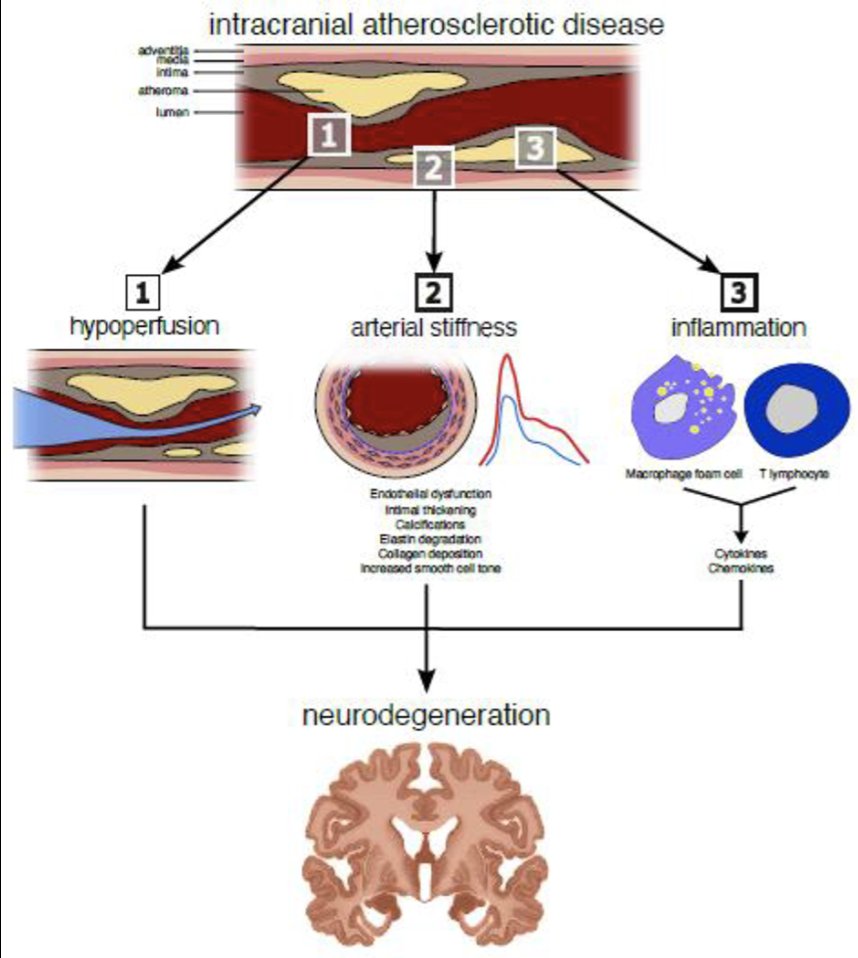
Vascular + neurodegenerative overlap is a key ISC2026 theme.
Our group’s work on MIND diet, and interest in ICAD informs NOURISH’s post-stroke home visit diet intervention model.
#ISC2026#BrainHealth
Lifestyle & secondary prevention are major ISC2026 themes.
Our group’s BMJ + AJCN work informs the NOURISH trial’s focus on dietary intervention after stroke.
Check them out:
https://t.co/KBFulfYIdS
https://t.co/lzeYQm1Nkj
#ISC2026#StrokePrevention
ISC2026 highlights growing recognition of post-stroke cognitive decline.
At NOURISH, we are testing whether MIND-aligned dietary intervention can influence vascular + neurodegenerative pathways after stroke.
Stroke is a brain health inflection point.
#ISC2026#StrokeRecovery
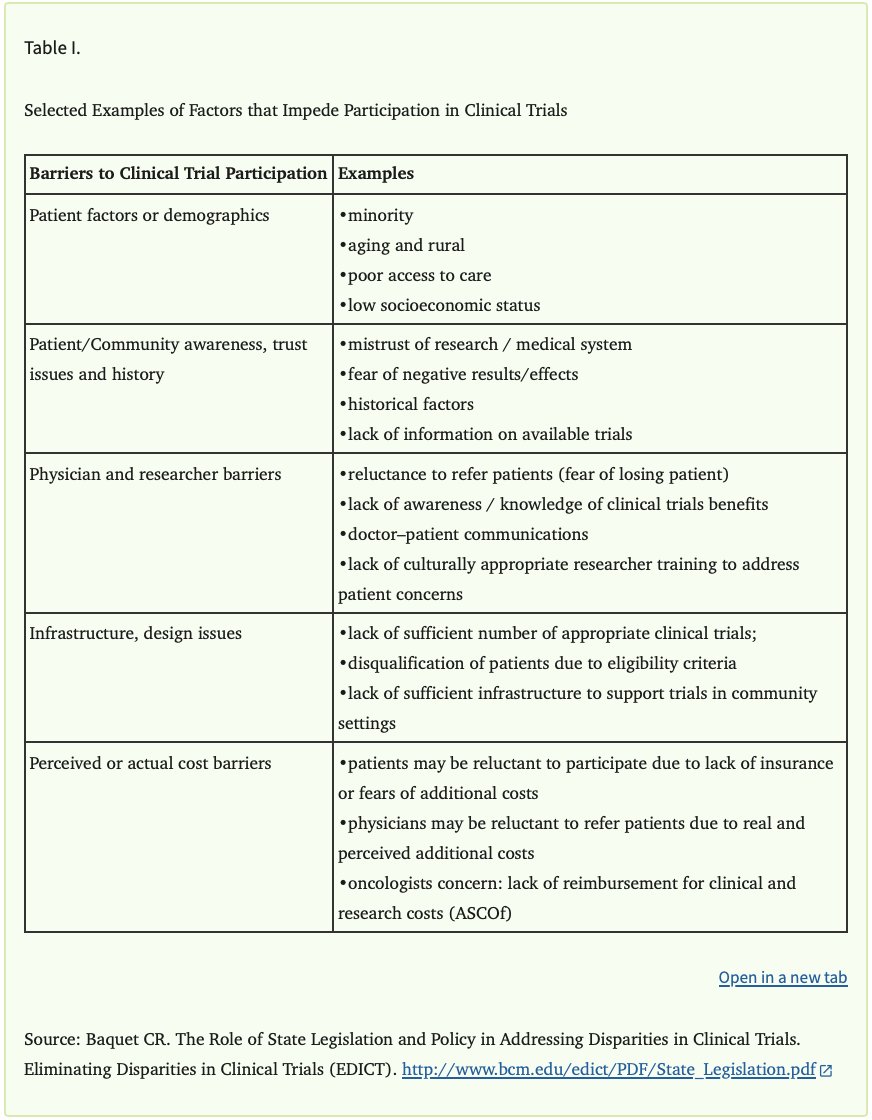
Two papers worth revisiting as we rethink recruitment and what should be included in access pathways in neurology:
1. Clinical Trials — The Art of Enrollment
2. Incentives and Barriers to Neurological Clinical Research Participation
Read: https://t.co/3iORXKBQyc