Myth Vs Fact
Myth: Children outgrow obesity.
Fact: It often continues into adulthood.
Early support matters; speak to a healthcare professional. #KnowYourNumbers
Did you know? BMI is interpreted differently for kids and teens than for adults. Their BMI takes into account their age and sex relative to those of their peers. This is because they are still growing. #KnowYourNumbers
Madaraka Day celebrates Kenya’s attainment of self-rule.
In the same spirit, let’s take charge of our health through prevention, early screening, and informed decisions.
Happy Madaraka Day!
The Ministry of Health, D4HL, Nairobi City County and Huduma Centre, is holding a free wellness screening at Huduma Centre GPO to raise awareness about Non-Communicable Diseases, including hypertension and encourage Kenyans to #KnowYourNumbers through regular screening
Myth vs Fact:
Myth: BMI shows body composition
Fact: BMI measures weight and height only.
For body composition, consider a dual-energy X-ray absorptiometry (DEXA) scan. The scan measures bone density and clearly shows the distribution of fat and muscle in the body.
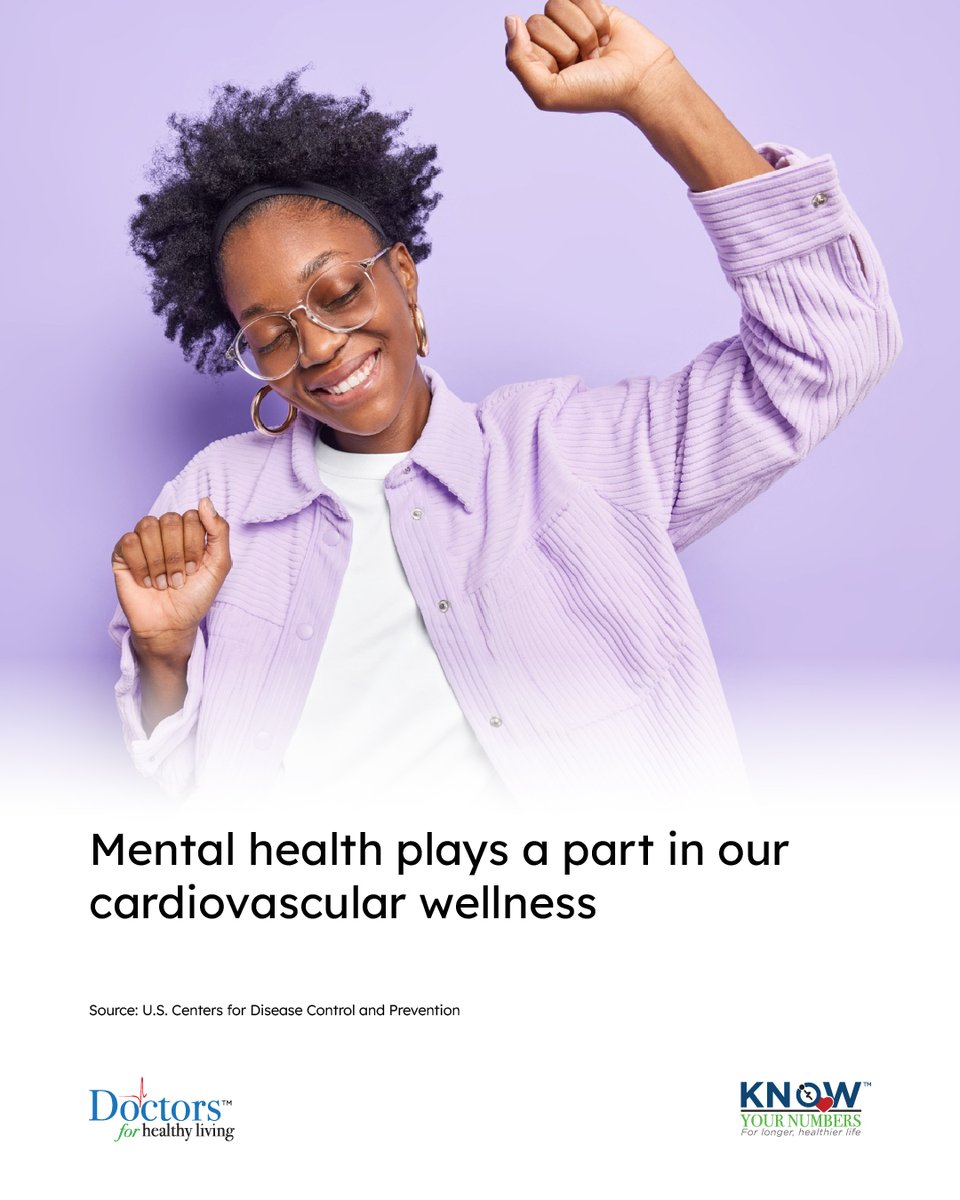
Myth: Mental health doesn’t affect your heart.
Fact: Depression, anxiety and long-term stress can raise blood pressure and heart rate over time. Mental well-being supports heart health. #KnowYourNumbers
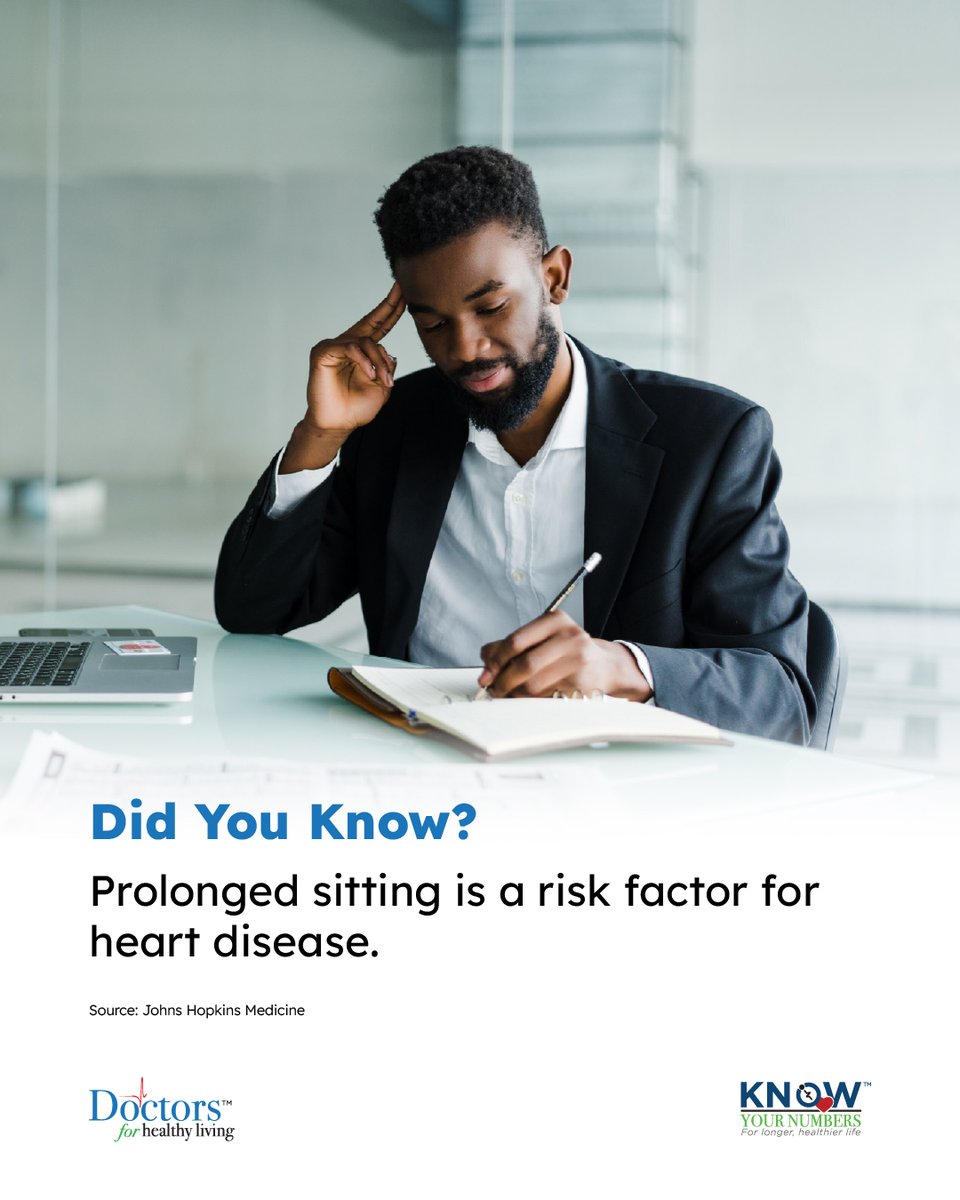
Did You Know? Sitting for long periods increases your risk of heart disease. Too much inactivity isn’t good for your heart. Stand up. Stretch. Take a short walk. #KnowYourNumbers
The ABCs of a healthy heart
A – Abstain from smoking
B – Manage BMI
C – Control stress
D – Eat a balanced diet
E – Exercise
Small daily steps = big heart benefits! #KnowYourNumbers
Let's debunk a common myth.
Myth: Young people don’t get heart problems.
Fact: They can, and rising obesity and type 2 diabetes are contributing factors. Awareness matters. #KnowYourNumbers
A healthy weight supports a healthy heart.
Extra weight puts added strain on the heart and blood vessels.
Stay active and eat well to protect your heart. #KnowYourNumbers
Your sleep affects your heart. Not getting enough sleep raises your risk of a heart attack and other heart problems. Adults should aim for 7 hours of sleep each night. How many hours do you get? #KnowYourNumbers
Did You Know?
A heart attack occurs when blood flow to the heart muscle is reduced or blocked.
Look after your heart; your health depends on it. #KnowYourNumbers