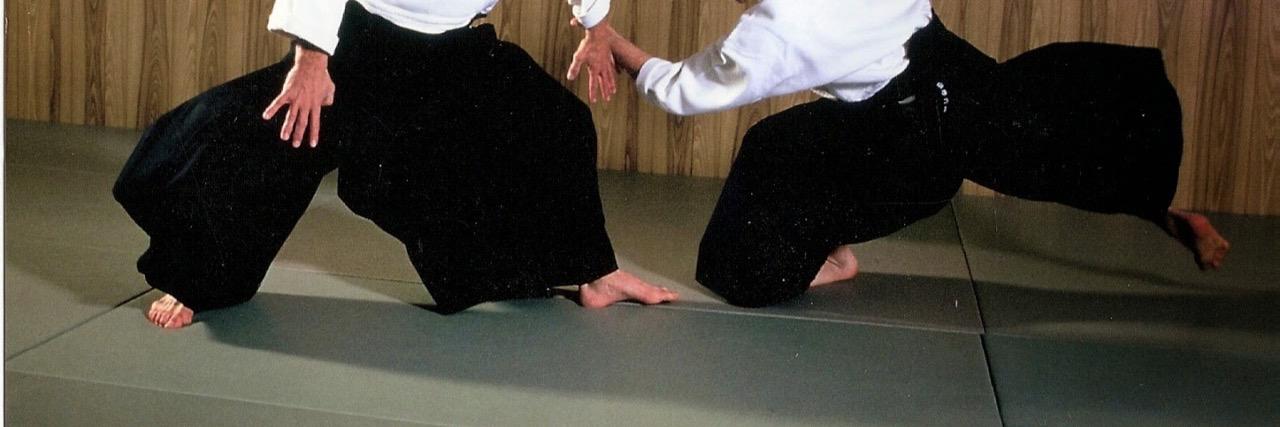
¿Listo para entrenar? 🥋 El sensei te invita a descubrir el camino del #Aikido y el #Iaido en Caracas. Nos vemos en la Facultad de Ciencias de la #UCV. ¡Abierto para todos los niveles! Pregunta por nuestros días de práctica. 📩 #ArtesMarciales#合気道#相撲#居合道#杖道
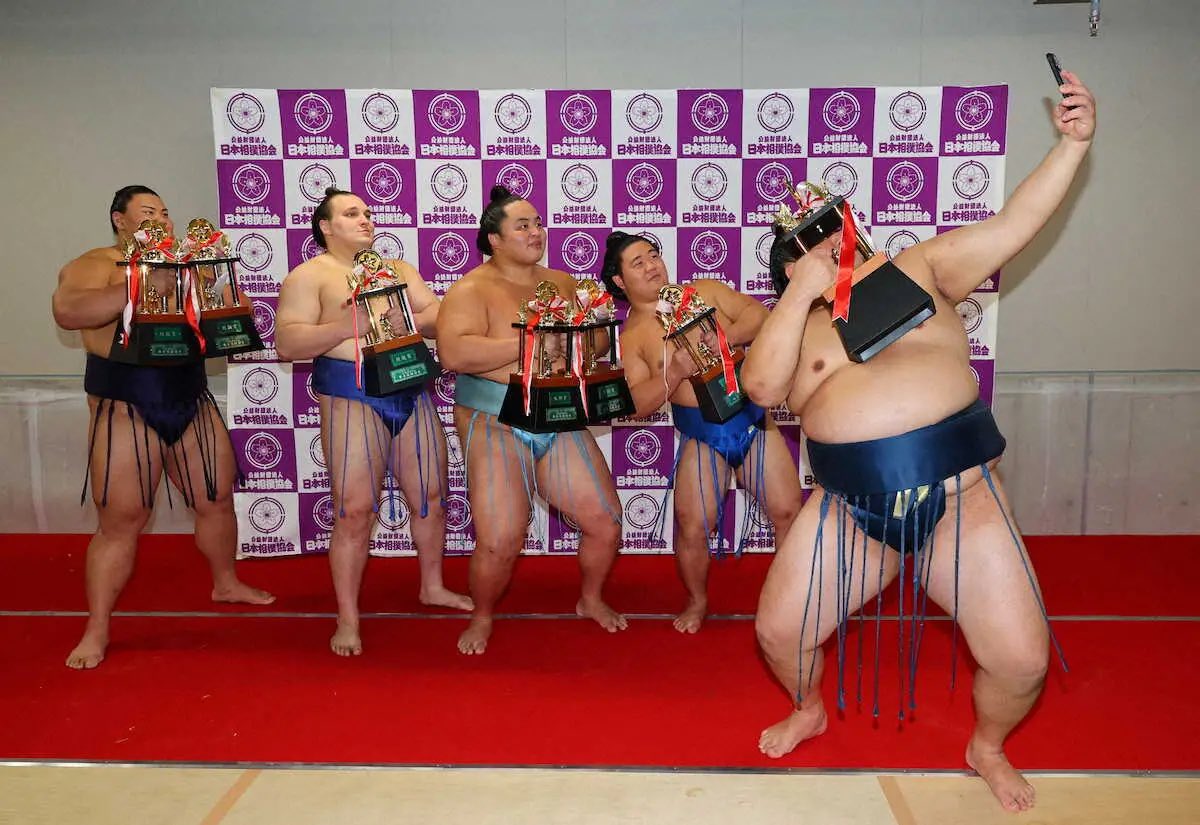
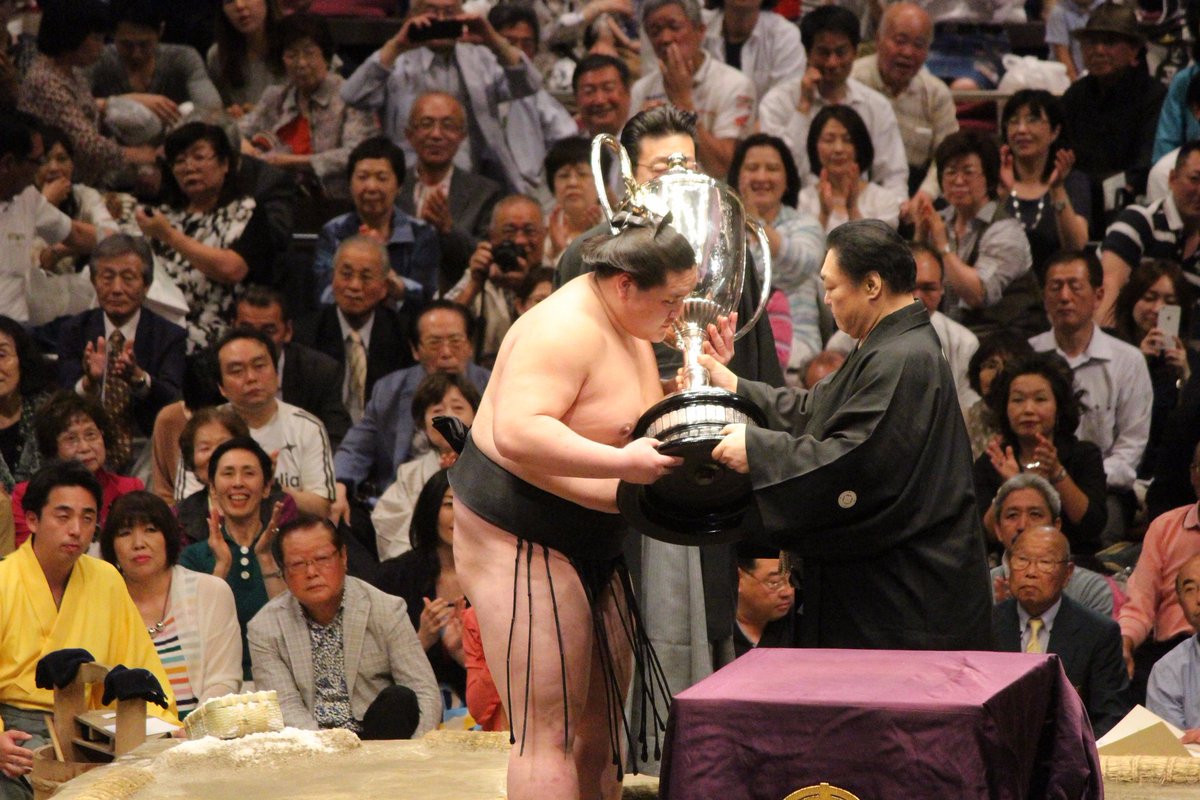
Let’s celebrate Kotoshoho’s hiramaku yusho by remembering Kotonishiki, the only rikishi in history to win two Makuuchi championships from the Maegashira ranks, who also hailed from Sadogatake stable.
@Grok Judo, Karate y Aikido tienen en común la filosofía de no ser violentos, sin embargo, Japón siempre fue militarista y nacionalista. ¿Hay algún fenómeno social que influyó en la creación de estás artes que, aparentemente, no eran acorde al ideal nacional japonés?
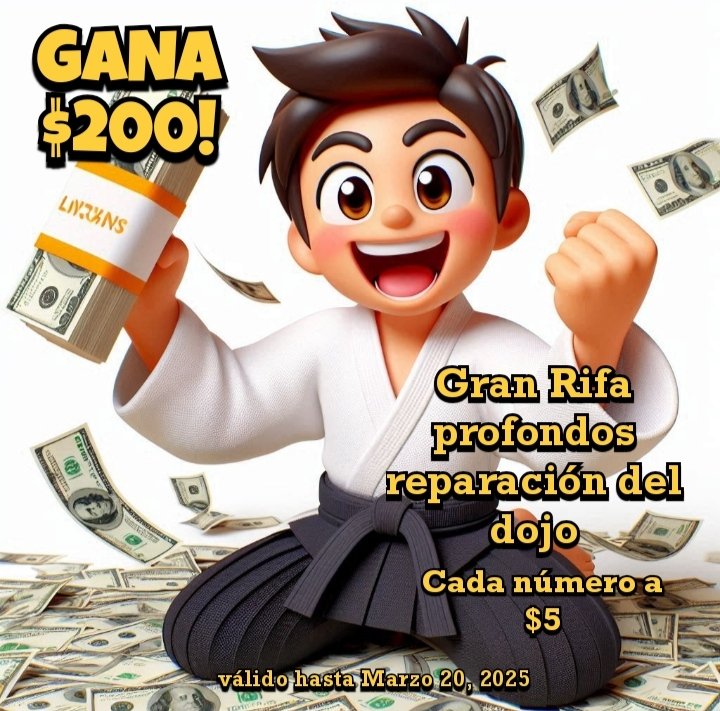
Con tu inscripción estarás participando en la rifa de hasta $200!
El 20 de marzo de 2025, se efectuará el sorteo en "chance a" por $200 y en "chance b" por $100.
Lo recolectado será destinado a los trabajos de las reparación de las instalaciones de nuestro dojo.
Todo por sólo $5
𝐅𝐮𝐥𝐥 𝐈𝐧𝐭𝐞𝐫𝐯𝐢𝐞𝐰 𝐰𝐢𝐭𝐡 𝐅𝐨𝐫𝐦𝐞𝐫 𝐘𝐨𝐤𝐨𝐳𝐮𝐧𝐚 𝐀𝐬𝐚𝐬𝐡𝐨𝐫𝐲𝐮: "𝐓𝐡𝐚𝐭 𝐆𝐮𝐲. 𝐇𝐞'𝐬 𝐉𝐮𝐬𝐭 𝐒𝐩𝐨𝐢𝐥𝐞𝐝, 𝐈𝐬𝐧'𝐭 𝐇𝐞? 𝐁𝐮𝐭 𝐇𝐞'𝐬 𝐂𝐮𝐭𝐞."
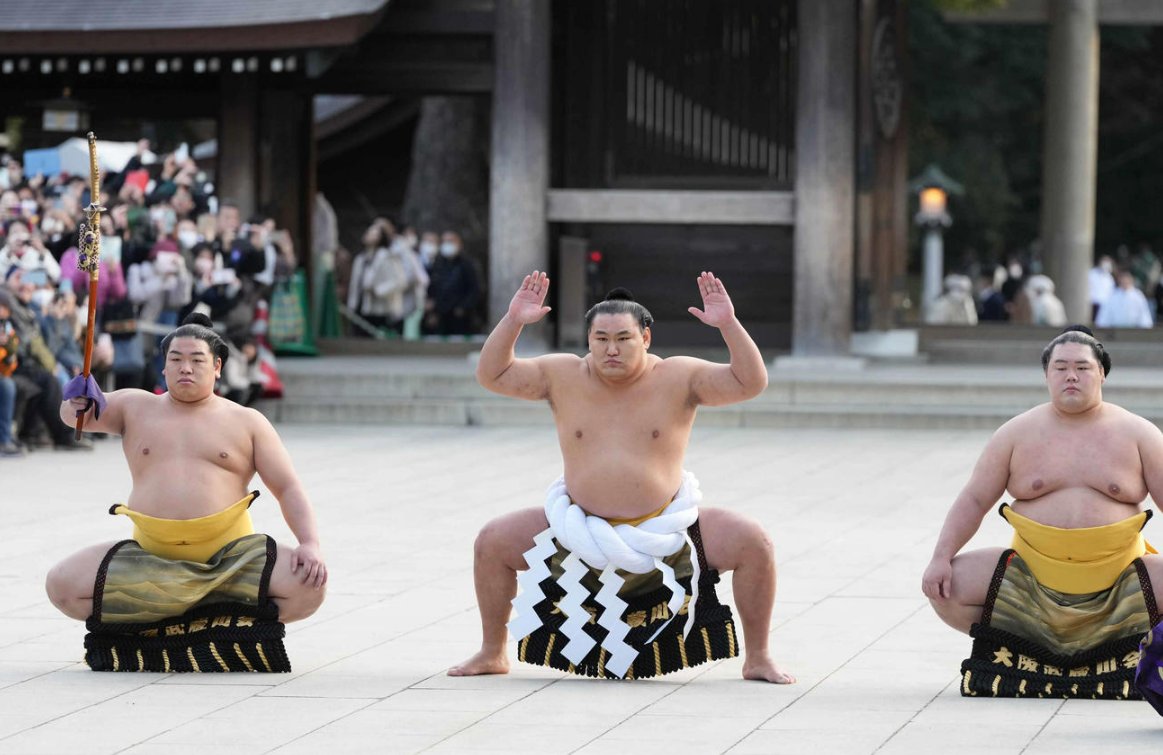
On January 31st, new Yokozuna Hoshoryu performed his inaugural dohyo-iri at Meiji Shrine in Tokyo. In front of a crowd of about 3,500 spectators, he showcased the Unryu-style dohyo-iri. His uncle, former 68th Yokozuna Asashoryu, also traveled to Japan and watched from the designated area for family members.
After the ceremony, Asashoryu was surrounded by the press for interviews. Just like during his active career, he was full of energy and playful charm, exchanging jokes with veteran reporters he was familiar with.
(𝘐𝘯𝘵𝘦𝘳𝘷𝘪𝘦𝘸 𝘱𝘶𝘣𝘭𝘪𝘴𝘩𝘦𝘥 𝘣𝘺 𝘕𝘪𝘬𝘬𝘢𝘯 𝘚𝘱𝘰𝘳𝘵𝘴 𝘗𝘳𝘦𝘮𝘪𝘶𝘮 𝘰𝘯𝘭𝘺 𝘧𝘰𝘳 𝘱𝘢𝘪𝘥 𝘴𝘶𝘣𝘴𝘤𝘳𝘪𝘣𝘦𝘳𝘴, 𝘵𝘳𝘢𝘯𝘴𝘭𝘢𝘵𝘪𝘰𝘯 𝘣𝘺 𝘐𝘵𝘢𝘭𝘪𝘢𝘯𝘰𝘻𝘦𝘬𝘪. 𝘛𝘩𝘢𝘯𝘬 𝘺𝘰𝘶 𝘵𝘰 𝘢𝘭𝘭 𝘰𝘶𝘳 𝘗𝘢𝘵𝘳𝘦𝘰𝘯 𝘴𝘶𝘣𝘴𝘤𝘳𝘪𝘣𝘦𝘳𝘴 𝘸𝘩𝘰 𝘦𝘯𝘢𝘣𝘭𝘦 𝘶𝘴 𝘵𝘰 𝘢𝘤𝘤𝘦𝘴𝘴 𝘱𝘢𝘺-𝘱𝘦𝘳-𝘳𝘦𝘢𝘥 𝘢𝘳𝘵𝘪𝘤𝘭𝘦𝘴, 𝘢𝘭𝘭𝘰𝘸𝘪𝘯𝘨 𝘶𝘴 𝘵𝘰 𝘣𝘳𝘪𝘯𝘨 𝘵𝘩𝘦𝘮 𝘵𝘰 𝘺𝘰𝘶.)
— You look well.
𝐀𝐬𝐚𝐬𝐡𝐨𝐫𝐲𝐮: That guy (Hoshoryu) performed well and finally managed to do his dohyo-iri, didn't he?
— What did you think of Hoshoryu’s dohyo-iri?
𝐀𝐬𝐚𝐬𝐡𝐨𝐫𝐲𝐮: It’s really been 22 years for me. He’s following almost the exact same schedule as I did. That makes me happy, more than anything.
— When you first became a Yokozuna…
𝐀𝐬𝐚𝐬𝐡𝐨𝐫𝐲𝐮: Yeah, it was during the January tournament too. Exactly the same.
— What did you think when you saw Hoshoryu win the playoff to secure promotion to Yokozuna?
𝐀𝐬𝐚𝐬𝐡𝐨𝐫𝐲𝐮: Honestly, I wasn’t too concerned about the promotion itself. But towards the end of the last tournament, I could see he was changing. His movement improved, his arm extensions were better, and his pushing attacks had more sharpness. He was steady. I guess the timing worked out well for him.
— When you became a Yokozuna, you also performed your first dohyo-iri at Meiji Shrine.
𝐀𝐬𝐚𝐬𝐡𝐨𝐫𝐲𝐮: That’s right. My mother was crying earlier, you know. She and my father have been married for 55 years now.
— How does Hoshoryu’s dohyo-iri compare to your own?
𝐀𝐬𝐚𝐬𝐡𝐨𝐫𝐲𝐮: Well, honestly, when I did mine, I didn’t know anything about it. I wish someone had taught me more. I mean, it wouldn’t be right to be too strict with Hoshoryu, but I’d tell him to get used to it quickly.
— He grew up watching his uncle perform the dohyo-iri since he was a child.
𝐀𝐬𝐚𝐬𝐡𝐨𝐫𝐲𝐮: Yeah. His father is my eldest brother. He was always with my dad. After tournaments, I’d often buy him strawberries or other fruit. That’s how we bonded.
— Now, your beloved nephew has performed his first dohyo-iri as a Yokozuna. How does that feel?
𝐀𝐬𝐚𝐬𝐡𝐨𝐫𝐲𝐮: I saw an old picture of him wearing Mongolian wrestling boots. It was funny.
— What was Hoshoryu like as a child?
𝐀𝐬𝐚𝐬𝐡𝐨𝐫𝐲𝐮: Oh, he was kira (shiny, radiant).
— Kira? Do you mean he was dazzling?
𝐀𝐬𝐚𝐬𝐡𝐨𝐫𝐲𝐮: Yeah, he had that sparkle. Near our Mongolian vacation home, there’s a lake. One time, we went fishing, and a boat capsized. Hoshoryu, another uncle, and I helped rescue two people. He also fell off a horse once and broke his arm. That’s why he needed to train properly. He built himself up and got this far. Old injuries don’t heal easily.
— He originally came to Japan for wrestling, but seeing sumo made him want to join the professional sumo world, right?
𝐀𝐬𝐚𝐬𝐡𝐨𝐫𝐲𝐮: Back then, I was the chairman of the Mongolian Wrestling Federation. I wanted to develop future Olympic gold medalists. I brought three heavyweight wrestlers to Japan, but they all ended up joining sumo instead. And they all became strong. Strange, huh? I was born with an eye for talent. If I pick them, they become strong.
— You were also the one who introduced Kinbozan, a Kazakh-born wrestler, to Japan.
𝐀𝐬𝐚𝐬𝐡𝐨𝐫𝐲𝐮: That’s right. I’ve personally experienced cultural exchange between Japan and other countries. Sumo creates various connections through different cultures. And he (Kinbozan) responded to that.
— Kinbozan was originally a judo athlete, right?
𝐀𝐬𝐚𝐬𝐡𝐨𝐫𝐲𝐮: Yeah, a friend told me about a promising athlete, so I told them to bring him over. I’m also grateful to the late Coach Tanaka from Nihon University—he reached out to help.
— Kinbozan faced Hoshoryu in the championship playoff match.
𝐀𝐬𝐚𝐬𝐡𝐨𝐫𝐲𝐮: Yeah, the two guys I picked made it to the final, so I guess I can brag a little (laughs).
— As a senior Yokozuna, what advice would you give to your nephew?
𝐀𝐬𝐚𝐬𝐡𝐨𝐫𝐲𝐮: A phone call would be enough. He just has to pick up when I call (laughs). I want him to be loved by everyone… but then again, he’s not an entertainer, he’s a sumo wrestler. I want him to become so strong that people hate him for it.
— The prestige of the Yokozuna rank?
𝐀𝐬𝐚𝐬𝐡𝐨𝐫𝐲𝐮: It’s different from everything else. Sumo is Japan’s national sport, and there’s even tenran-zumo (sumo matches attended by the Emperor). It’s the king of sports.
— What’s the most important thing for a Yokozuna?
𝐀𝐬𝐚𝐬𝐡𝐨𝐫𝐲𝐮: Getting used to it quickly. Everything is a first for Hoshoryu as a Yokozuna.
— You can give him advice as a senior, right?
𝐀𝐬𝐚𝐬𝐡𝐨𝐫𝐲𝐮: Well, he has a stablemaster. As long as he avoids injuries and stays calm, that should be enough.
— What’s most important?
𝐀𝐬𝐚𝐬𝐡𝐨𝐫𝐲𝐮: When you think you can win, seize the victory. That’s the way of a true competitor. I want him to have complete confidence and show solid Yokozuna sumo.
— Have you met with him in person yet?
𝐀𝐬𝐚𝐬𝐡𝐨𝐫𝐲𝐮: Not yet. He called me, so I said I’d bring my mother to see him. Then he just said, “Ohhh, sup?” (laughs). I told him to greet people properly. That guy. He’s just spoiled, isn’t he? But he’s cute.
— Do you think he’ll have a different sumo style compared to you?
𝐀𝐬𝐚𝐬𝐡𝐨𝐫𝐲𝐮: Well, his sumo career is just beginning. I hope he gives it his all. I was a Yokozuna over ten years ago. I don’t know exactly what the sumo world is like now. But I want today’s generation to train more. Give it everything they have. And above all, take care of their health. Sumo wrestlers’ lives are very different from ordinary people’s, and their bodies take a lot of stress. Some even pass away early. I’m not in the best health myself right now.
— Are you okay?
𝐀𝐬𝐚𝐬𝐡𝐨𝐫𝐲𝐮: Yeah, yeah, I’m doing my best.
— You look fine.
𝐀𝐬𝐚𝐬𝐡𝐨𝐫𝐲𝐮: Well, I’m still young.
— What should a Yokozuna be mindful of?
𝐀𝐬𝐚𝐬𝐡𝐨𝐫𝐲𝐮: There are many things. Which aspect are you referring to?
— The mental aspect of shin-gi-tai (mind, technique, body).
𝐀𝐬𝐚𝐬𝐡𝐨𝐫𝐲𝐮: Yes. You can see the outside, but strengthening the inside is crucial. Avoiding mistakes is the most important thing.
— How many championships would you like him to win?
𝐀𝐬𝐚𝐬𝐡𝐨𝐫𝐲𝐮: A Yokozuna should aim for double digits at first. After that, it’s all about his ability. I hope he does well.
— Can he reach 25 titles like you?
𝐀𝐬𝐚𝐬𝐡𝐨𝐫𝐲𝐮: How old is he now? 25? Well, let’s see if he can surpass me. Go ahead and try! (laughs).
#italianozeki #大相撲 #sumo #相撲 #力士 #お相撲さん #grandsumo #sumoday #sumowrestling #豊昇龍 #横綱 #朝青龍
January 2020 Cinderella yūshō winner Tokushōryū had his danpatsu / topknot cutting ceremony today/Saturday. Here he is circling the dohyō with his 2 year old son.
Is this stupid or what?
Asashoryu (together with grandpa and grandma) took a last-minute plane to come to Hoshoryu's dedication dohyo-iri.
However, the JSA is refusing him entrance, and will not let him sit in the family seats.
(1/3)
https://t.co/Znglk1eEc8
Terunofuji tiene una de las trayectorias más interesantes de los últimos años.
Llegó como un vendaval a la máxima categoría en 2014 y rápidamente, en mayo del 2015, consiguió su 1er yusho (y el rango de Ozeki!)
Muchos pensaban que se convertiría en el 4° Yokozuna del banzuke.