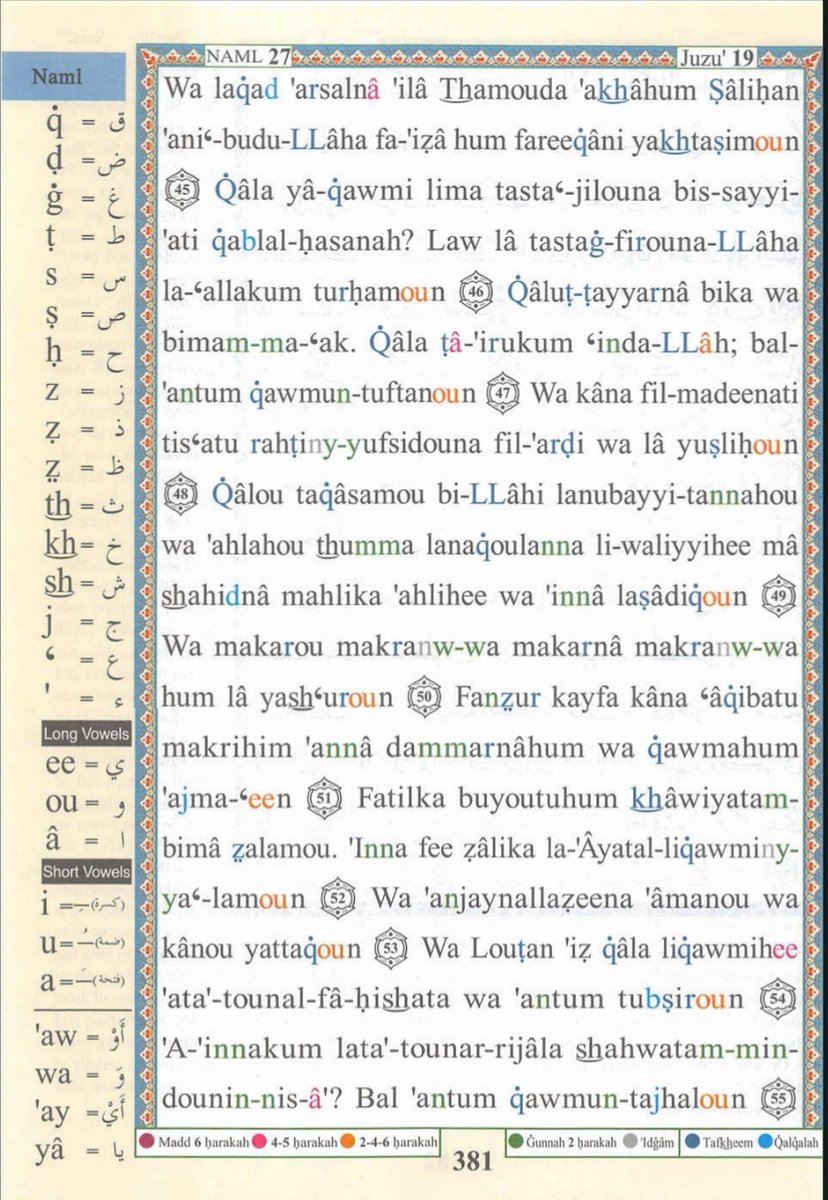
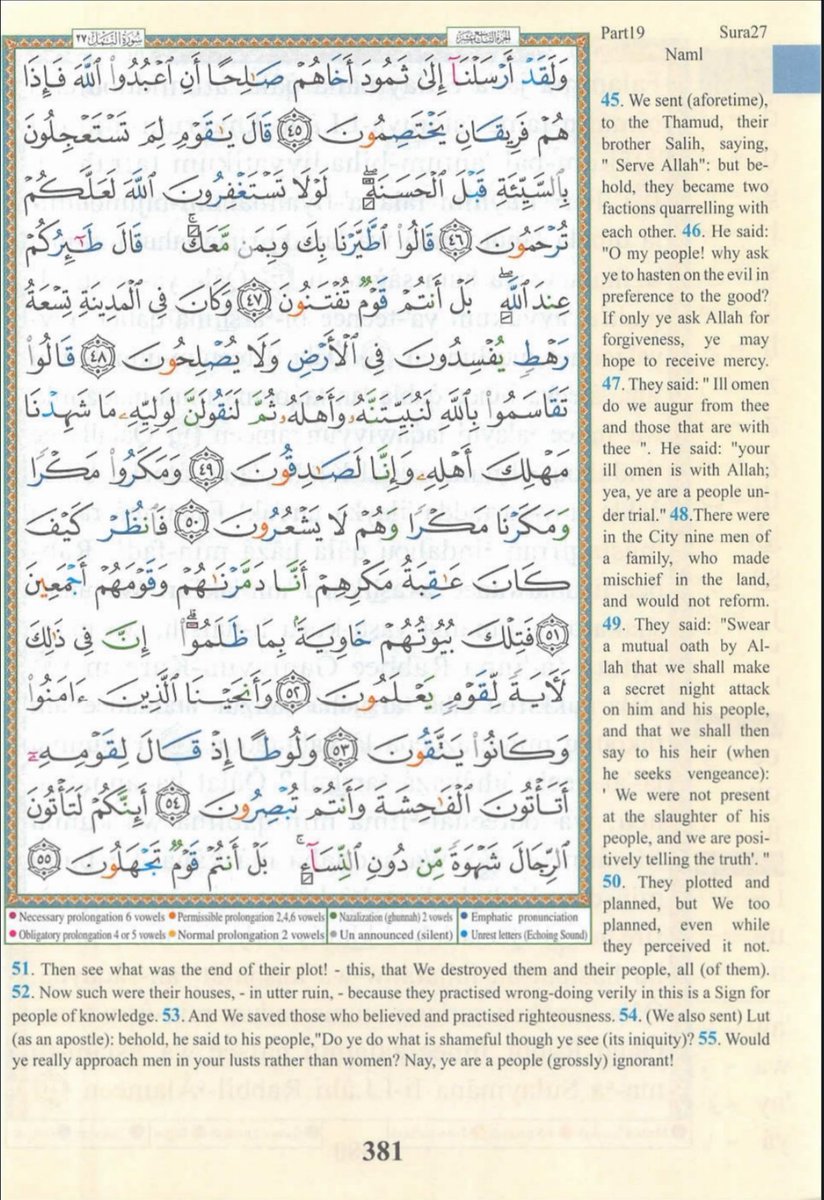
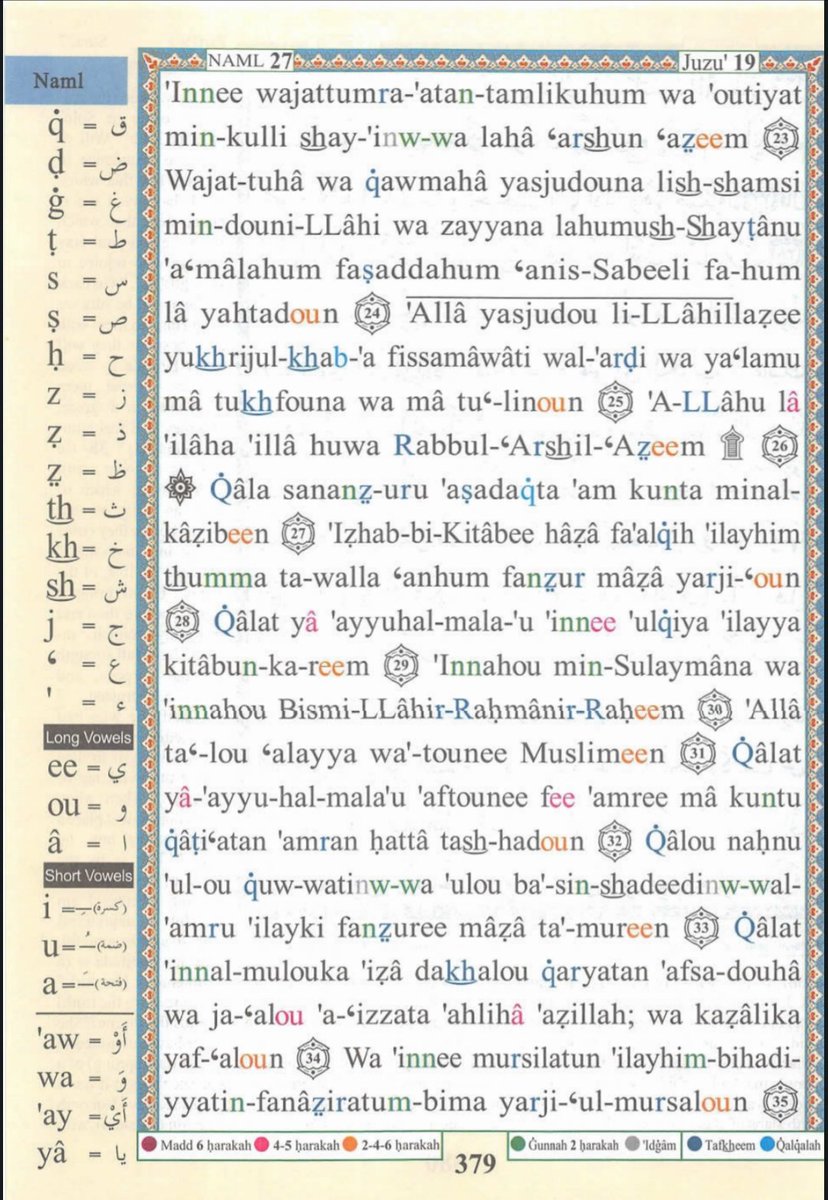
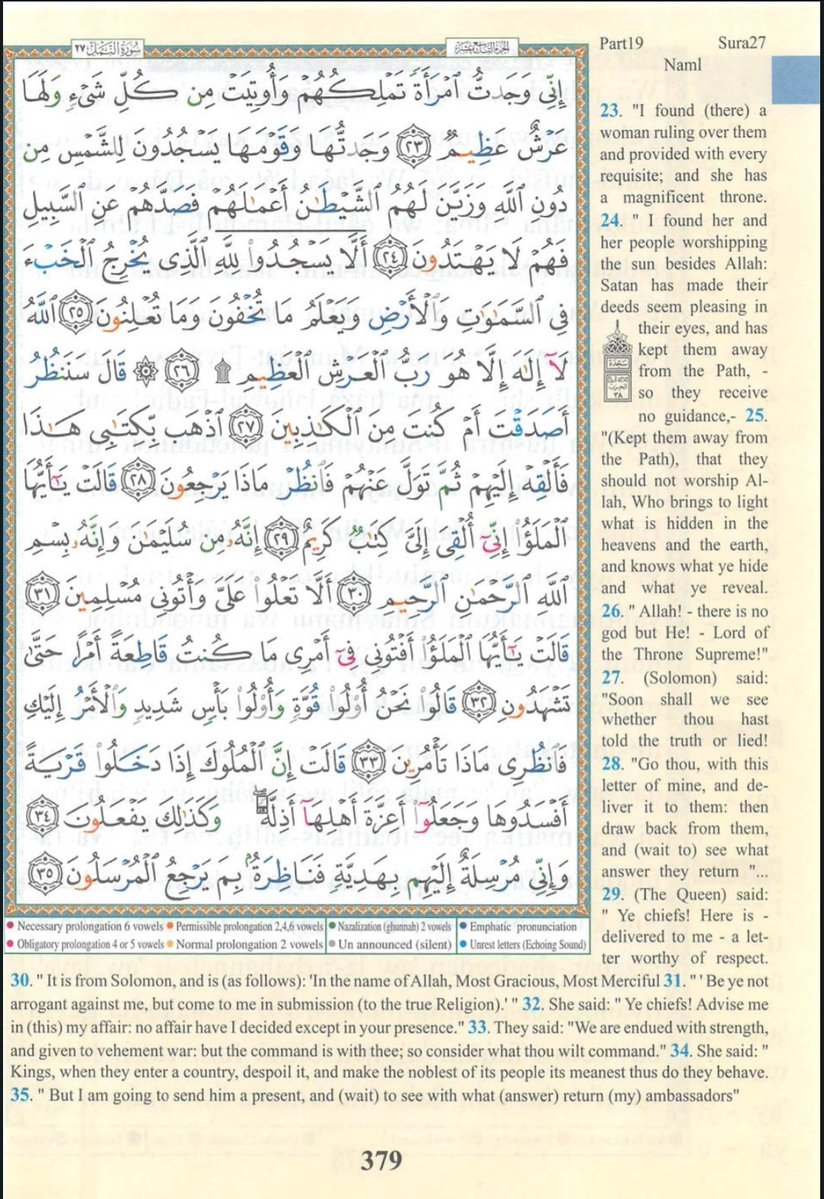
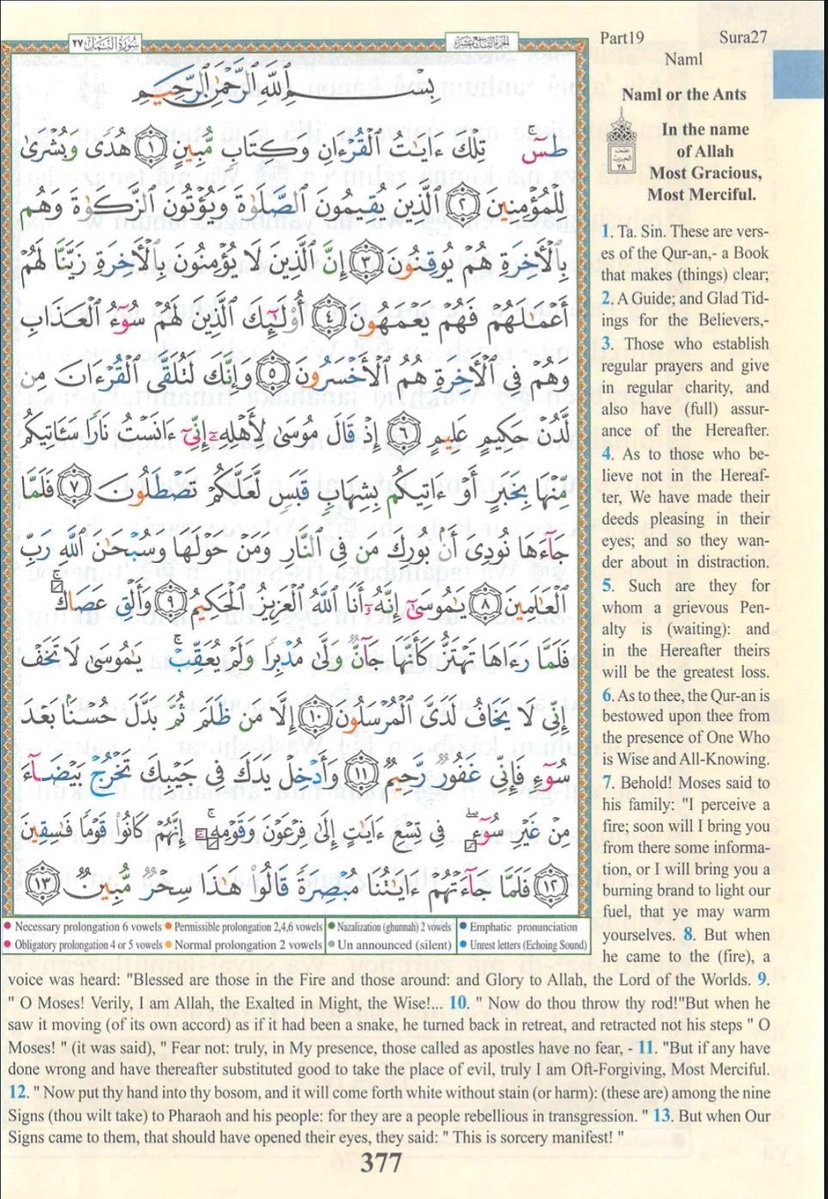
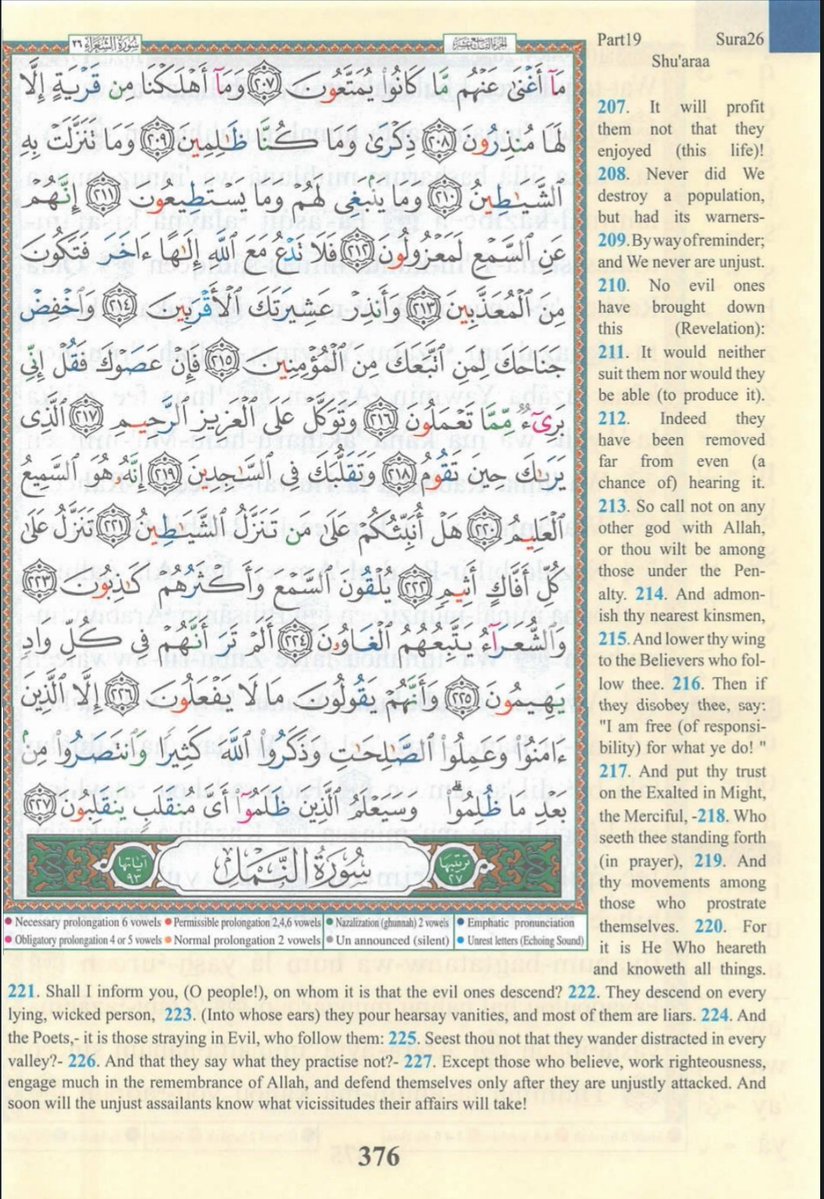
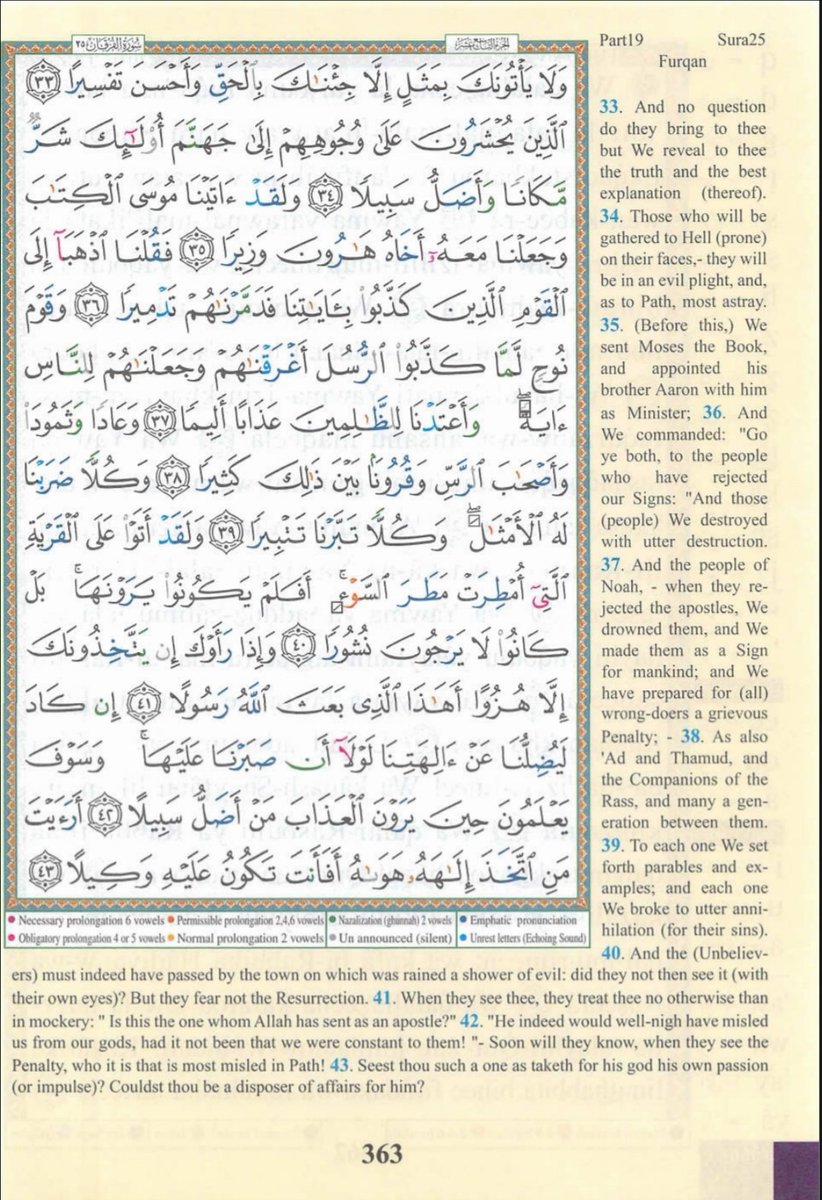
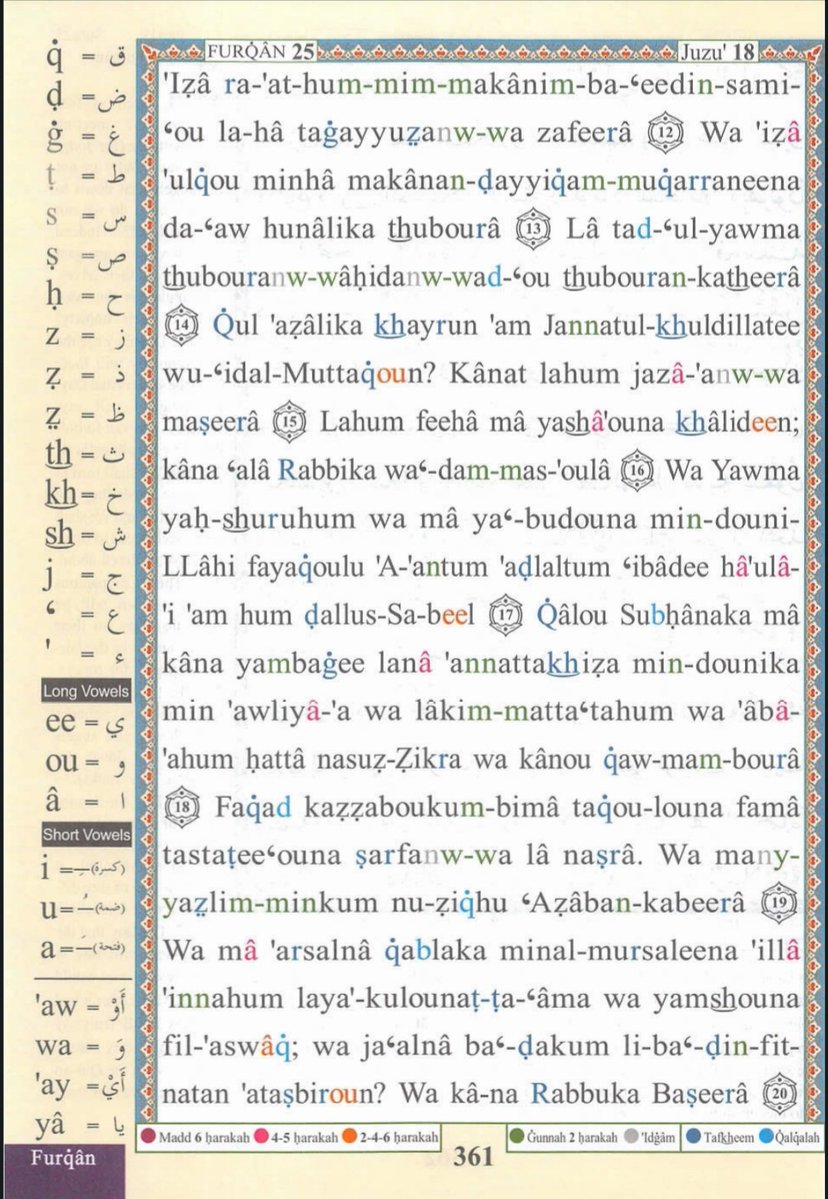
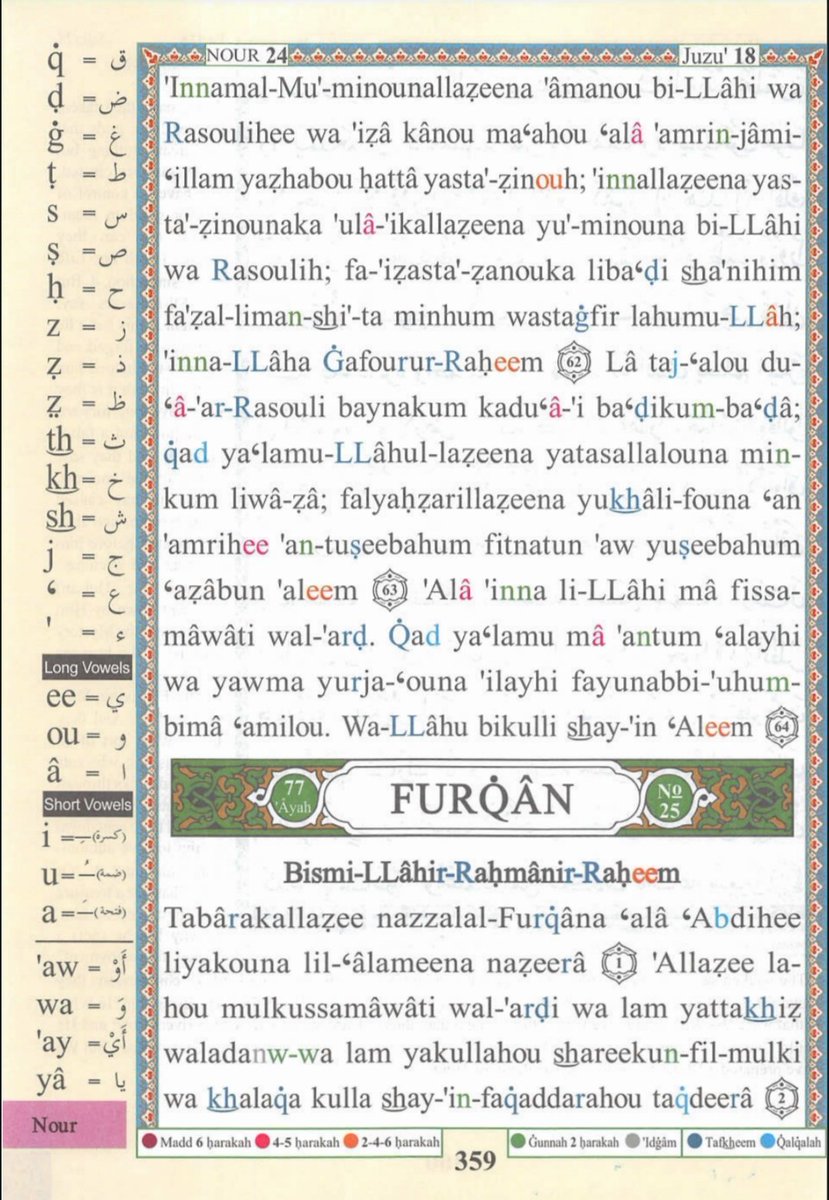
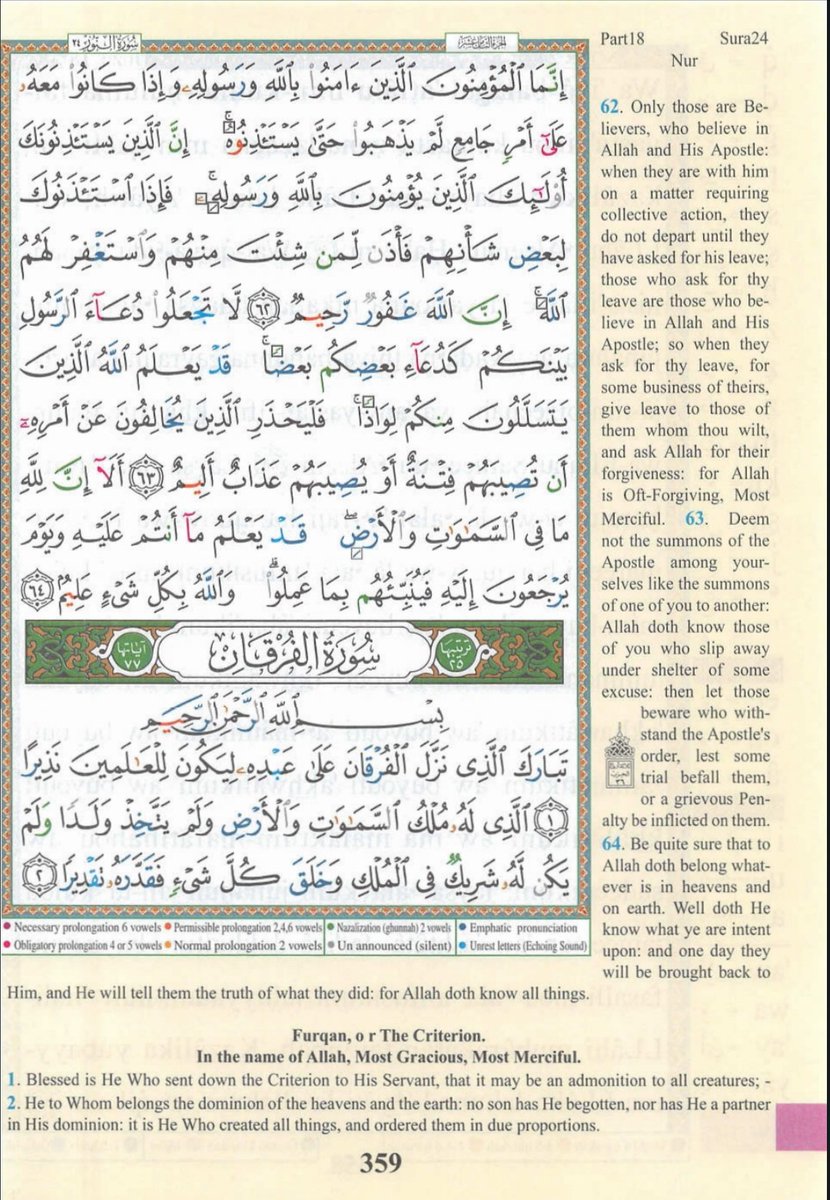
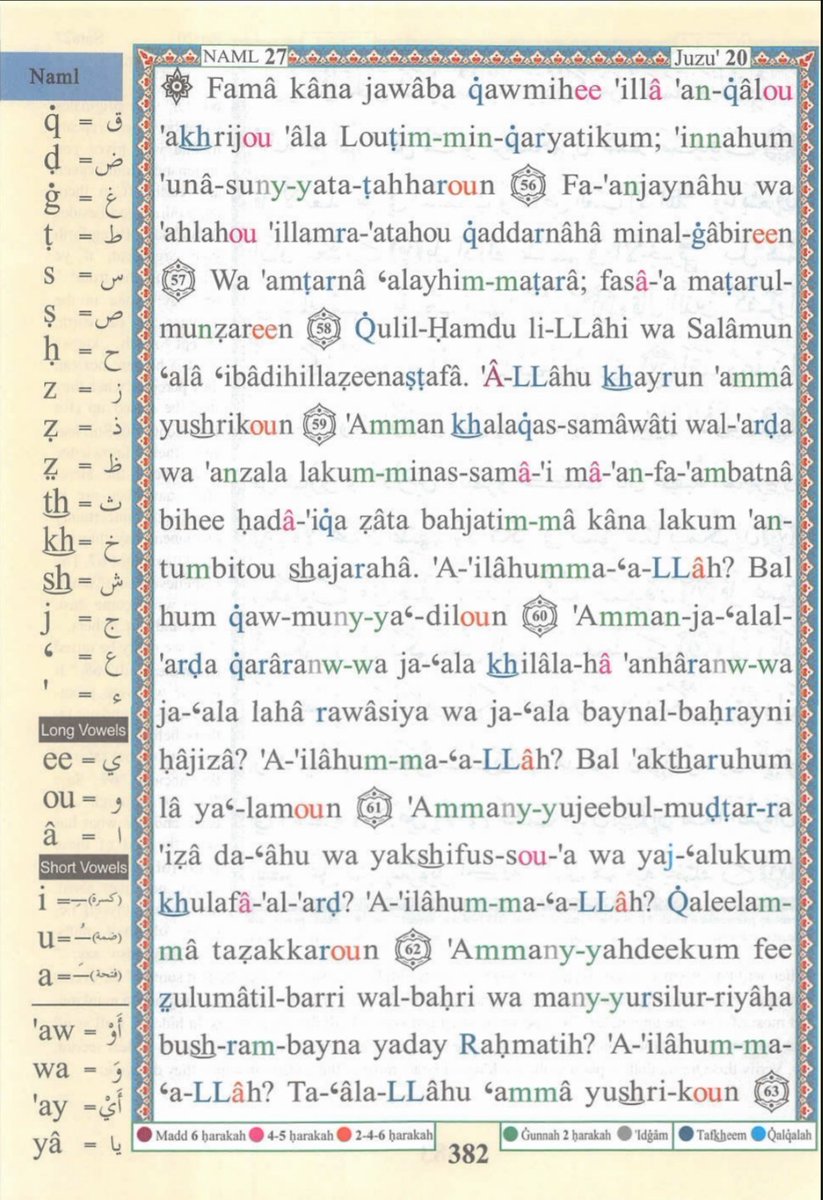
Pages of the Glorious Qur’ān today, Wednesday 30/9/26, Sūrah al-Naml (27): 45-63, tafakkur verse 27: 50-51
Theme: Plotting Evil against Allah and His Messenger is a Recipe for Inescapable Punishment
وَمَكَرُوا۟ مَكۡرࣰا وَمَكَرۡنَا مَكۡرࣰا وَهُمۡ لَا یَشۡعُرُونَ ٥٠ فَٱنظُرۡ كَیۡفَ كَانَ عَـٰقِبَةُ مَكۡرِهِمۡ أَنَّا دَمَّرۡنَـٰهُمۡ وَقَوۡمَهُمۡ أَجۡمَعِینَ ٥١
“And they devised a plan, and We devised a plan while they were unaware. So look at how was the outcome of their plotting: We destroyed them and their people, all together.”
LESSONS:
1. Not every secret plan succeeds.
People may carefully organise schemes against others, believing that their plans are hidden and secure. Yet Allah knows what is concealed and what is revealed. No plot can escape His knowledge.
2. Allah can turn a person's scheme against them.
The verse reminds us that those who plot injustice may eventually become victims of the very consequences they intended for others. Human beings plan, but Allah determines the ultimate outcome.
3. Being unaware of Allah's power is dangerous.
The phrase, “while they were unaware”, is particularly striking. They were making plans confidently, unaware that Allah's decree was already unfolding against them.
4. The final consequence of wrongdoing can extend beyond the wrongdoer.
Their plotting did not merely lead to the destruction of the conspirators; the Qurʾān says, “We destroyed them and their people, all together.” This is a serious reminder that collective societies can suffer when wrongdoing, corruption and injustice become entrenched.
5. The believer should leave ultimate justice to Allah.
When faced with deception, injustice or hidden opposition, a believer should not become consumed by revenge. One should take legitimate precautions, remain truthful and place one's trust in Allah, knowing that nothing is hidden from Him and no injustice escapes His judgment.
اللَّهُمَّ اكْفِنَا شَرَّ الْمَاكِرِينَ، وَأَبْطِلْ كَيْدَ مَنْ أَرَادَ بِنَا سُوءًا، وَاحْفَظْنَا مِنَ الظُّلْمِ وَالظَّالِمِينَ، وَاجْعَلْنَا مِنْ أَهْلِ الصِّدْقِ وَالتَّقْوَى وَالتَّوَكُّلِ عَلَيْكَ.
O Allah, suffice us against the evil of those who plot, nullify the schemes of whoever intends evil against us, protect us from injustice and the unjust, and make us among the people of truth, piety and reliance upon You. Āmīn.
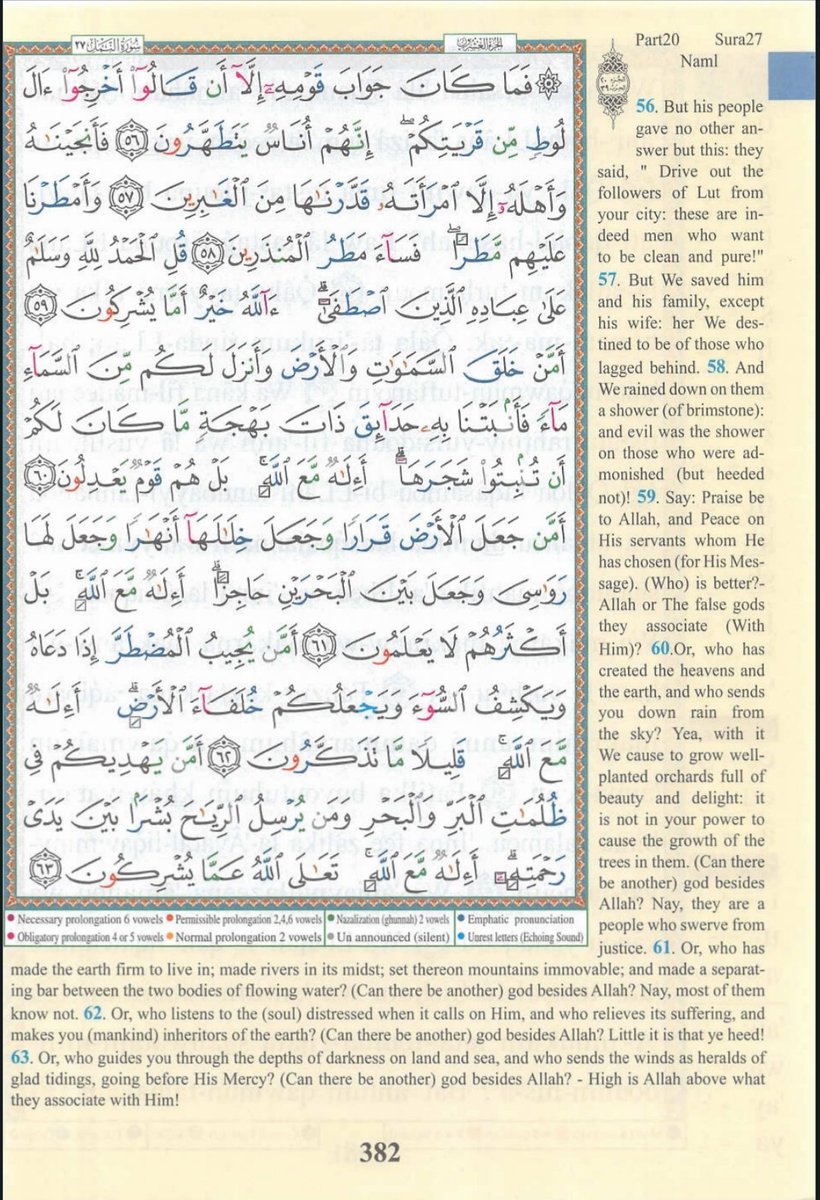
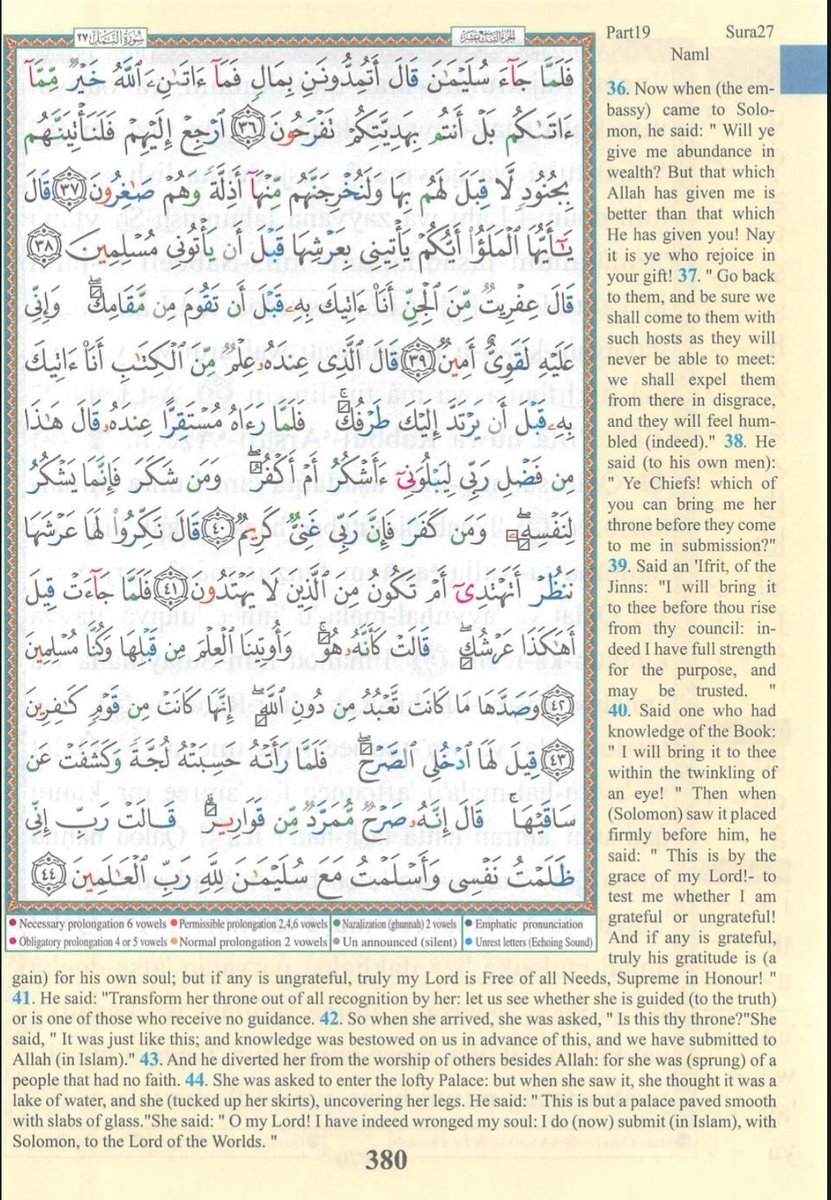
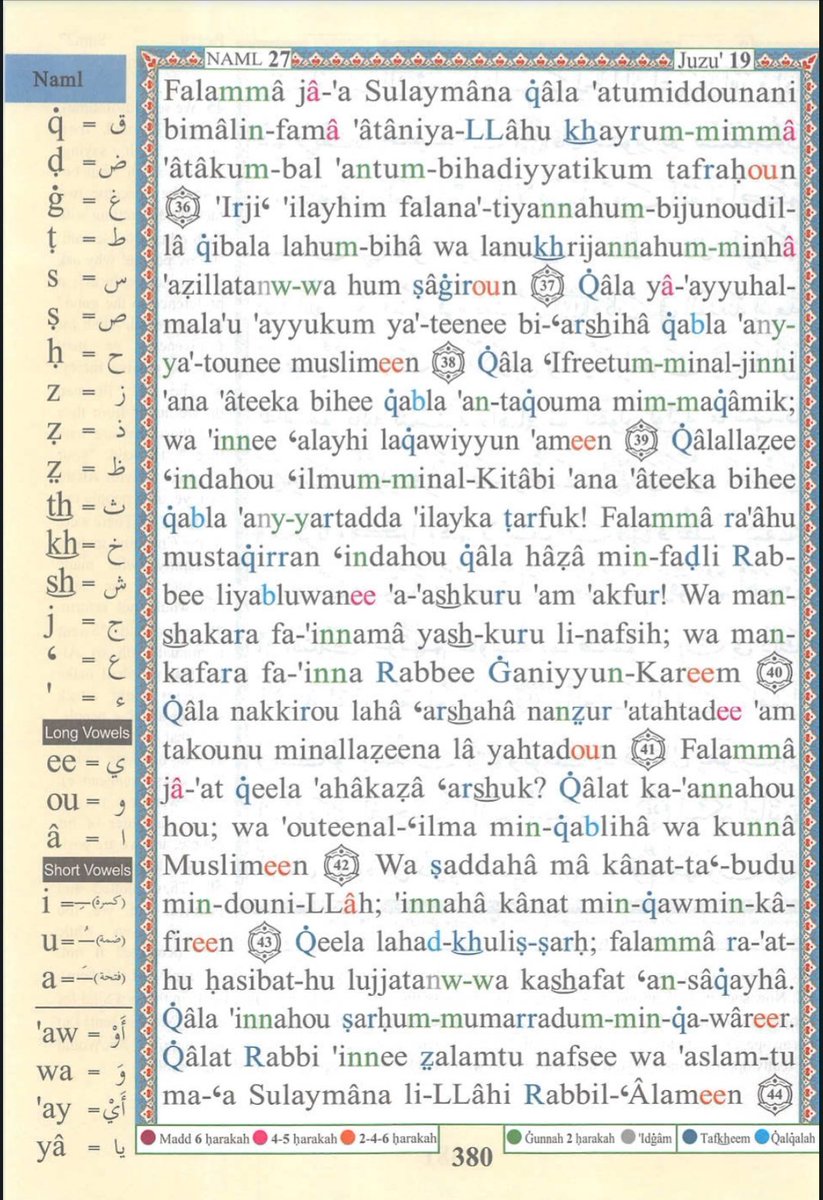
Pages of the Glorious Qur’ān today, Tuesday 29/9/26, Sūrah al-Naml (27): 23-44, tafakkur verse 27: 24-25
Theme: When Falsehood Is Beautified, Truth Can Become Invisible
وَجَدتُّهَا وَقَوۡمَهَا یَسۡجُدُونَ لِلشَّمۡسِ مِن دُونِ ٱللَّهِ وَزَیَّنَ لَهُمُ ٱلشَّیۡطَـٰنُ أَعۡمَـٰلَهُمۡ فَصَدَّهُمۡ عَنِ ٱلسَّبِیلِ فَهُمۡ لَا یَهۡتَدُونَ
“I found her and her people prostrating to the sun instead of Allah. Satan had made their deeds appealing to them and turned them away from the Way, so they are not guided.”
أَلَّا یَسۡجُدُوا۟ لِلَّهِ ٱلَّذِی یُخۡرِجُ ٱلۡخَبۡءَ فِی ٱلسَّمَـٰوَ ٰتِ وَٱلۡأَرۡضِ وَیَعۡلَمُ مَا تُخۡفُونَ وَمَا تُعۡلِنُونَ
“Why do they not prostrate to Allah, Who brings forth what is hidden in the heavens and the earth and knows what you conceal and what you reveal?”
LESSONS:
1. Falsehood does not always appear ugly.
One of the greatest dangers of al-bāṭil (falsehood) is that it can be made attractive. A person may sincerely embrace something wrong because it has been presented to him as beautiful, noble or beneficial. Therefore, sincerity alone is not enough; sincerity must be guided by revelation and sound knowledge.
2. What we admire can determine where we go.
The Qurʾān identifies tazyīn (beautification) as a means through which Shaytan misleads people. When something repeatedly appeals to our desires, emotions or pride, we must learn to ask: Is this actually right, or have I merely become comfortable with it?
3. Guidance requires more than seeing the truth.
The people of Sabaʾ had the sun before their eyes, but they failed to recognise the One who created it. The existence of something magnificent does not make it worthy of worship. Creation should lead the heart to the Creator, not become a substitute for Him.
4. Allah knows both the hidden and the visible.
The verse closes with a profound reminder: “He knows what you conceal and what you reveal.” Human beings judge what they can see; Allah knows the intention behind the action, the secret behind the smile, the struggle behind the silence and the reality behind the appearance.
5. True greatness is found in submission to Allah.
The Qurʾān contrasts prostration before the sun with prostration before the One who created the sun and brings forth what is hidden in the heavens and the earth. The question is therefore not merely, “What do I worship?” but also, “What has captured my heart, obedience and ultimate dependence?”
اللَّهُمَّ أَرِنَا الْحَقَّ حَقًّا وَارْزُقْنَا اتِّبَاعَهُ، وَأَرِنَا الْبَاطِلَ بَاطِلًا وَارْزُقْنَا اجْتِنَابَهُ، وَلَا تَجْعَلْنَا مِمَّنْ زُيِّنَتْ لَهُمُ السَّيِّئَاتُ فَرَأَوْهَا حَسَنَةً.
O Allah, show us truth as truth and grant us the ability to follow it; show us falsehood as falsehood and grant us the ability to avoid it. Do not make us among those for whom evil deeds are beautified until they perceive them as good. Āmīn.
Pages of the Glorious Qur’ān today, Monday 28/9/26, Sūrah al-Naml (27): 1-22, tafakkur verse 27: 19
Theme: Gratitude is the Key to More Blessings
فَتَبَسَّمَ ضَاحِكًا مِّن قَوْلِهَا وَقَالَ رَبِّ أَوْزِعْنِي أَنْ أَشْكُرَ نِعْمَتَكَ الَّتِي أَنْعَمْتَ عَلَيَّ وَعَلَىٰ وَالِدَيَّ وَأَنْ أَعْمَلَ صَالِحًا تَرْضَاهُ وَأَدْخِلْنِي بِرَحْمَتِكَ فِي عِبَادِكَ الصَّالِحِينَ
“So he smiled, laughing at her words, and said: ‘My Lord, inspire and enable me to be grateful for Your favour which You have bestowed upon me and upon my parents; and to perform righteous deeds that please You. And admit me, by Your mercy, among Your righteous servants.’”
LESSONS:
1. True power produces humility, not arrogance.
Prophet Sulaymān (AS) possessed extraordinary authority and understood the speech of creatures, yet this remarkable experience turned his heart towards Allah in gratitude.
2. Gratitude itself requires divine assistance.
He did not simply say, “I am grateful.” He prayed: “My Lord, inspire and enable me.” Even the ability to recognise and appreciate Allah’s blessings is another blessing from Him.
3. Some blessings reach us through our parents.
Sulaymān remembered the favours granted to both himself and his parents. A grateful person appreciates not only personal blessings but also the sacrifices, prayers, guidance and honour inherited from righteous parents.
4. Genuine gratitude must become righteous action.
Gratitude is not merely expressed with the tongue. Its evidence is found in using Allah’s gifts to perform deeds that please Him. Knowledge, wealth, influence and authority become true blessings only when they serve righteousness.
5. Salvation is ultimately attained through Allah’s mercy.
Despite his prophethood, righteousness and immense achievements, Sulaymān عليه السلام asked to be admitted among the righteous by Allah’s mercy. Our deeds are necessary, but they must never make us feel independent of divine mercy.
اللَّهُمَّ أَوْزِعْنَا أَنْ نَشْكُرَ نِعَمَكَ الَّتِي أَنْعَمْتَ بِهَا عَلَيْنَا وَعَلَىٰ وَالِدَيْنَا، وَوَفِّقْنَا لِعَمَلِ الصَّالِحَاتِ الَّتِي تُرْضِيكَ، وَأَدْخِلْنَا بِرَحْمَتِكَ فِي عِبَادِكَ الصَّالِحِينَ. آمِين.
O Allah, inspire and enable us to remain grateful for the blessings You have bestowed upon us and our parents. Grant us success in performing righteous deeds that please You, and admit us, by Your mercy, among Your righteous servants. Āmīn.
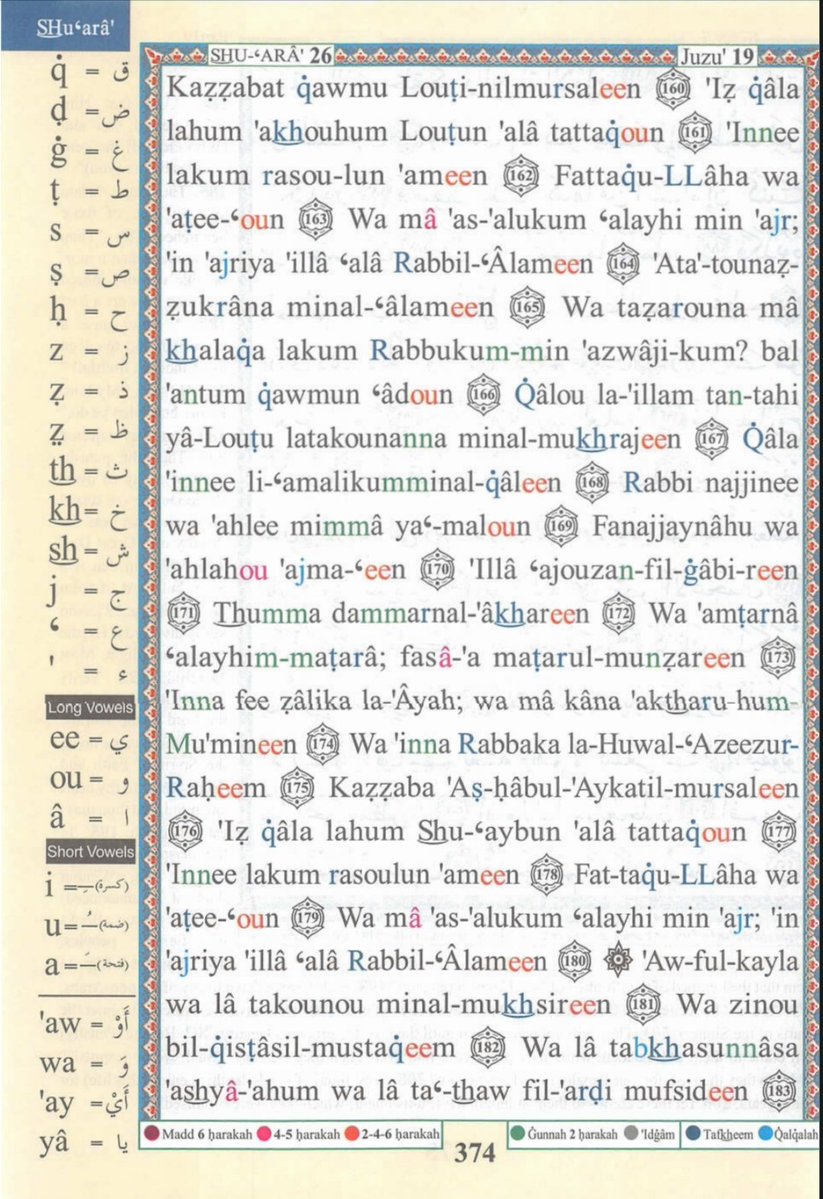
Pages of the Glorious Qur’ān today, Sunday 27/9/26, Sūrah al-Shu'arā' (26): 184-227, tafakkur verse 26: 224-227
Theme: A Muslim Must Strive to Ensure that his/her Words and Deeds Agree Upon Righteousness
وَٱلشُّعَرَآءُ يَتَّبِعُهُمُ ٱلْغَاوُۥنَ أَلَمْ تَرَ أَنَّهُمْ فِى كُلِّ وَادٍ يَهِيمُونَ وَأَنَّهُمْ يَقُولُونَ مَا لَا يَفْعَلُونَ إِلَّا ٱلَّذِينَ ءَامَنُوا۟ وَعَمِلُوا۟ ٱلصَّـٰلِحَـٰتِ وَذَكَرُوا۟ ٱللَّهَ كَثِيرًا وَٱنتَصَرُوا۟ مِنۢ بَعْدِ مَا ظُلِمُوا۟ ۗ وَسَيَعْلَمُ ٱلَّذِينَ ظَلَمُوٓا۟ أَىَّ مُنقَلَبٍ يَنقَلِبُونَ
“And the poets, the deviators follow them. Do you not see that they wander through every valley, and that they say what they do not do? Except those who believe, do righteous deeds, remember Allah often, and defend themselves after having been wronged. And those who have wronged will soon know to what destination they will return.”
LESSONS:
1. Eloquence is not the same as truth.
Allah draws our attention to the enormous power of words while warning that beautiful expression can exist without moral substance. A person may speak brilliantly, write persuasively, command an audience, and still be wandering “in every valley.” The value of speech is ultimately determined by the truth it carries and the righteousness it serves.
2. One of the greatest crises of character is saying what we do not practise. “They say what they do not do.” This criticism extends far beyond poetry. It should trouble every preacher, teacher, scholar, activist, parent, leader and social-media commentator. Before our words become an argument against others, we should ask whether they might become evidence against ourselves before Allah.
3. Islam does not condemn poetry, creativity or powerful communication; it disciplines them. Verse 227 provides the crucial exception: “Except those who believe and do righteous deeds.” Talent is not the problem. The question is what governs the talent. Poetry, literature, rhetoric, media and intellectual creativity can become acts of goodness when rooted in faith, righteous conduct and truth.
4. Dhikr protects talent from becoming an instrument of the ego.
Notice that Allah adds: “and they remember Allah often.” A gifted tongue can easily become intoxicated by applause, followers, influence and admiration. Frequent remembrance of Allah repeatedly returns the heart from the audience to its Creator. The believer does not merely ask, “Will people admire these words?” but, “Will Allah be pleased with them?”
5. Words may legitimately defend truth and confront injustice.
Allah praises those who “defended themselves after they had been wronged.” Islam does not demand silence in the face of oppression. Speech can expose falsehood, defend the innocent and answer injustice. Yet even resistance remains governed by faith and righteousness. We must not become unjust while fighting injustice.
Perhaps the most penetrating phrase in these verses is:
وَأَنَّهُمْ يَقُولُونَ مَا لَا يَفْعَلُونَ
Our age has multiplied the power of words. Almost everyone now possesses a platform: posts, videos, sermons, podcasts, lectures, spaces and commentaries. Consequently, the distance between what we say and what we are has become one of the most important measures of sincerity.
May our words never travel farther towards Allah than our deeds.
6. In the face of oppression, the Qurʾānic ideal is not silence. It is responsible speech backed by responsible living.
O Allah, rectify our tongues, hearts and deeds. Make our words consistent with our actions. Grant us truthfulness in speech and conduct. Make what we say and write a means of supporting truth and guiding people, and do not make our tongues evidence against us on the Day we meet You; grant us victory against all oppressors and protect us from becoming oppressors and transgressors. Āmīn.
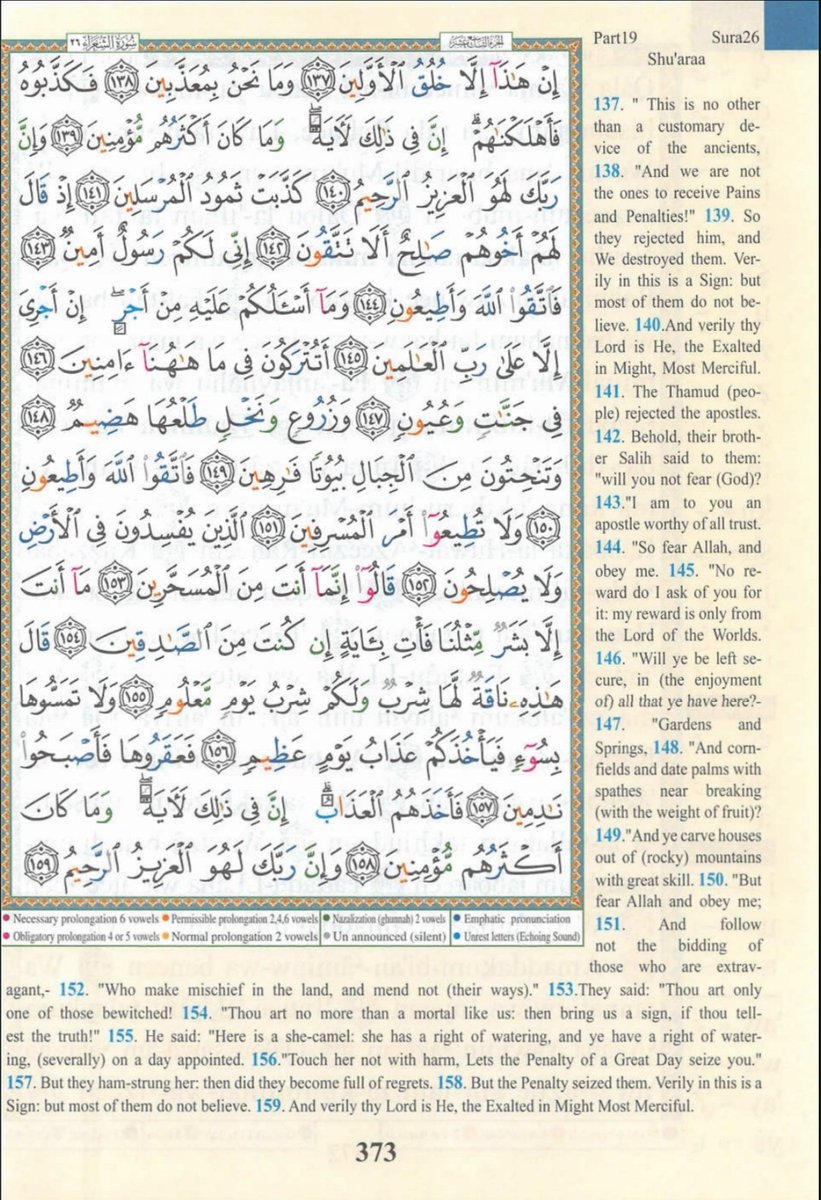
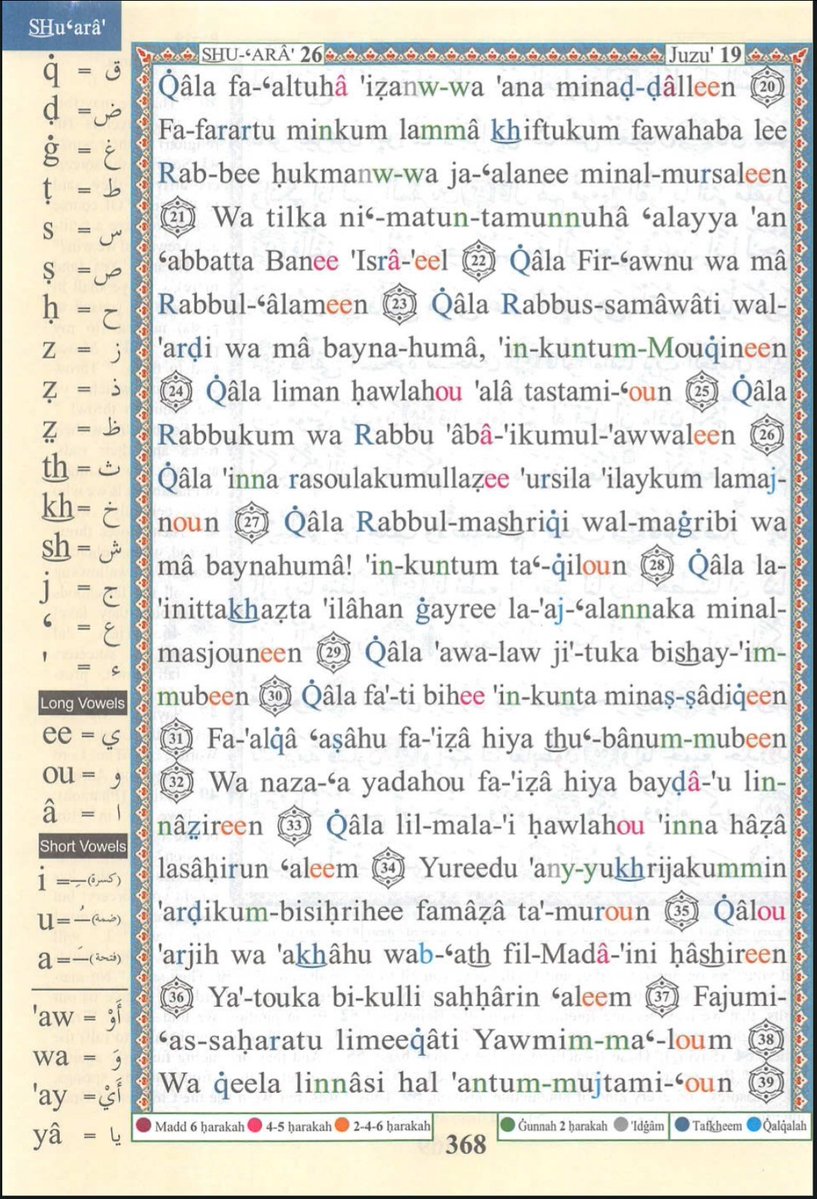
Pages of the Glorious Qur’ān today, Saturday 26/9/26, Sūrah al-Shu'arā' (26): 137-183, tafakkur verse 26: 154-158
Theme: Miracles Do Not Cure a Rebellious Heart
مَاۤ أَنتَ إِلَّا بَشَرࣱ مِّثۡلُنَا فَأۡتِ بِـَٔایَةٍ إِن كُنتَ مِنَ ٱلصَّـٰدِقِینَ قَالَ هَـٰذِهِۦ نَاقَةࣱ لَّهَا شِرۡبࣱ وَلَكُمۡ شِرۡبُ یَوۡمࣲ مَّعۡلُومࣲ وَلَا تَمَسُّوهَا بِسُوۤءࣲ فَیَأۡخُذَكُمۡ عَذَابُ یَوۡمٍ عَظِیمࣲ فَعَقَرُوهَا فَأَصۡبَحُوا۟ نَـٰدِمِینَ فَأَخَذَهُمُ ٱلۡعَذَابُۚ إِنَّ فِی ذَ ٰلِكَ لَـَٔایَةࣰۖ وَمَا كَانَ أَكۡثَرُهُم مُّؤۡمِنِینَ
“They said, ‘You are only a human being like us. So bring us a sign if you are truthful.’ He said, ‘This is a she-camel. She has her turn to drink, and you have your turn on an appointed day. Do not harm her, or the punishment of a terrible day will overtake you.’ But they killed her and became regretful. Then the punishment seized them. Surely, in this is a sign, yet most of them would not believe.”
LESSONS:
1. Demanding evidence does not always indicate sincerity. The people of Prophet Ṣāliḥ demanded a miracle, but when it appeared, their arrogance prevented them from submitting to the truth.
2. Prophets were human, but divinely chosen. The humanity of a messenger does not invalidate his prophethood; rather, it enables people to learn from and emulate him.
3. Divine blessings come with responsibilities. The she-camel was both a miracle and a test. Every blessing from Allah imposes limits that must be respected.
4. Collective silence can invite collective consequences. Although only some of them physically killed the camel, the wider community’s approval and complicity exposed them all to punishment.
5. Regret after the consequences arrive may be too late. Their remorse did not benefit them because it came only after persistent rebellion. True repentance must precede the moment when punishment becomes unavoidable.
اللَّهُمَّ ارْزُقْنَا قُلُوبًا خَاشِعَةً تَقْبَلُ الْحَقَّ إِذَا ظَهَرَ، وَلَا تَجْعَلْنَا مِمَّنْ يَطْلُبُونَ الْآيَاتِ ثُمَّ يُعْرِضُونَ عَنْهَا، وَوَفِّقْنَا لِلتَّوْبَةِ قَبْلَ فَوَاتِ الْأَوَانِ.
O Allah, grant us humble hearts that accept the truth when it becomes clear. Do not make us among those who demand signs and then turn away from them. Guide us to sincere repentance before it is too late. Āmīn.
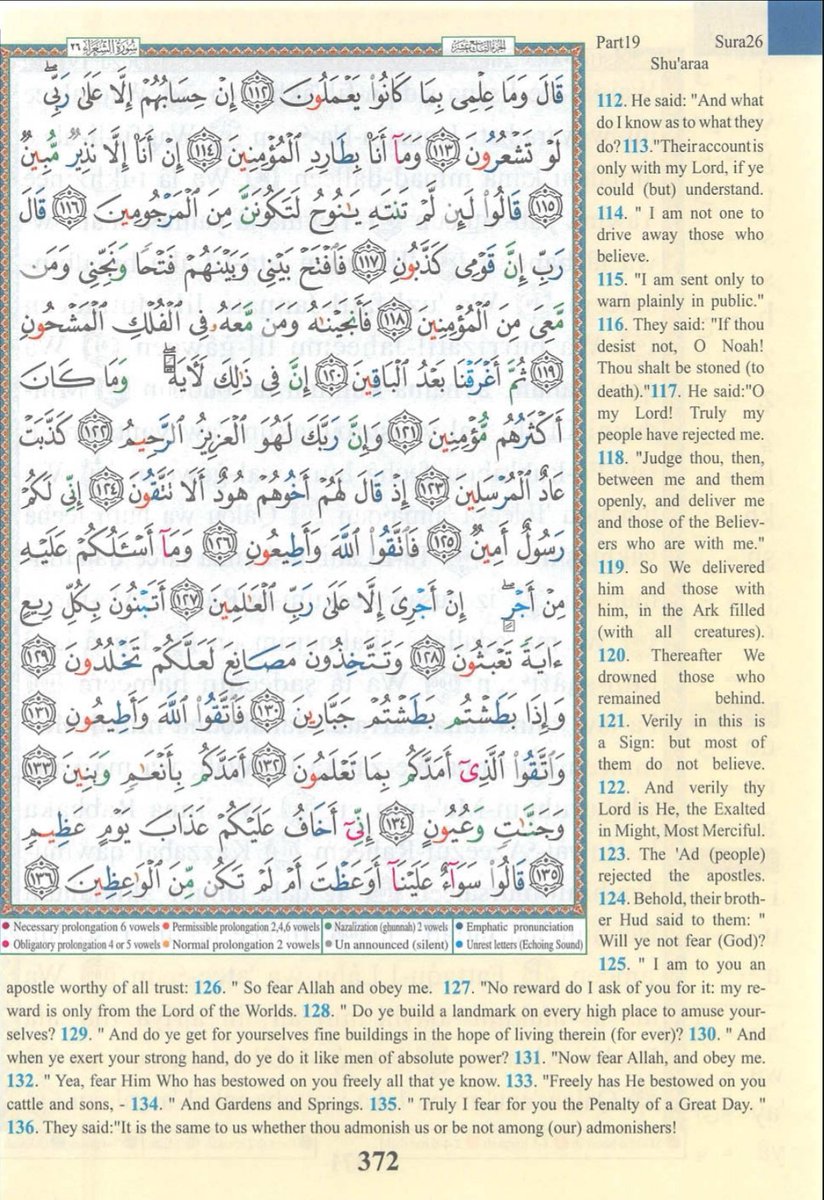
Pages of the Glorious Qur’ān today, Friday 25/9/26, Sūrah al-Shu'arā' (26): 84-136, tafakkur verse 26: 119-121
Theme: Salvation Belongs to the People of Faith
فَأَنجَيْنَاهُ وَمَن مَّعَهُۥ فِى ٱلْفُلْكِ ٱلْمَشْحُونِ ثُمَّ أَغْرَقْنَا بَعْدُ ٱلْبَاقِينَ إِنَّ فِى ذَٰلِكَ لَـَٔايَةًۭ ۖ وَمَا كَانَ أَكْثَرُهُم مُّؤْمِنِينَ
“So We saved him and those who were with him in the fully laden Ark. Then We drowned the rest afterwards. Indeed, in that is surely a sign, yet most of them would not believe.”
LESSONS:
1. Salvation is ultimately from Allah.
The Ark was only the visible means; it was Allah who saved Prophet Nūḥ عليه السلام and the believers. We must use lawful means while trusting the Lord who makes them effective.
2. Faith may initially appear strange and unpopular.
The believers were few, but their small number did not make them wrong. Truth is determined by revelation, not by popularity, applause or numerical strength.
3. Obedience must sometimes precede complete understanding.
Building an Ark on dry land might have appeared unreasonable, but unquestioning obedience became the means of survival. Divine instructions may transcend our limited perception.
4. Allah’s respite must never be mistaken for neglect.
The rejecters were given ample time to repent. When persistent defiance exhausted that opportunity, the judgement of Allah arrived decisively.
5. Historical accounts in the Qurʾān are warnings for the living.
The story is not narrated merely to inform us about the past. It calls every generation to faith, repentance and obedience before the door of opportunity closes.
اللَّهُمَّ نَجِّنَا بِرَحْمَتِكَ مِنَ الْفِتَنِ وَالْمَهَالِكِ، وَاجْعَلْنَا مِنْ أَهْلِ الْإِيمَانِ وَالطَّاعَةِ، وَارْزُقْنَا صِدْقَ التَّوَكُّلِ عَلَيْكَ، وَاحْفَظْنَا وَأَهْلِينَا مِنْ كُلِّ سُوءٍ فِي الدُّنْيَا وَالْآخِرَةِ. آمِينَ.
O Allah, save us by Your mercy from trials and destruction. Make us people of faith and obedience, grant us sincere reliance upon You, and protect us and our families from every evil in this world and the Hereafter. Āmīn.
Hey everyone!
I recently created https://t.co/OPz0T6PJuu, a logo grid generator that automatically reveals vector construction geometry and generates clearspace diagrams.
Check out the web app or grab the Figma plugin - https://t.co/G03jX4r0CC
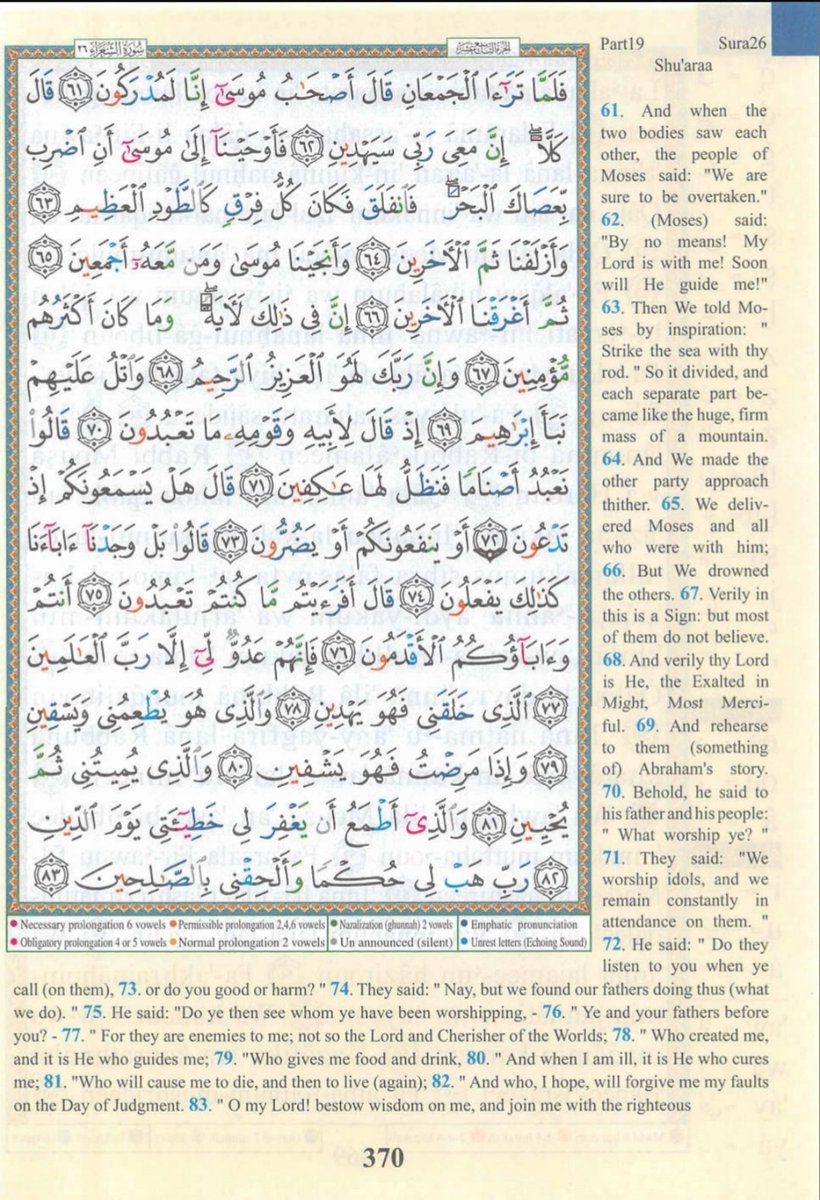
Pages of the Glorious Qur’ān today, Thirsday 24/9/26, Sūrah al-Shu'arā' (26): 40-83, tafakkur verse 26: 75-83
Theme: Acknowledge the Favours of Allah and Depend Upon Him Alone
قَالَ أَفَرَءَيْتُم مَّا كُنتُمْ تَعْبُدُونَ أَنتُمْ وَءَابَآؤُكُمُ ٱلْأَقْدَمُونَ فَإِنَّهُمْ عَدُوٌّ لِّيٓ إِلَّا رَبَّ ٱلْعَـٰلَمِينَ ٱلَّذِي خَلَقَنِي فَهُوَ يَهْدِينِ وَٱلَّذِي هُوَ يُطْعِمُنِي وَيَسْقِينِ وَإِذَا مَرِضْتُ فَهُوَ يَشْفِينِ وَٱلَّذِي يُمِيتُنِي ثُمَّ يُحْيِينِ وَٱلَّذِيٓ أَطْمَعُ أَن يَغْفِرَ لِي خَطِيٓـَٔتِي يَوْمَ ٱلدِّينِ رَبِّ هَبْ لِي حُكْمًا وَأَلْحِقْنِي بِٱلصَّـٰلِحِينَ
“Have you considered what you have been worshipping, you and your forefathers? They are all enemies to me, except the Lord of all worlds: the One who created me and therefore guides me; the One who gives me food and drink; and when I become ill, He heals me; the One who will cause me to die and then bring me back to life; and the One from whom I earnestly hope for the forgiveness of my sins on the Day of Judgement. My Lord! Grant me wisdom and join me with the righteous.”
LESSONS:
1. Inherited beliefs must be examined in the light of truth.
Prophet Ibrāhīm عليه السلام challenged the religion of his forefathers. Longevity, popularity and ancestral practice cannot transform falsehood into truth.
2. Allah’s greatest gift after creation is guidance.
Ibrāhīm عليه السلام mentioned creation together with guidance: “He created me, and He guides me.” Physical existence gives us life, but divine guidance gives that life meaning and direction.
3. Our daily provisions come ultimately from Allah.
Food, water, employment and human assistance are merely means. Allah alone creates the means, facilitates their operation and places benefit within them. Reliance upon the means must never displace reliance upon their Creator.
4. Seeking treatment does not contradict reliance upon Allah.
Ibrāhīm عليه السلام attributed illness to himself out of refined manners but attributed healing directly to Allah. Medicine may be taken, physicians may be consulted and precautions may be observed, but complete healing comes only from Him.
5. Even the most righteous live between hope and humility.
Despite his exceptional rank, Ibrāhīm عليه السلام hoped for Allah’s forgiveness, prayed for sound judgement and asked to be joined with the righteous. True spiritual distinction produces humility, not self-righteousness or a sense of guaranteed salvation.
رَبِّ هَبْ لَنَا حُكْمًا، وَأَلْحِقْنَا بِالصَّالِحِينَ، وَاهْدِنَا إِلَى صِرَاطِكَ الْمُسْتَقِيمِ، وَاشْفِ مَرْضَانَا، وَاغْفِرْ لَنَا خَطَايَانَا يَوْمَ الدِّينِ. آمِين.
Our Lord, grant us wisdom, join us with the righteous, guide us to Your straight path, heal our sick and forgive our sins on the Day of Judgement. Āmīn.
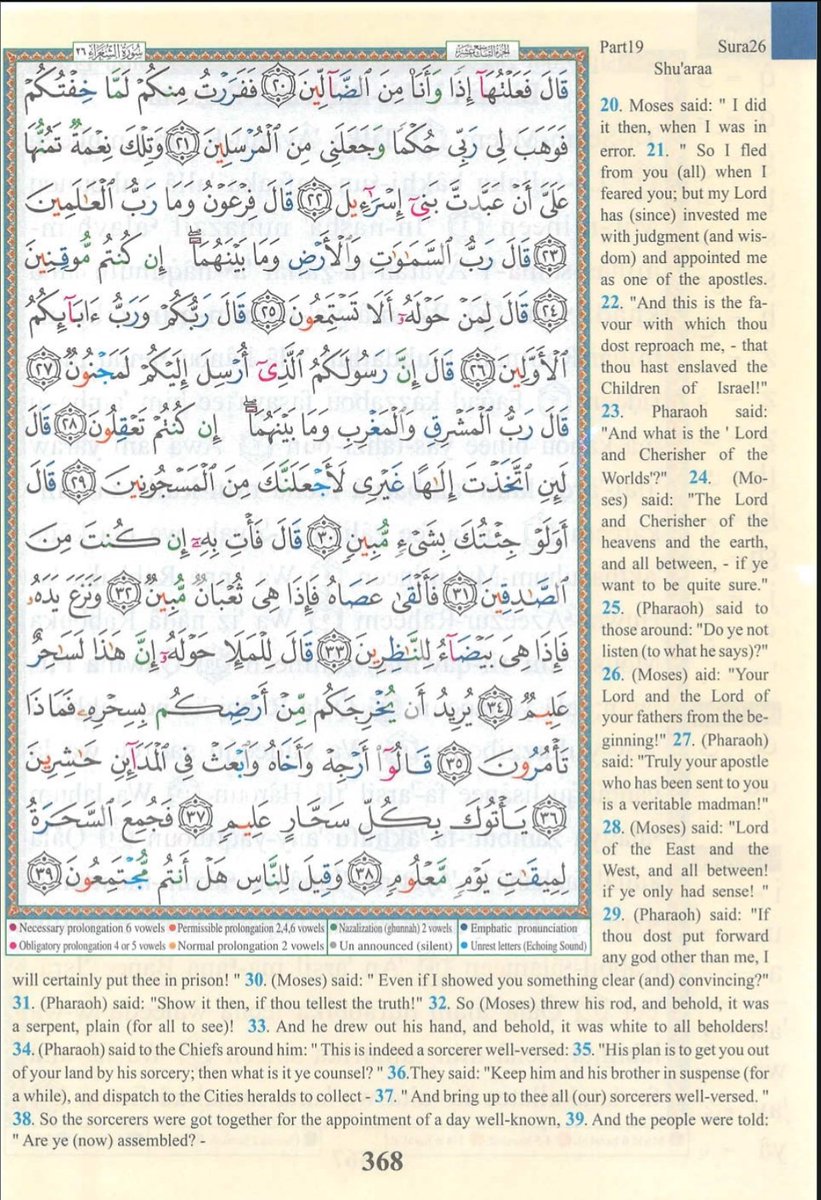
Pages of the Glorious Qur’ān today, Wednesday 23/9/26, Sūrah al-Shu'arāu (26): 1-39, tafakkur verse 26:
Theme: As the believers inherit the submissiveness of faith, so do the disbelievers inherit the arrogance of ignorance
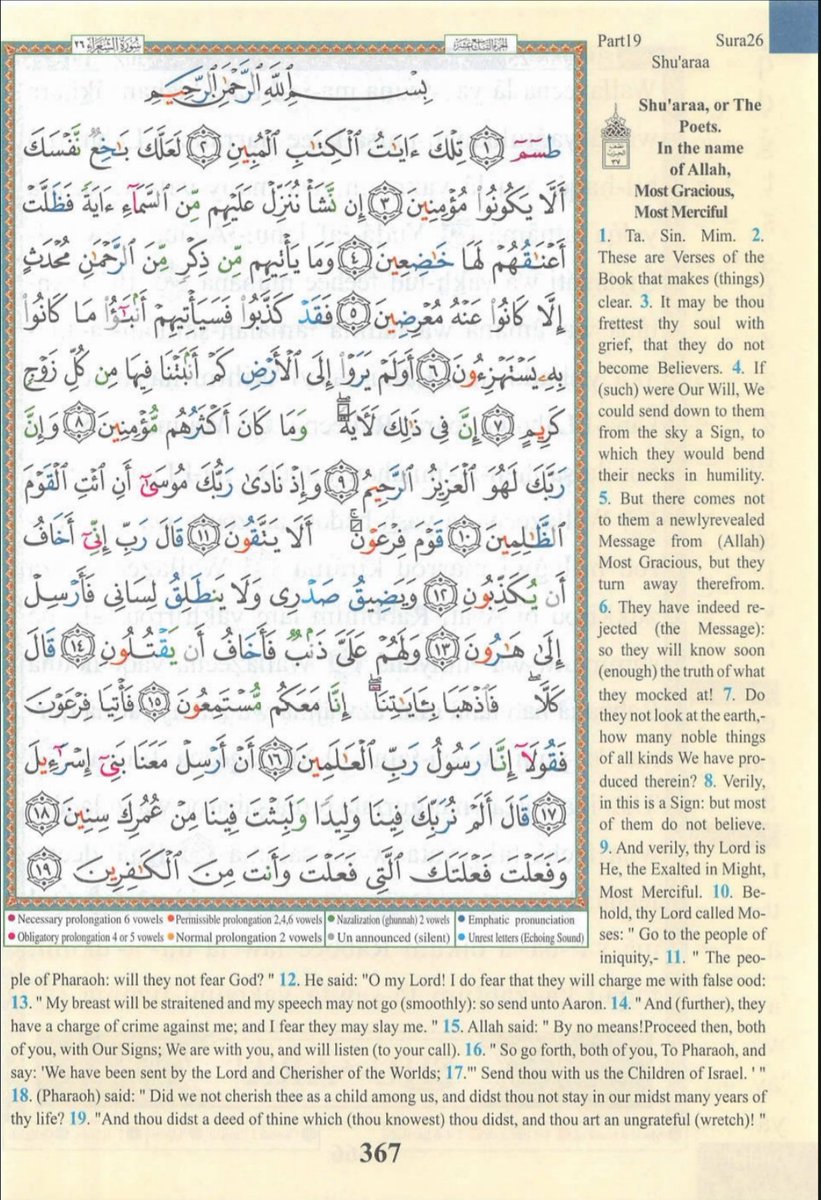
قَالَ فِرْعَوْنُ وَمَا رَبُّ الْعَالَمِينَ قَالَ رَبُّ السَّمَاوَاتِ وَالْأَرْضِ وَمَا بَيْنَهُمَا إِنْ كُنْتُمْ مُوقِنِينَ قَالَ لِمَنْ حَوْلَهُ أَلَا تَسْتَمِعُونَ قَالَ رَبُّكُمْ وَرَبُّ آبَائِكُمُ الْأَوَّلِينَ قَالَ إِنَّ رَسُولَكُمُ الَّذِي أُرْسِلَ إِلَيْكُمْ لَمَجْنُونٌ
"Pharaoh asked, “And what is the Lord of all worlds?”
Mūsā replied, “He is the Lord of the heavens and the earth and everything between them, if only you would be certain.”
Pharaoh said to those around him, “Are you listening?”
Mūsā continued, “He is your Lord and the Lord of your earliest ancestors.” Pharaoh then said, “Indeed, your messenger who has been sent to you is surely mad.”
LESSONS:
1. Arrogance may question what the heart already recognises. Pharaoh’s question was not a sincere search for knowledge; it was an attempt to ridicule the truth and preserve his political authority.
2. Truth should be answered with clarity and composure. Mūsā عليه السلام did not become distracted by Pharaoh’s mockery. He calmly directed attention to the heavens, the earth and the unmistakable signs of their Creator.
3. Allah’s authority transcends every generation. He is not only our Lord but also the Lord of our parents, ancestors and every civilisation that preceded us. Human rulers come and go; His dominion remains.
4. Those who cannot refute an argument often attack the speaker. When Pharaoh failed to answer Mūsā’s evidence, he called him mad. Personal insults are frequently the final refuge of those defeated by truth.
5. A believer must not abandon the truth because it is mocked. Mūsā عليه السلام remained firm before the most powerful tyrant of his age. Truth does not lose its value merely because influential people reject or ridicule it.
اللَّهُمَّ ثَبِّتْ قُلُوبَنَا عَلَى الْحَقِّ، وَارْزُقْنَا يَقِينًا لَا يَتَزَعْزَعُ، وَحِكْمَةً فِي الدَّعْوَةِ، وَشَجَاعَةً فِي مُوَاجَهَةِ الْبَاطِلِ، وَلَا تَجْعَلْنَا مِنَ الْمُسْتَكْبِرِينَ الَّذِينَ يَرُدُّونَ الْحَقَّ وَيَسْخَرُونَ مِنْ أَهْلِهِ. آمِين.
O Allah, keep our hearts firm upon the truth, grant us unshakable certainty, wisdom in calling others to You and courage in confronting falsehood. Do not make us among the arrogant who reject the truth and ridicule those who uphold it. Āmīn.
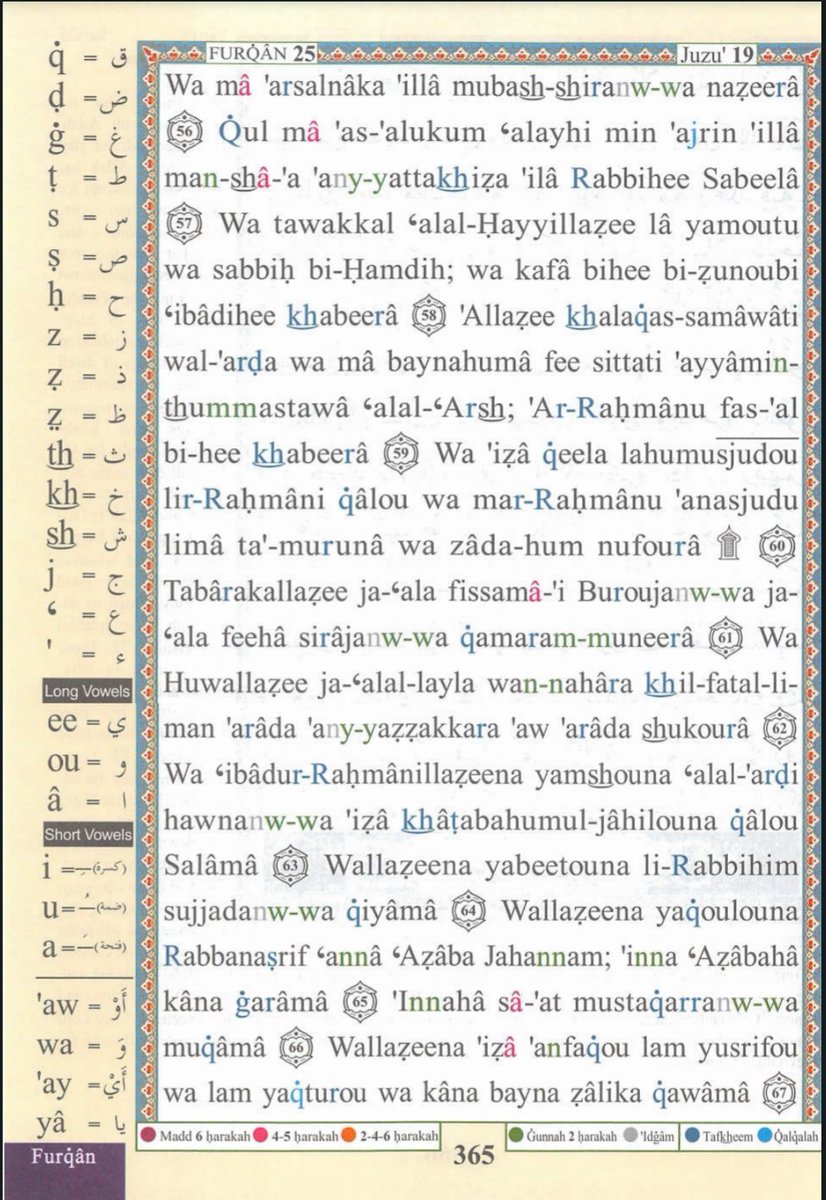
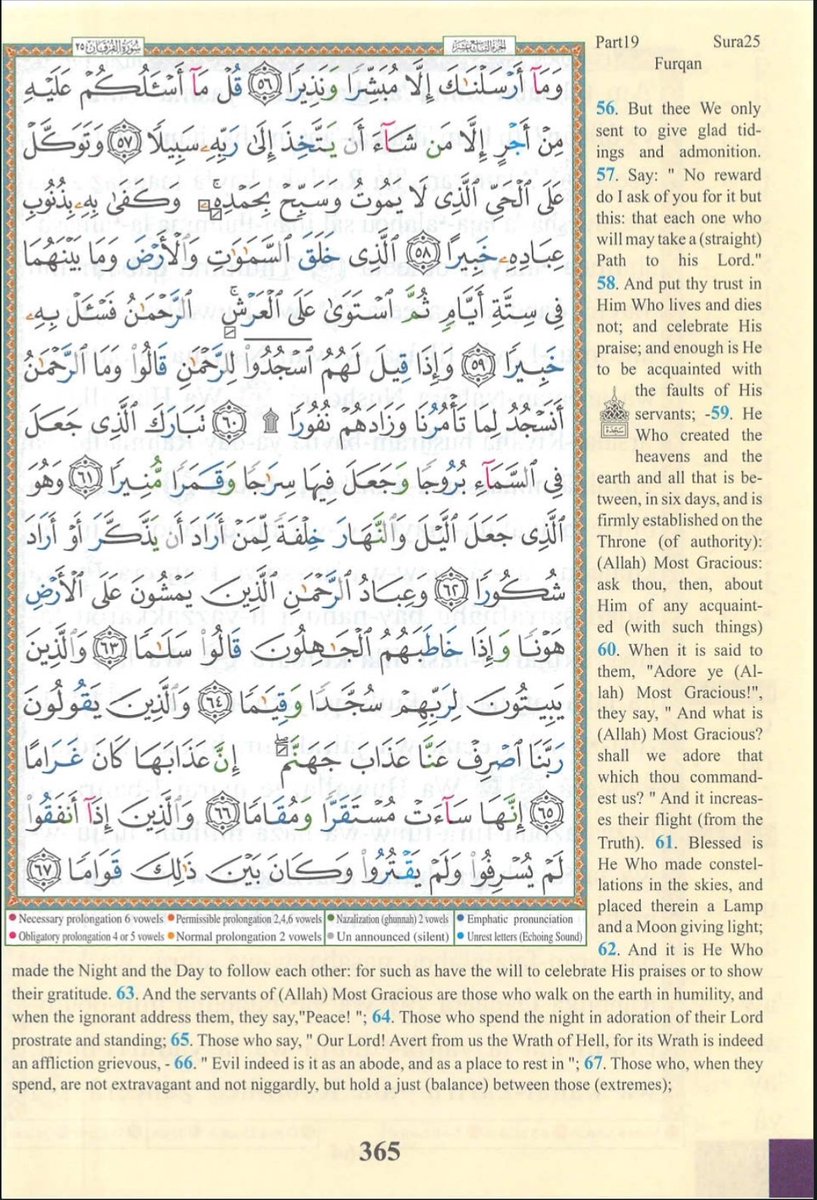
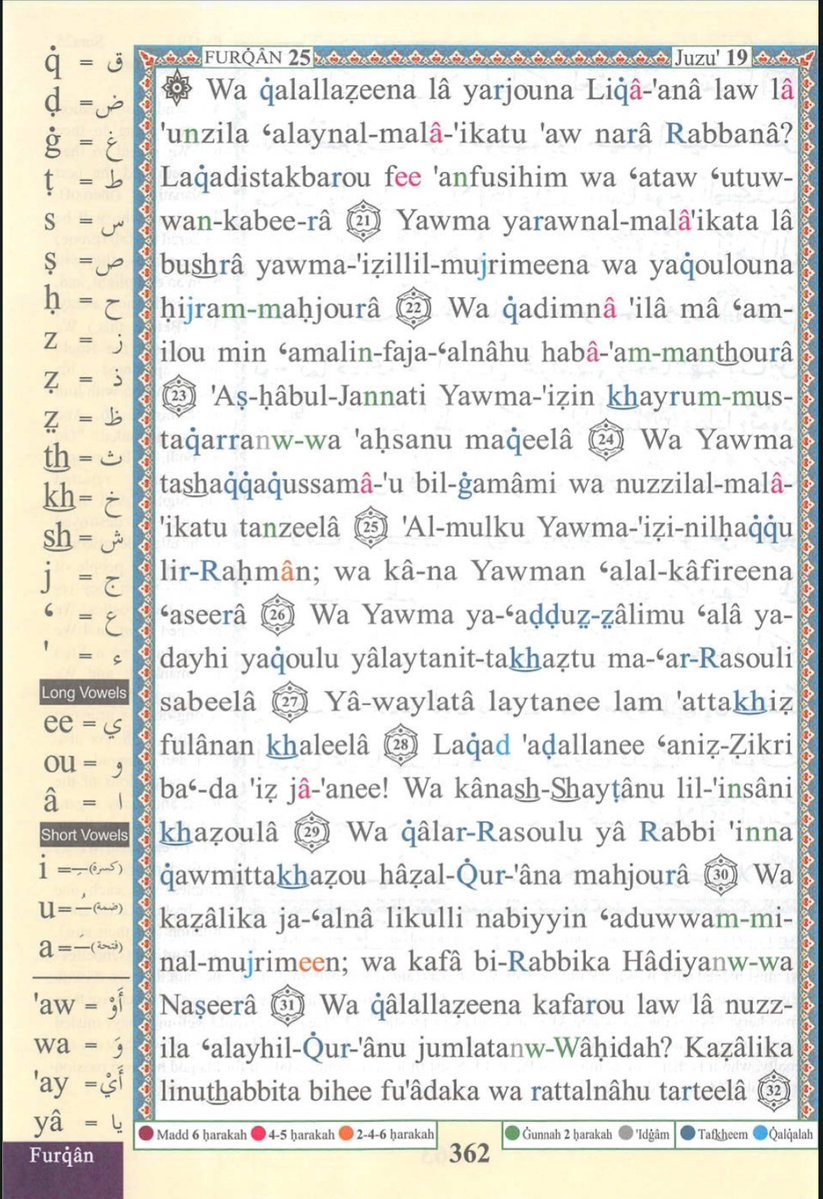
Pages of the Glorious Qur’ān today, Tuesday 22/9/26, Sūrah al-Furqān (25): 56-77, tafakkur verse 25: 63-65
Theme: The Noble Qualities of the Servants of the Most Merciful
وَعِبَادُ ٱلرَّحْمَٰنِ ٱلَّذِينَ يَمْشُونَ عَلَى ٱلْأَرْضِ هَوْنًا وَإِذَا خَاطَبَهُمُ ٱلْجَاهِلُونَ قَالُوا سَلَامًا وَٱلَّذِينَ يَبِيتُونَ لِرَبِّهِمْ سُجَّدًا وَقِيَامًا وَٱلَّذِينَ يَقُولُونَ رَبَّنَا ٱصْرِفْ عَنَّا عَذَابَ جَهَنَّمَ إِنَّ عَذَابَهَا كَانَ غَرَامًا
“And the servants of the Most Merciful are those who walk upon the earth with humility, and when the ignorant address them offensively, they respond with words of peace;
those who spend part of the night prostrating and standing before their Lord;
and those who pray, ‘Our Lord, avert from us the punishment of Hell. Indeed, its punishment is an inseparable torment.’”
LESSONS:
1. True servanthood to Allah manifests in character. The genuine servants of al-Raḥmān are recognised by humility, tranquillity and dignity, not arrogance or self-importance.
2. Ignorance is not always defeated through argument. Sometimes the wisest response to provocation is a dignified word of peace and a refusal to descend into indecency.
3. Their humility before people is sustained by their submission before Allah. They walk gently during the day because they stand and prostrate before their Lord at night.
4. Righteous deeds do not make sincere believers feel secure from Allah’s judgement. The closer they grow to Him, the more deeply they combine hope in His mercy with fear of His punishment.
5. A beautiful public character is often the fruit of a private relationship with Allah. Those who wish to embody peace, restraint and humility in society must cultivate sincere worship in solitude.
اللَّهُمَّ اجْعَلْنَا مِنْ عِبَادِ الرَّحْمَٰنِ، وَارْزُقْنَا التَّوَاضُعَ وَالْحِلْمَ وَحُسْنَ الْخُلُقِ، وَأَعِنَّا عَلَى قِيَامِ اللَّيْلِ وَصَالِحِ الْعَمَلِ، وَاصْرِفْ عَنَّا عَذَابَ جَهَنَّمَ، وَأَدْخِلْنَا الْجَنَّةَ بِرَحْمَتِكَ يَا أَرْحَمَ الرَّاحِمِينَ. آمِين.
O Allah, make us among the servants of the Most Merciful. Grant us humility, forbearance and excellent character. Assist us in standing before You at night and performing righteous deeds. Avert from us the punishment of Hell and admit us into Paradise through Your mercy, O Most Merciful of those who show mercy. Āmīn.
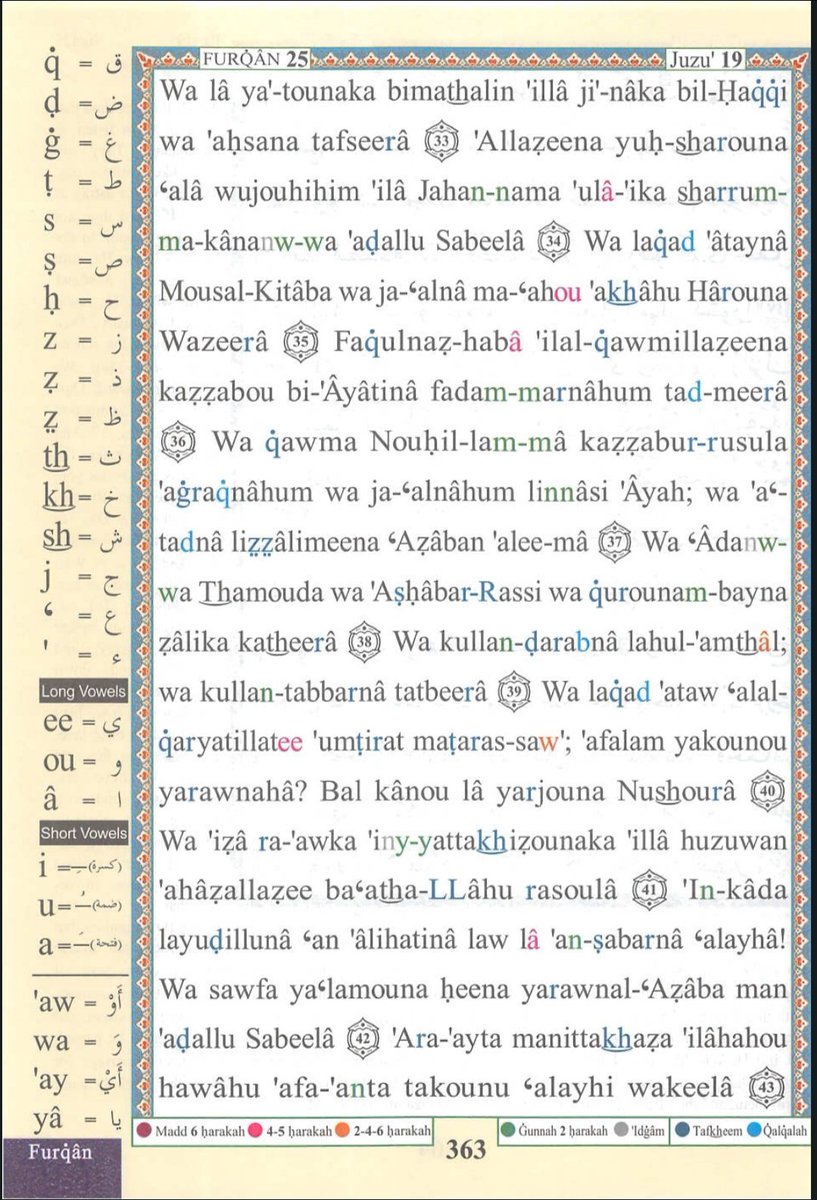
Pages of the Glorious Qur’ān today, Monday 21/9/26, Sūrah al-Furqān (25): 33-55, tafakkur verse 25: 40
Theme: When Visible Ruins Fail to Awaken the Heart, the Heart is Damned
وَلَقَدْ أَتَوْا عَلَى الْقَرْيَةِ الَّتِي أُمْطِرَتْ مَطَرَ السَّوْءِ ۚ أَفَلَمْ يَكُونُوا يَرَوْنَهَا ۚ بَلْ كَانُوا لَا يَرْجُونَ نُشُورًا
“They certainly passed by the town that was showered with a dreadful rain. Did they not see its ruins? Indeed, they did, but they did not expect to be resurrected.”
The verse refers to the ruins of the people of Prophet Lūṭ عليه السلام, which the Makkan travellers encountered during their commercial journeys. They saw the remains of a civilisation destroyed by persistent rebellion, yet the sight produced no reflection or repentance. Their deeper problem was not blindness of the eyes, but disbelief in resurrection and accountability.
LESSONS:
1. Seeing is not always understanding. A person may repeatedly witness the consequences of wrongdoing while remaining spiritually unmoved.
2. History is a divine classroom. The ruins of fallen nations are not merely archaeological sites; they are warnings to every generation that power cannot protect persistent injustice.
3. Sin becomes especially dangerous when it is normalised. The people of Lūṭ عليه السلام were destroyed not merely because individuals sinned, but because corruption became public, defended and resistant to correction.
4. Belief in resurrection produces moral responsibility. Whoever truly expects to stand before Allah will not live as though actions have no eternal consequences.
5. A hardened heart can walk among signs without recognising them. Evidence benefits only the person who approaches it with humility, sincerity and readiness to change.
اللَّهُمَّ أَحْيِ قُلُوبَنَا بِذِكْرِكَ، وَافْتَحْ أَبْصَارَنَا لِآيَاتِكَ، وَارْزُقْنَا الِاعْتِبَارَ بِمَصَائِرِ الْأُمَمِ مِنْ قَبْلِنَا، وَثَبِّتْ فِي قُلُوبِنَا الْإِيمَانَ بِالْبَعْثِ وَالْحِسَابِ، وَلَا تَجْعَلْنَا مِمَّنْ يَرَوْنَ آيَاتِكَ ثُمَّ يَمُرُّونَ عَلَيْهَا غَافِلِينَ. آمِينَ.
O Allah, enliven our hearts with Your remembrance, open our eyes to Your signs, and enable us to learn from the fate of the nations before us. Establish firmly within our hearts belief in resurrection and accountability, and do not make us among those who see Your signs but pass by them heedlessly. Āmīn.
Pages of the Glorious Qur’ān today, Sunday 20/9/26, Sūrah al-Furqān (25): 12-32, tafakkur verse 25: 27-29
Theme: The Lasting Influence of Companionship
وَيَوْمَ يَعَضُّ الظَّالِمُ عَلَىٰ يَدَيْهِ يَقُولُ يَا لَيْتَنِي اتَّخَذْتُ مَعَ الرَّسُولِ سَبِيلًا يَا وَيْلَتَىٰ لَيْتَنِي لَمْ أَتَّخِذْ فُلَانًا خَلِيلًا لَقَدْ أَضَلَّنِي عَنِ الذِّكْرِ بَعْدَ إِذْ جَاءَنِي ۗ وَكَانَ الشَّيْطَانُ لِلْإِنْسَانِ خَذُولًا
“And on the Day when the wrongdoer will bite his hands, saying, ‘Oh, I wish I had followed the way of the Messenger! Woe to me! I wish I had never taken so-and-so as an intimate friend. He certainly led me away from the Reminder after it had reached me.’ And Satan has always been a deserter of humankind.”
LESSONS:
1. Our companions quietly shape our destination. A friendship may appear harmless today but become a source of unbearable regret in the Hereafter.
2. Salvation lies in following the Messenger ﷺ. Love for him must be expressed through sincere adherence to his teachings, character and path.
3. Not every intimate friend deserves access to our hearts. Friendship should be judged not merely by affection, but by where it leads our faith.
4. Guidance may be lost through corrupt influence. A person may recognise the truth yet gradually abandon it because of loyalty to the wrong people.
5. Satan abandons those who follow him. He beautifies disobedience, supplies excuses and encourages rebellion, but deserts his followers when accountability begins.
اللَّهُمَّ ارْزُقْنَا صُحْبَةَ الصَّالِحِينَ، وَثَبِّتْنَا عَلَىٰ سَبِيلِ نَبِيِّكَ مُحَمَّدٍ ﷺ، وَلَا تَجْعَلْ فِي صُحْبَتِنَا مَنْ يُضِلُّنَا عَنْ ذِكْرِكَ، وَنَجِّنَا مِنْ نَدَامَةِ يَوْمِ الْقِيَامَةِ.
O Allah, grant us the companionship of the righteous, keep us steadfast upon the path of Your Prophet Muḥammad ﷺ, do not place among our companions anyone who will lead us away from Your remembrance, and save us from the regret of the Day of Resurrection. Āmīn.
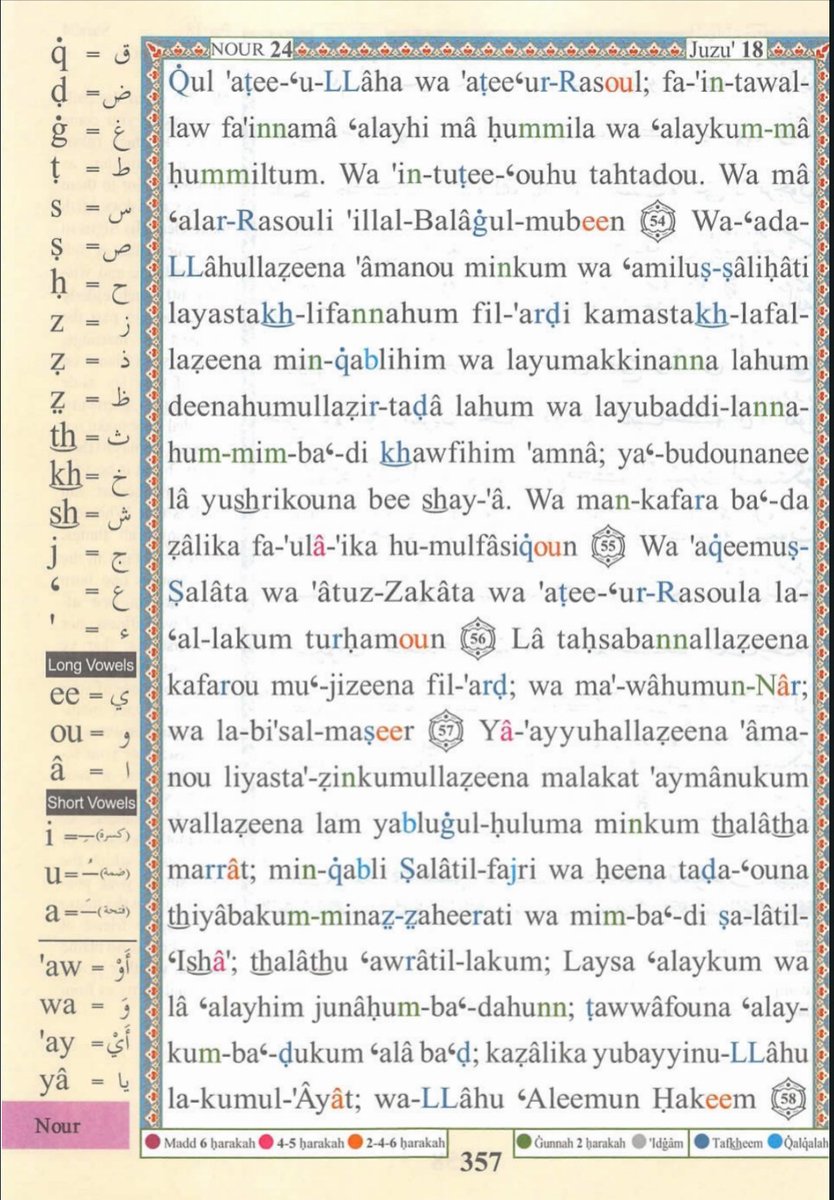
Pages of the Glorious Qur’ān today, Saturday 19/9/26, Sūrah al-Nūr (24): 62-64 & al-Furqān (25): 1-11, tafakkur verse 25: 1
Theme: The Qurʾān is a Universal Revelation that Separates the Truth from Falsehoods
تَبَارَكَ ٱلَّذِي نَزَّلَ ٱلْفُرْقَانَ عَلَىٰ عَبْدِهِۦ لِيَكُونَ لِلْعَـٰلَمِينَ نَذِيرًا
“Blessed is He who revealed the Criterion to His servant so that he might be a warner to all worlds.”
LESSONS:
1. The Qurʾān distinguishes truth from falsehood.
It is called al-Furqān because it provides the standard by which beliefs, conduct and claims are judged.
2. Revelation is an expression of Allah’s immeasurable blessing.
The word tabāraka affirms the perfection, greatness and abundant goodness of the One who revealed the Qurʾān.
3. Servanthood is the Prophet’s highest honour.
Allah describes Prophet Muḥammad ﷺ as “His servant,” teaching us that true greatness lies in complete devotion to Allah, not in wealth, lineage or worldly authority.
4. The Prophet’s message is universal.
He ﷺ was not sent to one tribe, race or generation. The Qurʾān addresses humanity across every land and age.
5. The Qurʾān warns in order to save.
Its warnings are manifestations of divine mercy: they awaken the heedless, expose destructive paths and guide people towards salvation before accountability arrives.
اللَّهُمَّ اجْعَلِ الْقُرْآنَ فُرْقَانًا لَنَا بَيْنَ الْحَقِّ وَالْبَاطِلِ، وَنُورًا لِقُلُوبِنَا، وَهُدًى لِحَيَاتِنَا، وَاجْعَلْنَا مِنَ الْمُتَمَسِّكِينَ بِهِ وَالْمُتَّبِعِينَ لِنَبِيِّكَ مُحَمَّدٍ ﷺ.
“O Allah, make the Qurʾān for us a criterion between truth and falsehood, a light for our hearts and guidance for our lives. Make us among those who hold firmly to it and faithfully follow Your Prophet Muḥammad ﷺ. Āmīn.”
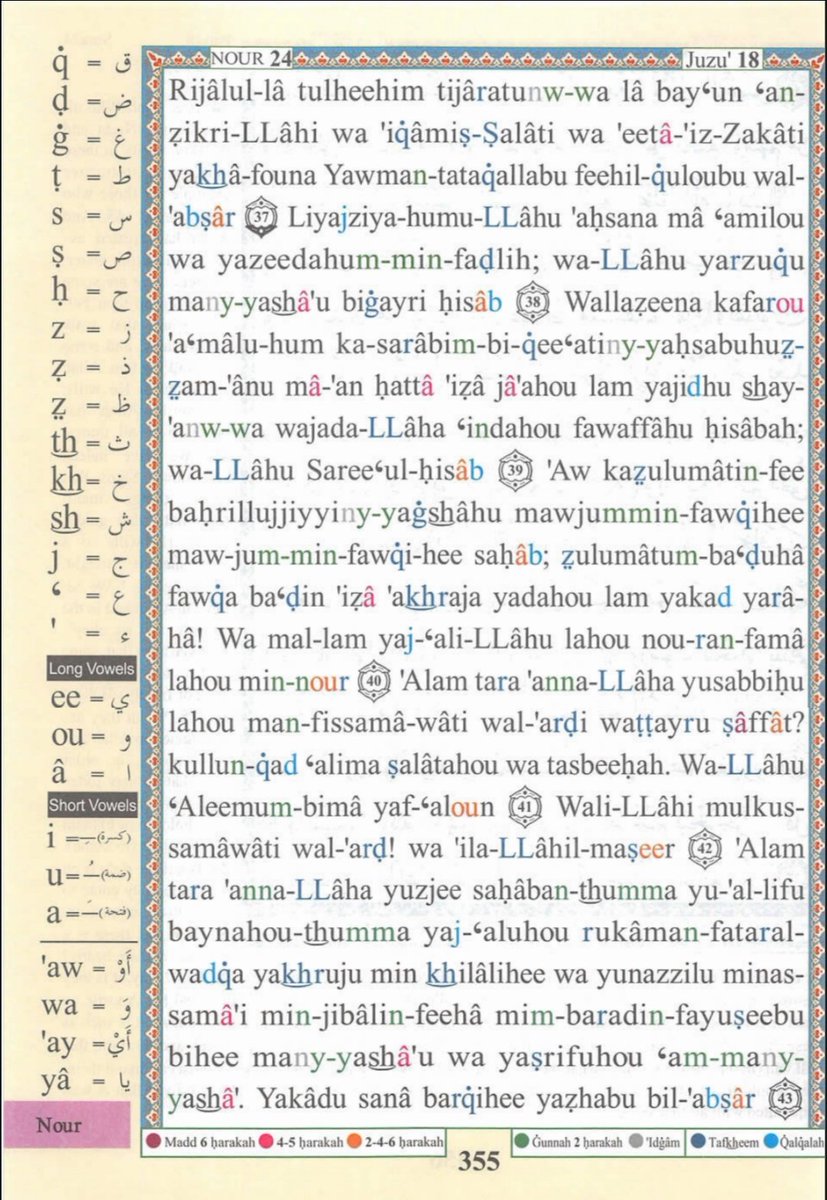
Pages of the Glorious Qur’ān today, Friday 18/9/26, Sūrah al-Nūr (24): 54-61, tafakkur verse 24: 58
Theme: Protecting Privacy and Teaching Modesty within the Home are the Responsibilities of the Elders
يَـٰٓأَيُّهَا ٱلَّذِينَ ءَامَنُوا۟ لِيَسْتَـْٔذِنكُمُ ٱلَّذِينَ مَلَكَتْ أَيْمَـٰنُكُمْ وَٱلَّذِينَ لَمْ يَبْلُغُوا۟ ٱلْحُلُمَ مِنكُمْ ثَلَـٰثَ مَرَّٰتٍۢ ۚ مِّن قَبْلِ صَلَوٰةِ ٱلْفَجْرِ وَحِينَ تَضَعُونَ ثِيَابَكُم مِّنَ ٱلظَّهِيرَةِ وَمِنۢ بَعْدِ صَلَوٰةِ ٱلْعِشَآءِ ۚ ثَلَـٰثُ عَوْرَٰتٍۢ لَّكُمْ ۚ لَيْسَ عَلَيْكُمْ وَلَا عَلَيْهِمْ جُنَاحٌۢ بَعْدَهُنَّ ۚ طَوَّٰفُونَ عَلَيْكُم بَعْضُكُمْ عَلَىٰ بَعْضٍۢ ۚ كَذَٰلِكَ يُبَيِّنُ ٱللَّهُ لَكُمُ ٱلْـَٔايَـٰتِ ۗ وَٱللَّهُ عَلِيمٌ حَكِيمٌ
“O you who believe! Let those under your authority and those of your children who have not yet reached puberty seek your permission at three particular times: before the dawn prayer, when you remove your outer garments at midday, and after the night prayer. These are three times of privacy for you. Outside these times, there is no blame upon you or upon them, for you regularly move about and attend to one another. Thus does Allah make His revelations clear to you. And Allah is All-Knowing, All-Wise.”
LESSONS:
1. Privacy is a divinely protected right. Even within the family home, no one should enter another person’s private space without consideration.
2. Children must be taught boundaries early. Before puberty, children should be trained to seek permission at times when their parents may be undressed, resting or enjoying marital privacy.
3. Modesty begins inside the home. Islamic modesty is not restricted to public clothing; it includes manners of entry, respect for personal space and protection from inappropriate exposure.
4. Islam recognises natural human routines. The three designated times correspond to rest, changing clothes and marital privacy. The Sharīʿah therefore regulates real human life with wisdom and sensitivity.
5. A healthy home combines accessibility with boundaries. Family members normally interact freely, but familiarity does not abolish privacy. Love and closeness must be accompanied by courtesy, discipline and respect.
اللَّهُمَّ اسْتُرْ عَوْرَاتِنَا، وَآمِنْ رَوْعَاتِنَا، وَطَهِّرْ بُيُوتَنَا، وَعَلِّمْ أَوْلَادَنَا الْحَيَاءَ وَالْأَدَبَ، وَاجْعَلْ بُيُوتَنَا مَسَاكِنَ لِلسَّكِينَةِ وَالطَّهَارَةِ وَالْإِيمَانِ. آمِين.
O Allah, conceal our private matters, calm our fears, purify our homes, teach our children modesty and proper manners, and make our homes dwellings of tranquillity, purity and faith. Āmīn.
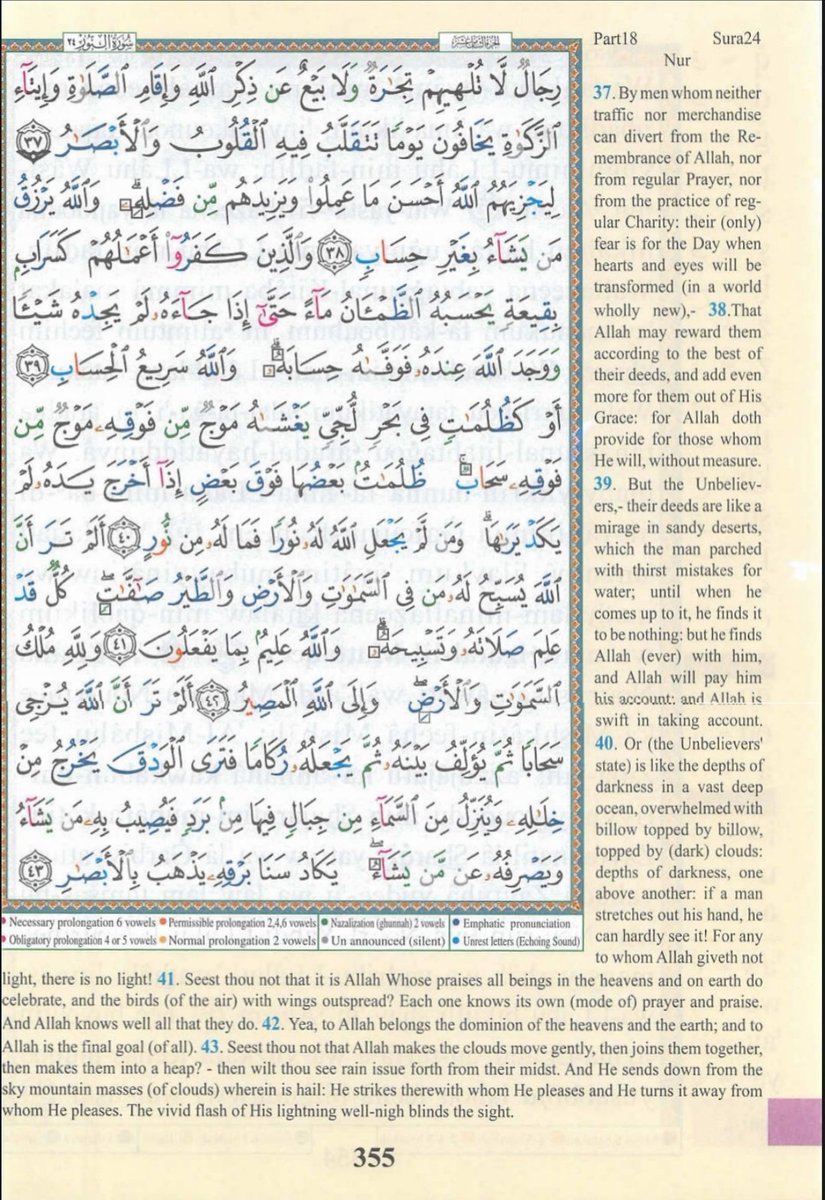
Pages of the Glorious Qur’ān today, Thursday 17/9/26, Sūrah al-Nūr (24): 37-53, tafakkur verse 24: 52
Theme: The True Measure of Success is to Live and Die submitting to Allah
وَمَن يُطِعِ ٱللَّهَ وَرَسُولَهُۥ وَيَخْشَ ٱللَّهَ وَيَتَّقْهِ فَأُو۟لَـٰٓئِكَ هُمُ ٱلْفَآئِزُونَ
“Whoever obeys Allah and His Messenger, stands in awe of Allah, and remains conscious of Him, it is they who are truly successful.”
LESSONS:
1. True success begins with obedience. Success is not measured merely by wealth, influence or recognition, but by faithfully obeying Allah and following His Messenger ﷺ.
2. Love for Allah must produce submission. Genuine faith is demonstrated through obedience, especially when divine guidance conflicts with personal desires.
3. Reverential fear restrains us from wrongdoing. To fear Allah is to remember His greatness, accountability and judgement, even when no human being is watching.
4. Taqwā directs every aspect of life. Consciousness of Allah should shape our worship, relationships, business dealings, leadership and private conduct.
5. The successful combine outward action with inward sincerity. Obedience regulates our actions, reverential fear purifies our hearts, and taqwā keeps us steadfast upon the right path.
O Allah, make us obedient to You and Your Messenger ﷺ. Fill our hearts with reverential fear of You, beautify our lives with taqwā, and count us among those who attain true success in this world and the Hereafter. Āmīn.
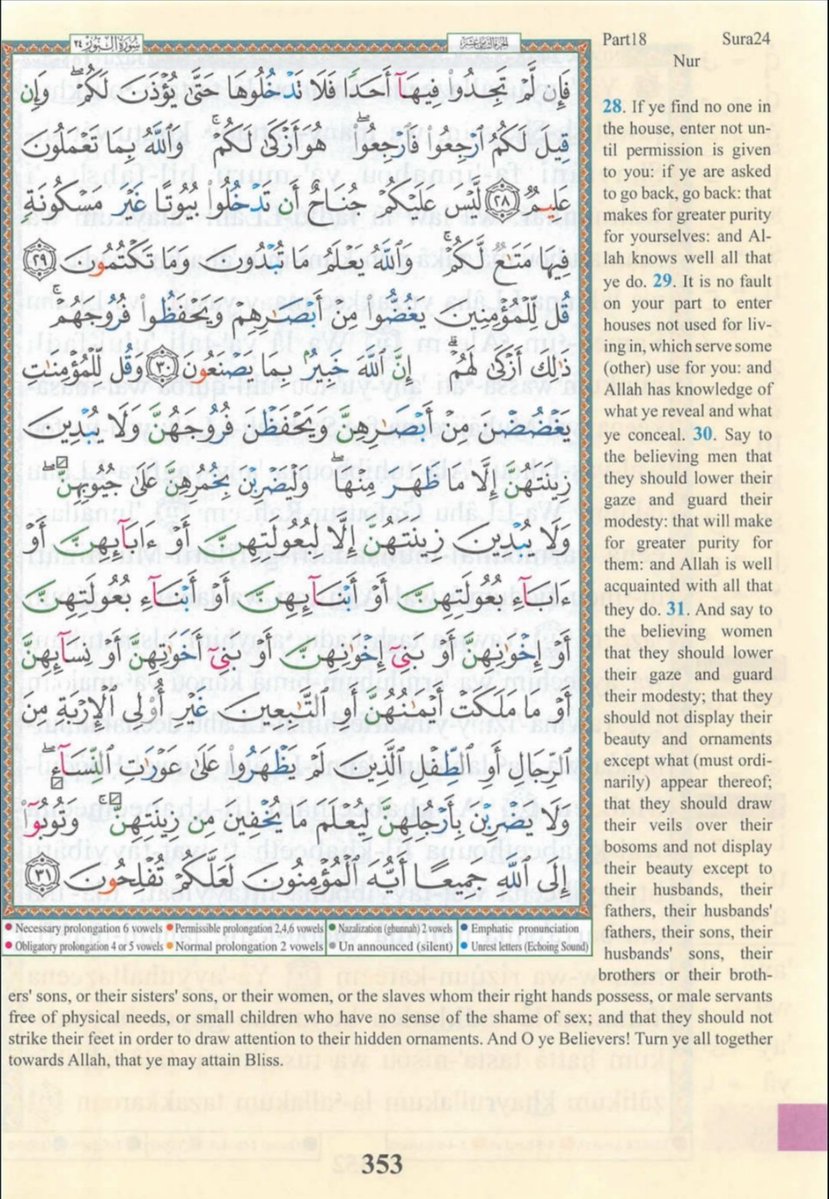
Pages of the Glorious Qur’ān today, Wednesday 16/9/26, Sūrah al-Nūr (24): 28-36, tafakkur verse 24: 30
Theme: Allah commands the believing men to guard their gaze and preserve their purity
قُل لِّلۡمُؤۡمِنِینَ یَغُضُّوا۟ مِنۡ أَبۡصَـٰرِهِمۡ وَیَحۡفَظُوا۟ فُرُوجَهُمۡۚ ذَ ٰلِكَ أَزۡكَىٰ لَهُمۡۚ إِنَّ ٱللَّهَ خَبِیرُۢ بِمَا یَصۡنَعُونَ
“Tell the believing men to lower their gaze and guard their private parts. That is purer for them. Surely, Allah is All-Aware of what they do.”
LESSONS:
1. Purity begins with the eyes.
What you repeatedly look at gradually enters your mind, influences your desires and affects the condition of your heart.
2. Lowering the gaze is a mark of strength, not weakness.
Real discipline is demonstrated when you can turn away from what attracts you because Allah has commanded you to do so.
3. Islam closes the doors leading to immorality.
The command to lower the gaze precedes the command to guard chastity because uncontrolled looking may awaken desire and lead towards unlawful conduct.
4. The command applies both offline and online.
Lowering the gaze includes what you watch on television and what you deliberately view, follow, save or revisit on your phone and social-media platforms.
5. Nothing escapes Allah’s knowledge.
You may conceal your browsing history and secret glances from people, but Allah knows what you view, why you view it and what effect it produces within you.
اللَّهُمَّ طَهِّرْ أَبْصَارَنَا وَقُلُوبَنَا، وَاحْفَظْ فُرُوجَنَا، وَأَعِذْنَا مِنَ الْفِتَنِ مَا ظَهَرَ مِنْهَا وَمَا بَطَنَ، وَارْزُقْنَا عِفَّةً وَطَهَارَةً تُقَرِّبَانِنَا إِلَيْكَ. آمِين.
O Allah, purify our eyes and hearts, safeguard our chastity, protect us from temptations, both apparent and hidden, and grant us purity and self-restraint that bring us nearer to You. Āmīn.
Pages of the Glorious Qur’ān today, Tuesday 15/9/26, Sūrah al-Nūr (24): 11-27, tafakkur verse 24: 27
Theme: Islam Protects Privacy and Human Dignity
يَـٰٓأَيُّهَا ٱلَّذِينَ ءَامَنُوا۟ لَا تَدْخُلُوا۟ بُيُوتًا غَيْرَ بُيُوتِكُمْ حَتَّىٰ تَسْتَأْنِسُوا۟ وَتُسَلِّمُوا۟ عَلَىٰٓ أَهْلِهَاۚ ذَٰلِكُمْ خَيْرٌ لَّكُمْ لَعَلَّكُمْ تَذَكَّرُونَ
“O believers! Do not enter houses other than your own until you have sought permission and greeted their occupants with peace. That is better for you, so perhaps you will be mindful.”
LESSONS:
1. Privacy is a divinely protected right. Familiarity, friendship or family connection does not permit anyone to enter another person’s private space without consent.
2. Permission must precede access. The Qurʾānic expression tastaʾnisū teaches us to announce our presence politely and ensure that those inside are comfortable receiving us.
3. Salām creates security. A Muslim should approach others peacefully, not in a manner that causes fear, suspicion, embarrassment or discomfort.
4. The principle extends beyond physical houses. Reading private messages, checking another person’s phone, sharing confidential information or intruding into personal affairs without permission violates the same moral spirit.
5. Good intentions do not cancel proper manners. Even when our purpose is harmless, we must respect boundaries. True righteousness combines good intentions with disciplined conduct.
O Allah, beautify us with excellent manners, teach us to respect the privacy and dignity of others, and protect our homes, families and private affairs from every unlawful intrusion. Make our greetings a source of peace, our presence a source of comfort and our conduct pleasing to You. Āmīn.
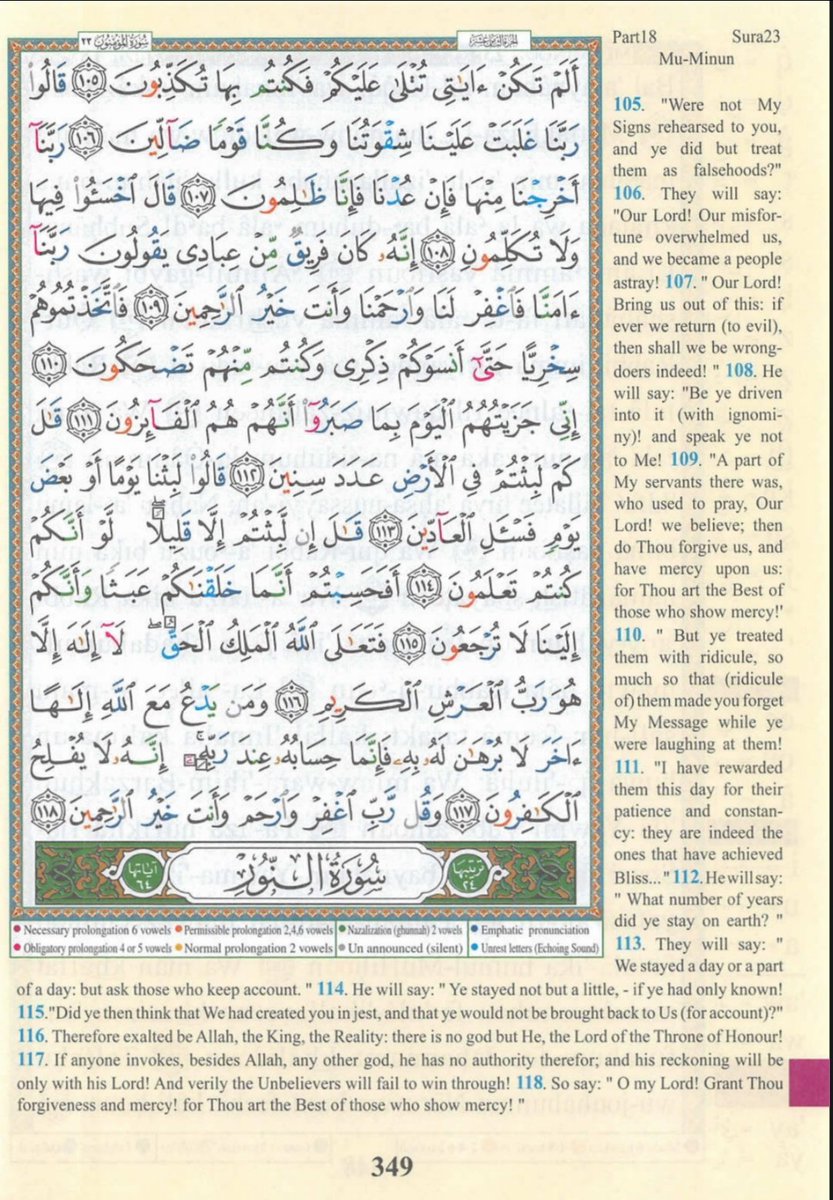
Pages of the Glorious Qur’ān today, Monday 14/9/26, Sūrah al-Mu'minūn (23): 105-118 & al-Nūr (24): 1-10, tafakkur verse 24: 2
Theme: Sexual Purity, Equal Accountability and the Rule of Law
ٱلزَّانِيَةُ وَٱلزَّانِي فَٱجۡلِدُوا۟ كُلَّ وَاحِدࣲ مِّنۡهُمَا مِا۟ئَةَ جَلۡدَةࣲۖ وَلَا تَأۡخُذۡكُم بِهِمَا رَأۡفَةࣱ فِي دِينِ ٱللَّهِ إِن كُنتُمۡ تُؤۡمِنُونَ بِٱللَّهِ وَٱلۡيَوۡمِ ٱلۡـَٔاخِرِۖ وَلۡيَشۡهَدۡ عَذَابَهُمَا طَاۤىِٕفَةࣱ مِّنَ ٱلۡمُؤۡمِنِينَ
“The woman and the man guilty of unlawful sexual intercourse, flog each of them with one hundred lashes. Do not let misplaced compassion prevent you from enforcing Allah’s law, if you truly believe in Allah and the Last Day. And let a group of believers witness their punishment.”
LESSONS:
1. Sexual morality protects the whole society.
Zinā is not merely a private indulgence. It can destroy marriages, confuse lineage, spread disease, create abandoned children and undermine social trust. Islam therefore prohibits not only zinā, but also the paths leading towards it.
2. Men and women bear equal moral responsibility.
The verse mentions both the woman and the man. Islam does not permit society to disgrace the woman while excusing or celebrating the man who committed the same offence.
3. Compassion must not become permission for corruption.
Mercy remains fundamental to Islam, but genuine mercy does not mean normalising actions that ruin individuals and families. The phrase “do not let compassion overcome you” concerns the lawful execution of a judgment after guilt has been conclusively established, not cruelty, hatred or personal vengeance.
4. Islamic punishments belong exclusively to lawful judicial authority.
No individual, family, religious group or mob may investigate, pronounce guilt or administer this punishment. Its application requires a competent court, an extraordinarily strict standard of proof and the removal of every reasonable doubt. The Qurʾān itself requires four witnesses for an accusation of zinā and severely punishes unsupported allegations.
5. The verse protects honour as firmly as it protects chastity.
Muslims must neither commit sexual immorality nor spy upon people, circulate rumours or casually accuse others. Where the required legal proof is absent, a person’s honour remains inviolable. Repentance, concealment of private sins and moral reformation should be encouraged, not public humiliation.
Important clarification: According to classical Islamic jurisprudence, the one hundred lashes stated here apply to the unmarried offender whose guilt has been established through the recognised judicial process. It is a legal ruling for a legitimate court, never a licence for vigilantism.
اللَّهُمَّ طَهِّرْ قُلُوبَنَا، وَاحْفَظْ فُرُوجَنَا، وَاسْتُرْ عُيُوبَنَا، وَجَنِّبْنَا الْفَوَاحِشَ مَا ظَهَرَ مِنْهَا وَمَا بَطَنَ، وَارْزُقْنَا الْعِفَّةَ وَالتَّوْبَةَ النَّصُوحَ، وَاحْفَظْ أُسَرَنَا وَمُجْتَمَعَاتِنَا مِنَ الْفَسَادِ. آمِين.
O Allah, purify our hearts, preserve our chastity, conceal our faults and keep us away from every form of immorality, open and hidden. Grant us self-restraint and sincere repentance, and protect our families and communities from corruption. Āmīn.
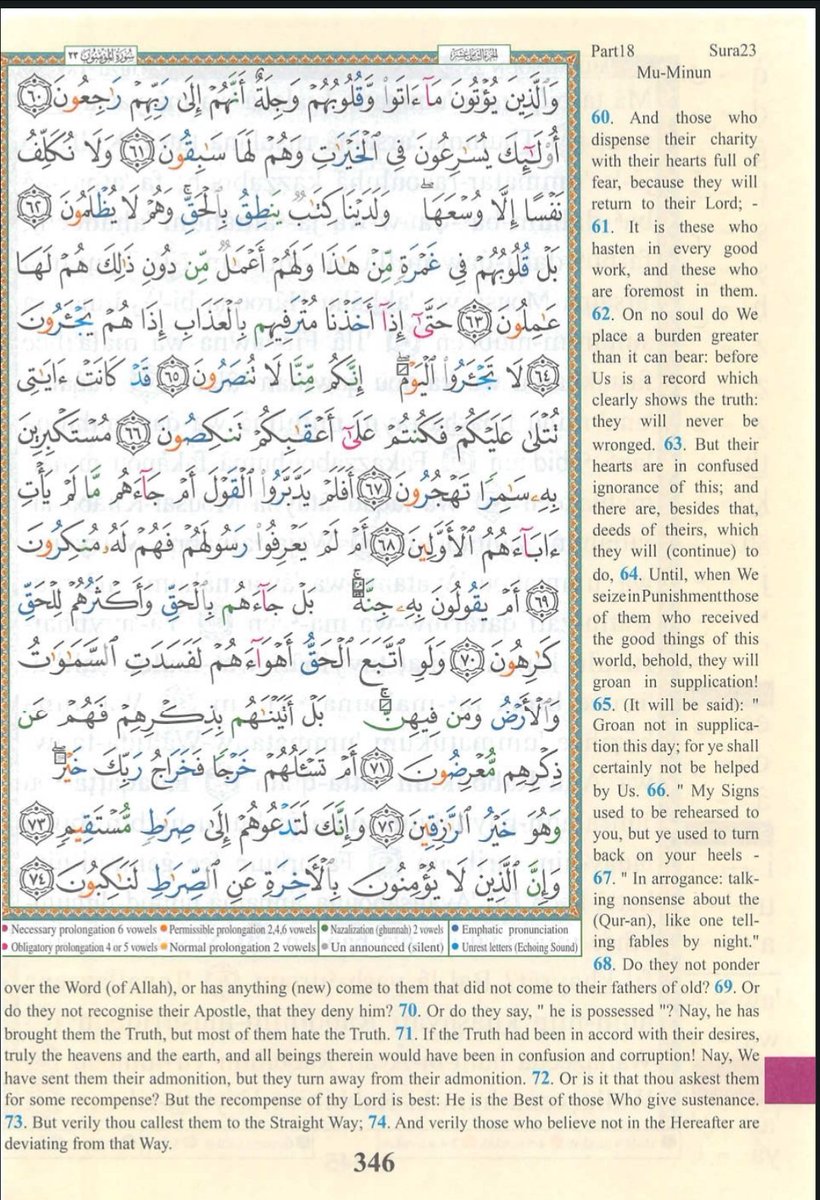
Pages of the Glorious Qur’ān today, Sunday 13/9/26, Sūrah al-Mu'minūn (23): 75-104, tafakkur verse 22: 99-100
Theme: There shall be NO second chance or second comings
حَتَّىٰٓ إِذَا جَآءَ أَحَدَهُمُ ٱلْمَوْتُ قَالَ رَبِّ ٱرْجِعُونِ لَعَلِّىٓ أَعْمَلُ صَٰلِحًا فِيمَا تَرَكْتُ ۚ كَلَّآ ۚ إِنَّهَا كَلِمَةٌ هُوَ قَآئِلُهَا ۖ وَمِن وَرَآئِهِم بَرْزَخٌ إِلَىٰ يَوْمِ يُبْعَثُونَ
“Until, when death comes to one of them, he says, ‘My Lord, send me back, so that I may do righteousness in what I left behind.’ No! It is merely a word he utters. Behind them is a barrier until the Day they are resurrected.”
LESSONS:
1. Death transforms neglected opportunities into irreversible regrets. Whatever good you can do today, pray, repent, forgive, give charity or reconcile, must not be postponed.
2. The dying person will not ask to recover wealth or status. His greatest desire will be another opportunity to perform righteous deeds. Let this reorder your priorities now.
3. Sincere repentance belongs to the present. Once death arrives, promises of reform can no longer change one’s record.
4. The barzakh is a real and unavoidable stage. After death, every soul remains behind a barrier until resurrection; there is no return to earthly life.
5. Life is the field of action, while the Hereafter is the place of recompense. Every remaining moment is divine capital, invest it before the account is permanently closed.
O Allah, awaken our hearts before death reaches us. Grant us sincere repentance, righteous deeds and a beautiful ending. Protect us from the regret of neglected opportunities, illuminate our graves and resurrect us among Your righteous servants. Āmīn.
Pages of the Glorious Qur’ān today, Saturday 12/9/26, Sūrah al-Mu'minūn (23): 43-74, tafakkur verse 22: 52
Theme: Our Unity Is an Act of Worship
وَإِنَّ هَٰذِهِۦٓ أُمَّتُكُمْ أُمَّةً وَاحِدَةً وَأَنَا۠ رَبُّكُمْ فَٱتَّقُونِ
“And indeed, this community of yours is one community, and I am your Lord, so be mindful of Me.”
LESSONS:
1. Muslims may differ in language, ethnicity, nationality and legitimate scholarly opinions, but our Lord, Prophet, Qurʾān and essential faith are one.
2. Islamic unity does not require complete uniformity. It requires that our differences never become excuses for hatred, injustice or declaring fellow Muslims outside Islam.
3. Tribalism, racism, sectarian fanaticism and the pursuit of personal influence weaken the Ummah and contradict its divinely ordained brotherhood.
4. The command, “So be mindful of Me,” teaches that preserving Muslim unity is an expression of taqwā, while deliberately creating division is a matter for which we shall answer before Allah.
5. Whenever disagreement arises, ask yourself: “Will my words heal the Ummah or deepen its wounds?” Truth must be defended, but with knowledge, justice, wisdom and mercy.
اللَّهُمَّ وَحِّدْ قُلُوبَنَا عَلَى الْحَقِّ، وَأَصْلِحْ ذَاتَ بَيْنِنَا، وَطَهِّرْنَا مِنَ التَّعَصُّبِ وَالْبَغْضَاءِ، وَاجْعَلْنَا إِخْوَانًا مُتَحَابِّينَ فِيكَ. آمِين.
O Allah, unite our hearts upon the truth, reconcile our relationships, purify us from fanaticism and hatred, and make us brothers and sisters who love one another for Your sake. Āmīn.