They told you the King of Pop died in 2009... but the evidence they tried to bury proves he staged the greatest exit in history.
Michael Jackson faked his death to escape the relentless media scrutiny, financial predators, and the golden cage of global fame.
JOIN, THE NEXT DROP WILL BE SHOCKING 👇
Michael Jackson
Here's a reminder that NO PLANES hit the Twin Towers.
HIGH TREASON
💥911 SETUP > INSIDE JOB💥
💥💥 GOVERNMENT MURDERS THEIR OWN PEOPLE💥😔
🔥....OLD NEWS I KNOW....BUT WE KEEP THESE POSTS GOING TO SHARE WITH ANYONE ‘CATCHING UP’! 👍
They never thought people who filmed the attacks on 9/11 with their JVC handycam would post it to social media years later.
It wasn’t planes that took the towers down!!
https://t.co/9lAF8TZN9m
B💥💥💥💥💥💥M
--->>>
https://t.co/R7Xbnn9eM0
This is for those who aren't paying attention. Our Military is in charge of our country along with the CIC PDJT. You're watching a movie.
https://t.co/Av2nrFKBg5
🔥HUUUUUGE!
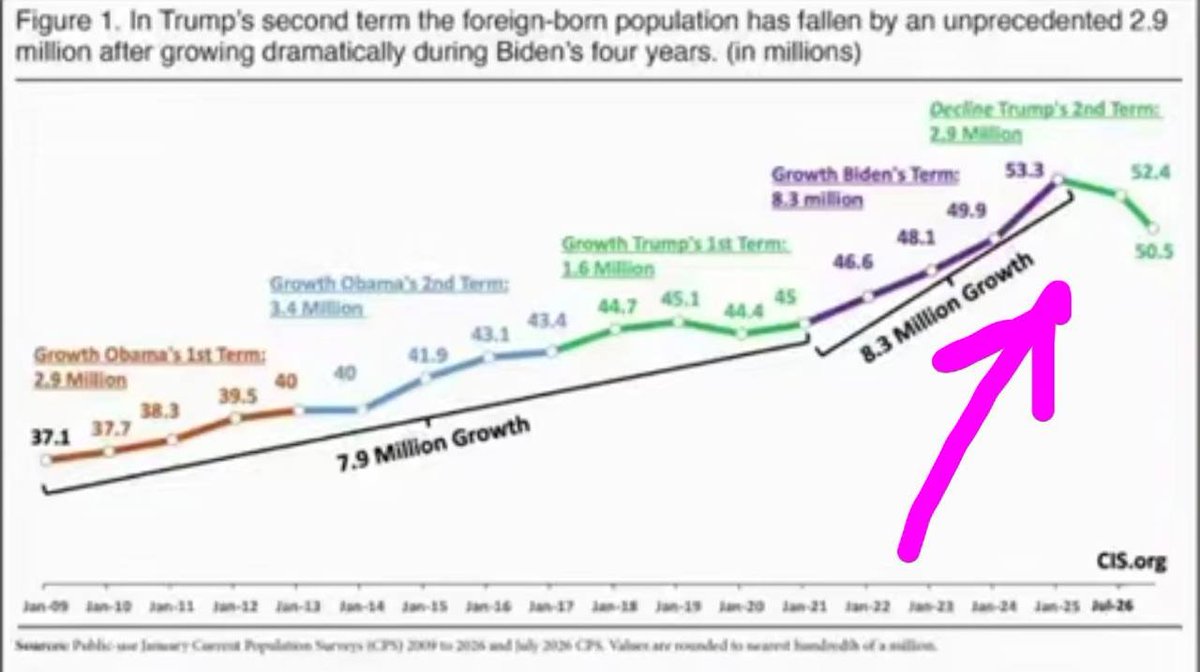
The United States of America has just recorded its first net negative migration across 1.5 years in NEARLY A CENTURY — CIS
Foreign born population just plummeted: -2.9 million 👏🏻
First time since the 1930s…almost 100 years!
Ht @ericldaugh
Join the fight @MelissaRedpill
FreedomForce dot live
A groundbreaking study shows that ovaries don’t shut down after menopause, but turn into organs with a new function.
For decades, the medical community viewed postmenopausal ovaries as biologically inert, having completed their reproductive lifespan. However, a new study published in Molecular Human Reproduction challenges this conventional wisdom.
By examining the ovarian tissue of mice at various reproductive stages, researchers from Northwestern University discovered that as egg development and hormone production decline, the ovaries undergo a dramatic molecular transformation.
Rather than quietly shutting down, these organs adapt, developing a distinct 'immune-like' profile characterized by an influx of T cells, macrophages, and active inflammatory signaling pathways.
This discovery suggests that ovaries may continue to exert a powerful, systemic influence on a woman's health long after menopause. While scientists are still determining whether this post-reproductive immune activity is beneficial, harmful, or a mix of both, it raises critical questions about how ovarian aging impacts chronic inflammation across the entire body. Furthermore, early findings from human ovarian tissue hint that these dynamic molecular shifts are not unique to mice. This research fundamentally redefines our understanding of female anatomy, signaling that these vital organs may have a second act focused entirely on systemic health and immune function.
source: Converse, A., Dipali, S. S., Schowe, I. P., Kelly, E. B., Jambunathan, S. S., Ocañas, S. R., Stout, M. B., Pritchard, M. T., & Duncan, F. E. (2026). The post-reproductive ovary shifts from a reproductive to an immune-like organ. Molecular Human Reproduction, 32(2).