I entered the Meta Global AI Developer Hackathon with one question: can AI read public tenders so a small builder doesn’t have to?
I built Licits to find out. Demo below, and what I learned along the way 🧵
This is what the AI funding cycle looks like when it actually closes a loop: raise, build, raise more, go public, and the market still shows up. Worth remembering next time someone calls the whole sector a bubble.
Anthropic priced its IPO at $83, started trading as ANT on Thursday, and closed the day up 17%. Five years ago it was a research team splitting off from OpenAI.
Tested our matching engine on a real Romanian construction company from public tender data.
20 open tenders currently match its profile. Top 5 alone total 500M+ RON in combined value. Best match score: 75%.
Building a tender-matching tool for Romanian SMEs.
I don’t think this proves agents have solved retention. Free and open always spikes DAU before churn shows up. The real test is day-30 numbers, and DeepSeek hasn’t published those. Until then, call this a distribution win, not a product-market-fit win.
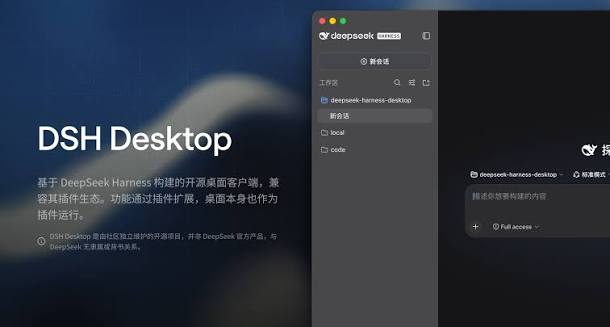
DeepSeek’s open-source agent app, Harness, hit 1.54 million daily active users on November 4. Less than three months after launch. Up roughly 468% since late September. No paid acquisition, no sales team. Just free and open source.
Everyone building agent products obsesses over benchmark scores. Harness didn’t win on intelligence. It won on distribution: free, open, zero signup friction. If your funnel needs five steps before someone sees value, that should worry you more than any leaderboard.
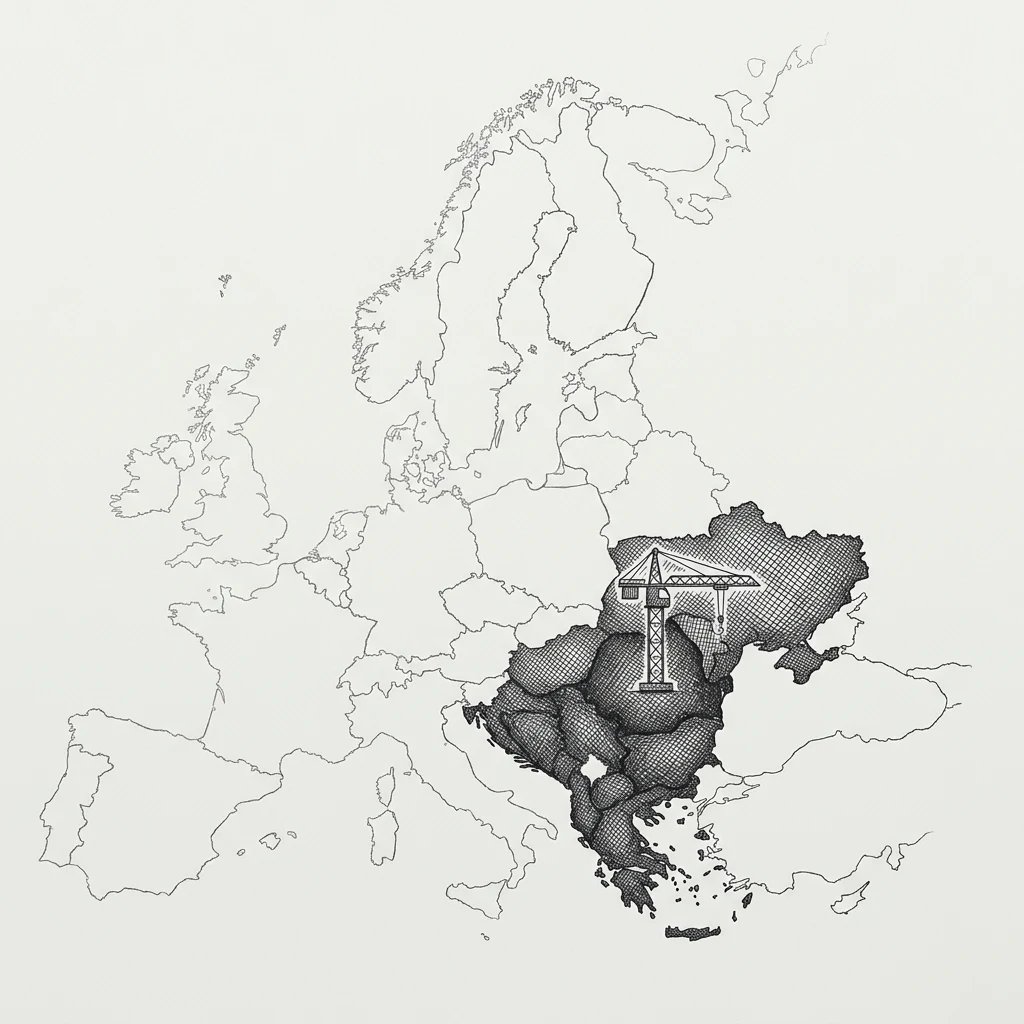
Licits started as ���cover all of Europe.” I cut it down to construction tenders in Eastern Europe only.
Wide scope sounds good in a pitch. It just means you ship something nobody can use. Pick one market, make it work, then expand.
It doesn’t touch Microsoft’s real moat though. Admin controls, compliance, Teams lock-in, no Sheets clone fixes that. This is a tool for someone building solo, not a Fortune 500 procurement decision.
That copy-paste step is gone now. The conversation’s output becomes the deliverable itself, not a block of text you rebuild somewhere else. One less app in the stack when you’re building alone.
That gap, fast private sector and slow public infrastructure, is not a complaint. It’s the opportunity line for the next decade here. Whoever builds the bridge between the two wins quietly, while everyone else argues about hype cycles.
Romania has one of the densest tech scenes in Europe. Bucharest has roughly one tech worker per 17 residents, close to Berlin’s ratio. UiPath and Bitdefender came out of here.
Meanwhile I just spent weeks building an integration with Romania’s national tender platform. It runs on an undocumented API, needs browser-fake headers to even respond, and has no working pagination past 3,000 results. Built for a different decade.
An Italian founder raised ~€7M over the past year to automate public tender bidding with AI. I'm building the same thesis for Romania. The funding isn't the interesting part. What it signals about this market is.
The AI part is commodity. The country adapter layer is the actual business. That's why Licits is built on a multi-country schema from day one, instead of hardcoding Romania and rewriting later.