Netanyahu on Iran:
If we had not acted in time to attack Iran, we would not be meeting here today — because there might not have been a State of Israel.
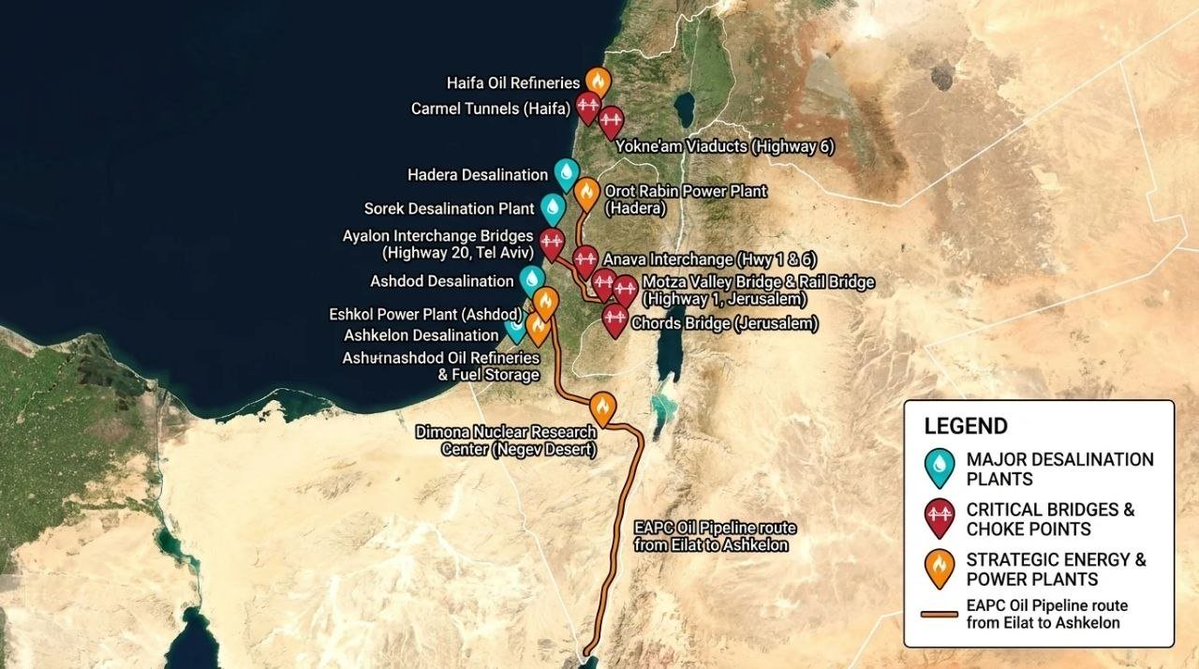
Our missile pantry is now at 1.5x its pre-war capacity, freshly stocked with next-gen delicacies.
We hate serving the same dish twice, so we've diversified the menu to give our adversaries a rich, balanced diet of fire and steel.
The table is set. Mind your table manners.
Trita, the timing argument is a distraction. Beyond every talking point of the last months, the war on Iran rests on a latent but central ideological core. On the basis of their own sectarian texts, they know 2026 is their final window to strike the nation their ancient scriptures say will annihilate them.
آقای دکتر مرندی,
ماریو که ایرانی نیست اینطوری حالش بد شد. اما ما بغضمون با مصاحبه امشب شما شکست. خدا به شما عمری طولانی و با عزت بده. شما به واقع پرچمدار عزت و سربلندی ایران هستید.
Trita, the timing argument is a distraction. Beyond every talking point of the last months, the war on Iran rests on a latent but central ideological core. On the basis of their own sectarian texts, they know 2026 is their final window to strike the nation their ancient scriptures say will annihilate them.
Iran and the Axis of Resistance are the forces of good; their adversaries are the forces of darkness. We are not afraid. We are already victorious.
https://t.co/uoWDr6LnPx
Trita, the timing argument is a distraction. Beyond every talking point of the last months, the war on Iran rests on a latent but central ideological core. On the basis of their own sectarian texts, they know 2026 is their final window to strike the nation their ancient scriptures say will annihilate them.
From a strategic and operational standpoint we are at zero hour. Intelligence data and analysis confirm the probability of a major development. One of the core issues is who seizes the initiative and when, and who retains it until the end of the conflict.
War begins the moment targets become accessible. It could be tonight, in a week, or in a month. The probability of confrontation this week is high and rises further as we approach the end of the week. Between the two elections the risk is extraordinarily elevated, and the situation must be assessed operationally for the next three months.
Another important point is that Iran’s severe and unprecedented warnings, conveyed through several intermediary countries that carry messages back and forth, have sharply increased fear and hesitation among the Americans. However, this does not appear likely to prevent the war itself. In Tehran, unprecedented major and high-level decisions have been taken under the direction of the Commander-in-Chief that go beyond the will of the adversary. Iran’s strategy is to inflict very powerful punishment on the enemy and to conduct a stunning operation in the first hours of the war.
As far as I understand, the warning messages from Iran have not merely referred to attacks on energy facilities and internet cables. They have stated that the war will continue beyond the region, in territories the Americans do not even imagine, and that this will become visible to the eyes of the world from the first spark of the conflict. This time Iran’s strikes will begin from the ceiling rather than from a low-to-high gradient, and they will remain at that level, meaning Iran will by no means back down.
Netanyahu is trapped in the election paradox. The calculus of the coming war is shaped more by Netanyahu’s mind than by Trump’s will or regional conditions. Amid a political crisis and a bleak outlook, he sees salvation in escalation and asks when a confrontation with Iran would have the greatest effect on the 27 Oct election. Trump, for his part, is caught between continuing the war, which is opposed by the majority of Americans, and stopping it, which would mean accepting defeat, and has effectively handed the game over to Netanyahu.
Iran’s simultaneous ultimatum to the United States and to the mercenary and authoritarian Arab regimes, the main instigators of war against Iran, has created an unpredictable space for the adversary regarding the nature of Iran’s response. What Iran intends to do beyond the region, and in which geographies its trained, organized, and sleeper cells will act, has become a difficult question for the enemy. It appears that over recent months one of the most important activities of Western and Zionist security services has been the attempt to identify these geographies and prepare countermeasures.
There is a high probability that the coming hours and days will be the scene of key developments, especially the hours before the start of the Zionist regime’s election. A definitive prediction is not possible, but the evidence supports it. The USraeli adversary’s mind is occupied with two questions: will it achieve its objectives and prevent the failure of the operation in the first moment, and if the operation becomes certain, how will Iran respond?
At present the issue is not whether war will occur. The data indicate conflict. The issue is the timing and manner of its initiation for the most effective blow. Both the Zionist war criminals and the American bully have no new formula in mind. They want to repeat an incomplete copy of the 12-day and 40-day wars and are pinning their hopes on Iran’s internal environment, reduced public resilience, and domestic divisions. The enemy is thinking of a short war campaign of less than one week. The goal of the United States and the Zionist regime is not merely infrastructure warfare. 1/2
#IRANWAR
#AnsarAllah
@BarakRavid Barak, spare us the spin. Trump already sealed the deal with Eisenkot and criminal Bibi: the war criminal stays in charge for the next 2 years. The "someone else" fantasy is just for the cameras.
@IraninHyderabad As the election atmosphere sets in, their opponents on the other side, and the media that already know the election outcome, will start talking about the real U.S. losses and casualty figures in the war with Iran.
+2100
@IraninHyderabad As the election atmosphere sets in, their opponents on the other side, and the media that already know the election outcome, will start talking about the real U.S. losses and casualty figures in the war with Iran.
+2100
@IraninHyderabad As the election atmosphere sets in, their opponents on the other side, and the media that already know the election outcome, will start talking about the real U.S. losses and casualty figures in the war with Iran.
+2100
@IraninHyderabad As the election atmosphere sets in, their opponents on the other side, and the media that already know the election outcome, will start talking about the real U.S. losses and casualty figures in the war with Iran.
+2100
@IraninHyderabad As the election atmosphere sets in, their opponents on the other side, and the media that already know the election outcome, will start talking about the real U.S. losses and casualty figures in the war with Iran.
+2100
The calculus of the coming war is driven far more by Netanyahu’s mind than by Trump’s will or any regional conditions. Trapped in political crisis with a bleak outlook, Netanyahu sees his survival in escalation and calculates precisely when a clash with Iran will deliver the maximum impact on the October 27 election. Trump, caught between a war the majority of Americans reject and a halt that means accepting defeat, has effectively surrendered the game to Netanyahu.
From a strategic and operational standpoint we are at zero hour. Intelligence data and analysis confirm the probability of a major development. One of the core issues is who seizes the initiative and when, and who retains it until the end of the conflict.
War begins the moment targets become accessible. It could be tonight, in a week, or in a month. The probability of confrontation this week is high and rises further as we approach the end of the week. Between the two elections the risk is extraordinarily elevated, and the situation must be assessed operationally for the next three months.
Another important point is that Iran’s severe and unprecedented warnings, conveyed through several intermediary countries that carry messages back and forth, have sharply increased fear and hesitation among the Americans. However, this does not appear likely to prevent the war itself. In Tehran, unprecedented major and high-level decisions have been taken under the direction of the Commander-in-Chief that go beyond the will of the adversary. Iran’s strategy is to inflict very powerful punishment on the enemy and to conduct a stunning operation in the first hours of the war.
As far as I understand, the warning messages from Iran have not merely referred to attacks on energy facilities and internet cables. They have stated that the war will continue beyond the region, in territories the Americans do not even imagine, and that this will become visible to the eyes of the world from the first spark of the conflict. This time Iran’s strikes will begin from the ceiling rather than from a low-to-high gradient, and they will remain at that level, meaning Iran will by no means back down.
Netanyahu is trapped in the election paradox. The calculus of the coming war is shaped more by Netanyahu’s mind than by Trump’s will or regional conditions. Amid a political crisis and a bleak outlook, he sees salvation in escalation and asks when a confrontation with Iran would have the greatest effect on the 27 Oct election. Trump, for his part, is caught between continuing the war, which is opposed by the majority of Americans, and stopping it, which would mean accepting defeat, and has effectively handed the game over to Netanyahu.
Iran’s simultaneous ultimatum to the United States and to the mercenary and authoritarian Arab regimes, the main instigators of war against Iran, has created an unpredictable space for the adversary regarding the nature of Iran’s response. What Iran intends to do beyond the region, and in which geographies its trained, organized, and sleeper cells will act, has become a difficult question for the enemy. It appears that over recent months one of the most important activities of Western and Zionist security services has been the attempt to identify these geographies and prepare countermeasures.
There is a high probability that the coming hours and days will be the scene of key developments, especially the hours before the start of the Zionist regime’s election. A definitive prediction is not possible, but the evidence supports it. The USraeli adversary’s mind is occupied with two questions: will it achieve its objectives and prevent the failure of the operation in the first moment, and if the operation becomes certain, how will Iran respond?
At present the issue is not whether war will occur. The data indicate conflict. The issue is the timing and manner of its initiation for the most effective blow. Both the Zionist war criminals and the American bully have no new formula in mind. They want to repeat an incomplete copy of the 12-day and 40-day wars and are pinning their hopes on Iran’s internal environment, reduced public resilience, and domestic divisions. The enemy is thinking of a short war campaign of less than one week. The goal of the United States and the Zionist regime is not merely infrastructure warfare. 1/2
#IRANWAR
#AnsarAllah
The calculus of the coming war is driven less by Trump’s will or regional conditions than by Netanyahu’s mind. Facing political crisis and a bleak outlook, he sees salvation only in escalation and calculates when a strike on Iran will most influence the October 27 election. Trump, trapped between continuing a war most Americans reject and ending it by admitting defeat, has effectively surrendered the decision to Netanyahu.
From a strategic and operational standpoint we are at zero hour. Intelligence data and analysis confirm the probability of a major development. One of the core issues is who seizes the initiative and when, and who retains it until the end of the conflict.
War begins the moment targets become accessible. It could be tonight, in a week, or in a month. The probability of confrontation this week is high and rises further as we approach the end of the week. Between the two elections the risk is extraordinarily elevated, and the situation must be assessed operationally for the next three months.
Another important point is that Iran’s severe and unprecedented warnings, conveyed through several intermediary countries that carry messages back and forth, have sharply increased fear and hesitation among the Americans. However, this does not appear likely to prevent the war itself. In Tehran, unprecedented major and high-level decisions have been taken under the direction of the Commander-in-Chief that go beyond the will of the adversary. Iran’s strategy is to inflict very powerful punishment on the enemy and to conduct a stunning operation in the first hours of the war.
As far as I understand, the warning messages from Iran have not merely referred to attacks on energy facilities and internet cables. They have stated that the war will continue beyond the region, in territories the Americans do not even imagine, and that this will become visible to the eyes of the world from the first spark of the conflict. This time Iran’s strikes will begin from the ceiling rather than from a low-to-high gradient, and they will remain at that level, meaning Iran will by no means back down.
Netanyahu is trapped in the election paradox. The calculus of the coming war is shaped more by Netanyahu’s mind than by Trump’s will or regional conditions. Amid a political crisis and a bleak outlook, he sees salvation in escalation and asks when a confrontation with Iran would have the greatest effect on the 27 Oct election. Trump, for his part, is caught between continuing the war, which is opposed by the majority of Americans, and stopping it, which would mean accepting defeat, and has effectively handed the game over to Netanyahu.
Iran’s simultaneous ultimatum to the United States and to the mercenary and authoritarian Arab regimes, the main instigators of war against Iran, has created an unpredictable space for the adversary regarding the nature of Iran’s response. What Iran intends to do beyond the region, and in which geographies its trained, organized, and sleeper cells will act, has become a difficult question for the enemy. It appears that over recent months one of the most important activities of Western and Zionist security services has been the attempt to identify these geographies and prepare countermeasures.
There is a high probability that the coming hours and days will be the scene of key developments, especially the hours before the start of the Zionist regime’s election. A definitive prediction is not possible, but the evidence supports it. The USraeli adversary’s mind is occupied with two questions: will it achieve its objectives and prevent the failure of the operation in the first moment, and if the operation becomes certain, how will Iran respond?
At present the issue is not whether war will occur. The data indicate conflict. The issue is the timing and manner of its initiation for the most effective blow. Both the Zionist war criminals and the American bully have no new formula in mind. They want to repeat an incomplete copy of the 12-day and 40-day wars and are pinning their hopes on Iran’s internal environment, reduced public resilience, and domestic divisions. The enemy is thinking of a short war campaign of less than one week. The goal of the United States and the Zionist regime is not merely infrastructure warfare. 1/2
#IRANWAR
#AnsarAllah
Hideouts and headquarters of rented terrorists in northern Iraq are under the fire of Iran’s armed forces’ kamikaze drones.
Today, after a weapons-smuggling team was caught on Iran’s western borders and made confessions, it appears that certain locations have been targeted on the basis of the information those smugglers provided.
From a strategic and operational standpoint we are at zero hour. Intelligence data and analysis confirm the probability of a major development. One of the core issues is who seizes the initiative and when, and who retains it until the end of the conflict.
War begins the moment targets become accessible. It could be tonight, in a week, or in a month. The probability of confrontation this week is high and rises further as we approach the end of the week. Between the two elections the risk is extraordinarily elevated, and the situation must be assessed operationally for the next three months.
Another important point is that Iran’s severe and unprecedented warnings, conveyed through several intermediary countries that carry messages back and forth, have sharply increased fear and hesitation among the Americans. However, this does not appear likely to prevent the war itself. In Tehran, unprecedented major and high-level decisions have been taken under the direction of the Commander-in-Chief that go beyond the will of the adversary. Iran’s strategy is to inflict very powerful punishment on the enemy and to conduct a stunning operation in the first hours of the war.
As far as I understand, the warning messages from Iran have not merely referred to attacks on energy facilities and internet cables. They have stated that the war will continue beyond the region, in territories the Americans do not even imagine, and that this will become visible to the eyes of the world from the first spark of the conflict. This time Iran’s strikes will begin from the ceiling rather than from a low-to-high gradient, and they will remain at that level, meaning Iran will by no means back down.
Netanyahu is trapped in the election paradox. The calculus of the coming war is shaped more by Netanyahu’s mind than by Trump’s will or regional conditions. Amid a political crisis and a bleak outlook, he sees salvation in escalation and asks when a confrontation with Iran would have the greatest effect on the 27 Oct election. Trump, for his part, is caught between continuing the war, which is opposed by the majority of Americans, and stopping it, which would mean accepting defeat, and has effectively handed the game over to Netanyahu.
Iran’s simultaneous ultimatum to the United States and to the mercenary and authoritarian Arab regimes, the main instigators of war against Iran, has created an unpredictable space for the adversary regarding the nature of Iran’s response. What Iran intends to do beyond the region, and in which geographies its trained, organized, and sleeper cells will act, has become a difficult question for the enemy. It appears that over recent months one of the most important activities of Western and Zionist security services has been the attempt to identify these geographies and prepare countermeasures.
There is a high probability that the coming hours and days will be the scene of key developments, especially the hours before the start of the Zionist regime’s election. A definitive prediction is not possible, but the evidence supports it. The USraeli adversary’s mind is occupied with two questions: will it achieve its objectives and prevent the failure of the operation in the first moment, and if the operation becomes certain, how will Iran respond?
At present the issue is not whether war will occur. The data indicate conflict. The issue is the timing and manner of its initiation for the most effective blow. Both the Zionist war criminals and the American bully have no new formula in mind. They want to repeat an incomplete copy of the 12-day and 40-day wars and are pinning their hopes on Iran’s internal environment, reduced public resilience, and domestic divisions. The enemy is thinking of a short war campaign of less than one week. The goal of the United States and the Zionist regime is not merely infrastructure warfare. 1/2
#IRANWAR
#AnsarAllah