Gynecologist and Obstetrician UNAH//Reproductive Endocrinology and infertility INCMNSZ/Gynecological laparoscopic surgery General GEA González Hospital
@RashidMG3 Es peor negociar con el partido nacional que con el partido libre Y peor votar por Tomas Zambrano que todos conocemos su historia de 20 años de corrupción en el congreso.
@1LuzErnestina1@radioamerica Disculpas pero quien le ha dicho que nosotros que los pusimos en el congreso queremos que hagan alianza con el partido nacional,ahí si que van a desaparecer como partido.
AJOG Surgeon's Corner: Vaginal clamping of uterine arteries: a temporary intervention to stop bleeding in postpartum hemorrhage - Vaginal clamping of uterine arteries https://t.co/6KjLyZz5Vv
A simple guide to how mitochondria work. 4️⃣ primar jobs
Mitochondria are more than the “powerhouse of the cell.” They’re multitasking organelles that control energy, stress, genetics, and even cell survival. Here are the 4 primary jobs they do:
1️⃣ ATP Generation (Energy Production)
Mitochondria convert glucose, fats, and amino acids into acetyl-CoA, which enters the TCA cycle and electron transport chain (ETC).
The result: ATP, the energy currency for everything from nerve signals to muscle contractions.
🟢 Example: Every time you move or think, mitochondria are fueling the process.
2️⃣ ROS Balance - i.e., redox control
As mitochondria make ATP, they also generate reactive oxygen species (ROS) damaging byproducts.
Antioxidant enzymes (like catalase, SOD, glutathione peroxidase) keep ROS under control.
Too much ROS = oxidative stress → cell injury or death.
🟢 Example: Exercise trains mitochondria to better balance ROS, which is one reason it’s so protective.
3️⃣ mtDNA Maintenance (genetic stability)
Mitochondria have their own DNA (mtDNA), which encodes key ETC proteins.
Damage or mutations in mtDNA reduce energy output and contribute to diseases.
mtDNA mutations accumulate with age, linking mitochondria to neurodegeneration and aging.
🟢 Example: Mitochondrial DNA damage is a hallmark in Alzheimer’s and Parkinson’s disease.
4️⃣ Membrane Dynamics (fission & fusion)
Mitochondria constantly split (fission) and merge (fusion) to adapt to stress and demand.
This dynamic reshaping controls quality, removing damaged mitochondria (mitophagy) and keeping networks healthy.
🟢 Example: Impaired fission/fusion is seen in metabolic disorders and neurodegenerative disease.
Mitochondria don’t just make energy. They balance oxidative stress, protect genetic integrity, and constantly remodel themselves to keep cells alive. Supporting mitochondrial health means supporting the foundation of cellular life.
Small cell lung cancer represents 10% to 15% of all lung cancers, and approximately 16 000 cases were diagnosed in the US in 2024.
This JAMA Patient Page describes small cell lung cancer and its symptoms, diagnosis and staging, treatment, and prognosis. https://t.co/Xtee51TCDW
AJOG Expert Review: The adult ovary at single cell resolution: an expert review - A schematic overview of selected single-cell studies on adult pre-menopausal human ovaries https://t.co/asnIAJBDzR
🔴 In F&S Science:
Impact of CYP19A1 genetic variations on polycystic ovary syndrome: findings from a case-control study
Full text 👇
https://t.co/ia6zwc5O7o
#Hypothyroidism is a condition characterized by the insufficient production of thyroid hormones.
This Review summarizes the epidemiology, pathophysiology, clinical presentation, and treatment of primary overt hypothyroidism in nonpregnant adults.
https://t.co/qCEXrW9ZVv
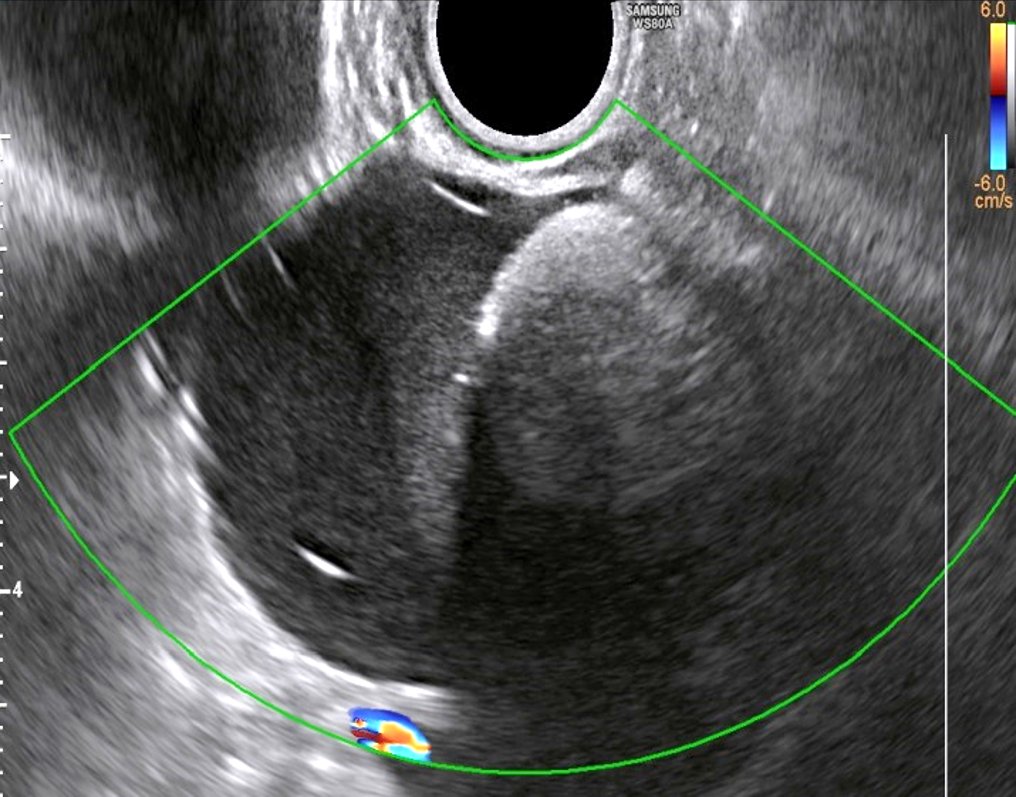
Ahead of our upcoming course, Assessment of adnexal masses using ultrasound, one of our expert speakers Dr Catherine Phillips has prepared a relevant #ISUOGEducation quiz question to get you all ready for this amazing course!
Which of the following is a new O-RADS US lexicon term which was added in the 2022 update to improve specificity for some low-risk lesions?
A. Shadowing
B. Multilocular
C. Solid component
D. Dermoid
Which answer do you think is correct? Comment your guesses below and come back next Friday for the right answer!
Register for our upcoming course: https://t.co/bOqYCSBL0O
Lipids simplified!
🧱 Cholesterol – is the material needed for building cell walls, making hormones etc
🛻 Lipoproteins - are basically Trucks transporting Cholesterol along with other things through blood. Depending on size they are of many types.
⛽ Triglycerides – are portable Fuel containers that trucks are carrying along.
🚛 HDL – They are the Recycling Trucks the patrol the roads collecting leftover cholesterol bricks from tissues & arteries, & bringing it back to the liver’s recycling center. HDL- C in your reports is the total leftover bricks in circulation currently.
🚚 LDL – They are the Delivery Trucks that deliver cholesterol bricks from the liver warehouse to construction sites (cells) around the body. LDL- C in your reports is the total unused bricks in circulation currently.
🚨 Lp(a) - Some of these LDL delivery trucks have an extra problem. They are wheel that are extra sticky.
🚛📦 VLDL – They are the Fat Cargo Trucks that mainly transports big boxes of triglycerides (fat) from the liver to storage sites.
🪪♦️ApoB (Apolipoprotein B) - All the main delivery trucks (LDL, Lpa, VLDL..) have a common license plate called ApoB. Counting them gives an idea of the no of trucks on road currently. More means too many cholesterol bricks & extra fuel (Tg) are being transported
🪪🔹ApoA1 (Apolipoprotein A1) - The recycling trucks have a different license plate called ApoA1. If more of these license plates are in action means more cleanup is done.
—————
What to Target?
▶️ Total Cholesterol:
This number is important, but the break up is more important (usually high means more LDL, VLDL… hence a problem)
- Total Cholesterol of around 200 with the right breakup is ideal 🟢
- Too Low & Too High is not ideal 🔴
▶️ HDL-C:
More cleaned up bricks is always better
- For men > 40 mg/dL 🟢
- For women > 50 mg/dL 🟢
▶️ Triglyceride:
Lot of portable Fuel being transported means excess energy/calories in the system.
- Ideal: < 100 mg/dL 🟢
- High Risk: > 150 mg/dL 🔴
▶️ VLDL:
More of portable fuel trucks is indirectly saying more portable fuel is produced.
Hence It is not directly measured, but estimated as 20% of triglycerides
- VLDL < 20 mg/dL 🟢
▶️ LDL-C
More unused bricks in circulation is a concern as more delivery trucks can cause a traffic jam (plaque)
- Ideal: < 130 mg/dL 🟢
- High Risk: > 160 mg/dL 🔴
▶️ Lp(a):
The more unused bricks in circulation especially inside those trucks with sticky tired is a big cause of concern. But it’s not under your control.
- Optimal: < 20 🟢
- SubOptimal: 20- 50🟡
- High risk: 50- 100🟠
- Very high risk > 100🔴
▶️ ApoB:
You want less of trucks with these license plate on the road. They are either carrying unused bricks or extra portable fuel, either way not good.
- Optimal: < 80 mg/dL (high risk patients)
: < 90 mg/dL (general population) 🟢
- High: > 120 mg/dL 🔴
▶️ ApoA1:
You want more of cleanup trucks with these license plate on the road.
- Optimal: < 0.6 🟢
- Acceptable: < 0.8 🟡
- High risk: > 0.9 (men), > 0.8 (women) 🔴
▶️ ApoB / ApoA1 Ratio:
This ratio reflects the balance between Delivery trucks & Clean up trucks. More clean up trucks is always better
- Optimal: < 0.6 🟢
- Acceptable: < 0.8 🟡
- High risk: > 0.9 (men), > 0.8 (women) 🔴
▶️ Triglycerides / HDL Ratio:
This ratio reflects the balance between large Cargo trucks specifically & Clean up trucks. Again more clean up trucks & less portable fuel on the road is always better
- Excellent: < 1 🟢
- Good: < 2 🟡
- At risk: > 2 🟠
- High risk: > 4 🔴
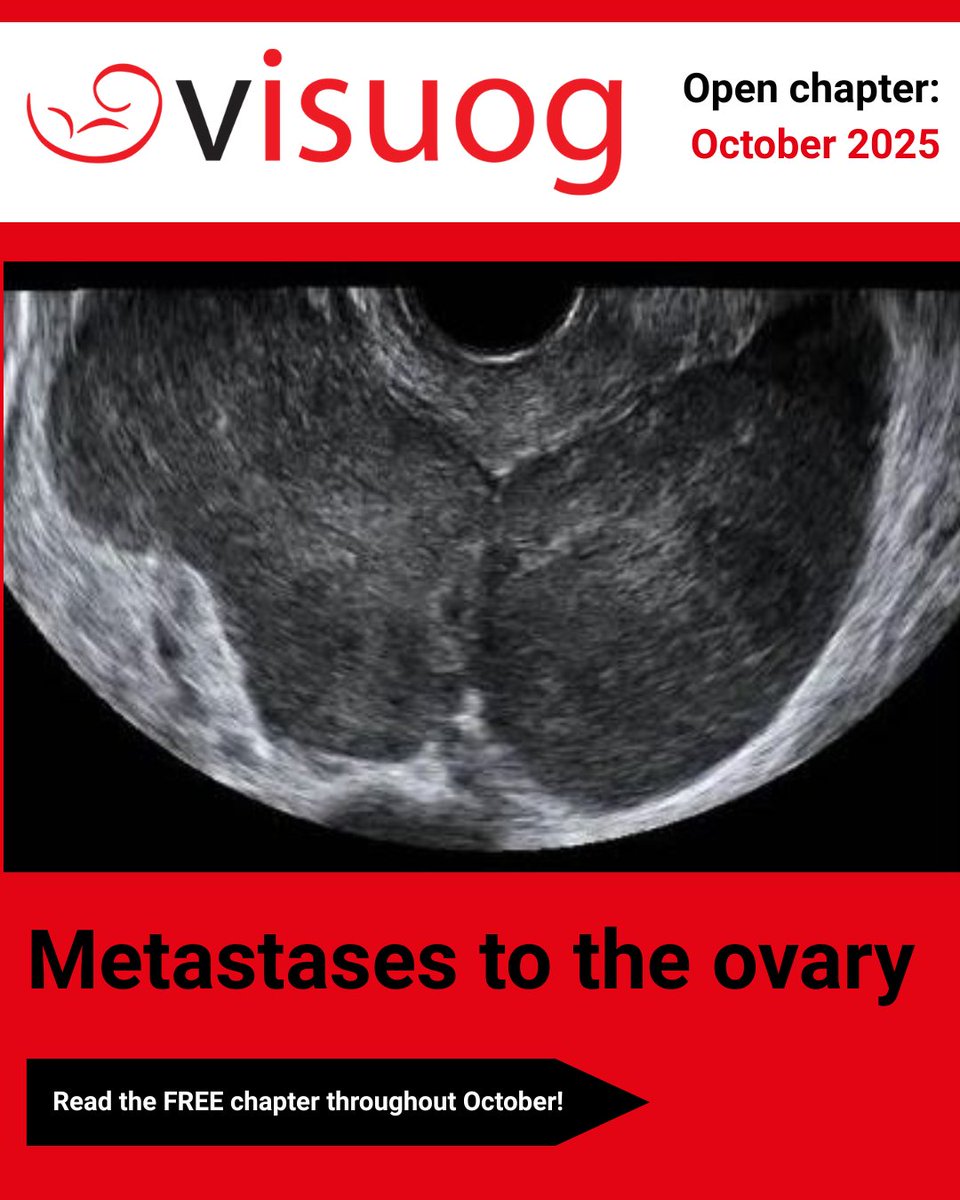
📖 VISUOG open chapter October 2025
This month's FREE educational chapter is 'Metastases to the ovary', a topic that will be covered in the upcoming #ISUOGEducation course, Assessment of adnexal masses using ultrasound as part of session four: Malignancies, rare tumours, led by Prof. Lil Valentin.
Read the chapter now: https://t.co/KnkmLhgreN
Register for our upcoming course to further expand your knowledge: https://t.co/uv0S2gIHQU
#LoveUltrasound