Equitable access to early diagnosis and treatment of cancer is fundamental to achieving equity. Early diagnosis > intervention, increased chances of successful treatment/preventing cancer and its progression.
As a newly proposed member of the #MTCC I fully support the statement.
NOW OF: In the final 10-yr survival analysis of the OVHIPEC-1 ph 3 RCT of cytoreductive surgery w/o vs w/ HIPEC in pts with adv ovarian cancer, median PFS was 10·7 months (95% CI 9·6–12·0) vs 14·3 months (12·0–18·5); HR 0·63 [95% CI 0·48–0·83], p=0·0008).
https://t.co/QWlQVN08GP
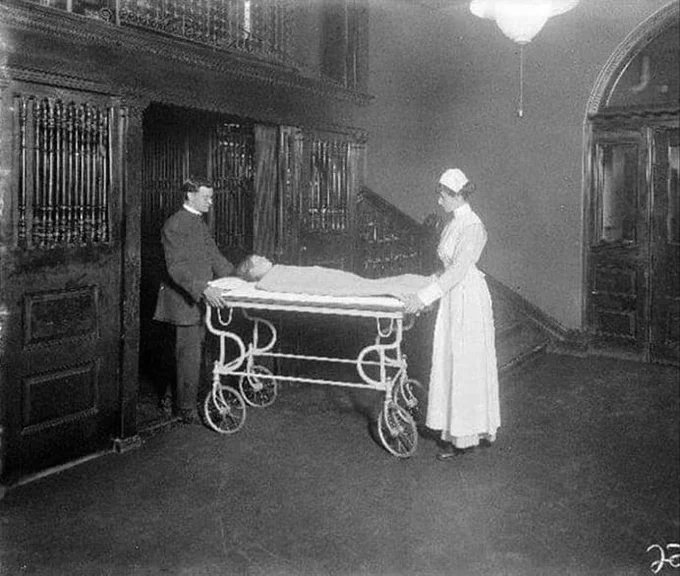
In 1922, a team of scientists went to the Toronto General Hospital, where numerous children with diabetes - often upwards of 50 - were housed in wards. Most of these children were in diabetic comas.
In what can only be described as their deathbeds, these children were waiting for a fate that, at the time, was deemed certain.
However, these scientists, brimming with determination, promptly began administering a newly purified insulin.
As they injected the final comatose child, a miracle happened - the first child who had received the injection started to regain consciousness.
And, one after another, the rest of the children also began to wake up from their diabetic comas. What was once a room of despair and imminent death had become a beacon of hope and joy.
The discovery of insulin was made by Frederick Banting and Charles Best under the supervision of John Macleod at the University of Toronto during the early 1920s.
They were assisted by James Collip, who played a crucial role in purifying insulin, thus paving the way for successful diabetes treatment. Their ground-breaking work earned Banting and Macleod the prestigious Nobel Prize in 1923.
Country singer Dolly Parton wrote the songs "I Will Always Love You" and "Jolene" on the same night.
When the first song was at the top of the charts in 1974, Elvis wanted to record his own version of the song. Dolly was interested until Colonel Tom Parker, Elvis' manager, said that it was standard procedure that when the king of rock and roll covered a song - half of the rights to that song would go to him in the future.
She refused it.
"I said, 'I'm really, really sorry' and cried all night. It was terrible for me, on the one hand, it's Elvis. People told me: "You are crazy." It's Elvis Presley...' but I just couldn't do it. Something told me in my heart not to do it and I didn't. I know he would rock with that song. But I couldn't. And then Whitney Houston came along with her version and I made enough money from the rights to buy Dollywood."
She grew up in severe poverty and no one famous has done more for the education of the poor than her.
In 1990, the percentage of students who did not graduate from high school in her hometown was over 30%. She introduced the "Buddy Program", where all high school graduates received a nice sum when they graduated. It wasn't just a waste of money, she personally came and explained the concept to them - everyone should find a buddy, and whoever doesn't succeed she will find one for them. Everyone had to sign that they will graduate and do everything in their power to ensure that their buddy also graduates. She taught young people about friendship and helping.
The number of school dropouts dropped to below 6% and has remained so until today.
When 900 families lost their homes in the 2016 fires, she paid each family $1,000 for the next five months. When she came to the bank to finish the paperwork, she gave each family another $5,000 to find. A total of nine million dollars.
Also, her work - Imagination Library from 1995, was inspired by her realization that young people in rural areas and poor families already fall behind when they start school and that this prevents them from pursuing higher education. The goal of her program was for every child in her district to receive one book, once a month, from birth to school, completely free of charge, without any conditions. It started as an initiative in her hometown and has spread to a huge number of countries around the world.
By 2018, over 100 million books were distributed in this way.
She is also known for her witty statements, at the beginning of her career she said:
“I'm not offended by jokes about stupid blondes because I know I'm not stupid... and I'm not really blonde either.”
In England 25% of male graduates and 15% of female ones will take home less money over their careers than peers who do not get a degree, according to the Institute for Fiscal Studies https://t.co/eBJuOjICcB
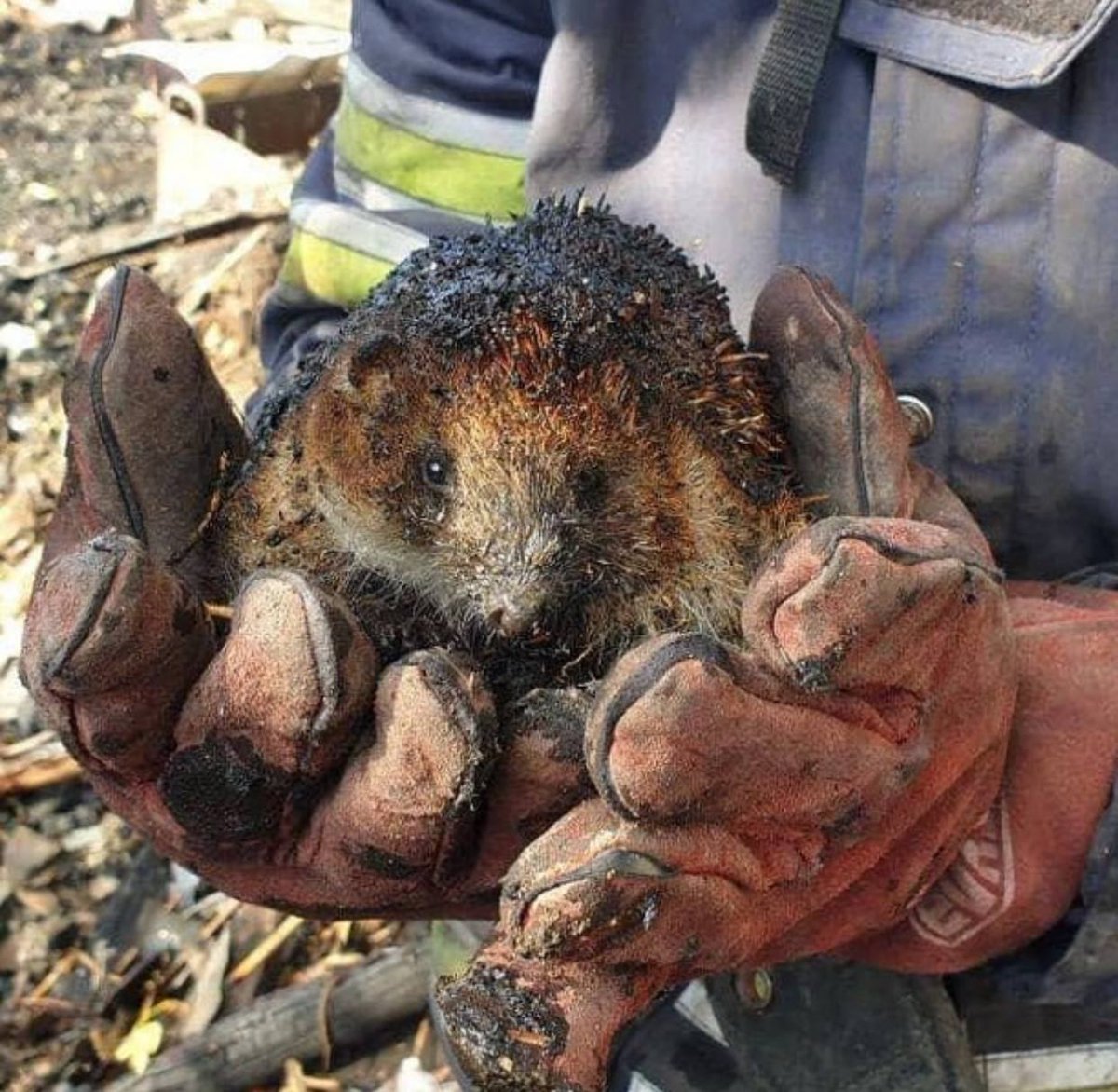
Questo piccolo riccio bruciato dal fuoco della #guerra, con i suoi aculei inceneriti racconta come l’homo sapiens sia la più grande sventura capitata a questo pianeta.


![TheLancetOncol's tweet photo. NOW OF: In the final 10-yr survival analysis of the OVHIPEC-1 ph 3 RCT of cytoreductive surgery w/o vs w/ HIPEC in pts with adv ovarian cancer, median PFS was 10·7 months (95% CI 9·6–12·0) vs 14·3 months (12·0–18·5); HR 0·63 [95% CI 0·48–0·83], p=0·0008).
https://t.co/QWlQVN08GP https://t.co/a6BI0sZZ7V](https://pbs.twimg.com/media/F50Gf1yXUAAyxp6.jpg)




![TheLancetOncol's tweet photo. NOW OF: In the final 10-yr survival analysis of the OVHIPEC-1 ph 3 RCT of cytoreductive surgery w/o vs w/ HIPEC in pts with adv ovarian cancer, median PFS was 10·7 months (95% CI 9·6–12·0) vs 14·3 months (12·0–18·5); HR 0·63 [95% CI 0·48–0·83], p=0·0008).
https://t.co/QWlQVN08GP https://t.co/a6BI0sZZ7V](https://pbs.twimg.com/media/F50GgmXW4AAsADQ.jpg)