Agree, however journal word limits require researchers to make judgement calls. My method of analysis for multiple context research is systematic and credible, synthesising this for reporting is the challenge.
https://t.co/pMwzbrmM1D
I often wonder why authors use generic thematic analysis approaches in reviews. Many just describe the content of the articles under thematic type headings. Thematic synthesis is much more interesting to read and valuable in translating findings into practice.
@NurseEducToday Absolutely agree, for credibility qualitative research requires a systematic, auditable and reportable analysis method. My modified method of analysis for multiple context research may be of interest.
https://t.co/pMwzbrmM1D
#SundayMorningReading: New Public Policy Projects Report Launched: A Women's #Health Agenda! Highlighting importance of embracing a culture of change in design & delivery of women’s health https://t.co/zlfdmfpqoF
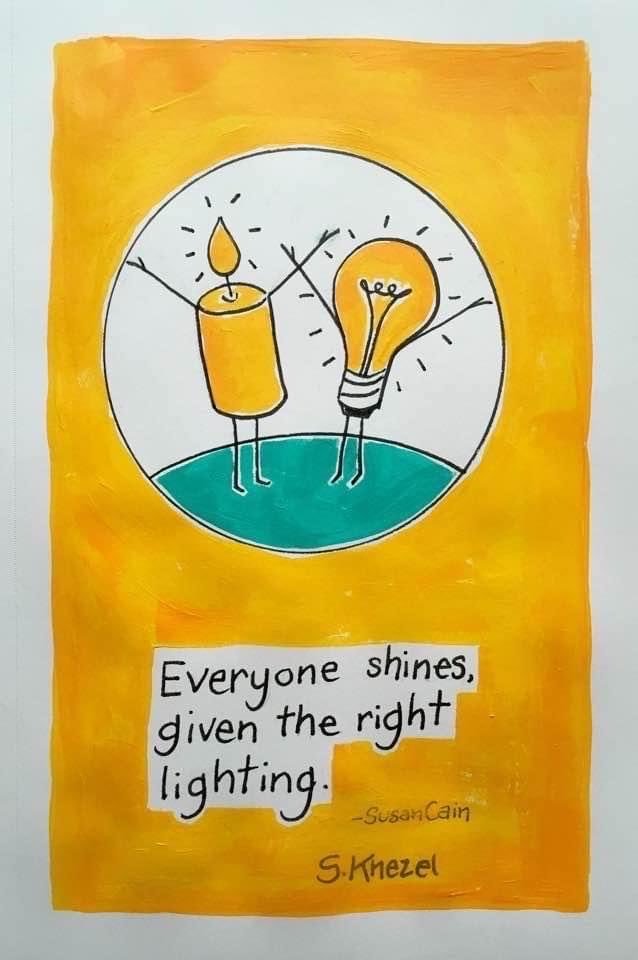
"Everyone shines, given the right lighting". What are we doing as leaders to give the right lighting to our team members and colleagues? What a powerful thought @sherrillknezel
Tomorrow, we are kicking off a new QI programme on optimising flow @ELFT_QI - supporting >20 teams to tackle waits and backlogs using quality improvement. This write-up shows the power of taking a collaborative, learning approach to this challenge https://t.co/rUIIsP20Fr
We are delighted to announce that our new 2020 Impact Factor has increased to 3.442, ranking #6 in NURSING and #8 in EDUCATION. Thank you to all our editors, authors and reviewers, huge congratulations!
#SystemsThinking is key to understand the dynamics of complex global challenges. A #SystemsChange approach opens up a range of new ways of thinking, analysing, organising, communicating & leading to deliver on the #2030Agenda. Find out more @4SD_info https://t.co/IgbXMq0VGf #SDGs
I get frustrated when I see "rigorous" and "evidence-based" applied exclusively (or even primarily) to quantitative research. Narrative research is also "rigorous." Stories are evidence. Emotions are evidence. Analysis of affective responses is evidence. History is evidence.
@UN World Food Programme #WFP warns that the pandemic has sent food prices soaring, 41m face the imminent possibility of starvation without food assistance
Ethiopia, Madagascar, South Sudan & Yemen are at level 5 (catastrophe) conditions @bmj_latest
https://t.co/II4JV995p3
An in-depth analysis of more than 20,000 health related mobile applications (mHealth apps) finds “serious problems with privacy and inconsistent privacy practices.” @midkhan https://t.co/8P66hMQAwD #BMJResearch
Have you read the new edition of our #QualityImprovement made simple quick guide yet? 📖
It's especially useful for health care staff leading service change as a result of the pandemic.
Read online, download the PDF or order a hard copy today ⬇️
https://t.co/wJqeWuS6R5
This new framework is designed to support allied health professionals (#AHPs) to do whatever they can – large or small – to tackle health inequalities. Read it now. https://t.co/HsMSPG1fGs
How should we address unequal impacts of COVID-19 on society? This is a key question for @covidandsociety – an @ESRC-funded collaboration of universities and thinktanks.
Read more: https://t.co/pjOn4mLnHx
This week is #NutritionandHydrationWeek
A time to highlight and educate people on the value of food and drink in maintaining health and wellbeing in health and social care💙
Find out more here▶️https://t.co/bTYmKABvy2
Need a commute listen?
In “Leaders & Followers”,
@MannersOfMarple & @CraigDavidson85 chat to two nurse leaders at different career stages: @PaulJebb1 & @CharlotteNHSRN
https://t.co/2Lngvic7gn
https://t.co/q6kT1R6Cpu
https://t.co/DgSbr67pld
https://t.co/CTi75vWIiW
#PodRTP
How to be a trustworthy leader, based on longitudinal research with 3,200 leaders: 1) Be who you say you are 2) Treat others & their work with dignity 3) Balance transparency & discretion 4) Build bridges that unify: https://t.co/Fq5IieSCkB By @RonCarucci Thanks @ScottFSMunro