Assistant Professor of Nursing, Acute Care NP, President of Wasatch Front American Association of Critical Care Nurses, Sigma Iota Iota Membership Council Chair
We all remember that ‘Office’ moment when the enthusiasm was there…but the beat definitely wasn’t. (Sorry Michael!) In real life, chest compressions should be 100–120 beats per minute (bpm). Yes, there is a right rhythm to keep someone ‘Stayin’ Alive.’
https://t.co/P3QexDlZQz
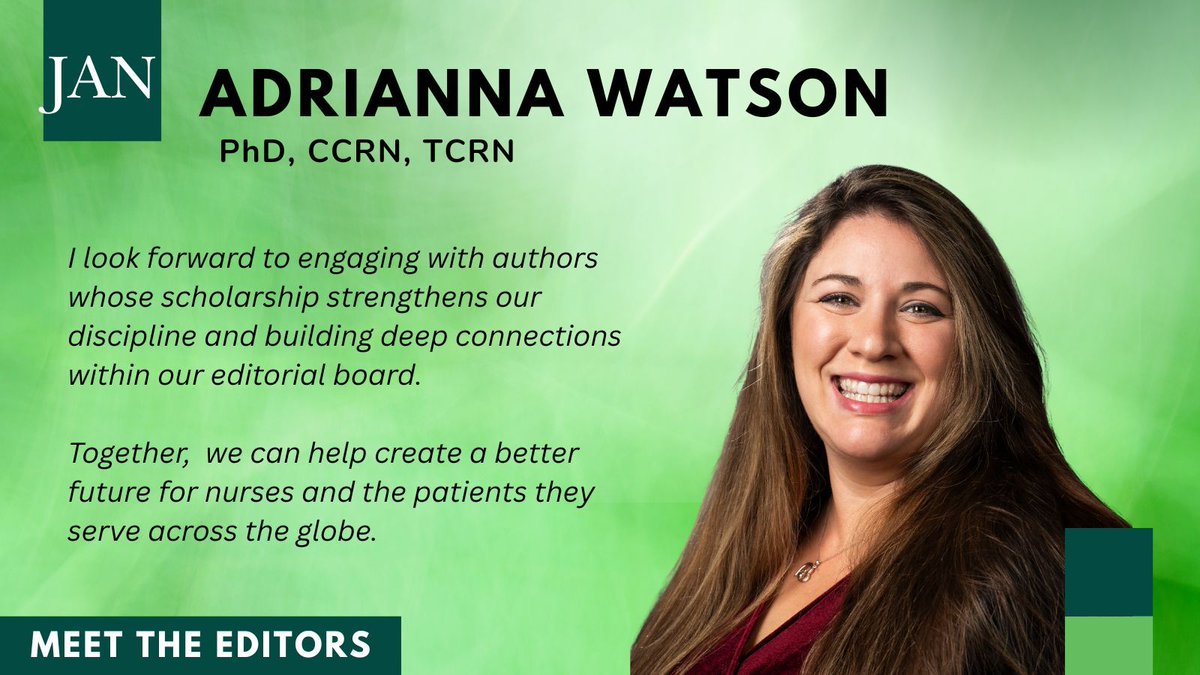
#MeetTheEditors: From Dr. Adrianna Watson.
"I look forward to engaging with authors whose scholarship strengthens our discipline. Together, we can create a better future for nurses and the patients they serve across the globe."
“Meaningful education isn’t about making complex material look easy. It’s about truly understanding it so others can too.”
Through creativity and clinical expertise, Caitlyn Nichols is helping nurses think ahead and act with purpose in critical moments.
Read her story: https://t.co/67pZRZ8YK1
Michelle Loera discusses the importance of nurse leaders supporting their staff’s mental and emotional health, including recognizing signs of distress and encouraging nurses to use mental health resources: https://t.co/ZTAv3p5Vy9
Leaders should model behaviors that support health, showing empathy and determination to drive change. Authentic leadership, one of AACN’s six standards for a Healthy Work Environment (HWE), calls on nurse leaders to commit to establishing an HWE, lead with integrity, and inspire teams to make it happen.
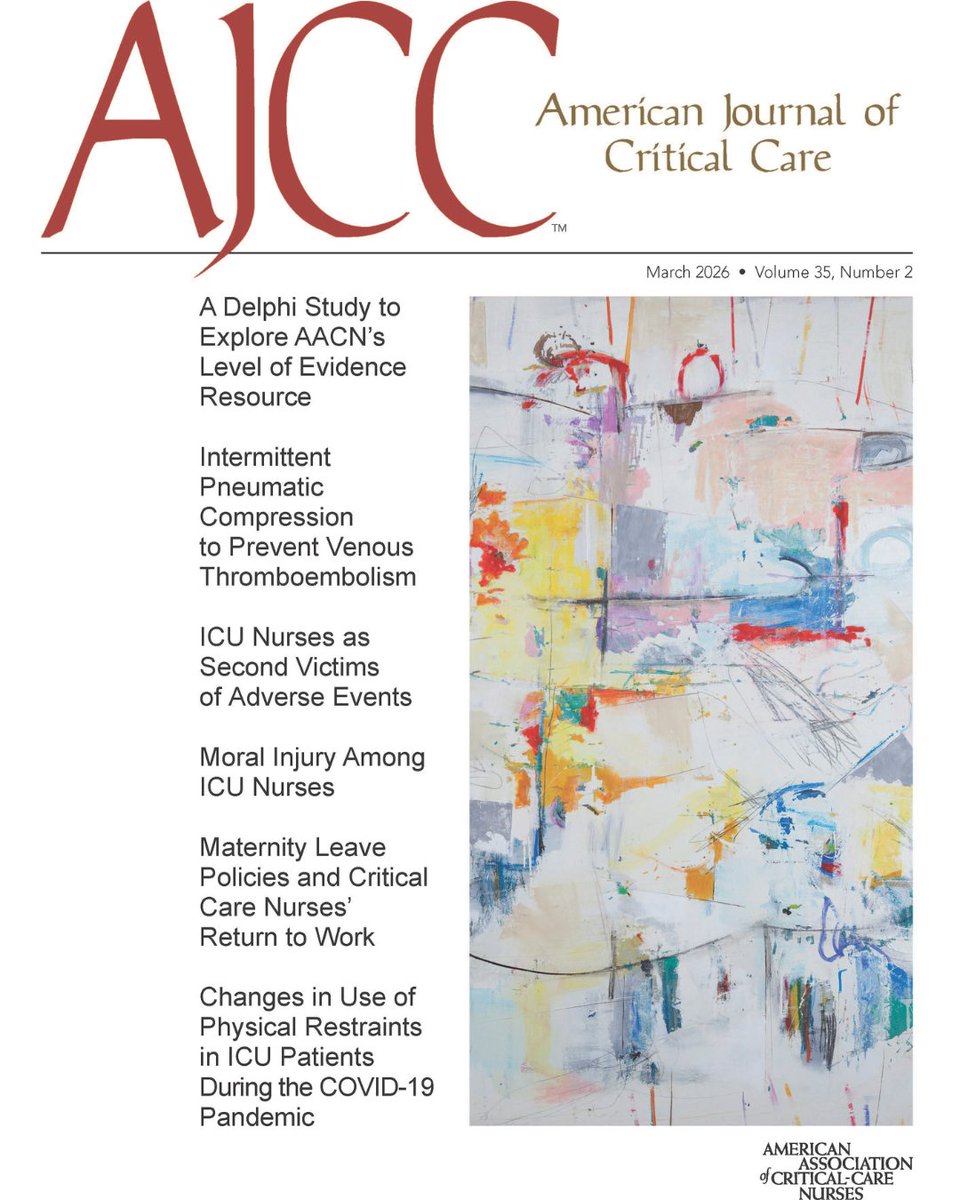
Interviews with nurses who took maternity leave and returned to practice offer an actionable blueprint and evidence-based strategies to transform the current patchwork of policies. Read the study: https://t.co/vM4ED288lh
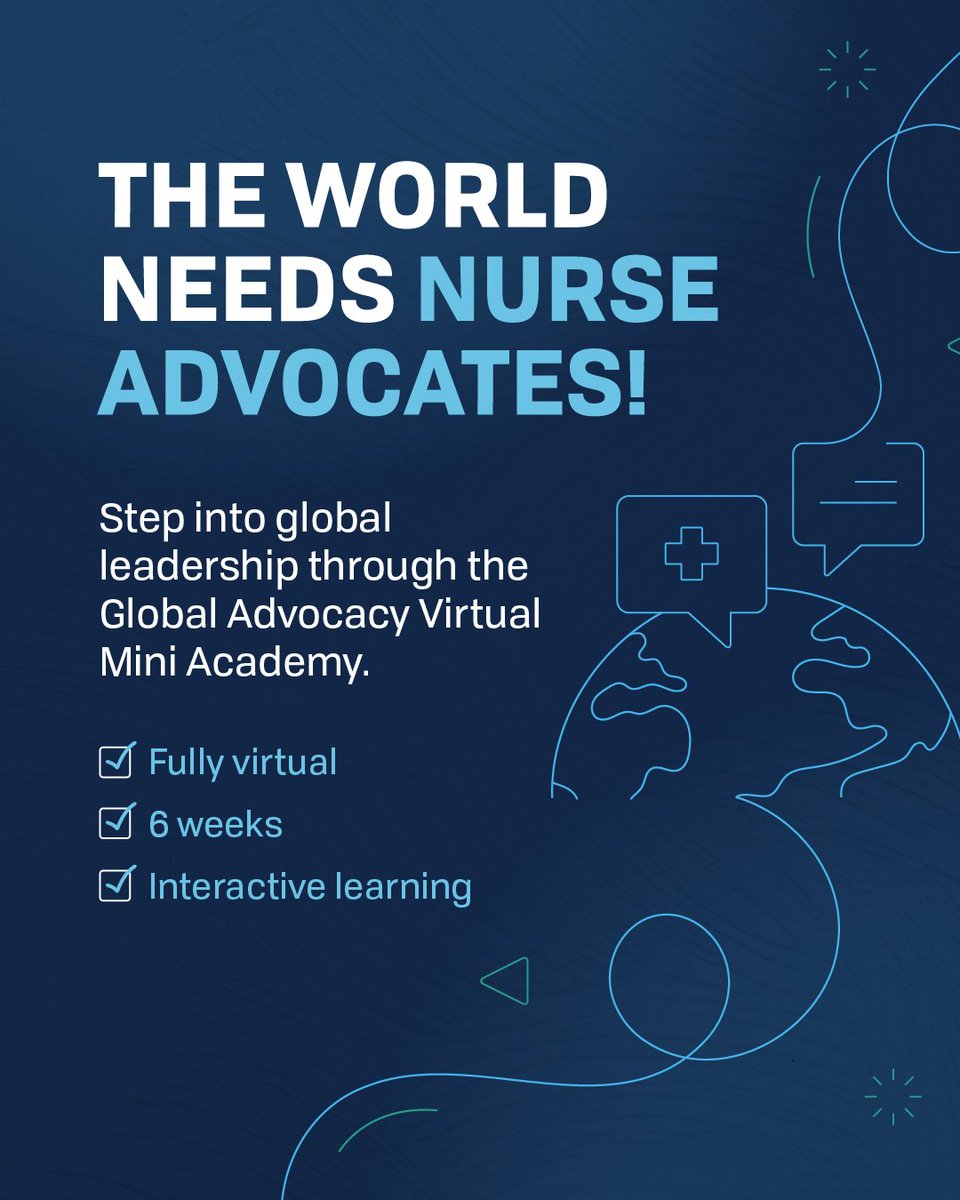
Join the Global Advocacy Virtual Mini Academy to discover how nurses like you can influence policy, drive change, and advocate for better health outcomes. Learn practical strategies to amplify your voice and make a meaningful impact.
Apply now » https://t.co/XCXXxfLBgo
Upcoming Webinar! Register: https://t.co/OVWGX9qdky
Blood reflux inside the catheter lumen may be driving occlusions and CLABSI risk. Learn what connector design and flushing practices mean for safer vascular access.
New BYU research shows that online meetings do have benefits, but shared physical presence remains irreplaceable.
Without co-presence, you lose subtle facial signs, synchronized timing and responses, as well as the spontaneous, informal moments that build relationships.
https://t.co/qt4wdeynHY
Ever heard of an atrial electrogram?
Read more about my work teaching nurses all about this cost-effective method for cardiac assessment in my publication with Dimensions of Critical Care Nursing:
https://t.co/6hGVOrbpEN
What happens when you're in crisis, and you don't speak the same language as your nurse?
Find out more in my publication with the @jadvnursing
https://t.co/6dZP6MZNnf
How do we teach our nursing students to competently and confidently build trust with their patients in the midst of disaster?
Find out more in my publication with @NursingInquiry here:
https://t.co/iqsyxWBLiG
Ever heard of an atrial electrogram?
Read more about my work teaching nurses all about this cost-effective method for cardiac assessment in my publication with Dimensions of Critical Care Nursing:
https://t.co/6hGVOrbpEN
Over 2.55 million healthcare providers have enrolled in the RQI program since 2018, resulting in millions of learners around the world ready to effectively respond to sudden cardiac arrest both inside and outside hospitals. Learn more ➡️ https://t.co/KZ9Z3lJdqL