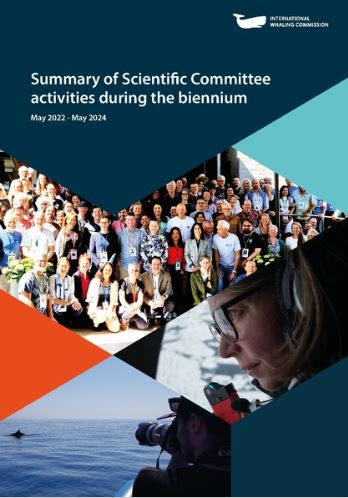
#IWC69 Review Pt 4: communication of cetacean science took major steps forward as the Scientific Committee presented 2 yrs of highly technical work in a new, concise & digestible summary format & launched an in-person science hub for questions & advice https://t.co/XFNYKhlu1W
#Whales from above: Alexander Rychwalski and Kilian Huß have won a €10,000 funding for their idea to use drone images and AI to identify fin whale individuals. This approach could make research on whale populations and migration faster and easier.🐳@unihh
https://t.co/M14QsRAOyG
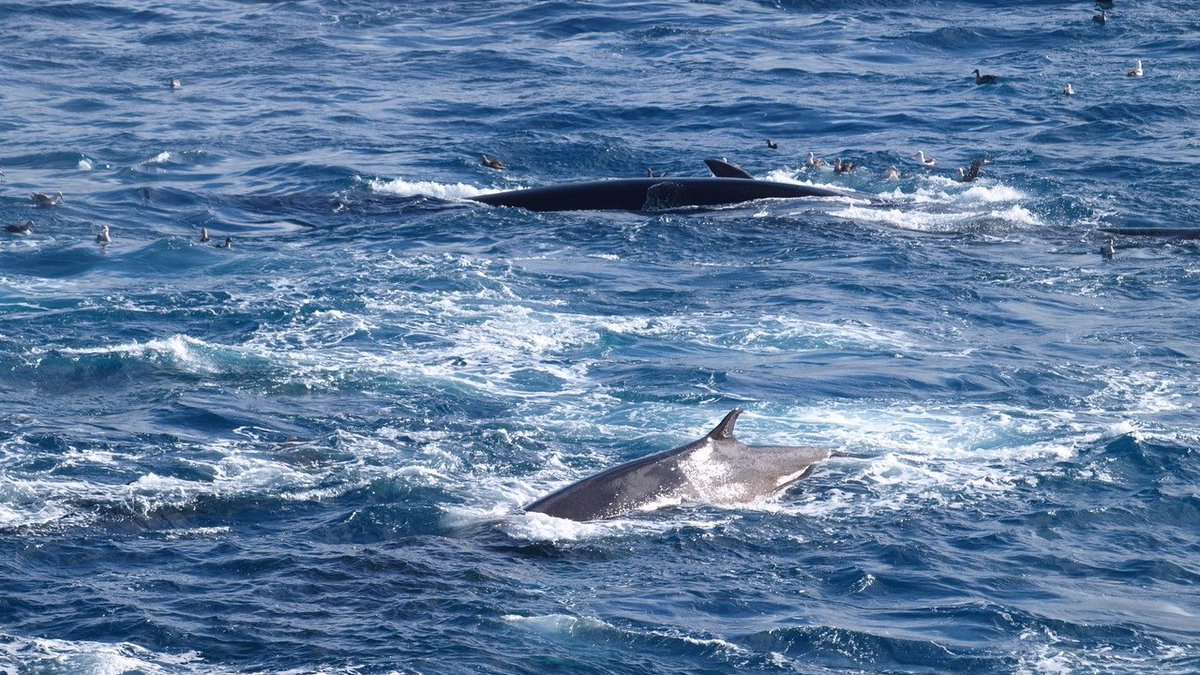
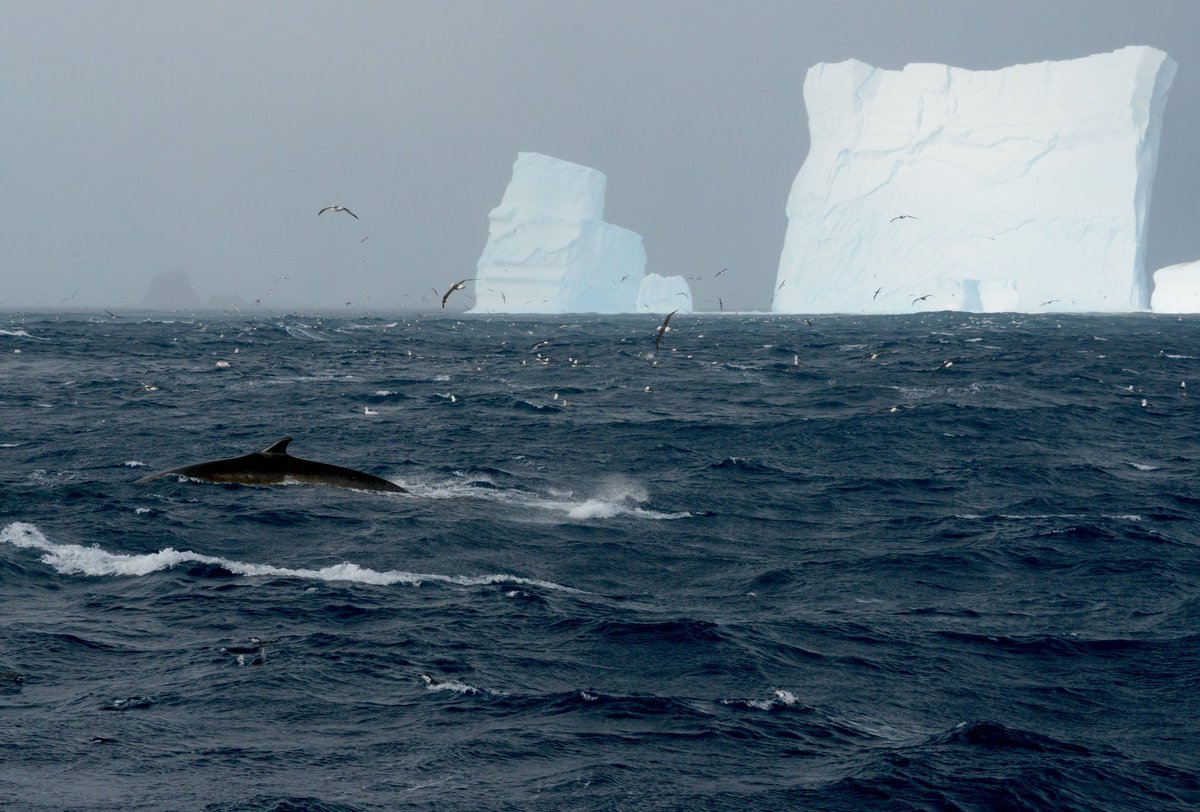
#JCRM publishes a new study of lunge-feeding behaviour in Southern Hemisphere fin whales. Thanks to the authors @DrHelenaHerr & Alexander Rychwalski. Read it here: https://t.co/aSK9KXneZe
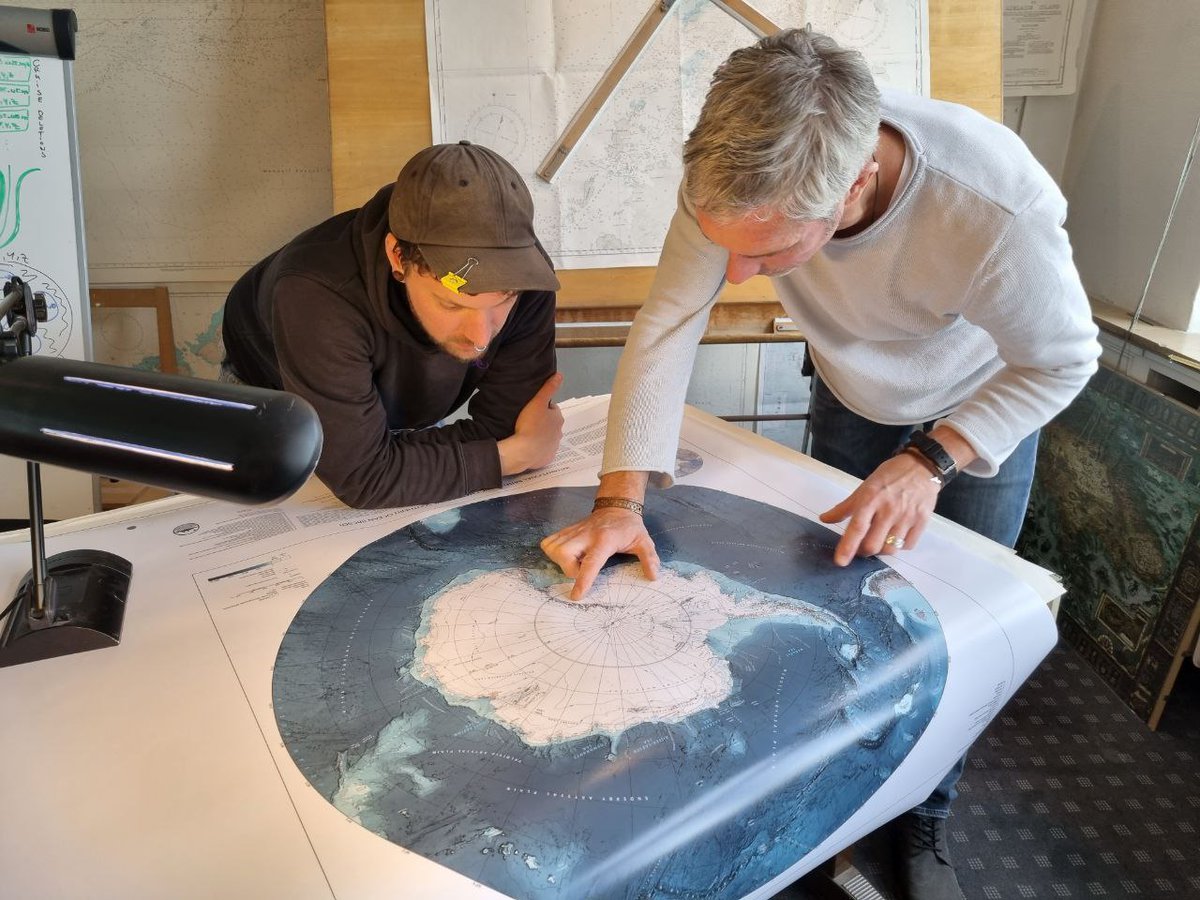
Since 2012, Boris’ research has focused on geomorphology of the #seafloor in high latitudes with special emphasis on the reconstruction of ice sheet histories and habitat #mapping.
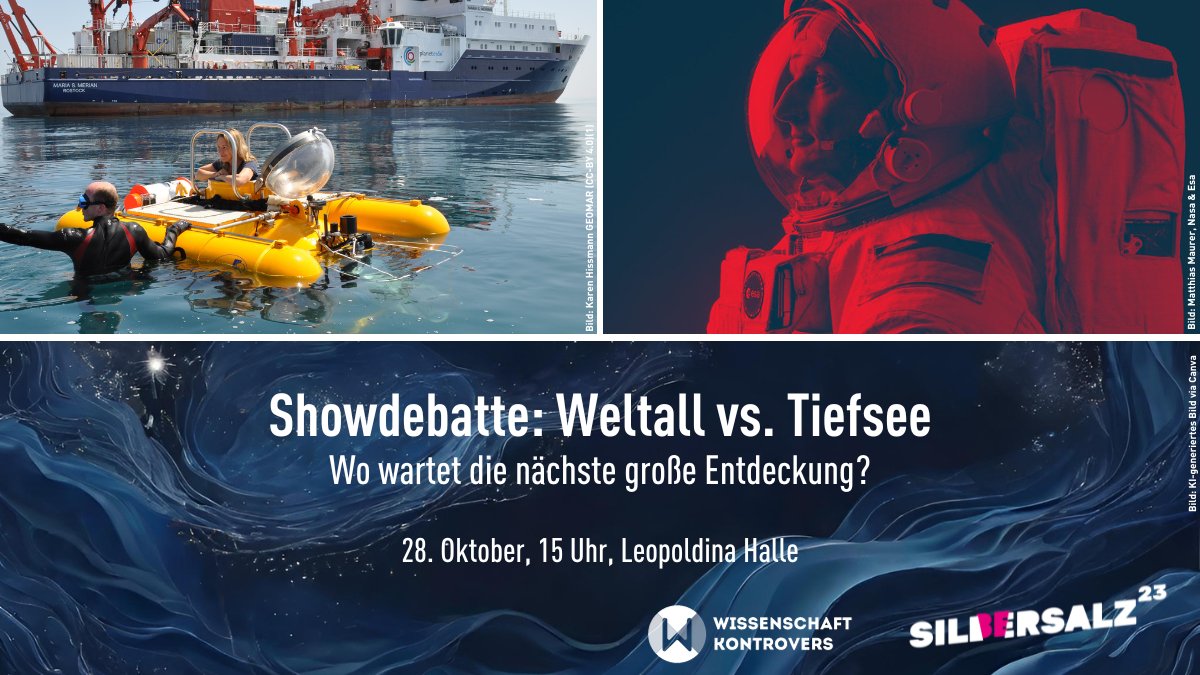
Weltall vs. Tiefsee: Wo wartet die nächste große Entdeckung? 🚀🚢 Darüber diskutieren bei #WissenschaftKontrovers auf dem @silbersalzhalle u.a. @astro_matthias und Antje Boetius @AWI_de. Am 28.10. um 15 Uhr @Leopoldina. Infos & kostenfreie Anmeldung: https://t.co/SrjbhjH3hJ
Act now or it will be too late for the #vaquita. After 30 yrs of warnings, @iwc_int Scientific Committee issues first ever #ExtinctionAlert, a new mechanism to voice extinction concerns more clearly and publicly https://t.co/XuLXJrOo3n
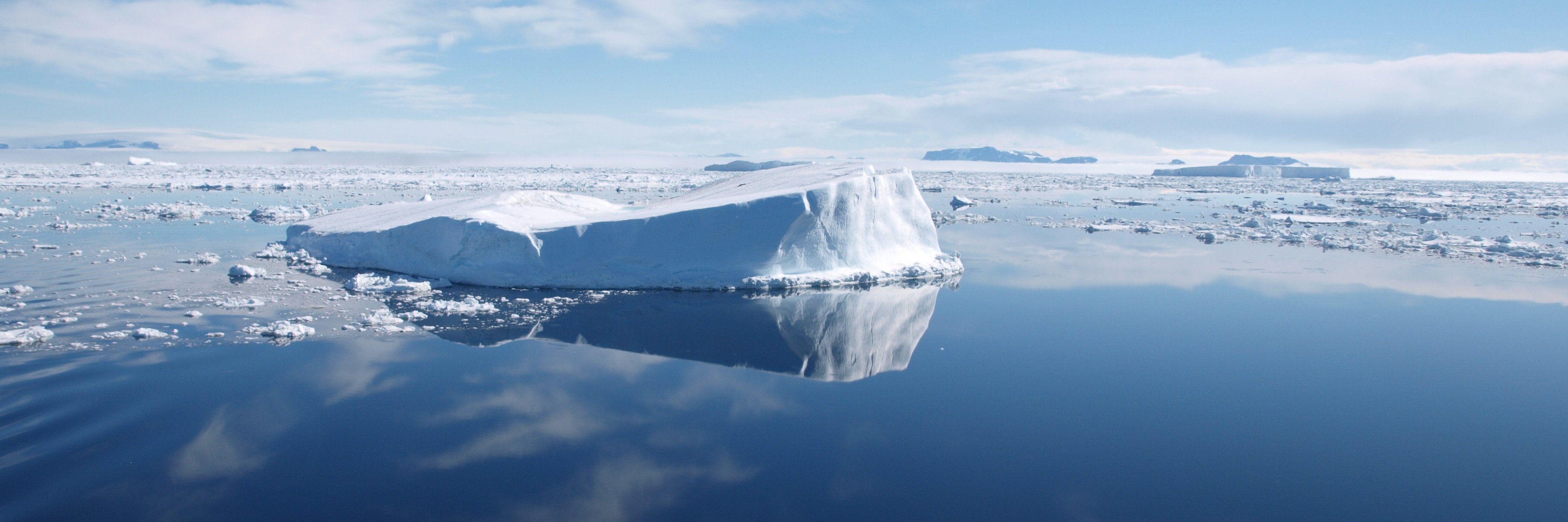
Chilean activists used a melting ice sculpture of a krill to demand protection for Antarctica during the international summit of the Commission for the Conservation of Antarctic Marine Living Resources
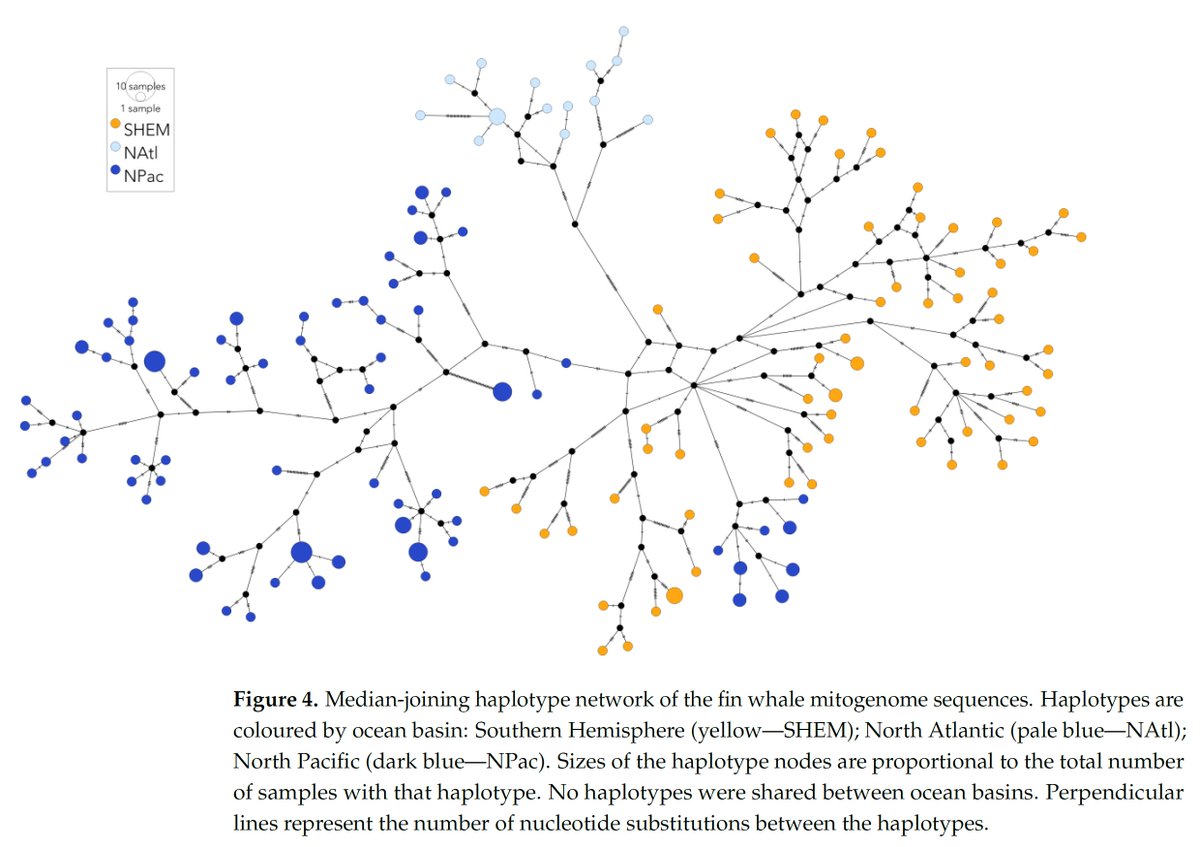
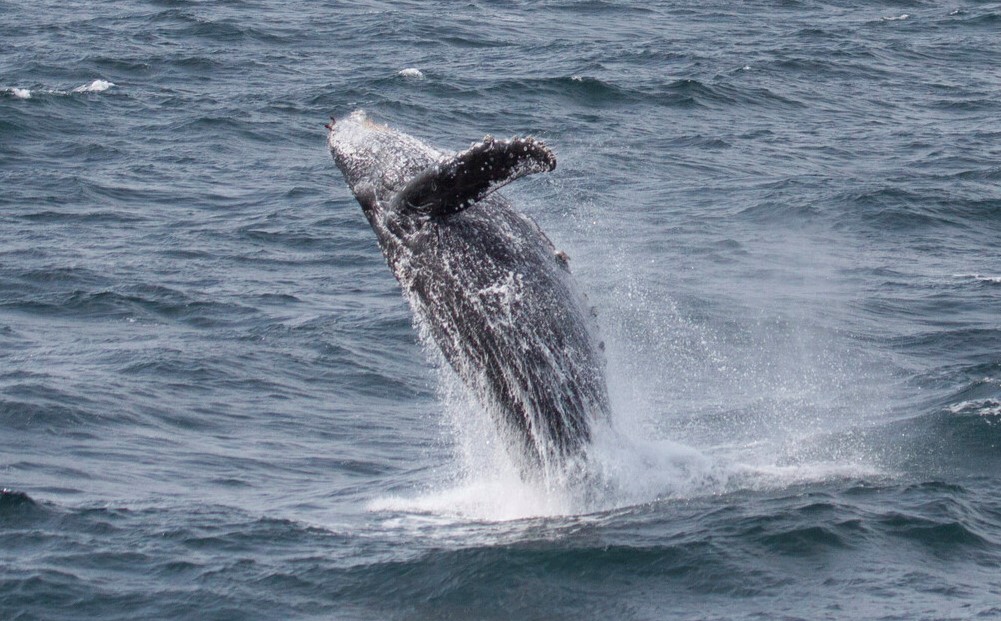
Fin whale mitochondrial genome shows extremely clear division between all Southern Hemisphere, North Atlantic, and South Atlantic whales. Combination of recent samples and samples from old whale bones.
Source: https://t.co/qn1QKk320d
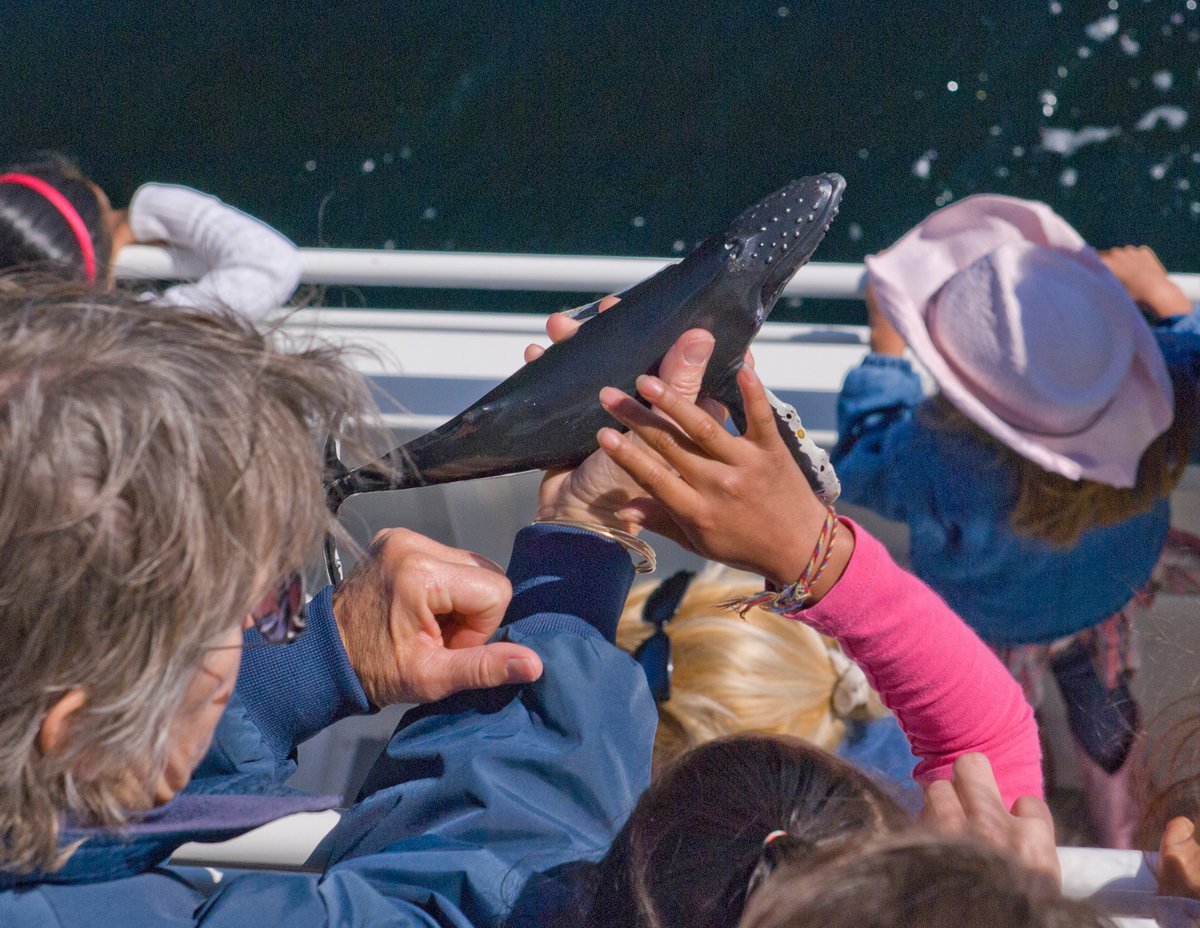
Available now! 4-page guidance doc for whale watching operators, regulators & travellers. Next step in IWC programme to ensure long-term sustainability for animals, populations & communities that rely on them.#whalewatching#ecotourism#responsibletravel https://t.co/FtcVvMQk8a
Antarktis-Expedition gestartet 🐋 Biologin @DrHelenaHerr will herausfinden, wo sich Finnwale paaren. An Bord der Maria S. Merian sind 21 Forschende – von der Uni Hamburg und @AWI_de. Was das Team vorhat und was unbedingt auf ein Forschungsschiff gehört: https://t.co/7lgAbOO66y
New paper out with @DrHelenaHerr:
#PLOSONE: Osteo-pathological analysis provides evidence for a survived historical ship strike in a Southern H ... https://t.co/JaBWIXicO0
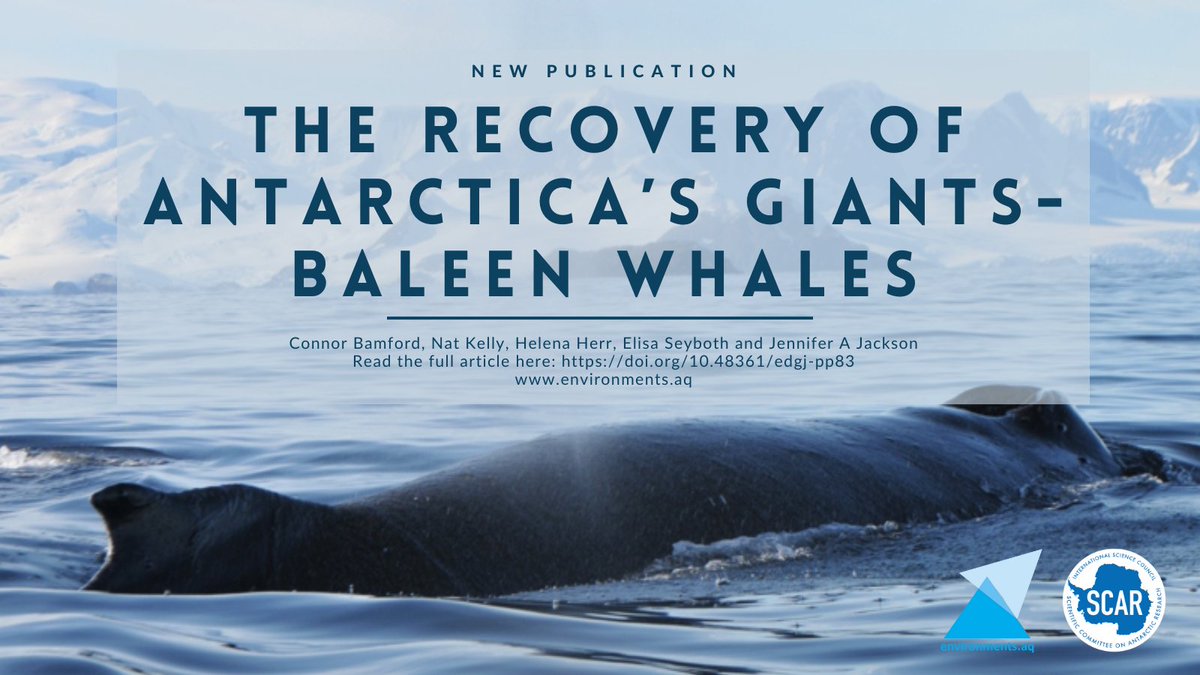
🌊 New Antarctic Environments Portal publication: 🌊
The recovery of Antarctica’s giants – baleen whales
Many Antarctic baleen whale populations are showing signs of recovery, but populations are returning to a 🌊 facing changes over the next century.
🐋 https://t.co/bsRB7bVoR0
Could you lead a dedicated, international team working on wide-ranging cetacean science and conservation issues inc bycatch, marine pollution, climate change and indigenous whaling? The IWC is recruiting a new Executive Secretary. More info/apply at https://t.co/ut9juXfdoL
Published today! The report of #IWC68 - the first Commission meeting for four years - is available now. Read all the discussions and decisions on the latest #cetaceanscience and #cetaceanconservation at https://t.co/i6Lb0uw5m6
A novel approach combining habitat suitability models and ensemble learning methods to identify seasonal distribution patterns of fin whales with @SViquerat@polarbiome@kenneders@clairewaluda@EmzLCarroll https://t.co/XpQpij8Wve
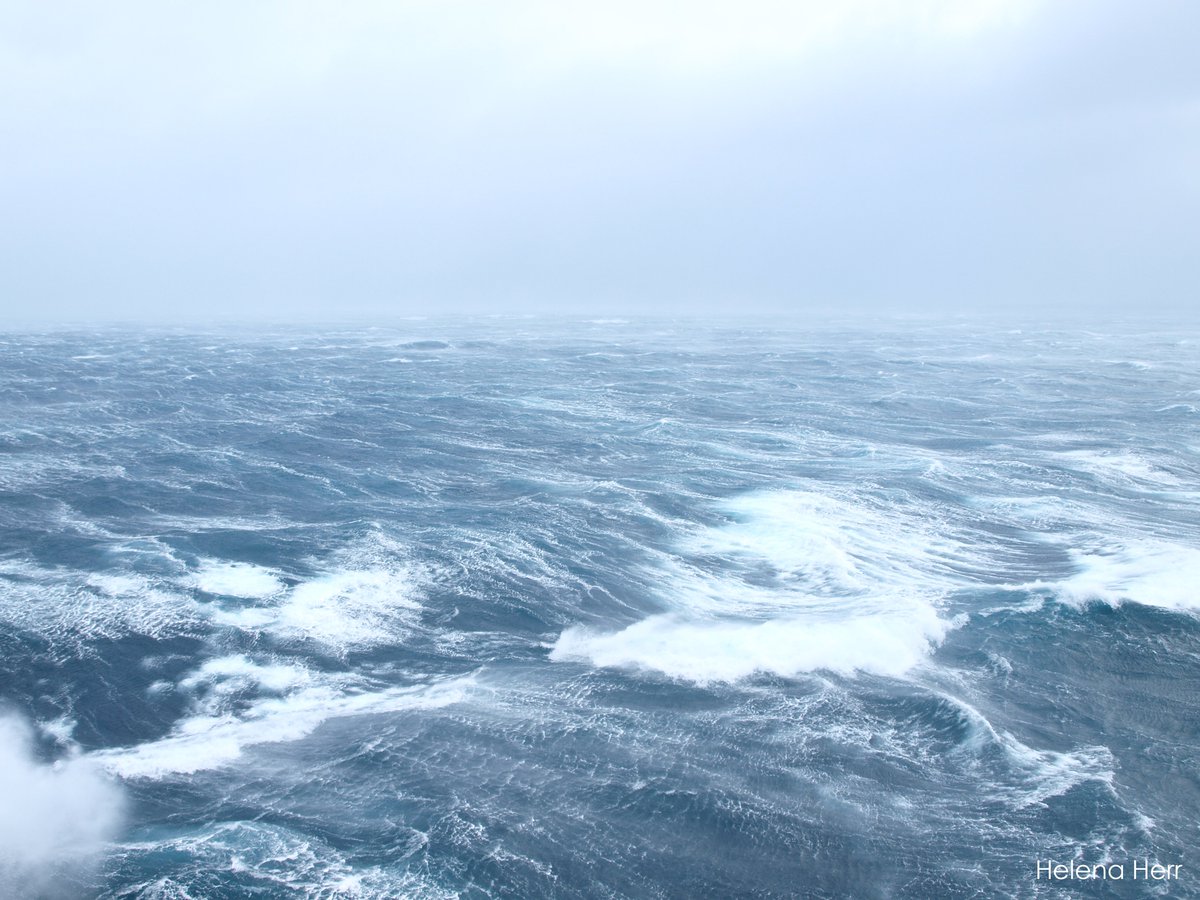
Severe weather incoming! Knowledge is best when its available everywhere, so we are expanding our platforms of opportunity. IBCSO has joined Mastodon at https://t.co/xBYGzIldlY. So, don't panic.