Enter pangenome graphs: collections of diverse genomes represented as interconnected paths. They capture complex variation, boost detection of structural variants, and reduce reference bias.
Genomic medicine still leans on a single “reference” genome—great for consistency, but it misses huge chunks of human diversity. That gap falls hardest on under-represented populations and leaves real diagnostic wins on the table.
Good luck to everyone taking part in #HealtheX tomorrow! 🎉
We’re proud to see our Liggins students presenting alongside talented peers from across @AucklandUni - showcasing the depth of health research that’s shaping the future of wellbeing in Aotearoa NZ and beyond.
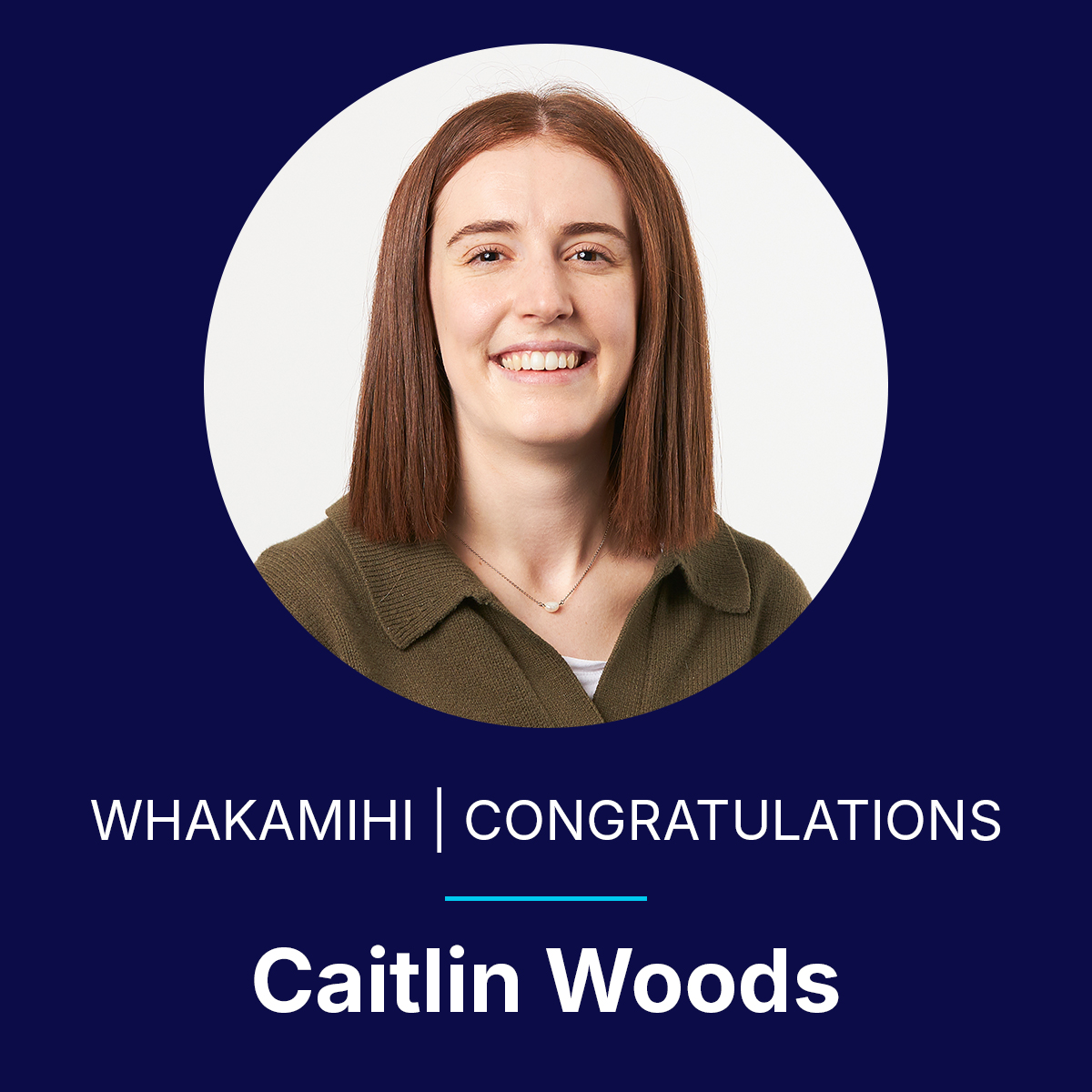
Congrats to Liggins doctoral candidate Caitlin Woods on winning the University’s 3MT Open Heat with her presentation on midwifery training and retention.👏 Come along and cheer on Caitlin at the finals. Book your tickets: https://t.co/gEecBiFVA0
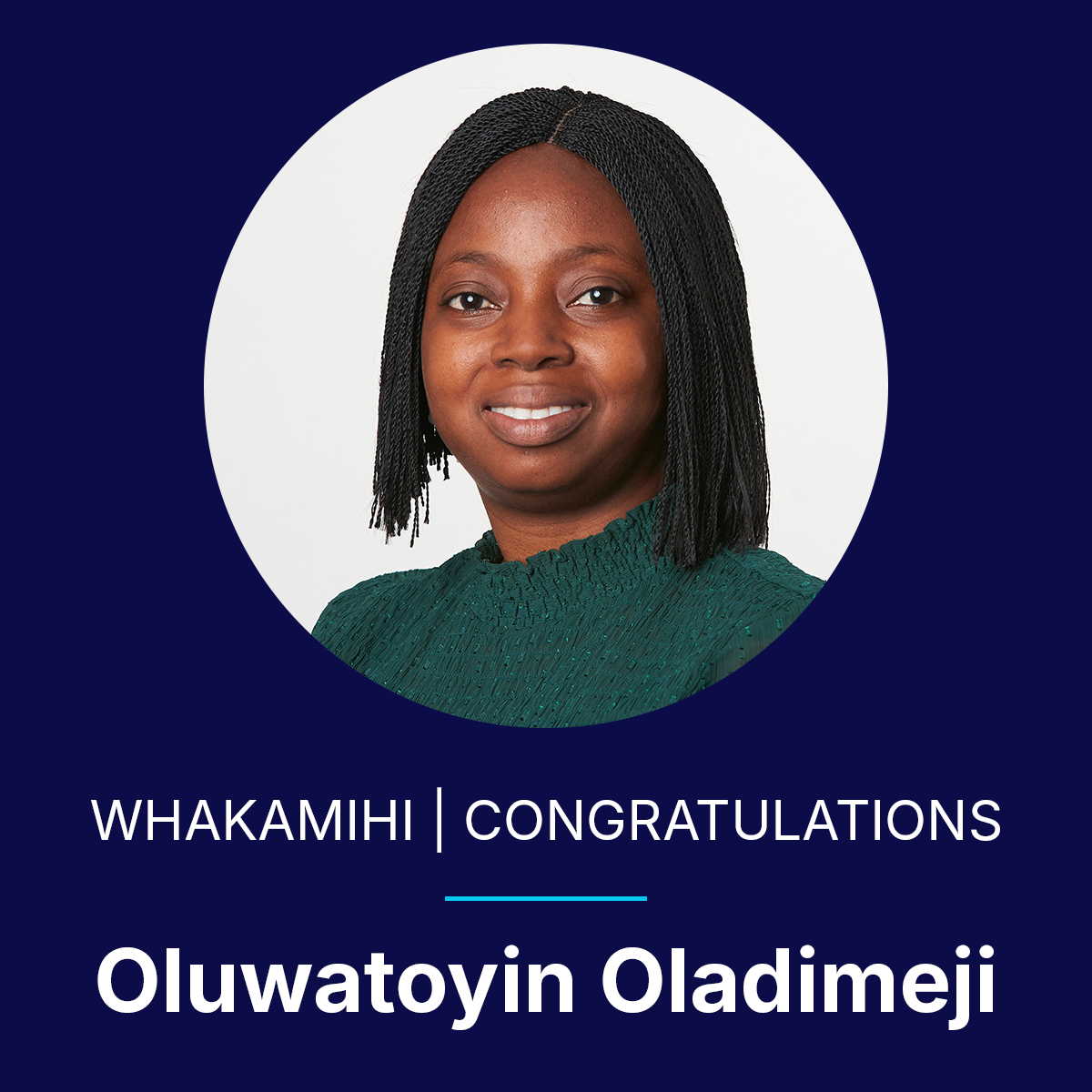
Congratulations to Liggins student Oluwatoyin Oladimeji, who successfully defended her PhD thesis “Gestational Diabetes Mellitus and Later Child Health”. The examiners recommended that the degree be awarded after only very minor modifications to her thesis. Well done, Toyin. 👏
I am very happy to share our latest PD genetics work. It is a two‐sample Mendelian randomization (MR) study that uses gene regulatory networks from different tissues to raise questions about Parkinson’s disease (PD) genetics. Should we rethink some assumptions about PD?
Confirming these isoform‐specific effects in relevant brain tissues—and teasing apart neurodevelopmental versus degenerative contributions—will be essential before translating these findings into therapeutic targets.
Want to study, lecture or research in the US? Join the University of Auckland info session for staff and students to learn more about Fulbright scholarships. 📆 2.30-4pm, 29 April. Email [email protected] to register.
The findings from our causal and associated analyses provide a greater understanding of the biological mechanisms linking ADHD with co-occurring traits and the time dependency of these interactions.