Five rules for technology that helps people:
1. Start with a human problem.
2. Design for individuals, not averages. M
3. Make it approachable.
4. Limit powerful tools for young minds.
5. Invention is only the beginning.
Can you still divide 28 into 4,789 by hand?
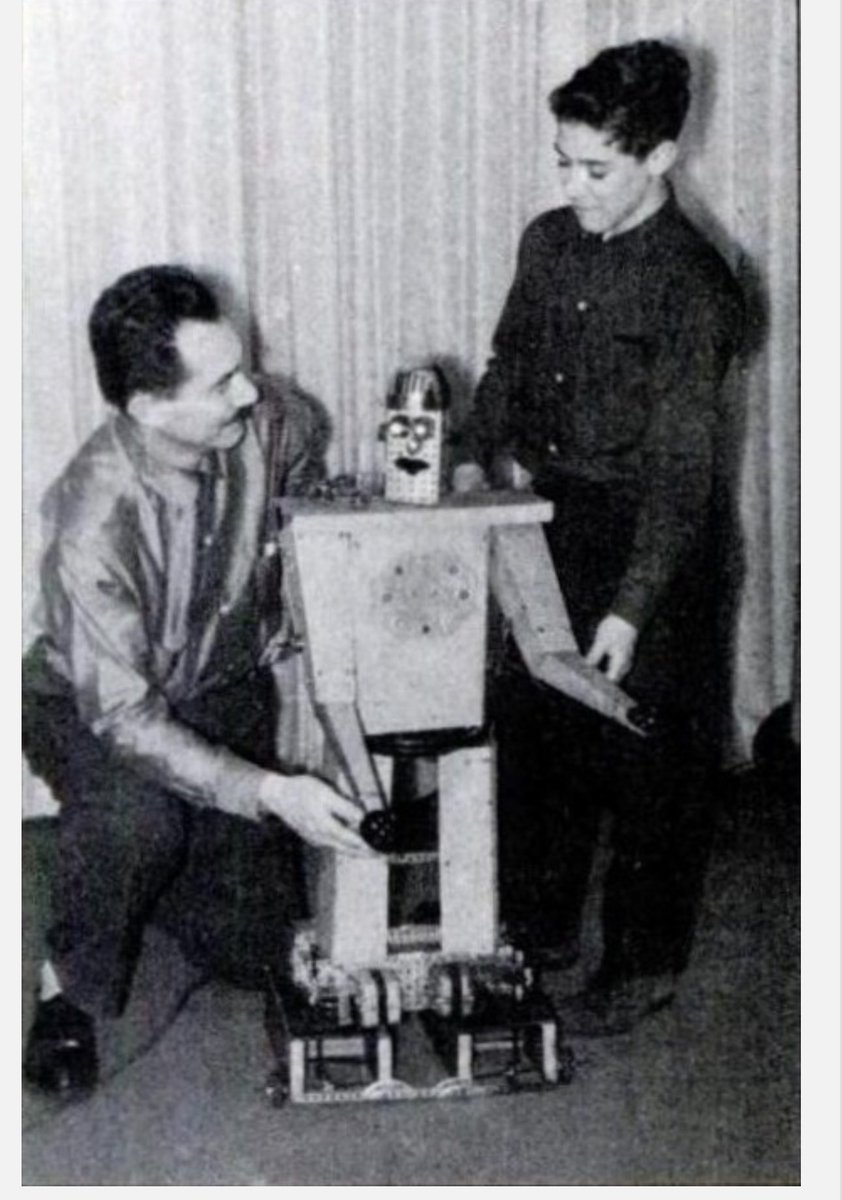
My first science-fair machine was ignored.
My mother said, “Make it look like a robot and people will love it.” Over one weekend, same circuitry, it became Rudy and won first prize.
Adoption isn’t capability. It’s whether people will walk up to the thing.
No child has ever written a love letter to a worksheet. Once a week, I opened LEACHIM’s chest to update student records and found notes slipped into the cracks by the hinges.
Patience, it turns out, is lovable.
With over 5 million industrial robots now operating worldwide, physical AI is scaling rapidly. But in education, today's AI chatbots give kids instant answers, a shortcut with negative side effects.
Read my full interview with @DIGITIMES_EN: https://t.co/8wvxB1Bzxs
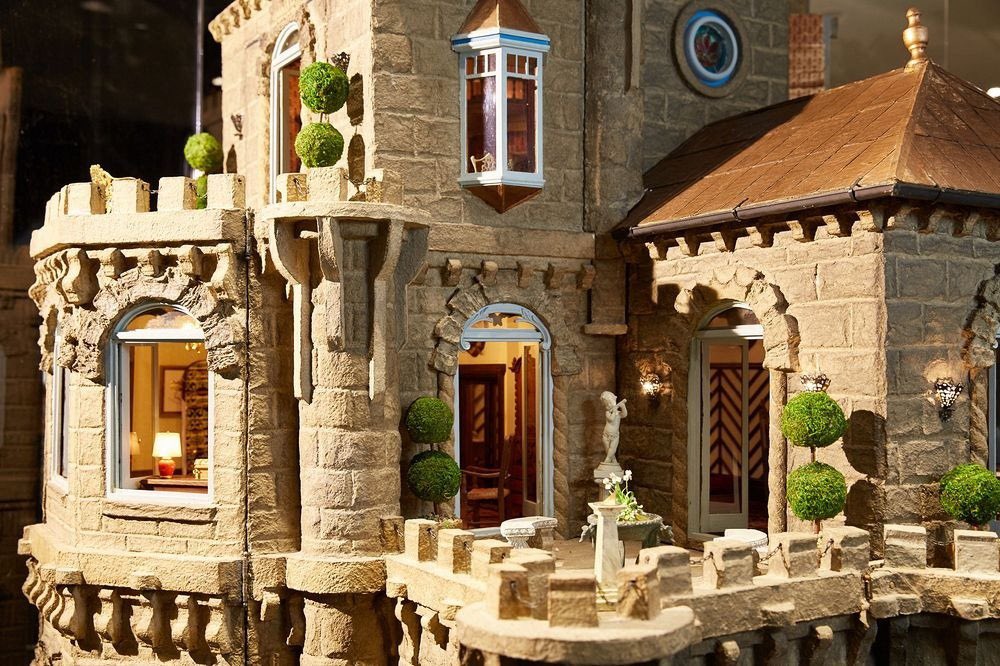
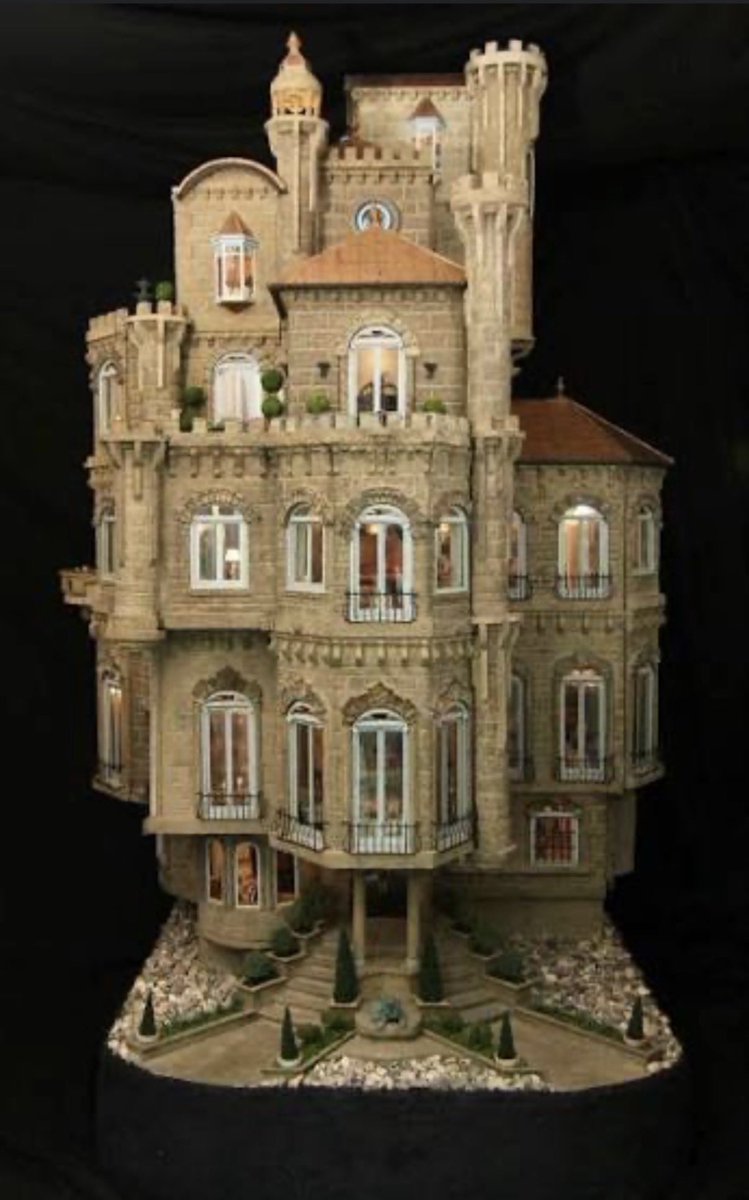
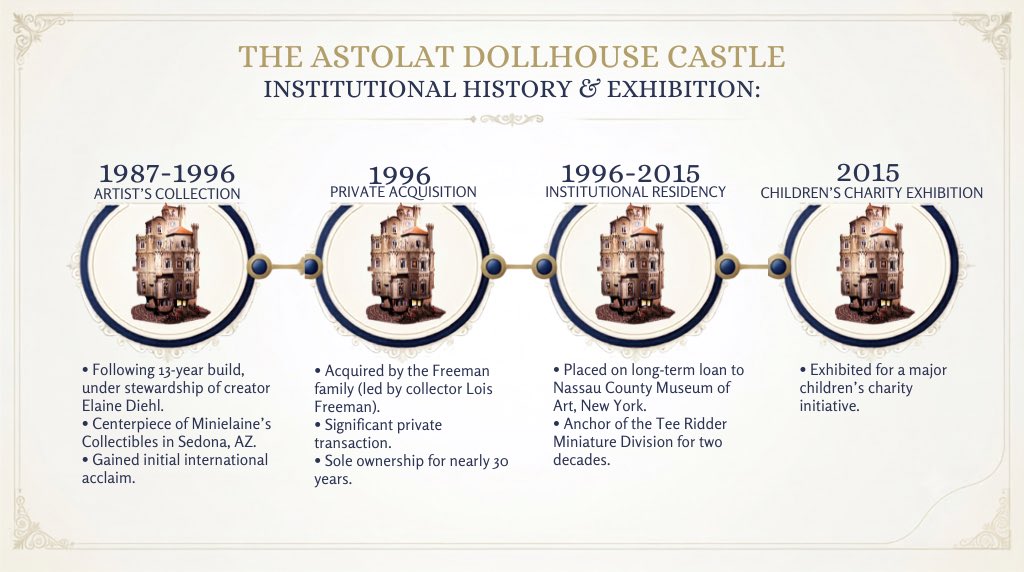
What hosting Astolat takes: 9 feet of height, 800 pounds, four days and about a dozen people to assemble, and a promise to keep its documentation with it.
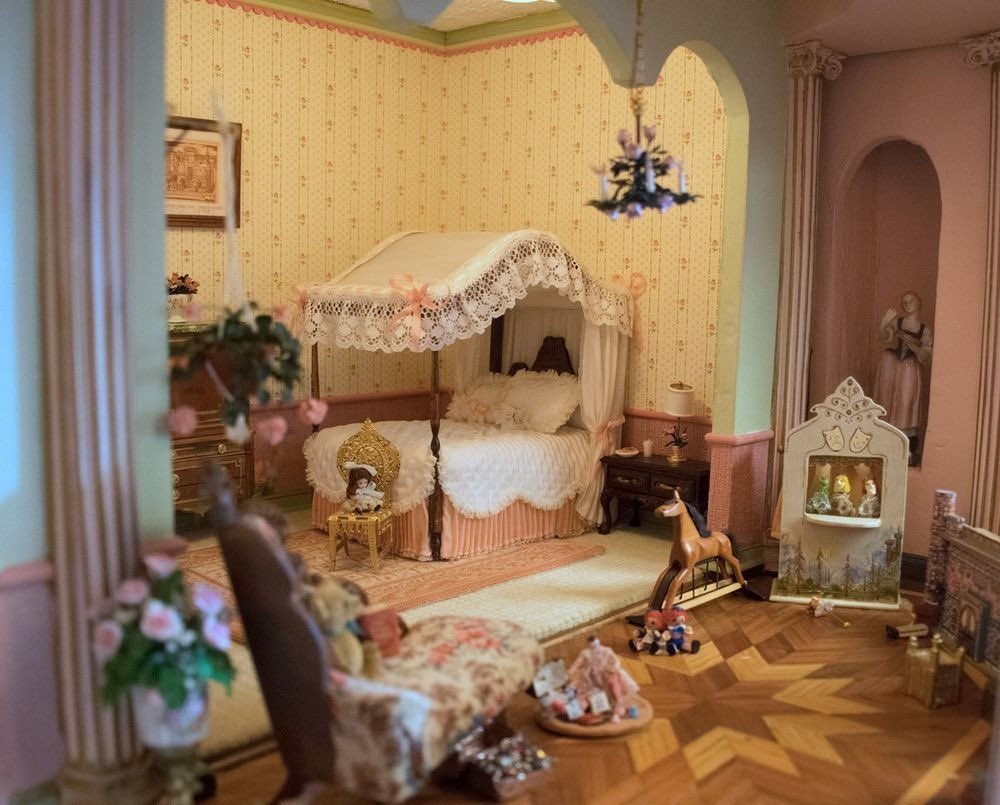
What the public gets: 29 rooms of pure awe.
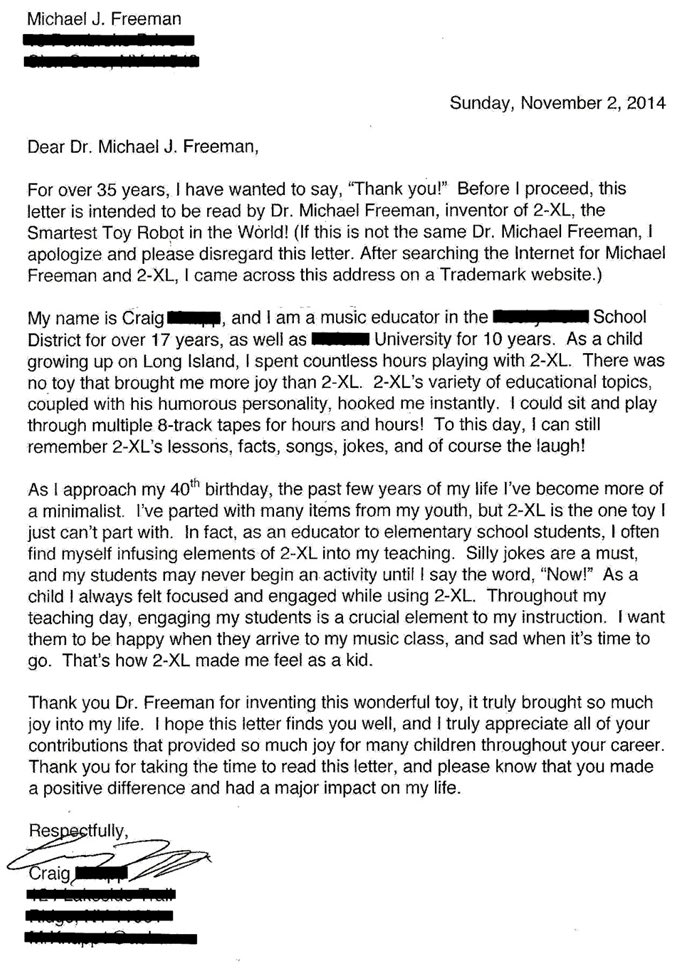
In 2014, a music teacher wrote me: “For over 35 years, I have wanted to say thank you.”
He teaches elementary-school music, and he wrote that he infuses elements of 2-XL into his teaching, which I invented (and voiced the robot).
We have never turned Astolat’s elevator on. Too risky for not much gain.
Some of the best conservation decisions are leaving a switch alone. Preservation is mostly restraint, documentation and knowing how it goes back together.
Nobody steals a 200-pound custom robot to resell it. Someone took LEACHIM in 1975 for what was inside: the voice, the student records, the branching logic.
Hardware can be stolen. A documented, patented method can be defended.
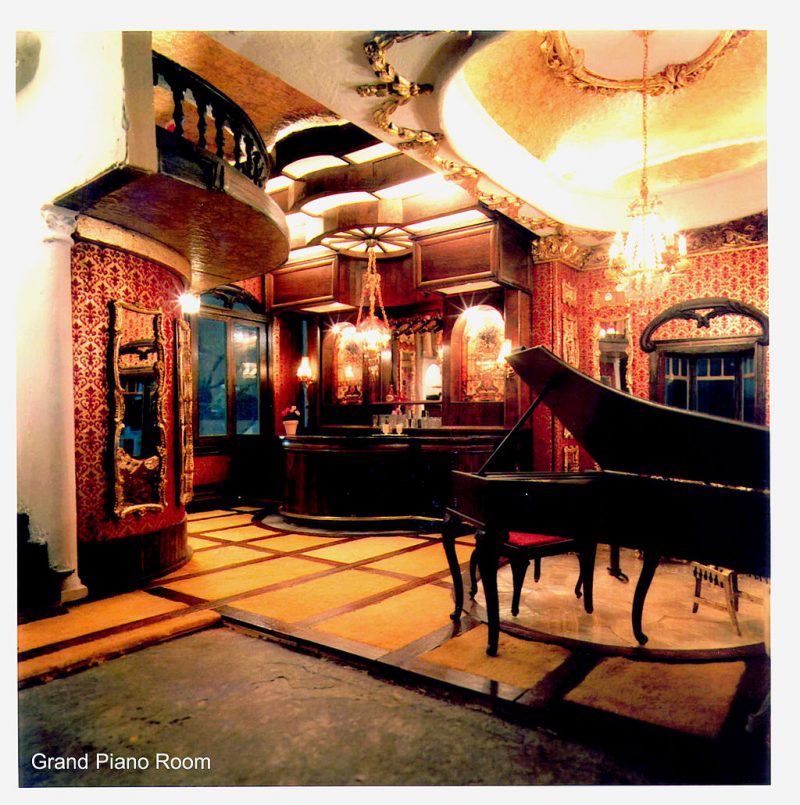
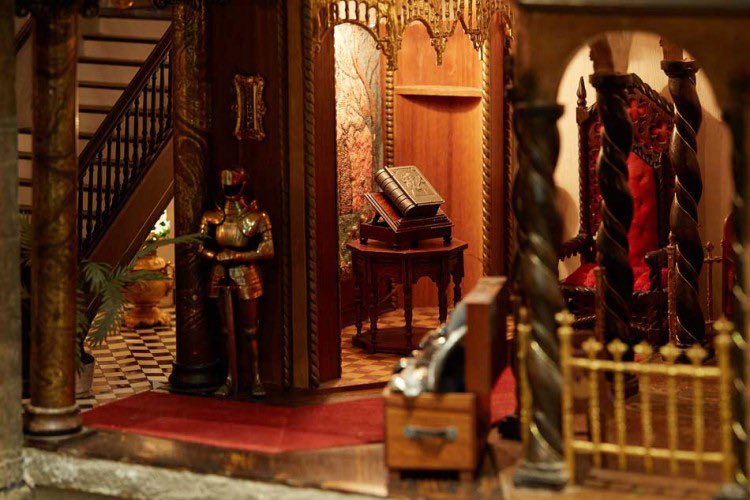
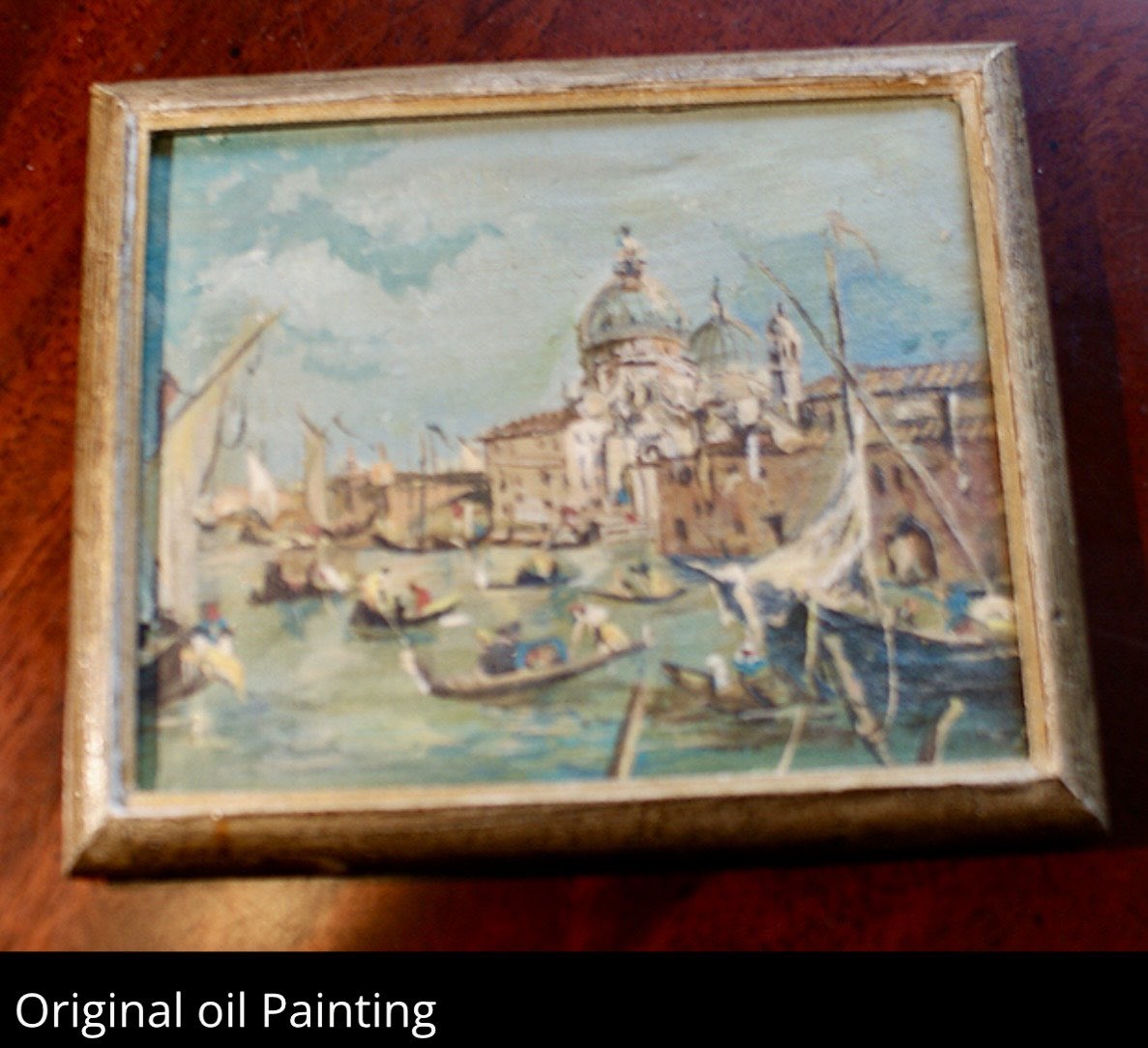
Inside Astolat: tiny bottles holding real liquor. Jewelry set with genuine gemstones. A readable 1811 Bible, thumb-sized, in early American leather. Hundreds of original 1-inch paintings.
No dolls. Just 29 rooms of the real thing, in miniature.
In May of 1974, LEACHIM, my teaching robot, appeared on The Mike Douglas Show and shook hands with Sly Stone.
The hosts kept looking for a person hidden inside the robot. In 2026, we ask the reverse: is there a person anywhere near it?
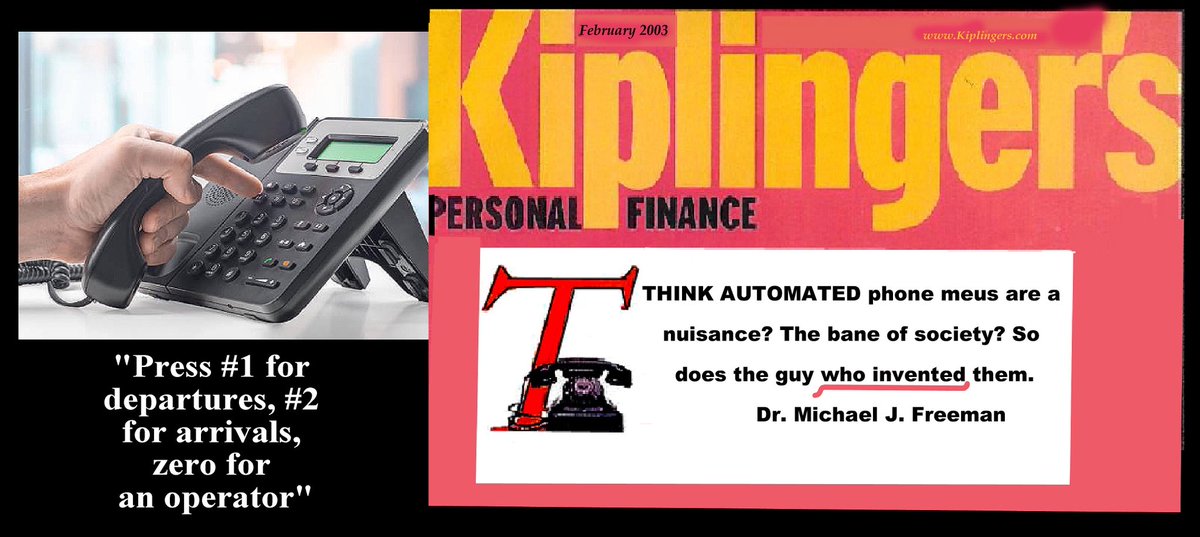
Yes, I patented the idea behind “press 1 for sales.”
1982: a phone keypad as input to a branching decision tree.
1984: it goes commercial.
It started in a classroom robot. The idea was fine. What companies built with it is another matter.
Best deal in New York real estate: 29 rooms, a grand piano, an elevator, no roommates. The catch: it’s 25.8 square feet. At $329,000 per square foot, the @nypost calls it the most valuable real estate anywhere.
When I was younger, I rewired my apartment building’s elevator so it would wait on my floor. It worked for a year. Then my father found out and ordered me to take it out. Best safety review I ever received: someone who wasn’t in love with the design. https://t.co/oiwqcmxy5L
LEACHIM goes to public auction in late 2026, with its prototypes, patents and my inventor notes.
I would rather it went to an institution than into private collections. Institutional inquiries: [email protected]
The current conversation about intelligence is almost entirely about speed.
The 1974 answer to personalized learning was not a faster machine. It was a machine that would wait.
No machine can build a relationship with a struggling student or notice something is wrong at home.
AI's job is to take the impossible arithmetic off teachers' shoulders so they can do the work only people can do.
Read more in @DA_magazine: https://t.co/f4gLEOhfcN
The history of technology is badly preserved. We keep the products and lose the process: the prototypes, the sketches, the reasoning.
A collection intact for fifty years can be broken up in an afternoon, and the record does not survive the split.
Elaine Diehl spent thirteen years building one object.
Including a miniature grand piano that cost $7,000 and a portrait painted with a single-bristle brush, it reads as a sculpture rather than a toy because of the time, not the money.
Start with a human problem, not a technology looking for employment.
That's the principle behind LEACHIM, a precursor to today's #AI.
New interview with @CeoValiant on invention, honesty, and why temperament outlasts talent: https://t.co/WCGlddHgNf