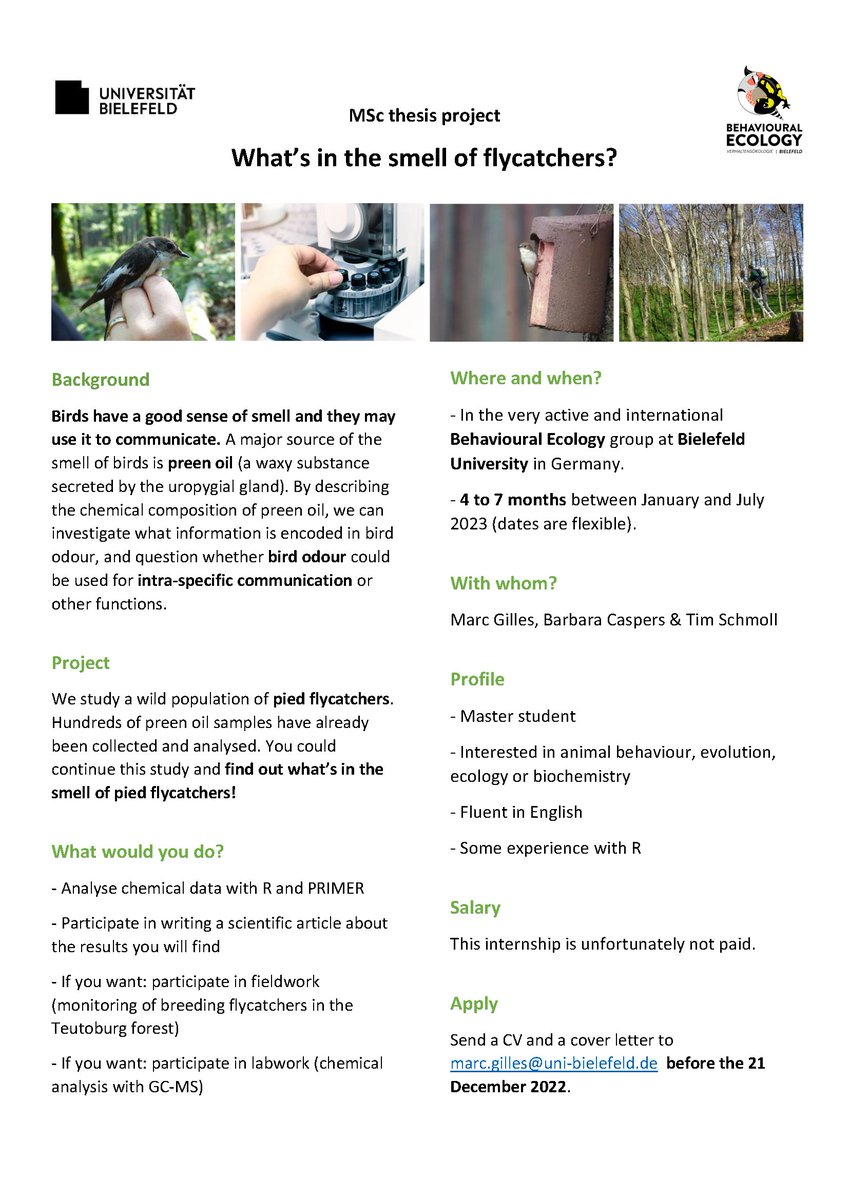
We are looking for a Master student to work on the preen oil of pied #flycatchers at @BehavEcoBIE at Bielefeld University (Germany)! Deadline to apply 21 December 2022. Please RT!
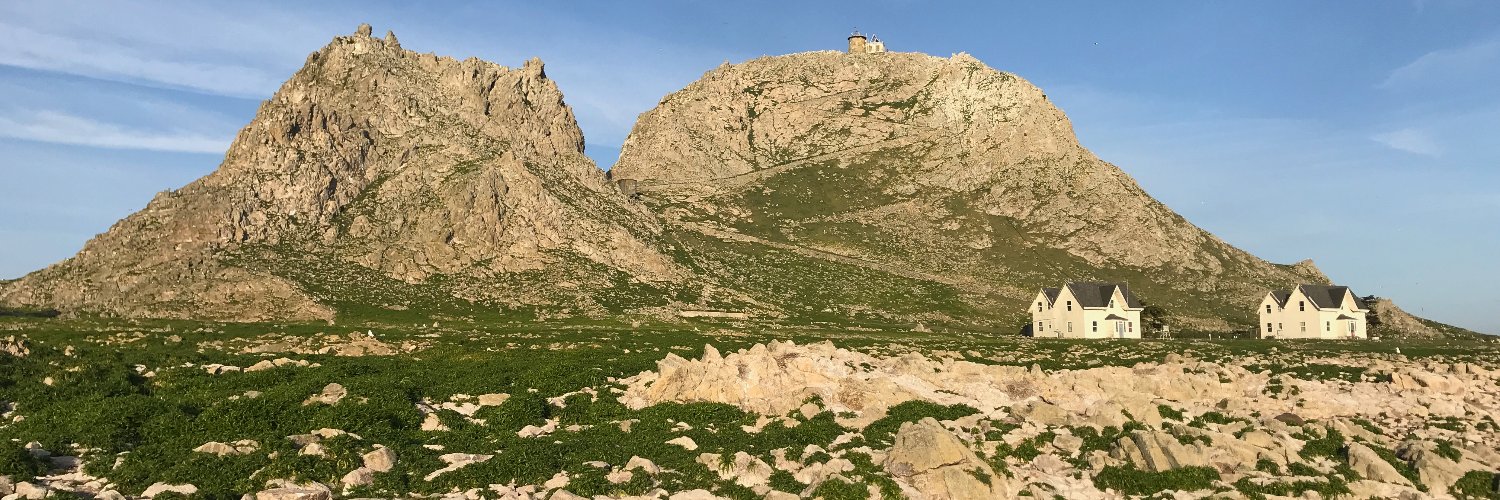
Our new paper shows that greater amounts of artificial light correlated to more #seabird groundings, with species and seasonal patterns. Important work from @ArielHeswall 's PhD! #ALAN#lightpollution https://t.co/jOPOMrjceX @ke_cain @AnneGaskett @amybmartian
Stress has an odour and dogs can smell it - new paper out! In each test session, dogs were given one person’s relaxed and stressed samples, taken only four minutes apart. In 94% of 720 trials, the dogs were able to correctly alert us to the stress sample. https://t.co/a048Gx3lkQ
Today we introduce an ML-generated sensory map that relates thousands of molecules and their perceived odors, enabling the prediction of odors from unseen molecules and providing a potential tool to address global health issues like insect-borne disease. https://t.co/wmiq6wPKv5
ORNITHOLOGY JOB ALERT – please share!
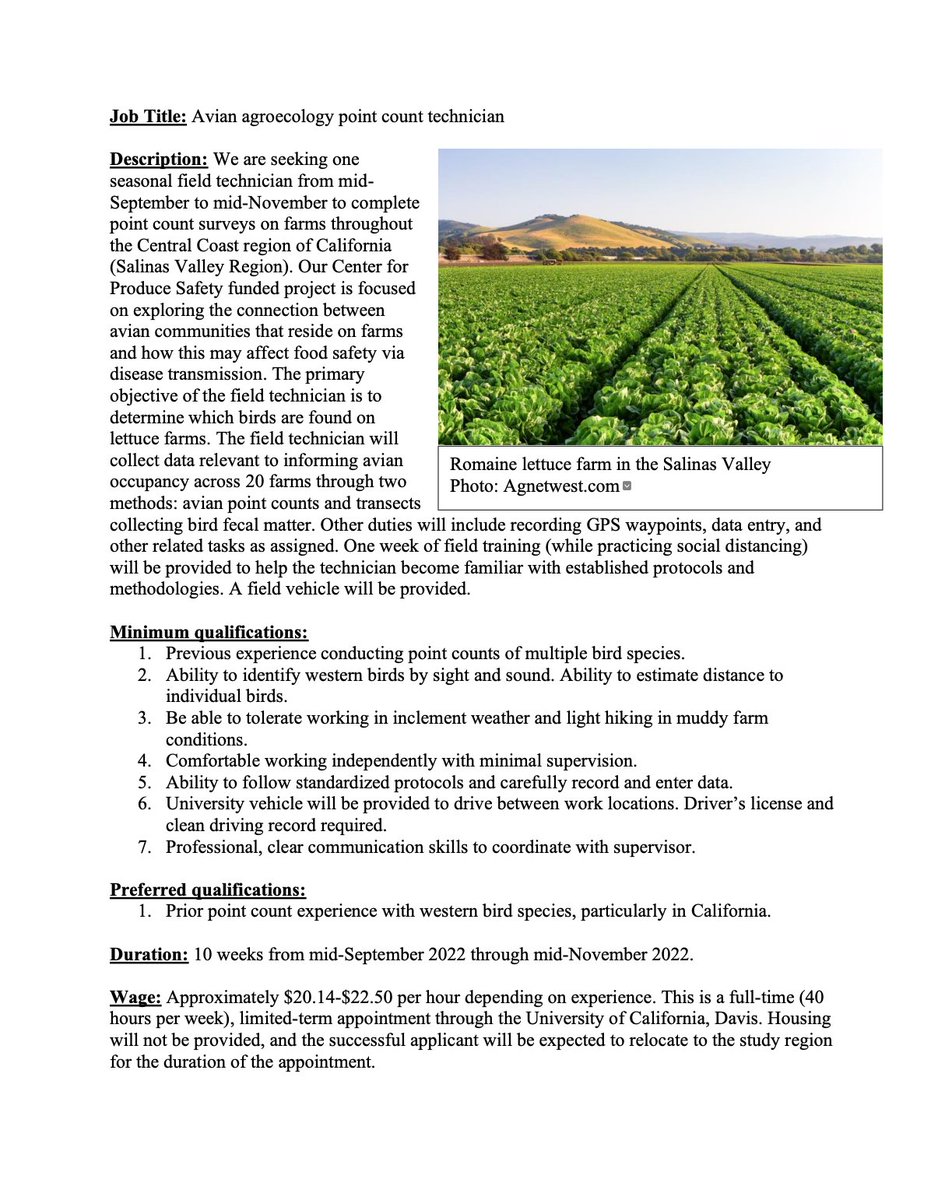
We are looking to hire an avian agroecology field technician to help us understand the connection between avian communities and agricultural food safety in the Central Coast of California! Please see the attached ad and share widely!
Flexible start date and freedom to develop/fit the project to your interests. Three years of full funding. Happy to talk more to potential candidates about details. Please share widely!
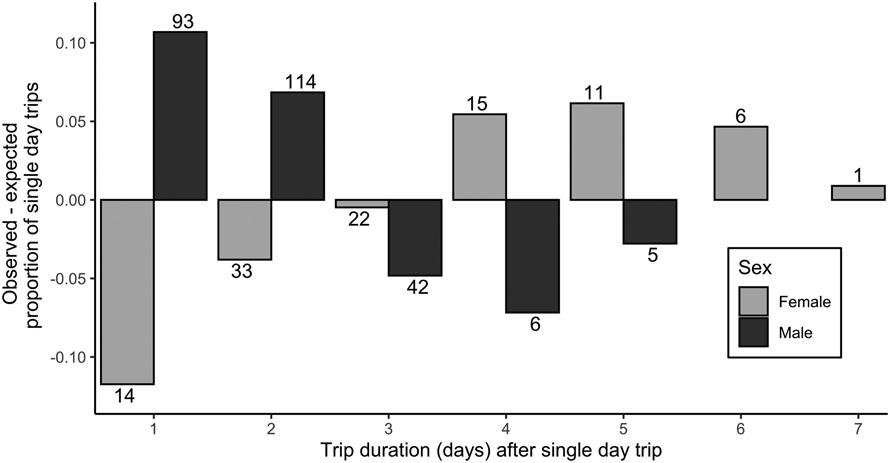
Leach’s storm-petrels are populations are declining at several important breeding colonies. These results suggest that females could be more sensitive than males to environmental changes that impact their breeding efforts.
This is a fun study that I was part of with Chris Tyson, @Birds_InSpace and @sea_tater that came out in @AvianBiology earlier this year. We examined why male biased-care occurs in the visually monomorphic, long-lived Leach’s storm-petrel.
Findings suggest that females in monomorphic, long-lived bird species may be especially sensitive to environmental changes that impact breeding effort.
To read more: https://t.co/FiZpVNMx6L
@WileyEcolEvol @NordicOikos@sea_tater#OpenAccess#ornithology#birds#avian#research
These findings suggest that an energetic constraint on females gives rise to male-biased care in this species. This is not too surprising when we consider the large initial investment in breeding made by females who lay an egg that is ~22% of their body size!
Again & again,& again & again.
Why is it always the young and professionally vulnerable taking risks to protect the younger and more vulnerable?
Time for senior academics to stop being *such cowards*--we are all complicit when we allow our colleagues to behave like this.
Check out this paper to learn 14 ways to be a better mentor and advocate for LGBTQ+ students in your class whether its indoors or in the field 🌈🤗
Link to paper: https://t.co/T9mQKNPYI4