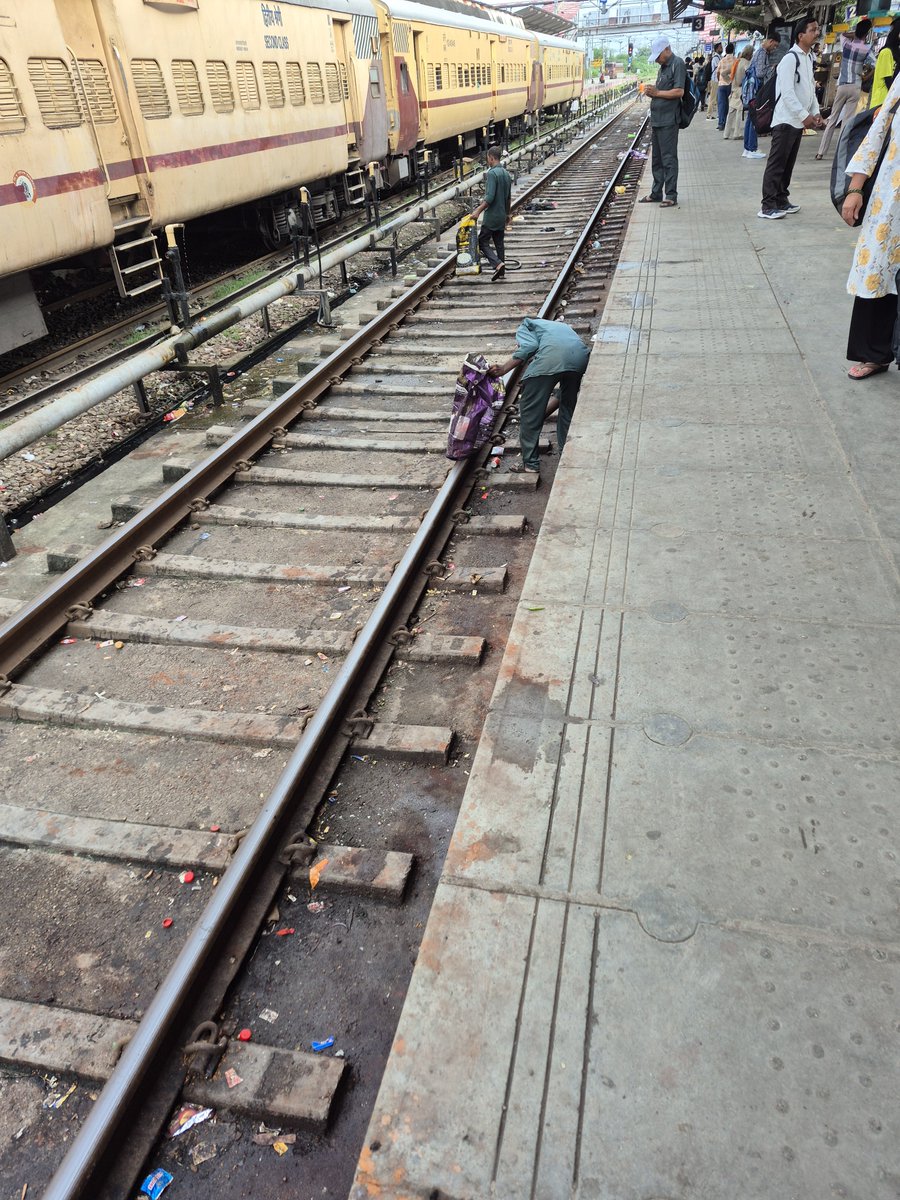
This is an urgent call for attention to the working conditions of the cleaning staff at our railway stations.
I clicked these pictures during my recent travel. Though the cleaniness of our railway stations have significantly improved comapred to earlier standards, you can see cleaners picking up garbage from the tracks with their bare hands. This is a severe health hazard and completely unacceptable for their well-being.
They are directly exposed to:
⚠️ Pathogens from human waste and decomposing refuse, leading to diseases like Tetanus, Hepatitis, and Typhoid.
⚠️ Cuts and punctures from sharp objects like glass, syringes, and metal, which can cause serious infections.
⚠️ Direct contact with toxic chemicals and industrial pollutants present on the tracks.
I request Indian Railways to implement standard safety protocols by providing proper personal protective equipment (PPE) to all track cleaners. This must include, at a minimum:
✅ Sturdy, cut-resistant gloves to protect hands.
✅ Durable gum boots (industrial boots) to protect feet from sharps and contaminated water.
I urge the authorities to address this matter. These frontline workers deserve dignity and safety in their vital roles.
@RailMinIndia@AshwiniVaishnaw
🎓 Huge congratulations to Rouble Nagi, winner of the $1M GEMS Education Global Teacher Prize 2026!
Selected from 5,000+ nominations across 139 countries, her groundbreaking "Living Walls of Learning" turn street murals into open-air classrooms, teaching literacy, hygiene, and science to marginalized youth.
Through the Rouble Nagi Art Foundation, she has:
- Built 800+ learning centers across India 🏫
- Mainstreamed over 1 million children into formal schooling 📚
- Reduced dropout rates by 50% 📉
With the $1 million grant announced at the World Governments Summit, she plans to build a dedicated Skilling Institute for vocational training and digital literacy.
A true testament to the power of grassroots education! 🌍✨
#GlobalTeacherPrize #Education #SocialImpact #VarkeyFoundation #UNESCO
The World’s Youngest Headmaster: How a 9 yrs old Educated a Village
Meet Babar Ali.
At age 9, Babar Ali noticed kids in his village working in fields and rolling bidis instead of going to school.
His family could afford his education, but theirs couldn’t.
So, every afternoon after walking 4 km back from his government school, he gathered 8 local kids under a guava tree in his backyard. Using broken roof tiles as slates and discarded chalk, he taught them everything he had learned that morning.
By 16, the BBC named him the "World’s Youngest Headmaster."
Today, his backyard setup is Ananda Siksha Niketan—a fully accredited, permanent school in West Bengal that has provided free education, books, and meals to thousands of first-generation learners
The Quantum Physicist With an Endless Beer Supply
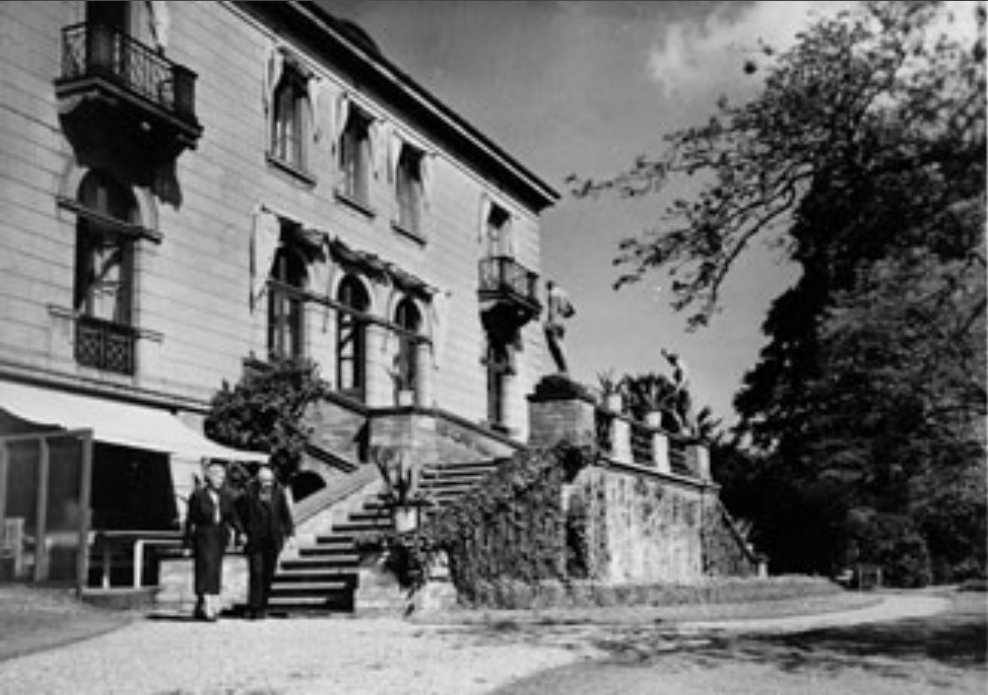
In 1932, Nobel laureate Niels Bohr was awarded lifetime residence in a mansion right next to the Carlsberg brewery in Copenhagen - complete with an unlimited supply of free beer delivered to his door.
The internet myth says he had a direct beer pipeline built into his house. While that’s fiction, Carlsberg genuinely kept him stocked with endless crates and kegs for 30 years until his death in 1962.
Peak scientist perks. 🍺⚛️
The Indian Doctor Who Saved a Million Lives - and Refused to Profit from It
In the early 1900s, Kala-azar (Visceral Leishmaniasis) devastated Bengal & Assam with a 90–95% fatality rate, wiping out entire villages.
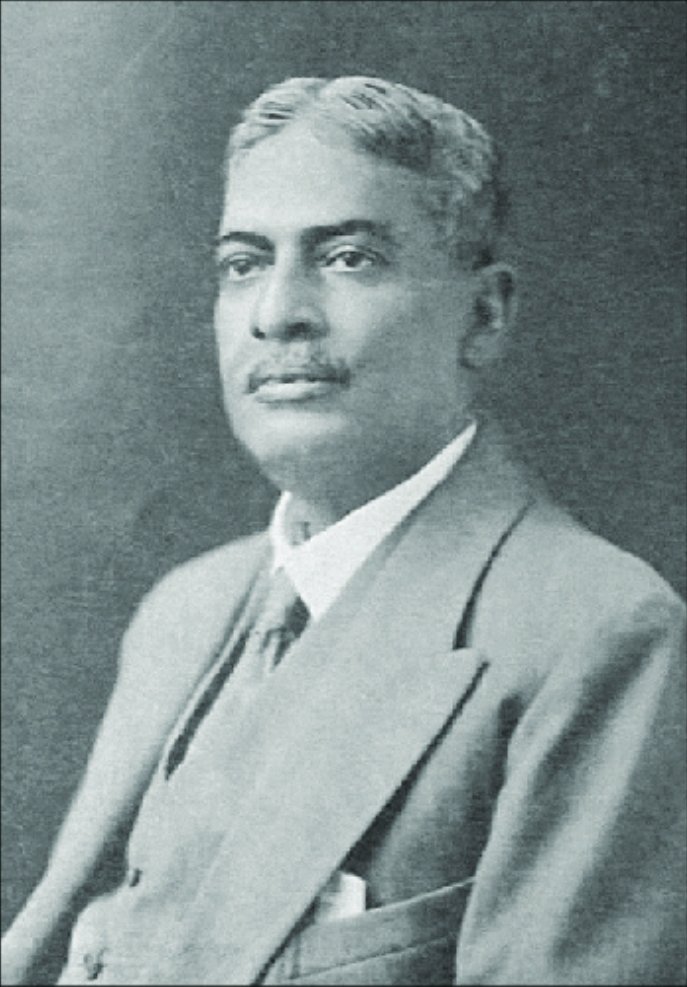
Working in a cramped, makeshift room at Campbell Medical School, Calcutta, Dr. Upendranath Brahmachari synthesized Urea Stibamine in 1922.
The impact was immediate:
• Mortality dropped from >90% to under 10%
• Substantially reduced toxicity compared to toxic tartar emetic
• Saved an estimated 1 million+ lives across South Asia
Brahmachari refused to commercialize the patent for personal wealth, ensuring treatment remained affordable for mass relief. He poured his earnings back into public science - founding the Brahmachari Research Institute and establishing India’s first modern blood bank in 1939.
Nominated twice for the Nobel Prize in Medicine (1929, 1942), Dr. Brahmachari remains one of India’s greatest unsung medical pioneers.
From Cremation Grounds to Mother of 1,400: The Unstoppable Resilience of Sindhutai Sapkal
Sindhutai Sapkal, affectionately known as "Mai" (Mother), is one of India's most extraordinary social reformers. At age 20 and nine months pregnant, Sindhutai Sapkal was beaten unconscious and left to die in a cowshed, where she delivered her child alone and severed the umbilical cord with a sharp stone. Turned away by society, she begged on trains and slept in cremation grounds—cooking discarded grain over funeral pyre embers because superstitious men feared to follow her there.
Instead of surrendering to despair, she chose radical compassion. Surrounded by starving street children on railway platforms, she dedicated her life to them—even placing her biological daughter with a trust to eliminate any bias.
Over five decades, Sindhutai "Mai" Sapkal founded multiple shelters, legally raised and educated over 1,400 orphans into doctors, engineers, and teachers, and was honored with the Padma Shri.
A legendary life that proved the deepest pain can become the foundation to heal the world.
How Grief and Rejection Built a 4-Kilometer Canopy of Banyan Trees
Meet Saalumarada Thimmakka.
Taunted for 25 years because she couldn't bear children, Saalumarada Thimmakka decided to mother nature instead.
She and her husband took banyan cuttings and planted them along a dry 4 km highway in Karnataka, carrying heavy pots of water by hand before heading to daily wage labor.
Over decades:
• Planted & nurtured 385+ massive banyan trees
• Added 8,000+ native trees to her region
• Turned a barren highway into a towering canopy
In 2019, at over 100 years old, she walked barefoot into the Rashtrapati Bhavan to receive the Padma Shri.
Pain turned into a living forest. 🌳✨
How One Lawyer Turned a 20 Million Kg Trash Heap Back Into an Ocean Sanctuary
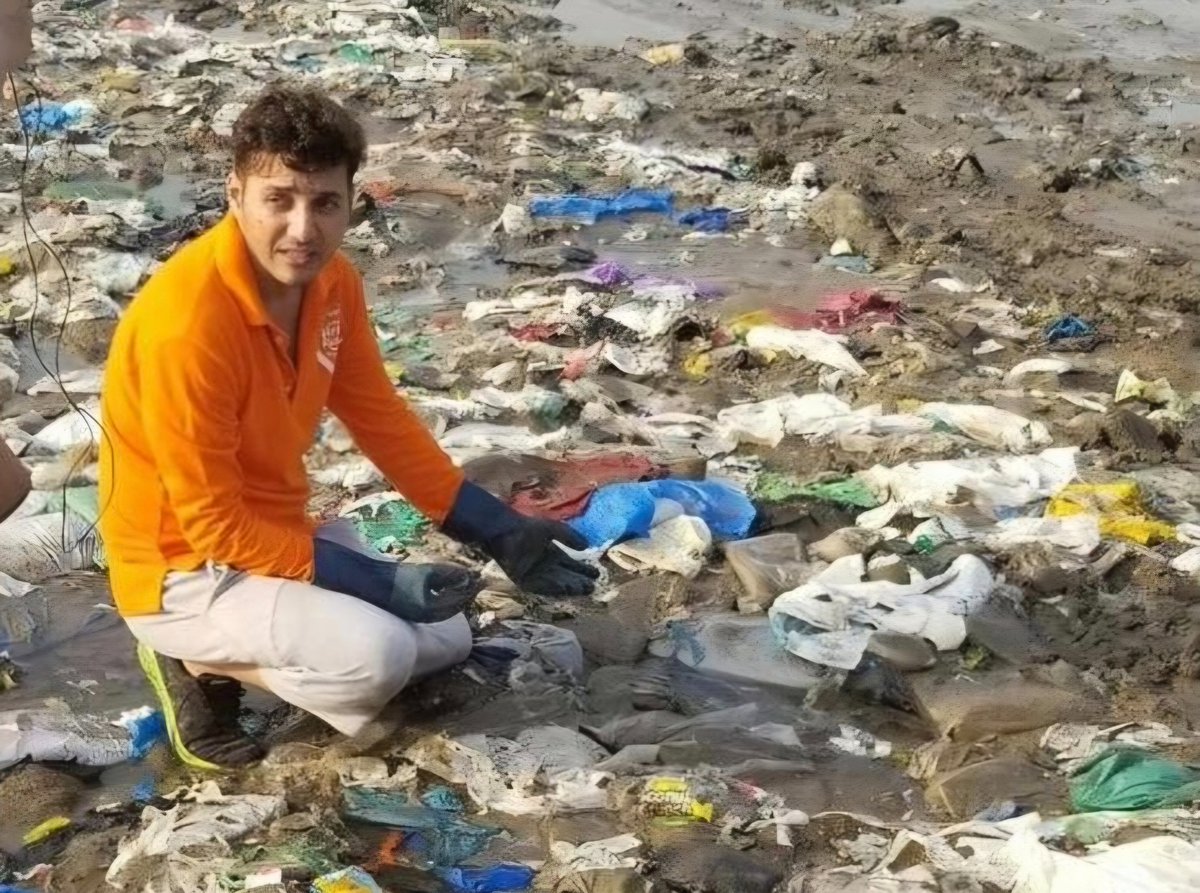
In 2015, Mumbai lawyer Afroz Shah found Versova Beach buried under 5.5 feet of rotting plastic.
Instead of waiting for authorities, he and an 84 year old neighbor grabbed trash bags and started cleaning it by hand every weekend.
What followed:
120+ consecutive weeks of cleanups
20,000,000+ kg of trash cleared
Thousands of citizens mobilized
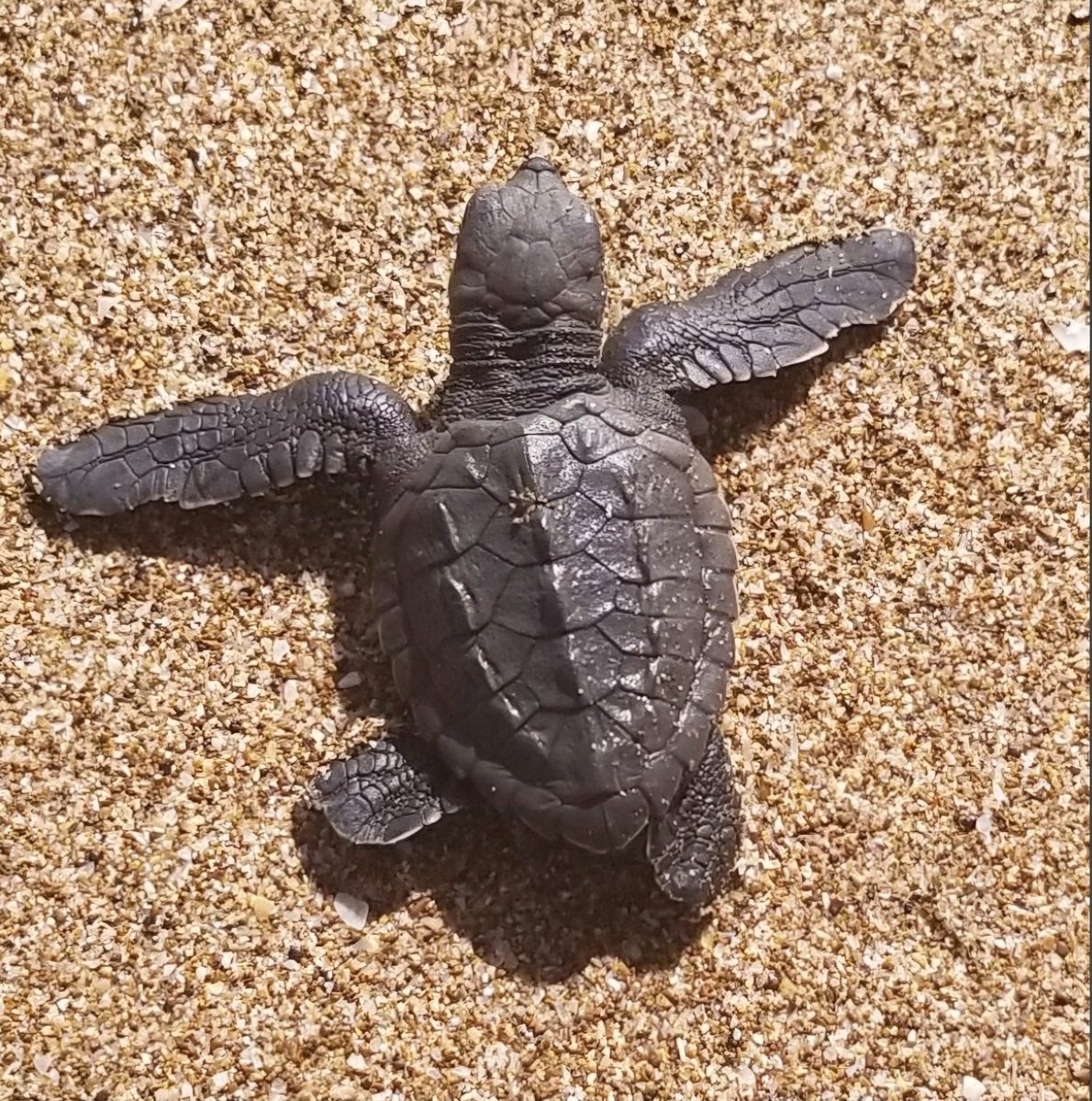
By 2018, Olive Ridley sea turtles returned to nest on the beach for the first time in 20 years, and the UN awarded Shah the Champions of the Earth title.
40 Years, One Tree a Day: Meet the Forest Man of India
In 1979, 16 year old Jadav Payeng saw hundreds of reptiles die from extreme heat on a barren sandbar along the Brahmaputra River.
He was told nothing could grow there, he planted a sapling every single day for 40 years.
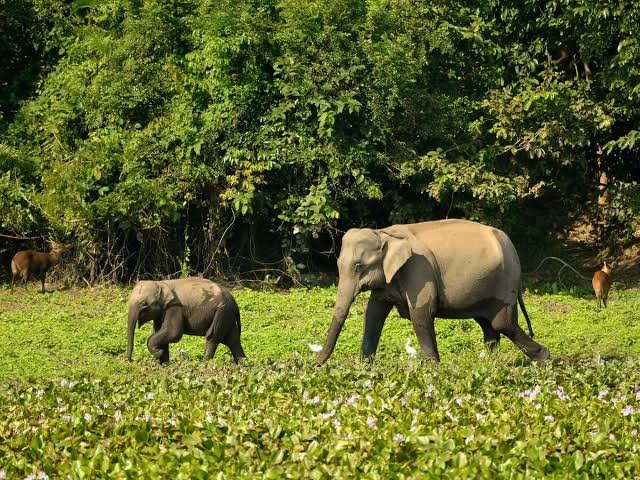
Using red ants to enrich the soil and earthen pots for drip irrigation, he turned a wasteland into a 1,360-acre forest larger than Central Park, now home to Bengal tigers, rhinos, and herds of 100+ elephants.
His relentless effort earned him the Padma Shri in 2015.
A Century of Service, A Legacy for Life:
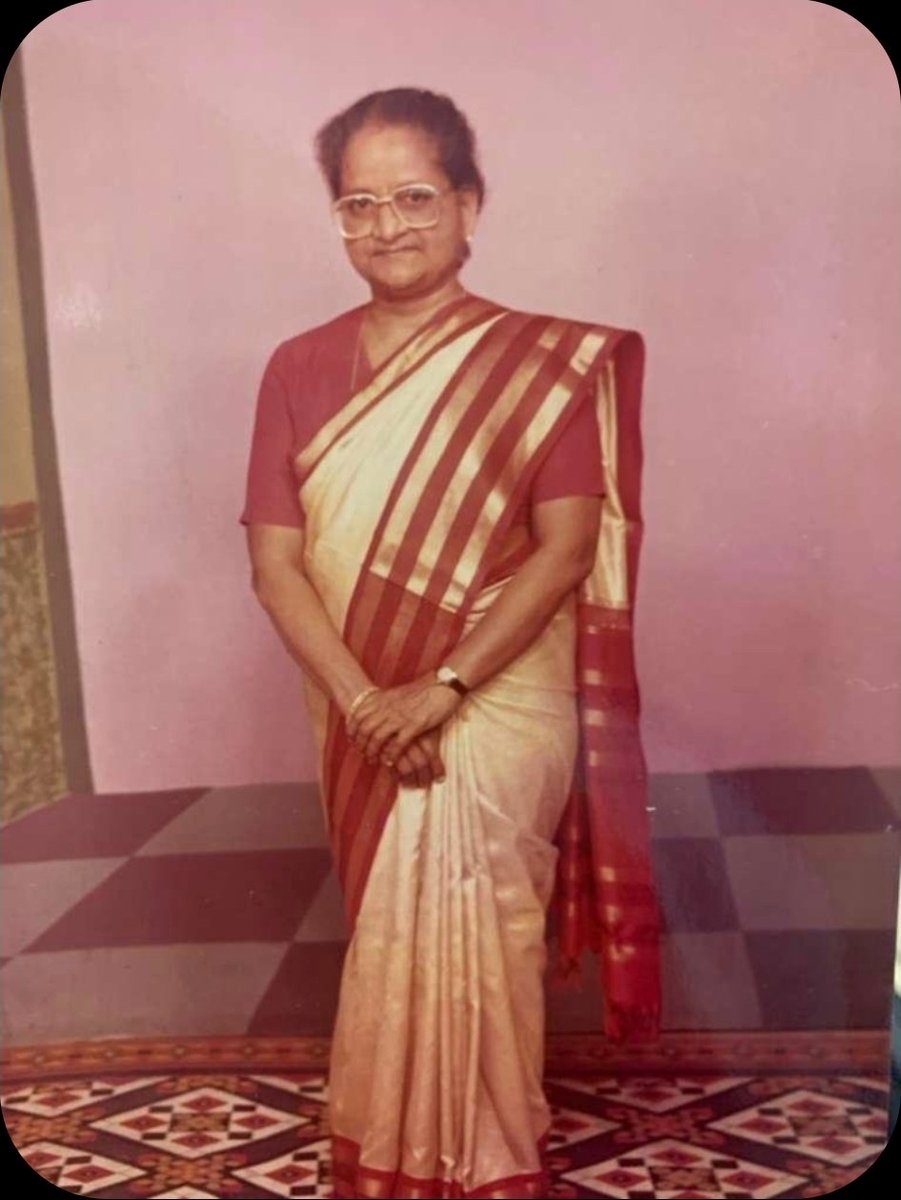
Meet Dr K Lakshmi Bai. On her 100th Birthday, has donated her entire life savings of ₹3.4 crore to AIIMS Bhubaneswar to fund specialized gynecological oncology treatment and training for underprivileged women.
Having trained at Johns Hopkins and served Odisha’s public hospitals for decades, she witnessed countless women battle untreated reproductive cancers due to a lack of resources. She also contributed ₹3 lakh toward adolescent HPV vaccination drives.
"Whatever I earned came from people. It should go back to them, especially women who suffer silently." An extraordinary legacy of dedication to women’s health.
- Dr. K. Lakshmi Bai
Food Safety and Standards Authority of India (FSSAI) has introduced Front-of-Pack Nutrition Labelling (FOPNL) frameworks - including warning declarations and red pictorial flags - to address the rapid surge in non-communicable diseases (NCDs) and ultra-processed food consumption.
1. Surging Burden of Non-Communicable Diseases (NCDs): India faces severe public health challenges from obesity, Type 2 diabetes, hypertension, and cardiovascular disease. A significant driver is the excessive intake of HFSS foods (High in Fat, Sugar, and Salt).
2. ICMR-NIN Dietary Alignment: The thresholds for what constitutes "High" are aligned with recommendations from the ICMR–National Institute of Nutrition (NIN) Dietary Guidelines for Indians, targeting added sugars, saturated fats, and sodium.
3. Low Nutritional Literacy and Back-of-Pack Complexity: Standard nutrition information tables on the back of packaging are dense, technical, and rarely understood or checked by the average consumer. Clear front-of-pack indicators bypass this complexity with at-a-glance visibility.
4. Judicial and Public Advocacy: Strong interventions by the Supreme Court of India and public health bodies pushed for explicit warning mechanisms—such as red hexagonal warnings for "HIGH FAT", "HIGH SUGAR", "HIGH SALT", or "HIGHLY SWEETENED BEVERAGE"—moving beyond industry-preferred positive star ratings.
5. Targeting Child-Centric Marketing & Reformulation: The regulations specifically aim to safeguard children and vulnerable demographics from aggressively marketed junk foods, compelling manufacturers to reformulate recipes to keep sugar, salt, and fat levels below warning thresholds.
Double standards of Big FMCG companies has been adversely affecting health of India and Indian population for decades. Its high time make ourselves aware of how these companies treat their Indian customers and Western customers differently. Why is health of some customers priority and our health a compromise?
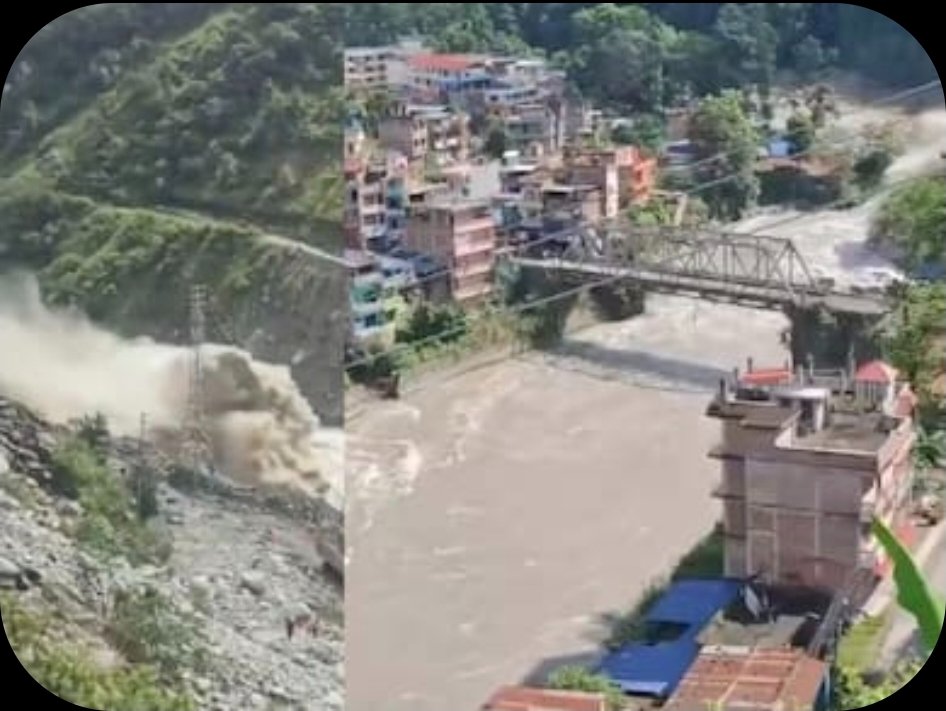
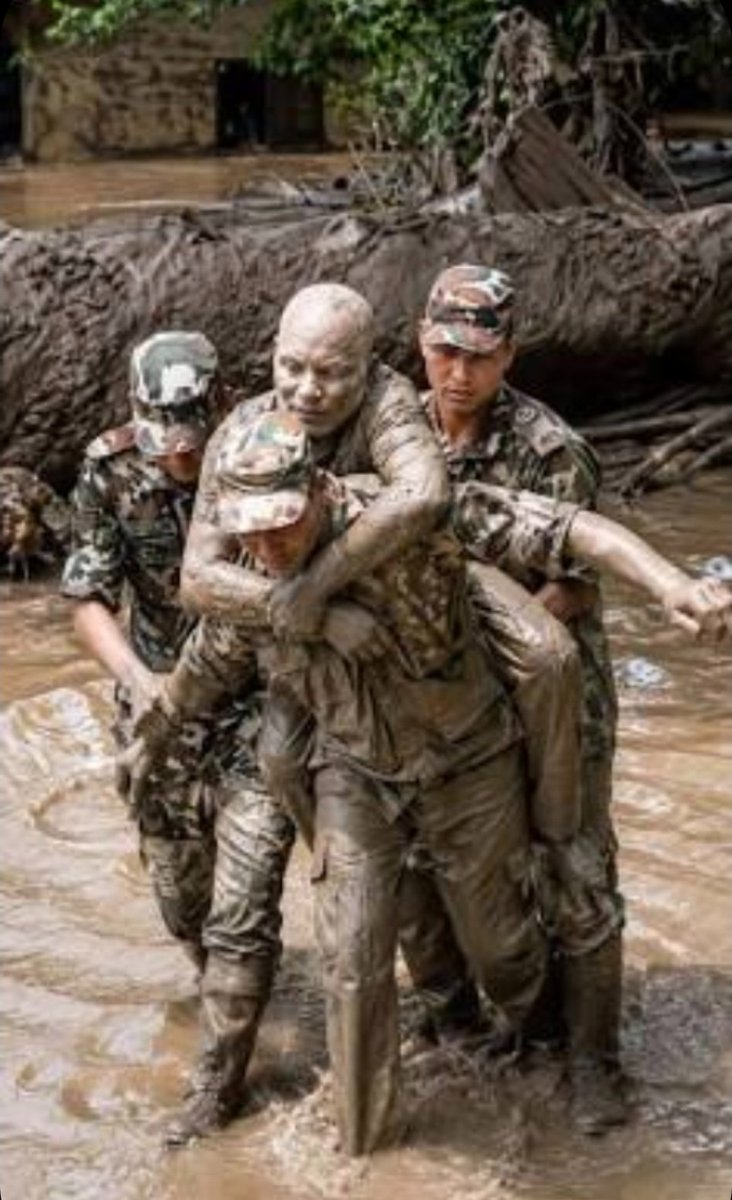
Why Nepal Just Told Foreign Rescue Teams to Stay Away 🚨
To start with, Nepal's refusal was specifically targeted at foreign physical search-and-rescue (SAR) boots on the ground, rather than all international assistance. The government continues to accept financial aid and material relief, provided it flows through its official "one-door" mechanism (the Prime Minister’s Disaster Relief Fund).
Key Reasons for the Policy
1. Coordination Lessons from the 2015 Earthquake:
Following the 2015 Gorkha earthquake, 76 international SAR teams arrived from 34 countries. This massive influx severely clogged Kathmandu’s airport, strained local logistics, and created overlapping chains of command and diplomatic competition. Authorities sought to avoid repeating that administrative gridlock.
2. Confidence in Domestic Security Forces:
The decision was taken largely on the advice of the Nepali Army, Armed Police Force, and Nepal Police, who asserted they possess the local terrain knowledge and manpower required to handle ground and riverine rescue operations independently.
3. Geopolitical & Border Sensitivities:
Much of the severe damage occurred in border-adjacent regions like Rasuwa near the China/Tibet frontier. Allowing multinational military and civilian search contingents to operate freely in sensitive border corridors carries delicate sovereign and geopolitical implications.
4. Centralized "One-Door" Aid Policy:
To prevent chaotic, off-book distributions and jurisdictional overlap, Kathmandu mandated that all international support remain strictly financial or material, managed directly by the central government.
5. Limited Exception & Nuance
While blanket deployments of foreign disaster teams were turned away, Nepal has maintained that it remains open to narrow, high-end technical assistance where domestic capabilities fall short—such as specialized deep-tunnel rescue operations at damaged hydropower sites, structural engineering support (e.g., Bailey bridges), and forensic/DNA identification teams.
The amount of hate nepal is receiving for saying no to humanitarian aid on social platforms is unimaginable. People please understand their point of view rather than just jumping on conclusions and hating the peaceful himalayan nation. These are difficult times for Nepal, lets stand with them and support them rather than spreading hatred