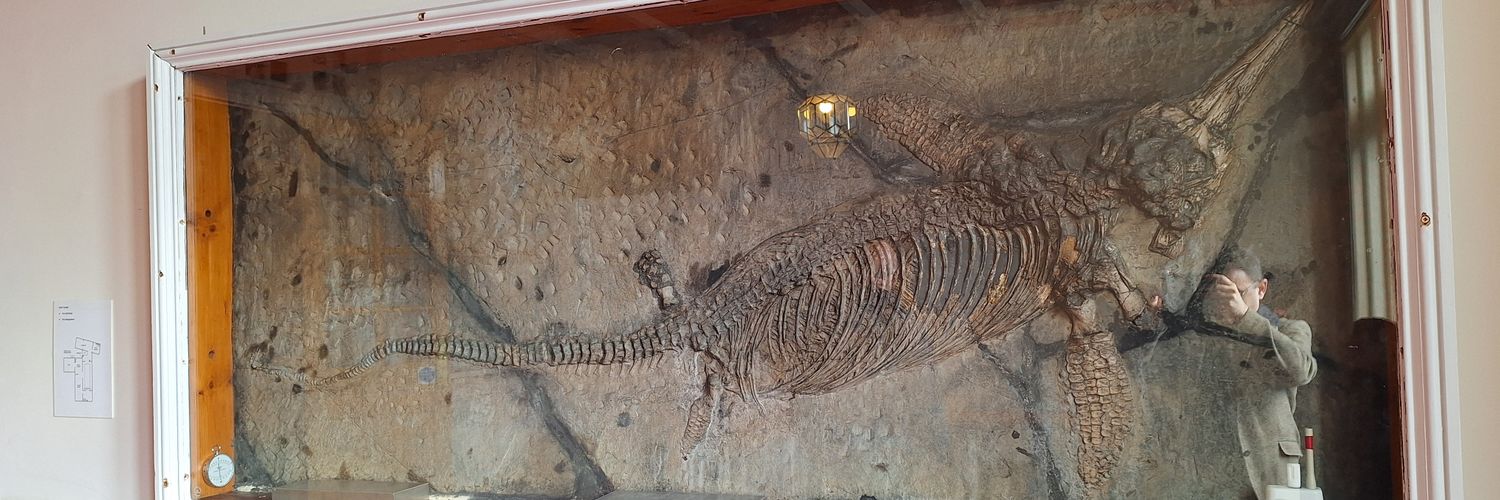
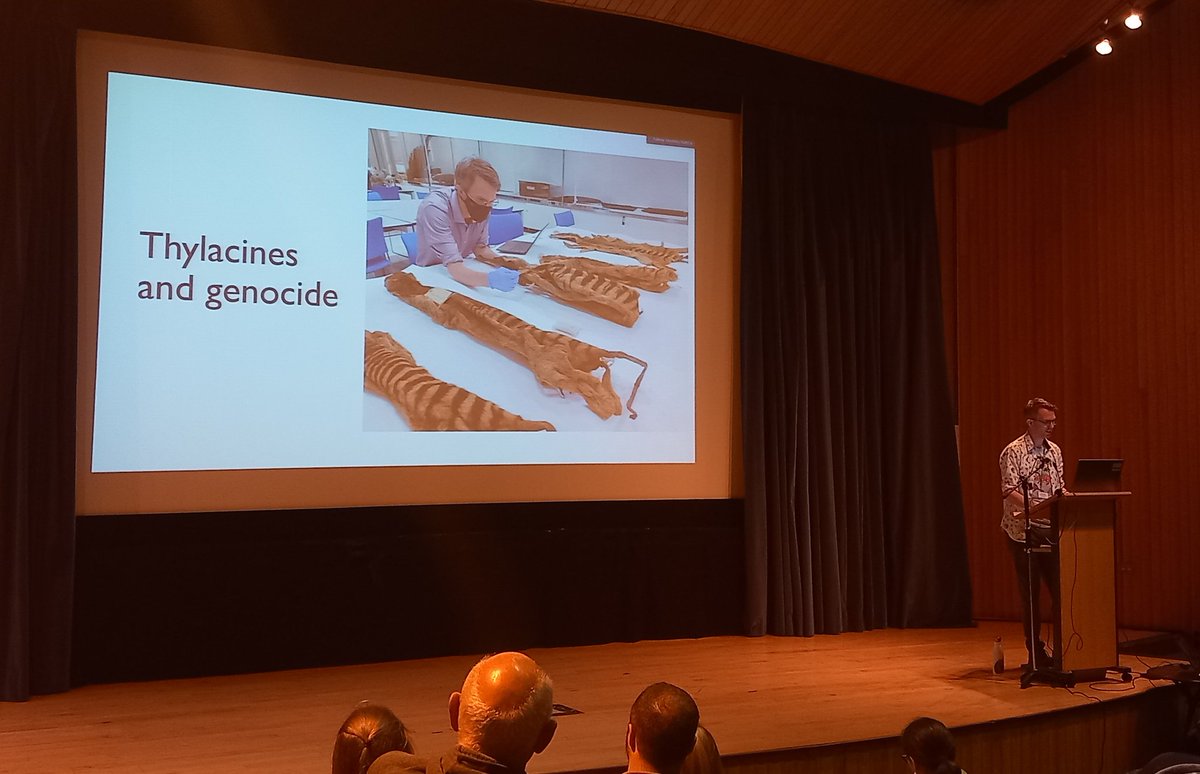
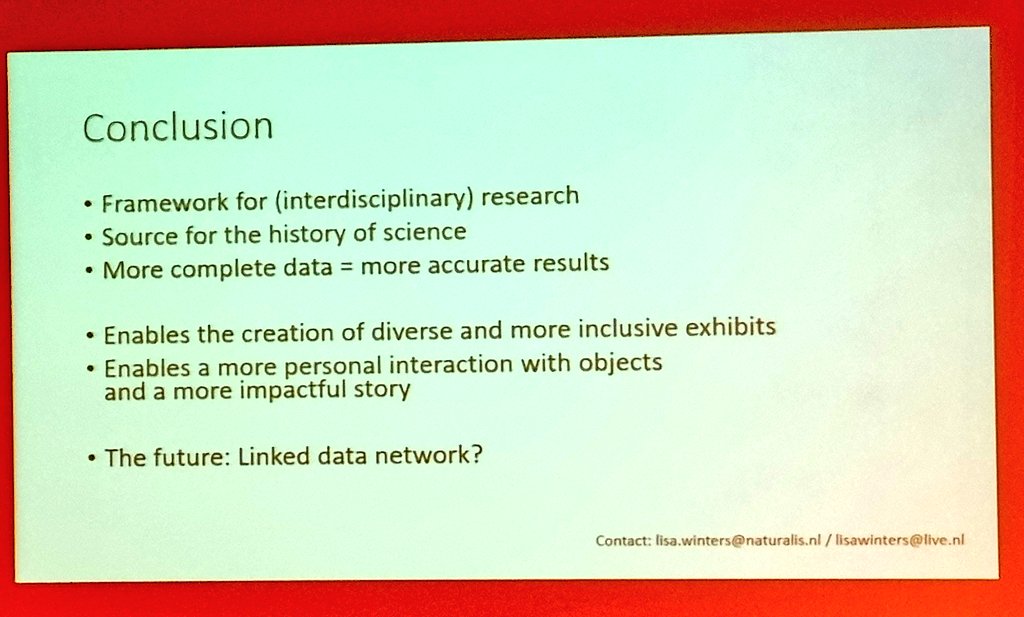
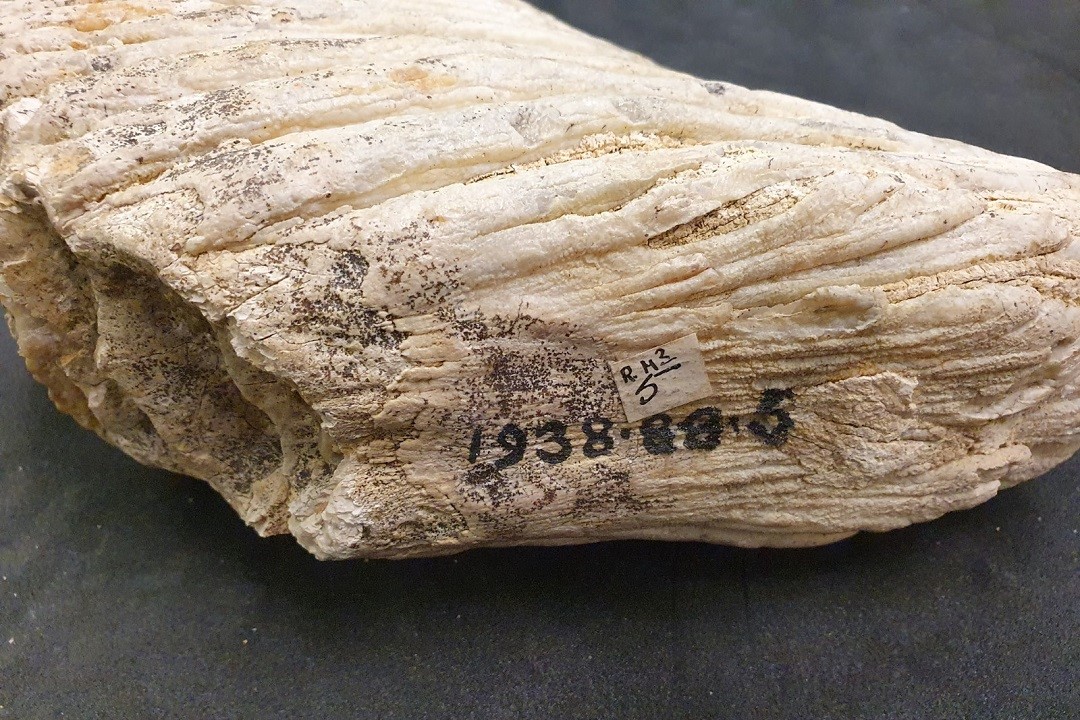
Collection creation is a biased process. We need to be aware of that, and find ways to address it. Object biographies are one way to do that. They allow information, metadata etc. to be captured in a linkable way. #natsca2023
Great new blog out today by @drsimonjackson talking about the newly designated collections @IpswichMuseums! https://t.co/JM1FyASZ8c https://t.co/4UyRVsOi1A
We are thrilled that our #Cenozoic collections, incl Plio-#Pleistocene#fossils has been awarded this mark of distinction-it is an international significant resource for studying the #iceage.
@TomHoltzPaleo Would be interesting to put these investigations more into a phylogenetic context/framework. Eg why such variation among Ornithischians; eg Protoceratops 28g 499M neurons, Triceratops 72g but only 172 neurons!
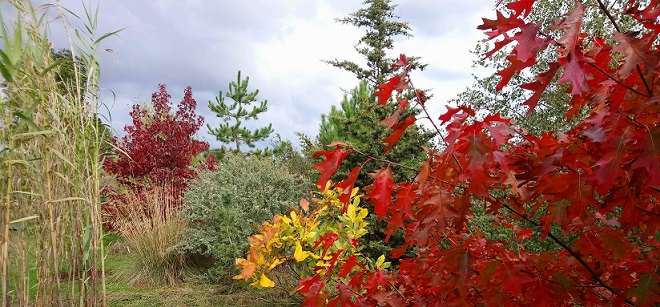
Picking up the theme of the #Pliocene temperate woodlands, Barry Hall @geosuffolk has led an inspiring project planting living trees in #Suffolk, based on species identified from fossil pollen
📷@geosuffolk
find out more here: https://t.co/iDv8ILEUGu
#PlioPleistocene#Museums
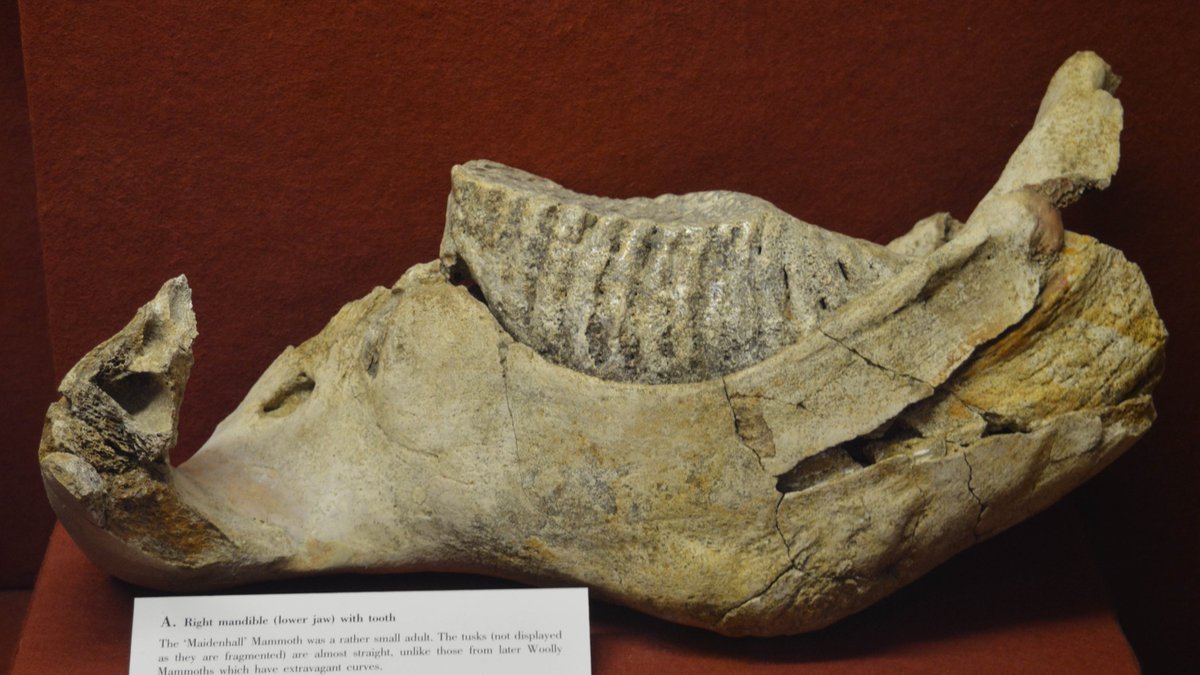
curator @SophiecStevens @CoIMuseums showcases Colchester Museum's fab Pleistocene Mammal collections, including those of Creationist Charles Bree, and fisherman Les Brand's material dredged from the Norfolk Coast
more info here: https://t.co/JEbDHbhbmG
#PlioPleistocene
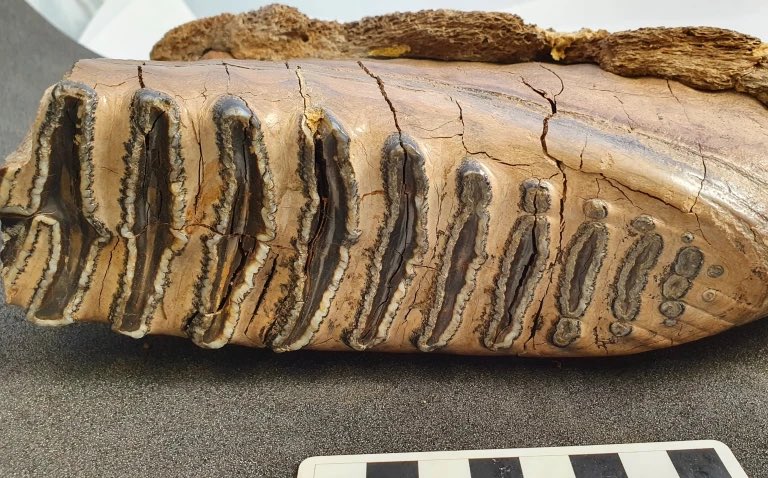
@SophiecStevens 'by analysing the worn shape of mammalian tooth crowns we get a signal of the type of vegetation they were eating' analysis by Juha Saarinen @geohelsinkiuni demonstrates that 2 million years ago, Red Crag mammals lived in temperate woodlands
#PlioPleistocene#PlioPleistocene
@GeoSuffolk@DrDWaterhouse@NorfolkMuseums East Anglia may not have spectacular rocky outcrops but today's talks have shown it has a rich and important geology. A huge thank you to all today's speakers. Recordings will be on @IpswichMuseums
website soon.
Let us know if you'd like to see more events like this! 🦣