Before NLP became a concept, there was a question:
“What are they doing differently?”
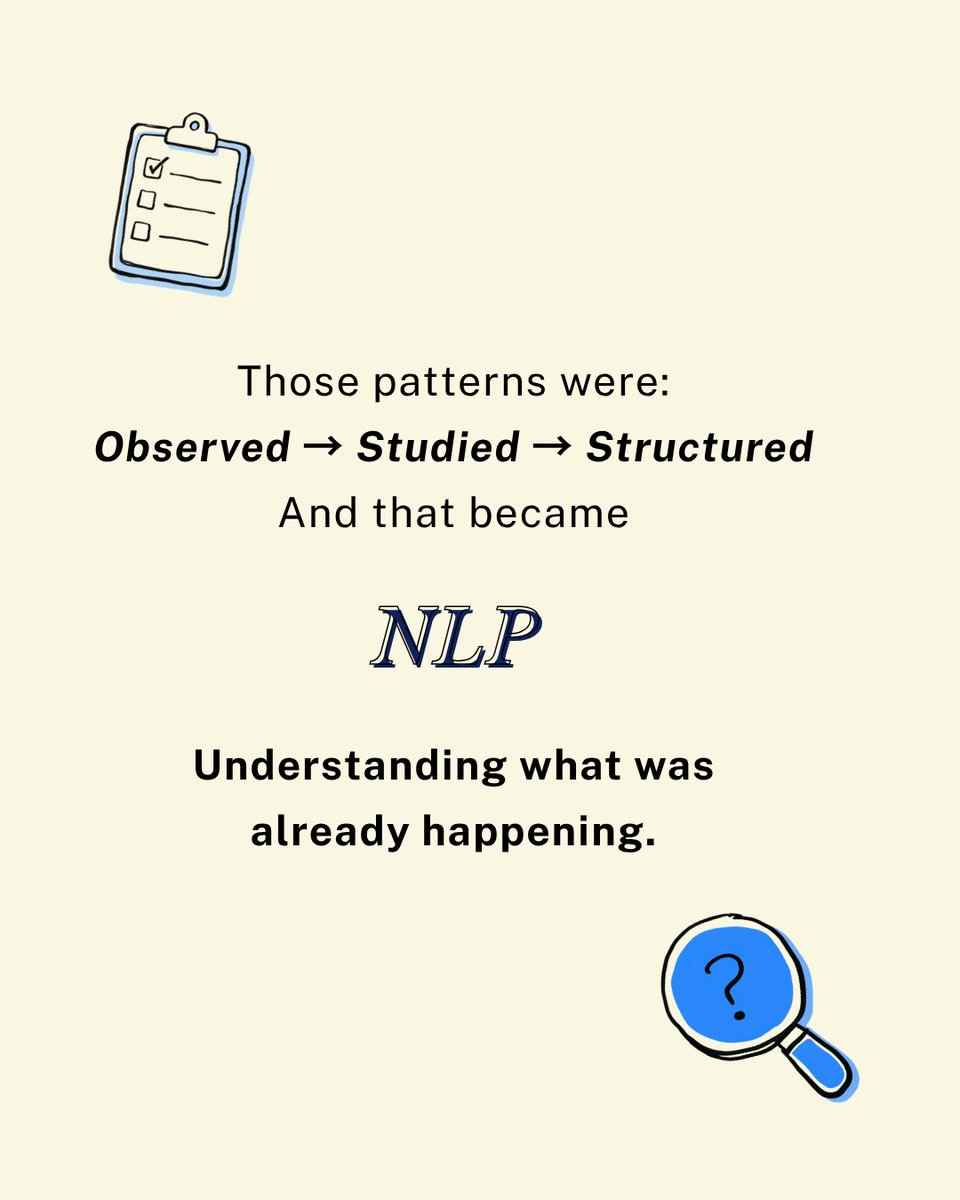
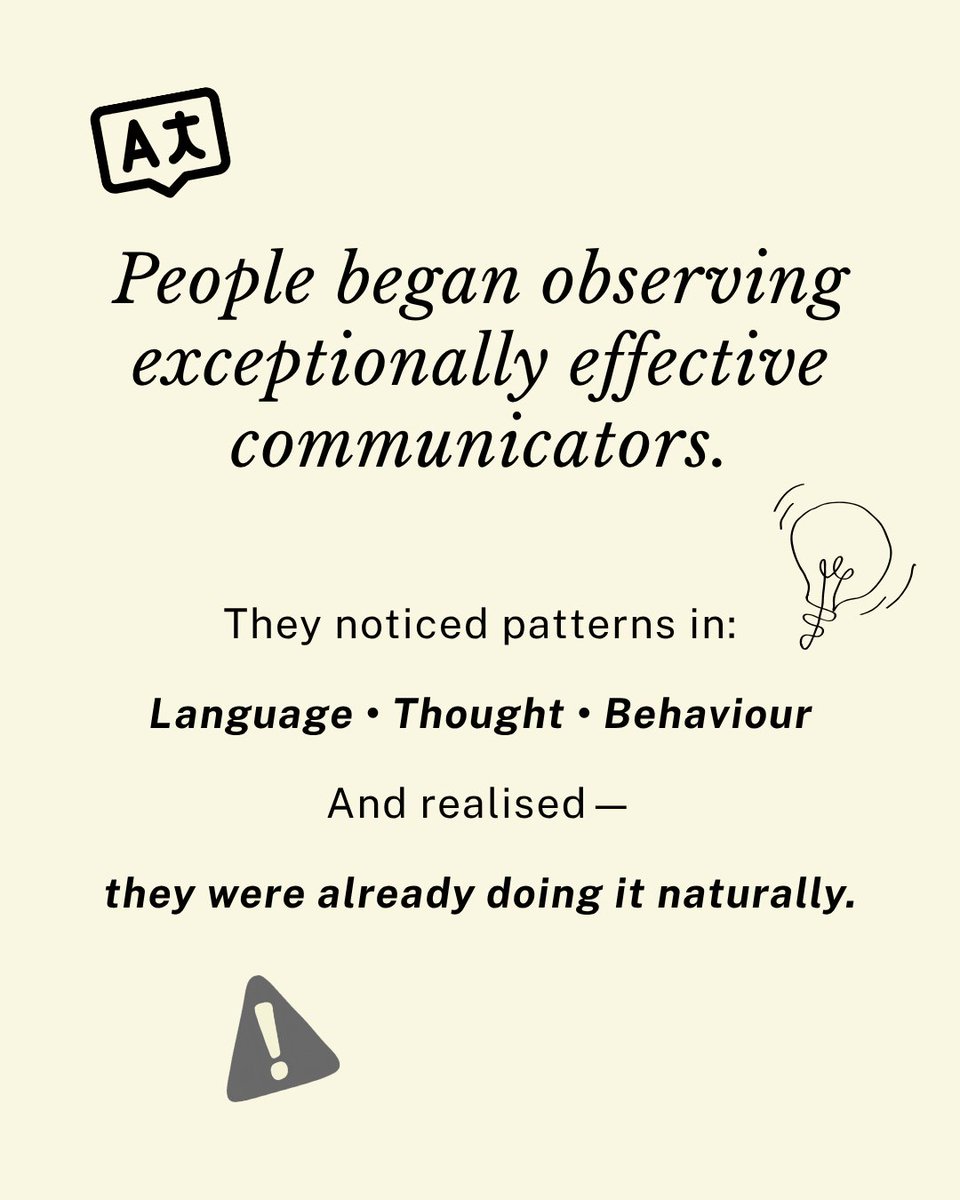
By observing how effective communicators naturally used language, thought patterns and behaviours, certain patterns began to emerge.
NLP didn’t begin as a theory.
It began with *observation and curiosity.*
People noticed that some experts were exceptionally effective at communicating and creating change — and they wanted to understand what made their communication different.
So they observed the patterns.
What if NLP wasn’t something completely new?
It began with curiosity.
People observed experts who communicated exceptionally well and started asking:
What are they doing differently?
The patterns were already there. NLP helped make those patterns visible and understandable.
Join Dr. Sumathi Narayanan & fellow experts for an engaging panel discussion exploring emotional intelligence, healthy relationships, stress management & mental well-being.
📅 16 September 2026 | Wednesday
⏰ 12:00 – 1:30 PM
📍 Seminar Hall II, M.O.P. Vaishnav College for Women
We often think communication is about finding the right words.
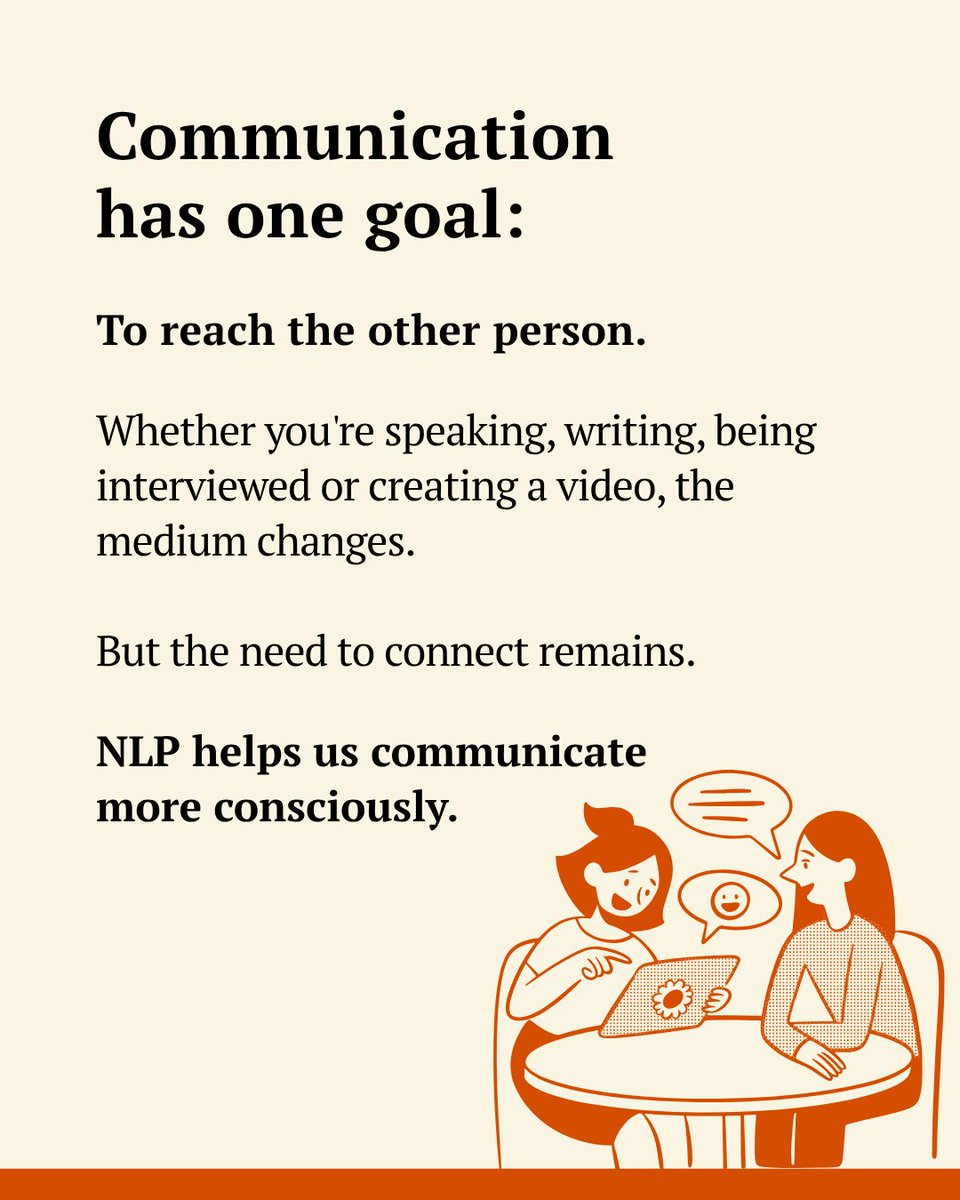
But true communication is about reaching the other person.
The medium may change — a conversation, a video, an interview, or written words — but the intention remains the same: to connect.
NLP isn’t a separate way of communicating.
It blends into the way we already communicate — because communication is ultimately about reaching the other person in a way they can understand.
Whether it’s a conversation, a video or written words, the goal remains the same:
Communication isn't just about what you say.
It's about how the other person receives, understands, and connects with it.
NLP is one tool that helps us become more conscious of the way we communicate — across conversations, interviews, videos, and even written words.
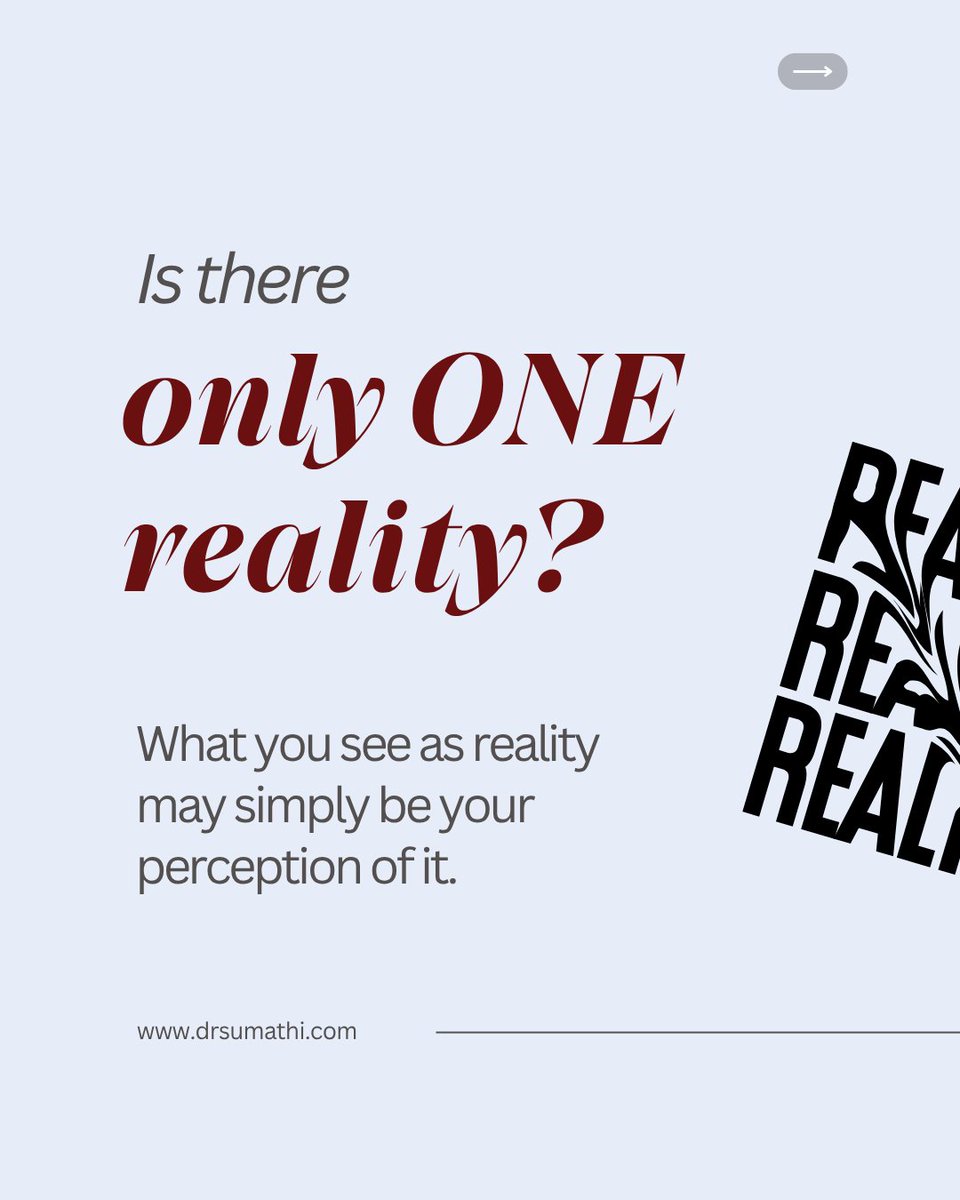
We don't all see the same world.
We see the world *through our own lens.* 🌿
The same situation can mean something completely different to two people because perception is shaped by our experiences, beliefs and emotions.
Maybe the shift isn't always in changing the situation.
We don't all see the same world.
We see the world *through our own lens.* 🌿
The same situation can mean something completely different to two people because perception is shaped by our experiences, beliefs and emotions.
Maybe the shift isn't always in changing the situation.
What you call “reality” is also influenced by how you perceive it.
The same moment can create completely different experiences for different people.
Because no one sees the world through your exact lens.
Change the lens, and sometimes, the experience changes too. 🌱
Reality feels absolute—until we realize that everyone experiences it through their own lens.
Our experiences, beliefs and emotions influence what we notice, how we interpret it, and what meaning we give it.
Your reality is deeply connected to your perception.
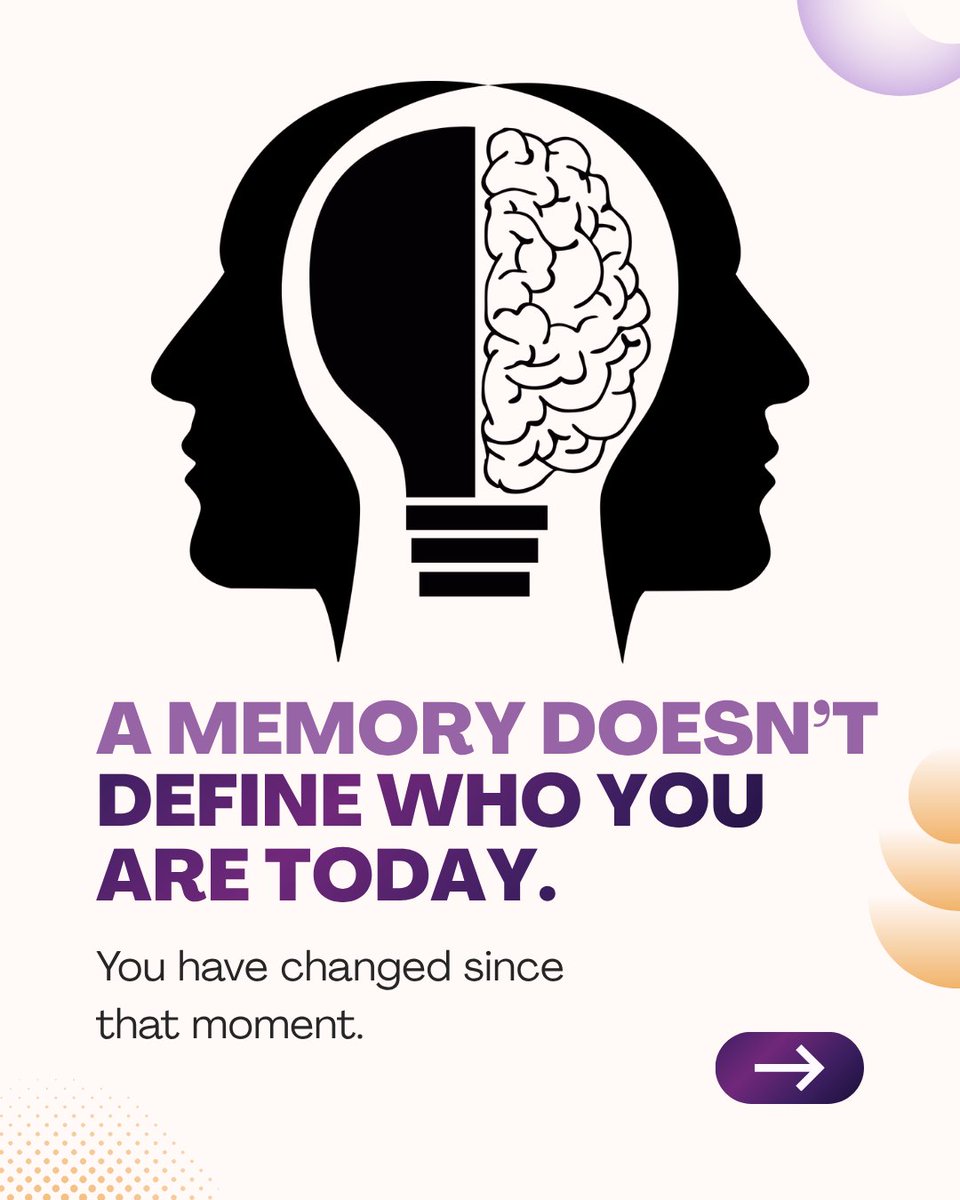
Your past is a memory, not your identity.
You have grown, changed, and experienced life beyond that moment.
When an old memory returns, gently bring your attention back to who you are today.
Because healing isn't about forgetting the past.
Sometimes, we don’t suffer because of what happened—we suffer because we keep reliving it.
That repeated cycle of thinking about the past is rumination.
But you are not the same person you were when that moment happened.
The past is a memory.
The present is where you live.
You are allowed to outgrow the version of yourself that existed in the past. 🌱
What happened shaped you, but it does not have to define you.
When an old memory returns, gently remind yourself:
“That was then. This is me, now.”
Come back to the present.
And keep growing.
Sometimes, a memory stays with us because our mind keeps bringing us back to it.
But you are here.
You are in this moment.
And you can gently choose where your attention goes next. 🤍
You don’t have to relive yesterday to live fully today.
Some memories stay with us because we keep reliving them in our minds.
The past has already happened. What we experience today is the memory of that moment.
When a memory feels strong, gently shift your attention from what happened to what you choose to experience now.
Some chapters happened once. That doesn’t mean you have to keep living them.
Your mind may replay the past, but remember: *what happened is no longer happening.* You are here. You are safe. You are in the present.