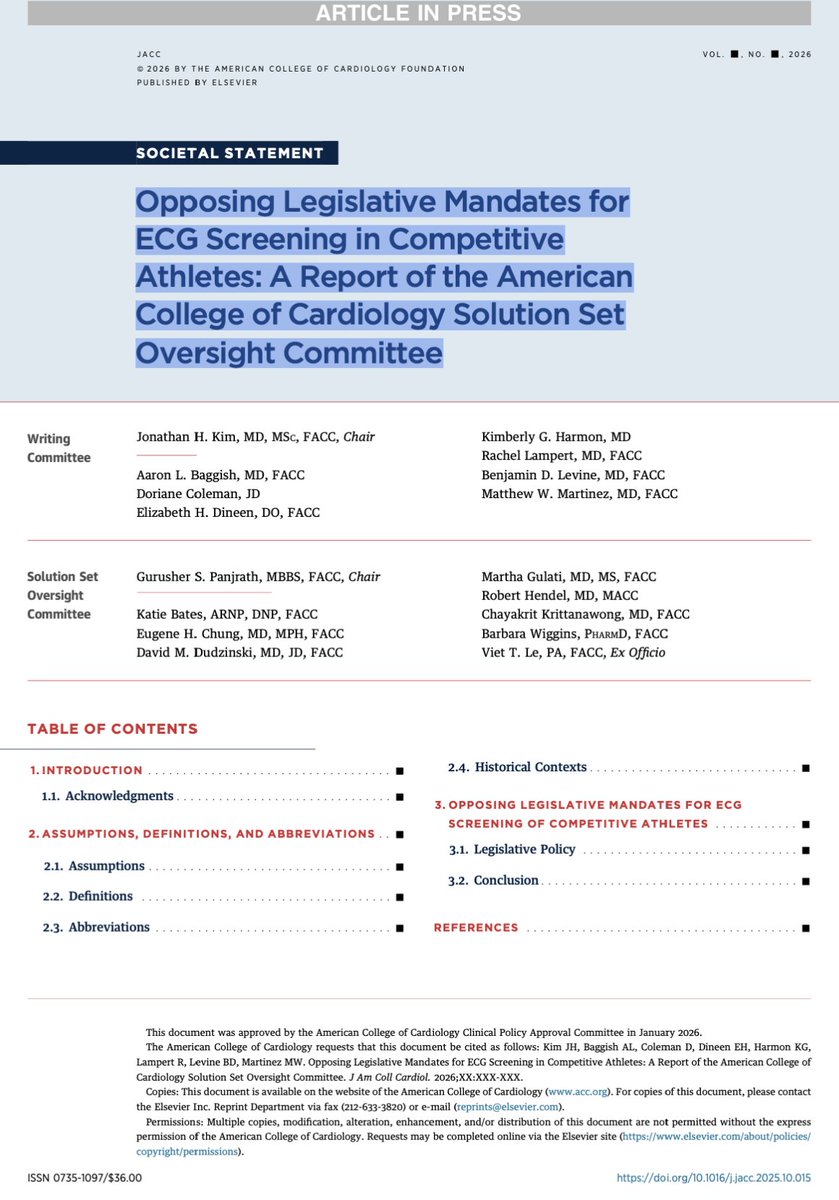
🏃♂️❤️ Should ECG screening be mandatory for all competitive athletes? The ACC says no.
Sudden cardiac arrest (SCA) is the leading medical cause of death during competitive sports. Screening aims to detect silent conditions — and adding a 12-lead ECG to history & physical can increase detection sensitivity to >90% for certain diseases.
So why oppose mandatory ECG laws?
The American College of Cardiology argues that legislative mandates would likely cause more harm than benefit .
⚖️ The core concerns:
1️⃣ Workforce reality
Accurate athlete ECG interpretation requires expertise. The U.S. does not have enough trained sports cardiologists to handle universal screening volumes. Poor interpretation → false positives, false negatives, unnecessary testing, missed diagnoses.
2️⃣ Equity risk
False-positive rates (2–15%) disproportionately affect Black athletes and those from underserved communities. Mandates could widen disparities, increase financial strain, and delay care.
3️⃣ Resource diversion
Mass ECG programs are expensive. Funds may shift away from what actually saves lives:
🚨 Emergency Action Plans (EAPs)
Immediate CPR + AED access is the only intervention proven to reduce mortality in young athletes.
4️⃣ Screening limits
Not all lethal conditions are detectable by ECG. A normal ECG does not eliminate future risk.
📌 ACC position:
ECG screening may be reasonable in structured programs with:
✔ Expert interpretation
✔ Equitable downstream resources
✔ Clear implementation planning
But laws mandating universal ECG screening are not evidence-based policy.
Prevention isn’t just about detecting risk.
It’s about implementing what truly saves lives.
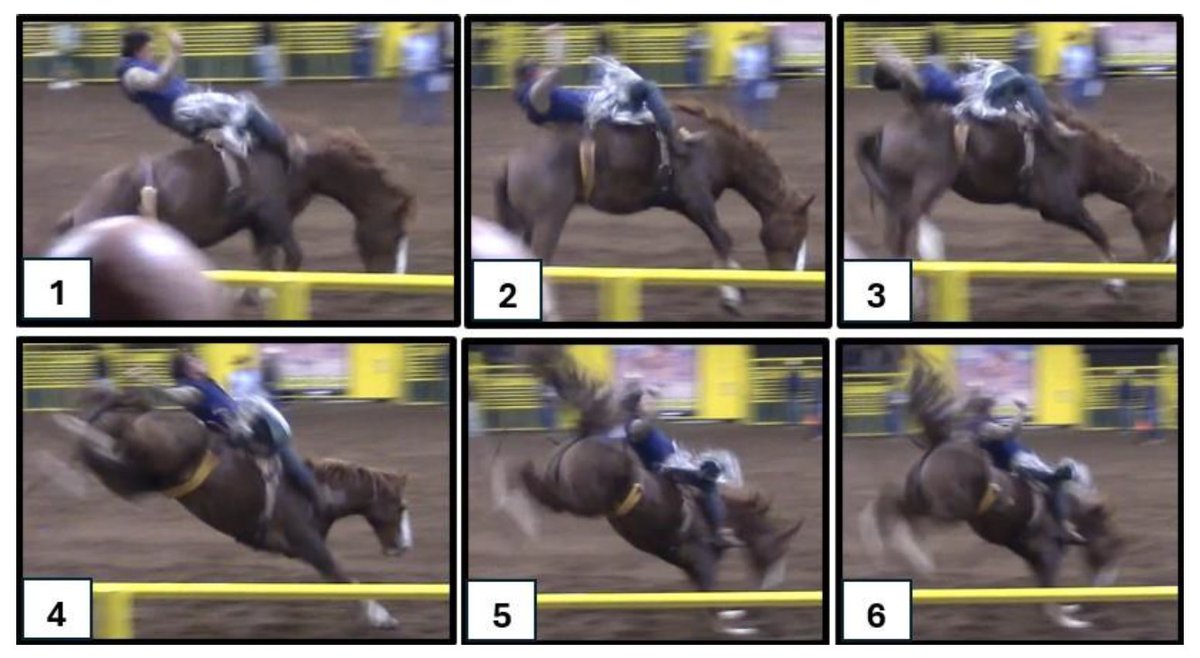
Repetitive head impacts threaten long-term brain health, yet some high-risk sports – like rodeo – have largely gone unstudied.
Researchers addressed this gap by measuring head acceleration events in collegiate rodeo athletes competing in Bareback, Saddle Bronc, and Bull Riding using instrumented mouthguards at National Intercollegiate Rodeo Association-sanctioned events.
Across five competitions and 112 rides, they recorded 344 verified head acceleration events, revealing meaningful differences by event type. Bareback produced the most frequent events but lower median accelerations, and across all events the dominant mechanism was whiplash rather than direct head impact.
Even without obvious head contact, rodeo athletes are exposed to substantial head accelerations, underscoring the need to rethink how brain injury risk is assessed beyond traditional collision sports.
𝗥𝗲𝗮𝗱 𝗺𝗼𝗿𝗲: https://t.co/79Ff3j7R3Z
𝗦𝘁𝘂𝗱𝘆: Head Acceleration Events in Collegiate Rodeo Athletes
𝗔𝘂𝘁𝗵𝗼𝗿𝘀: Colton D. Carlson, Jacob J. Miller, @JasonCDorman, @DrVerle, and @ThayneMuncePhD@usd@SanfordHealth
𝗦𝘂𝗯𝗺𝗶𝘁 𝘆𝗼𝘂𝗿 𝗺𝗮𝗻𝘂𝘀𝗰𝗿𝗶𝗽𝘁: https://t.co/Gyz8DNnMJO
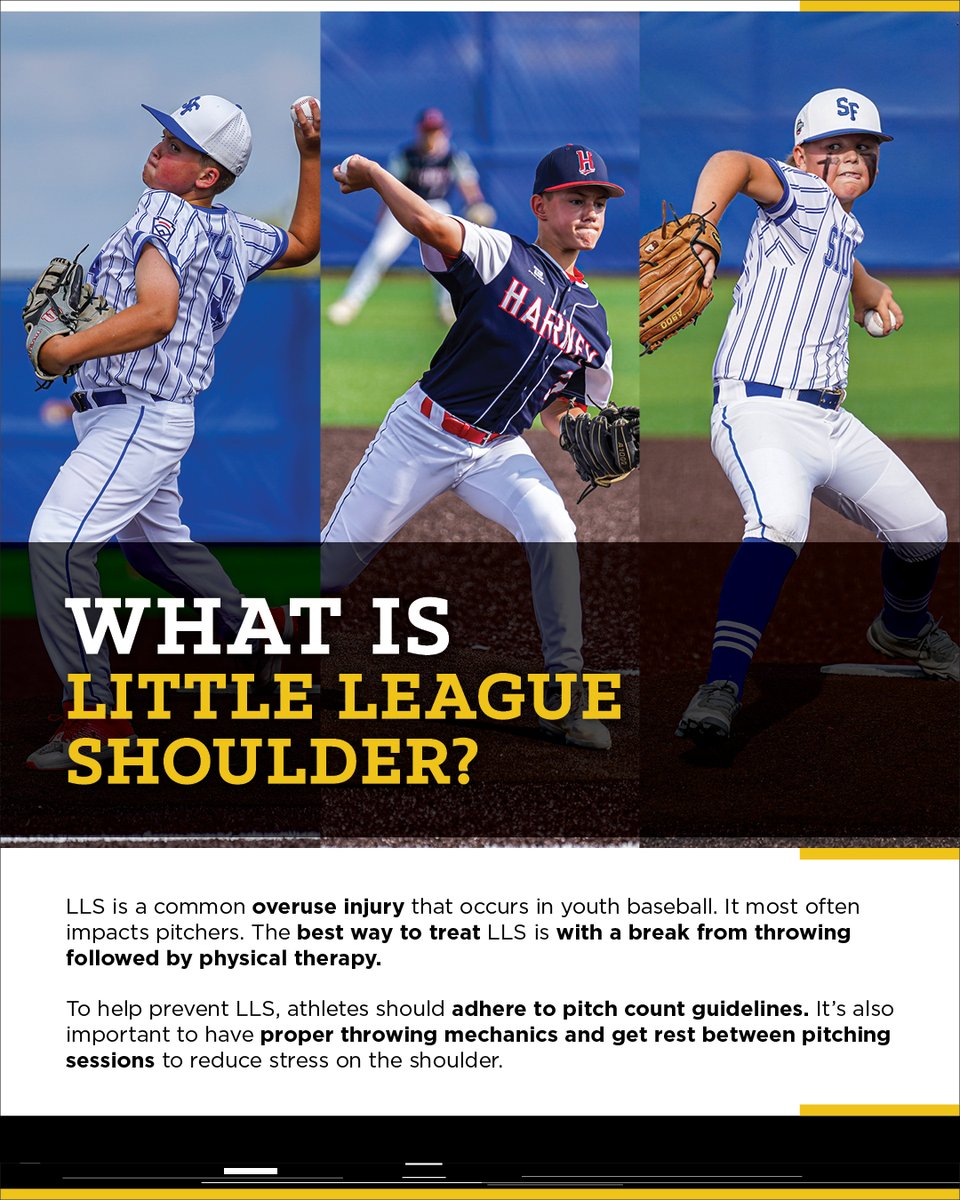
Young pitchers work hard during baseball season – and so do their shoulders.
Every throw over the mound demands a lot of power. Proper throwing techniques and pitch counts offer some protection, but it’s still important to watch for little league shoulder all season.
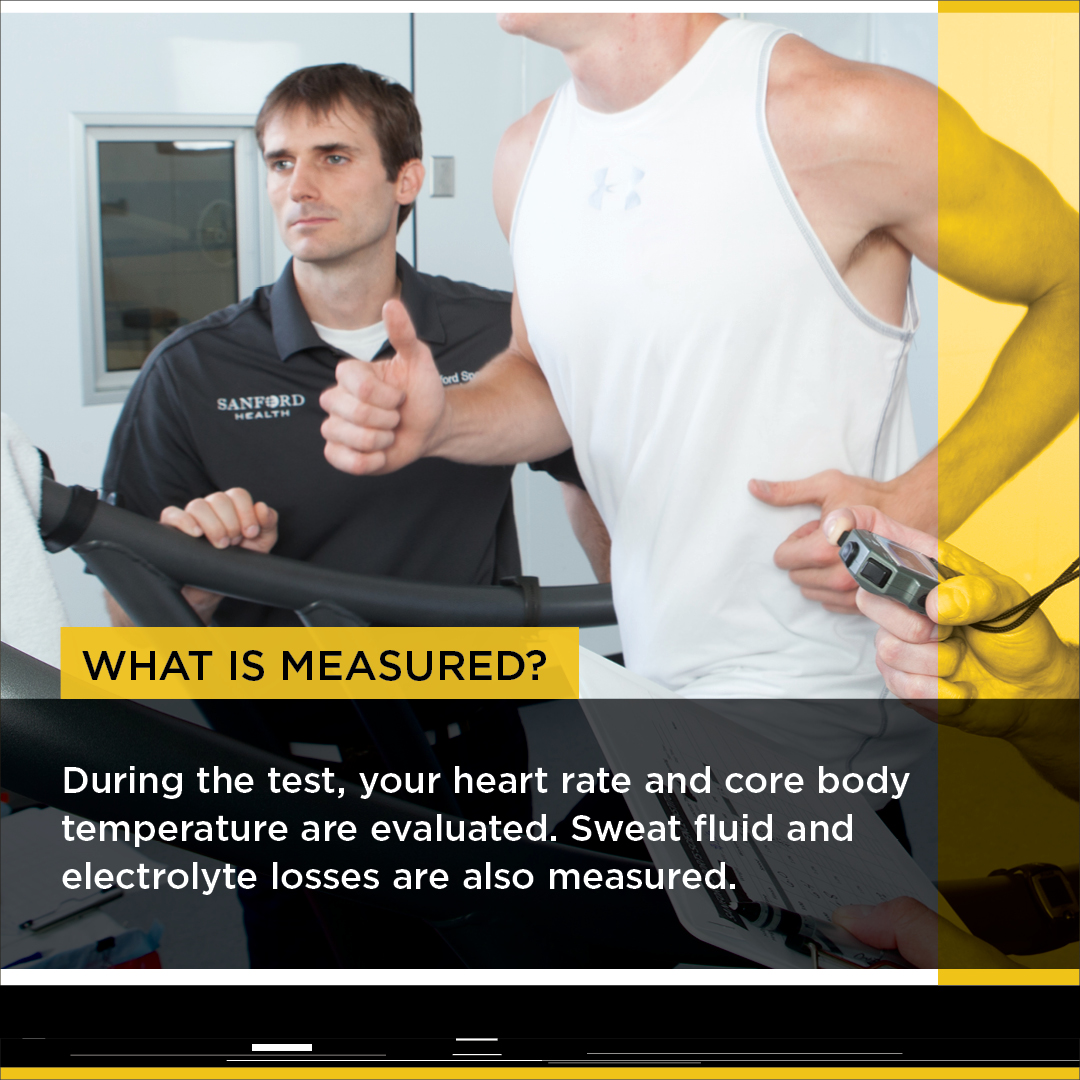
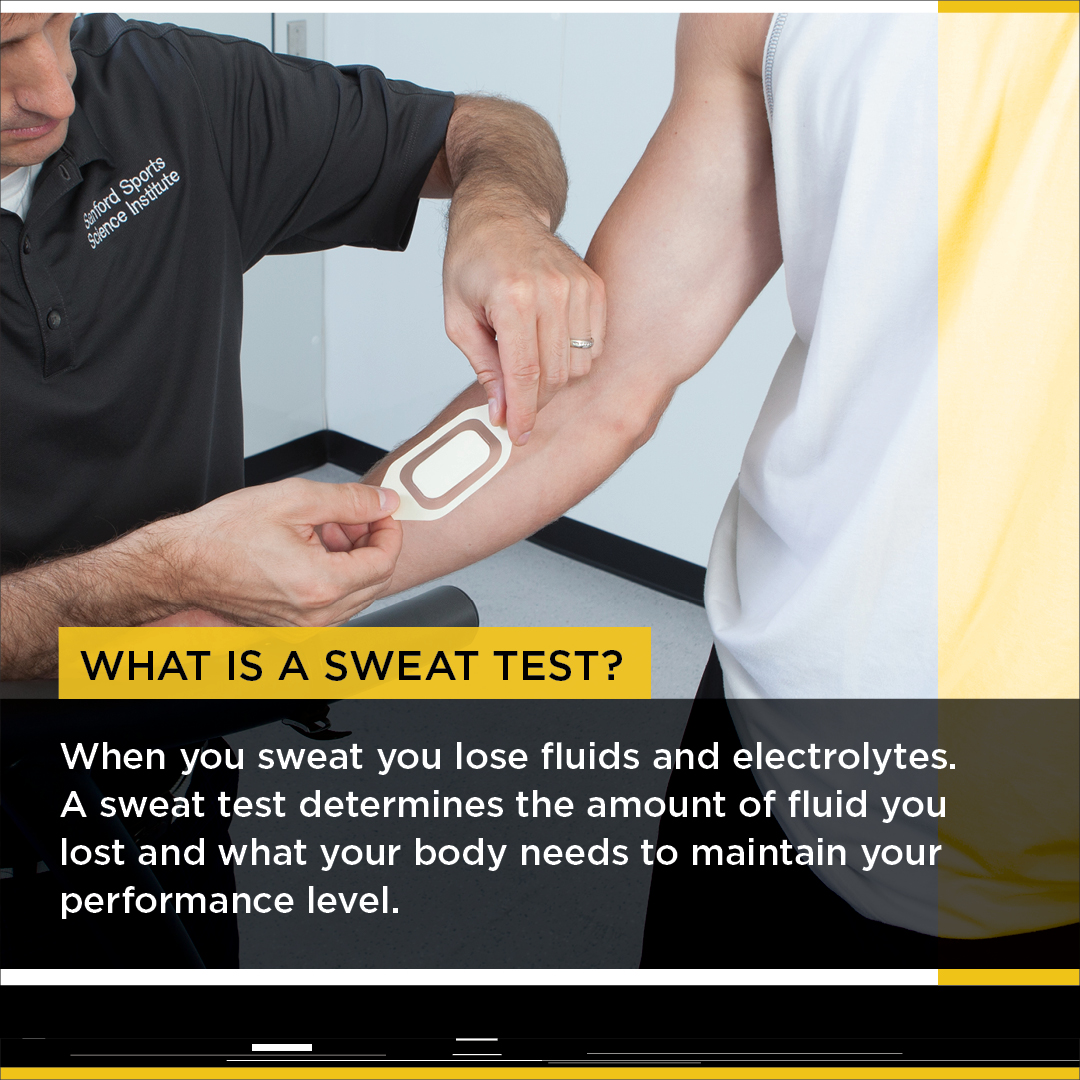
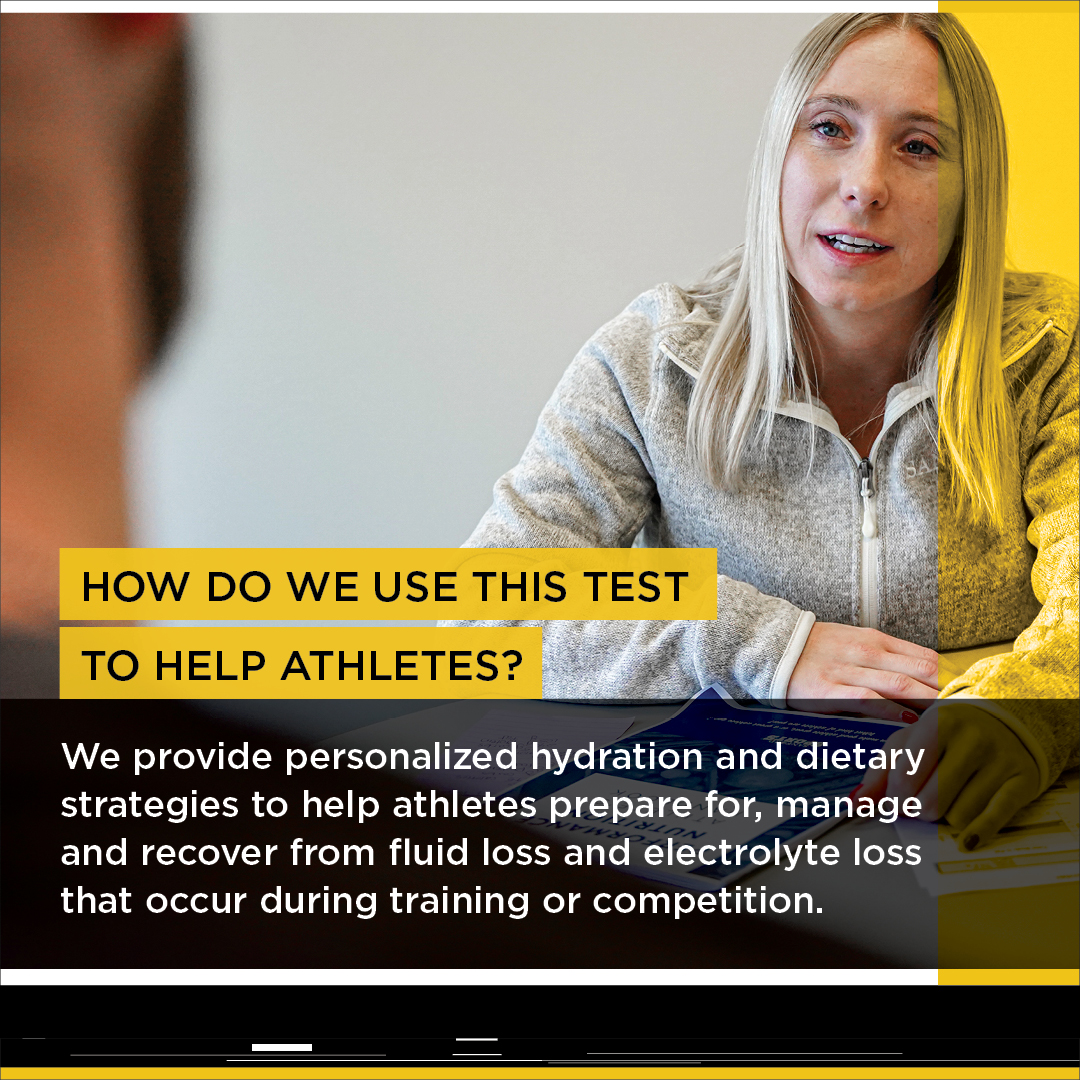
When you are in the heat of competition, you are losing fluids and electrolytes. How can you best manage and recover from those losses?
A sweat test at Sanford Sports can help you put together a personalized gameplan to help you prepare for and recover from competition.
Thought some people would appreciate this
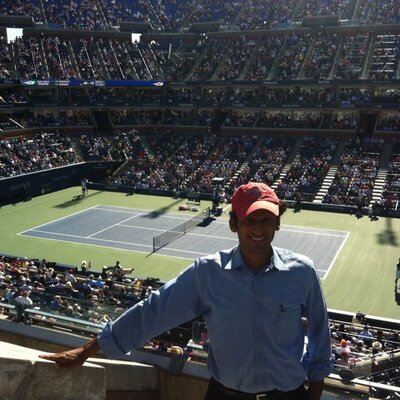
Was recently at former SDSU Sports Information Director Ron Lenz’s house
He has this picture of Frost Arena framed in his memorabilia room
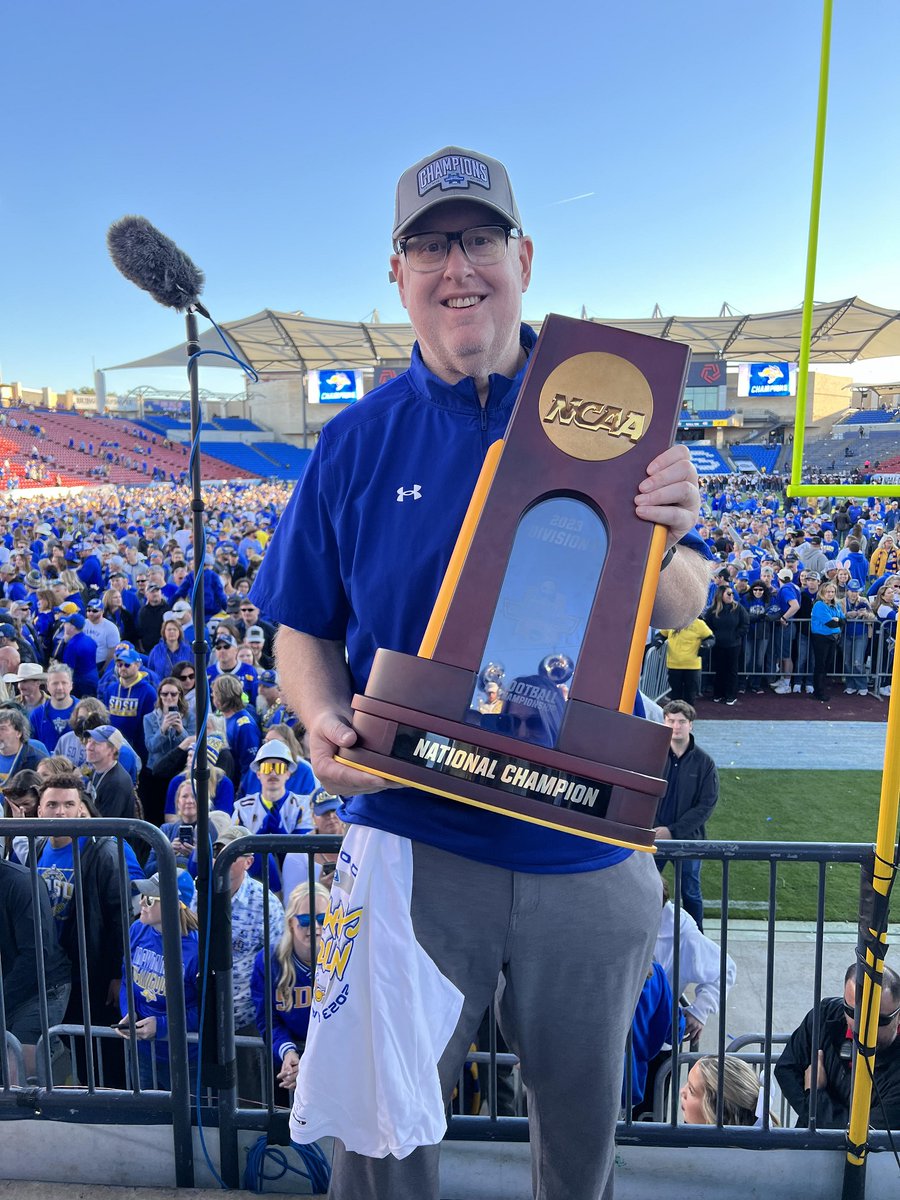
AMSSM members and team physicians Dr. @NoshirDO_ATC Amaria, Dr. David Millward and @DrVerle Valentine recently took part in the national championship celebrations with @UMichFootball and @GoJacksFB.
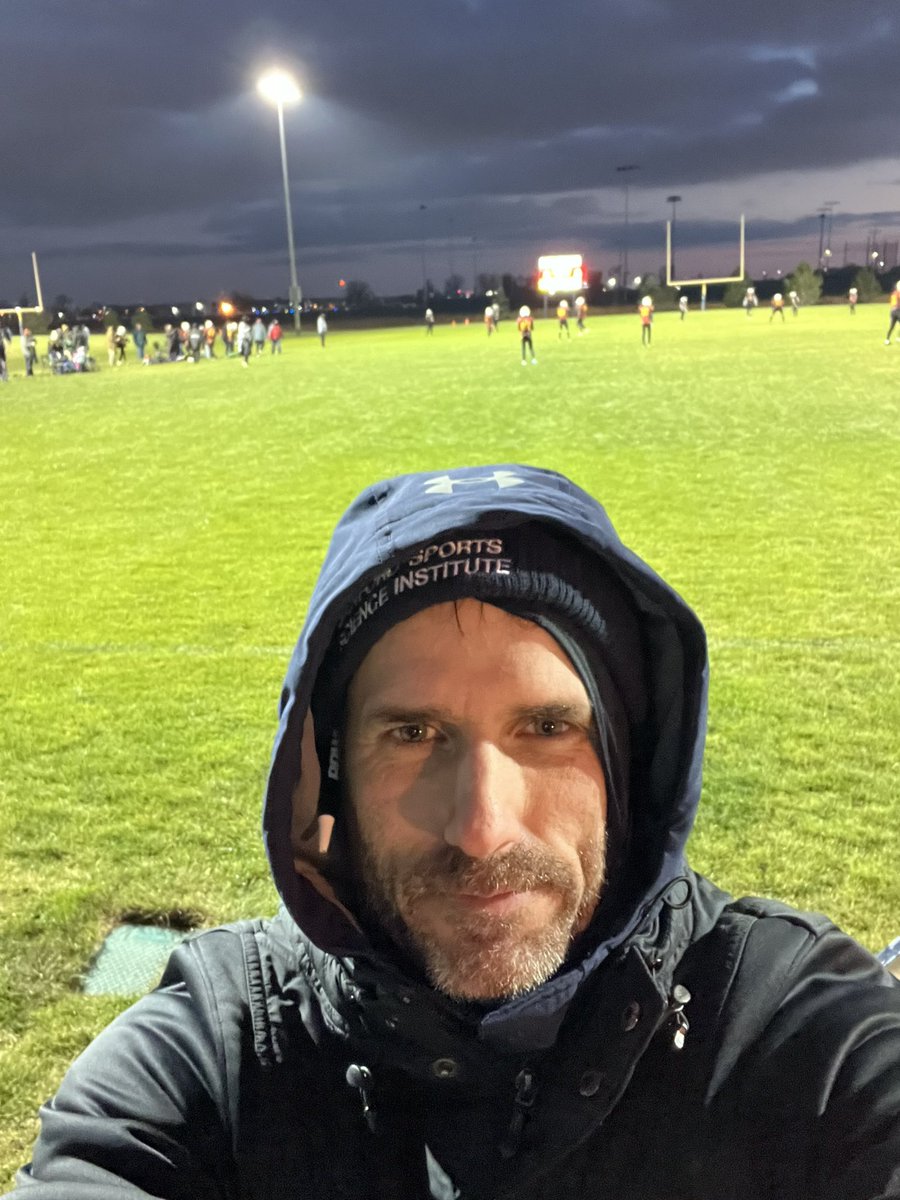
After 12 seasons (255 practices & 98 games) of collecting data (head impacts & video) tonight is my last night covering a SD Jr FB game. The weather Gods blessed me with some cold temps. 🥶
“One of the things that people don’t appreciate is around 80% to 90% of individuals with a concussion recover within 30 days, the majority so greater than 50% recover and back on the field of play within 14 days,” according to Dr. Jacob Resch.
https://t.co/L8eFcs6wrM
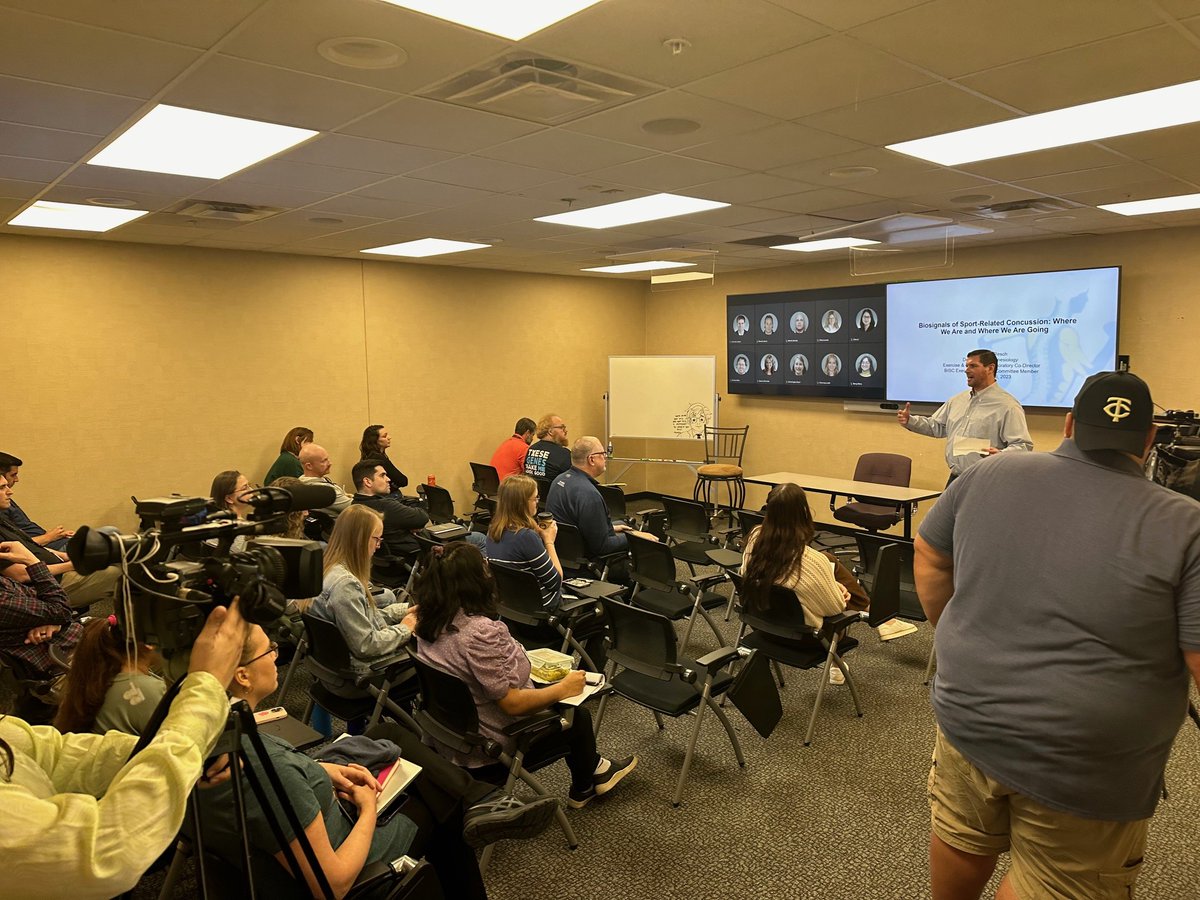
🙏Thank you @jeresch for visiting and delivering a phenomenal presentation! We were honored to have you. Your work, dedication and leadership in concussion research is making a difference!
@DrEPieroth & @CullumCM provide valuable context re: this announcement:
1. A blood test is to help identify if someone may/may not need a CT scan to detect brain bleeding
2. Diagnosis of concussion relies on a good clinical exam & assessment of symptoms
https://t.co/mobBdE1tib
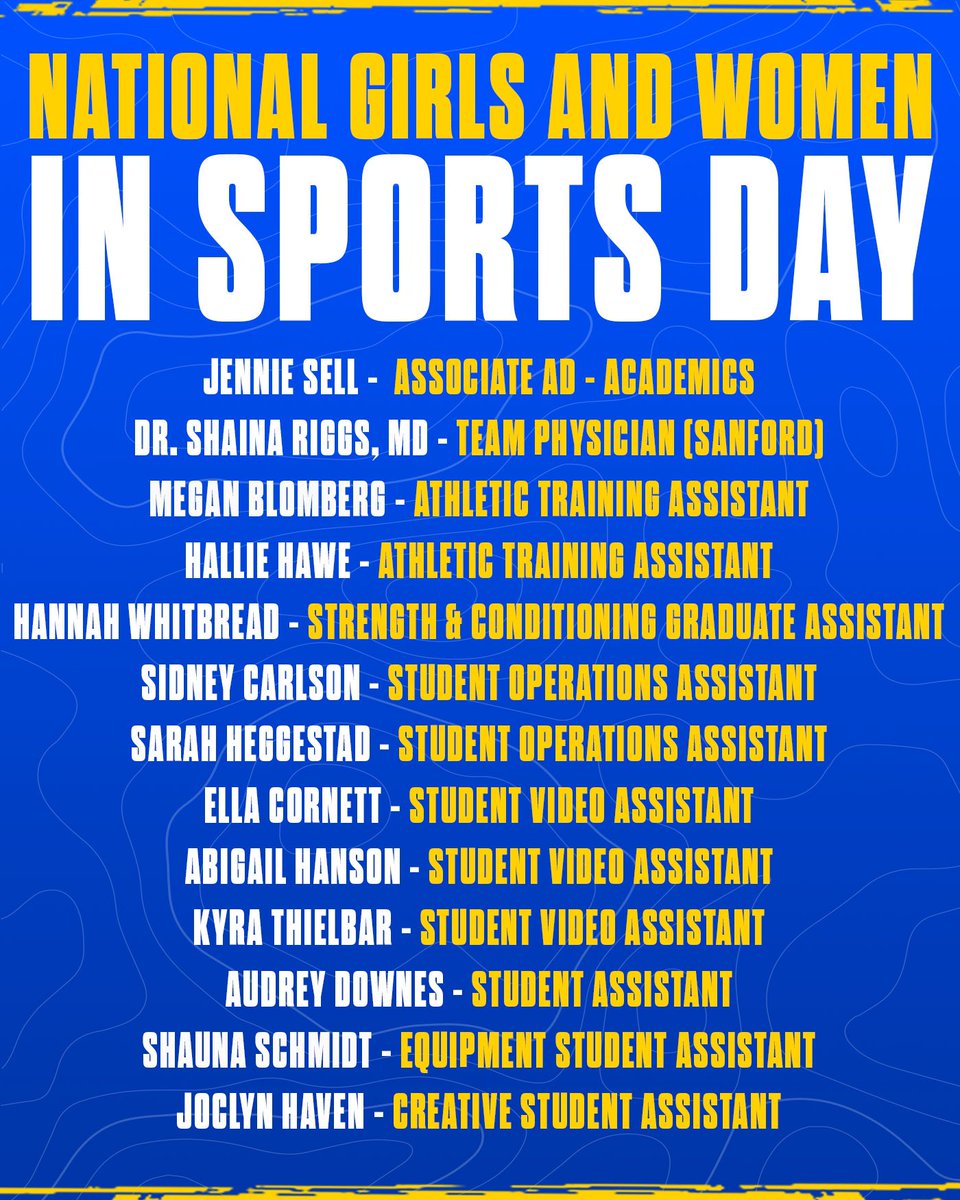
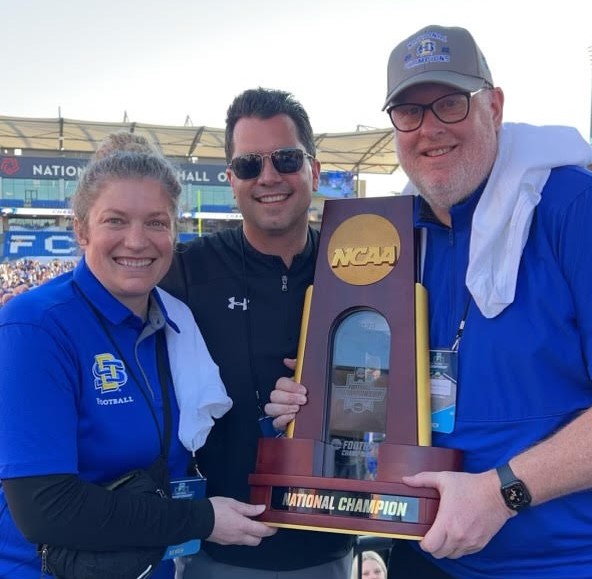
AMSSM members @DrVerle Valentine and Dr. Shaina Riggs, both team physicians for @GoJacksSDSU, took part in the celebration after the football team's FCS National Championship this past weekend.
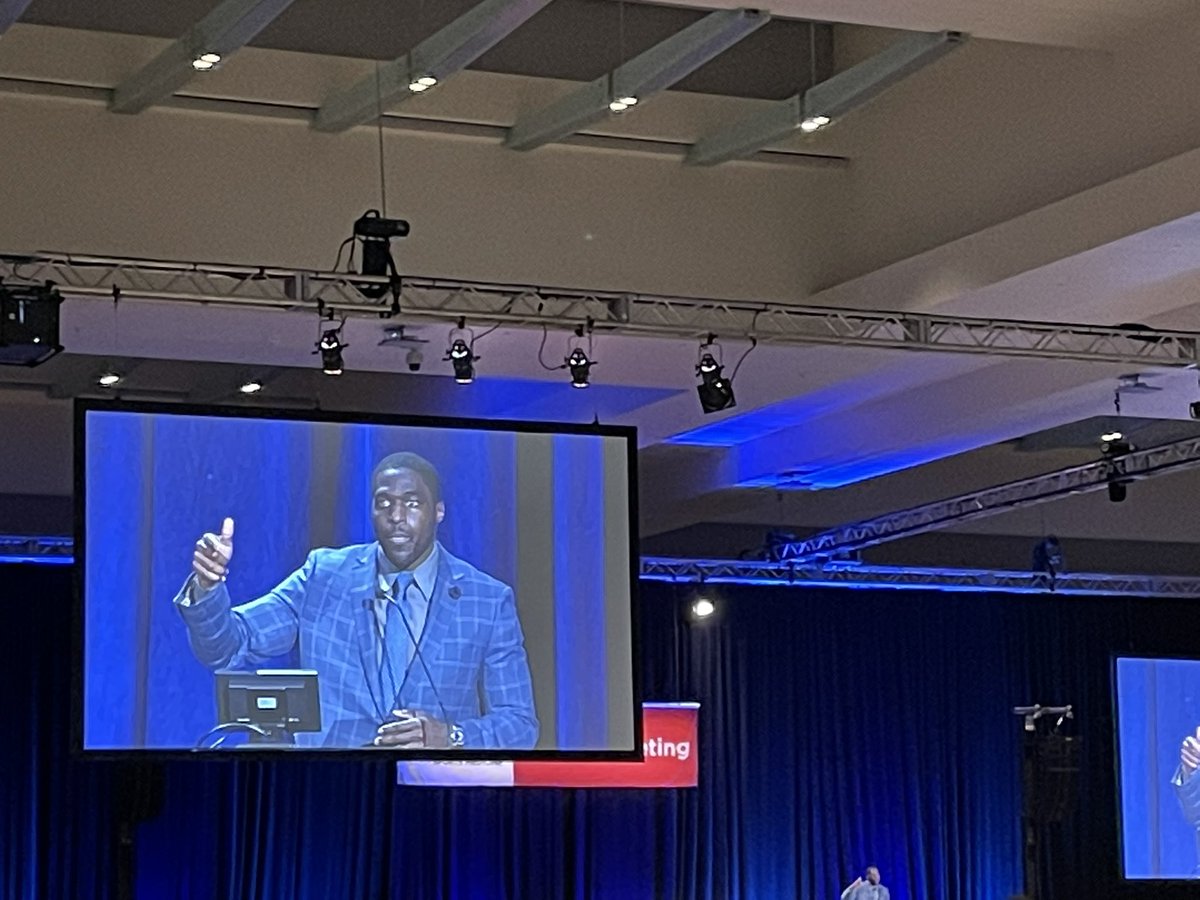
Paraphrasing @TheSamAcho at @TheAMSSM: you think you have to be in a position of power to make change, but really what you can do is listen. Great reminder of how we can all listen, then amplify and then work/act to make change. #amssm2022