Postdoctoral Research Associate @TristanLi_Lab at Washington University in Saint Louis, exploring role of microglia and border associated macrophage in aging.
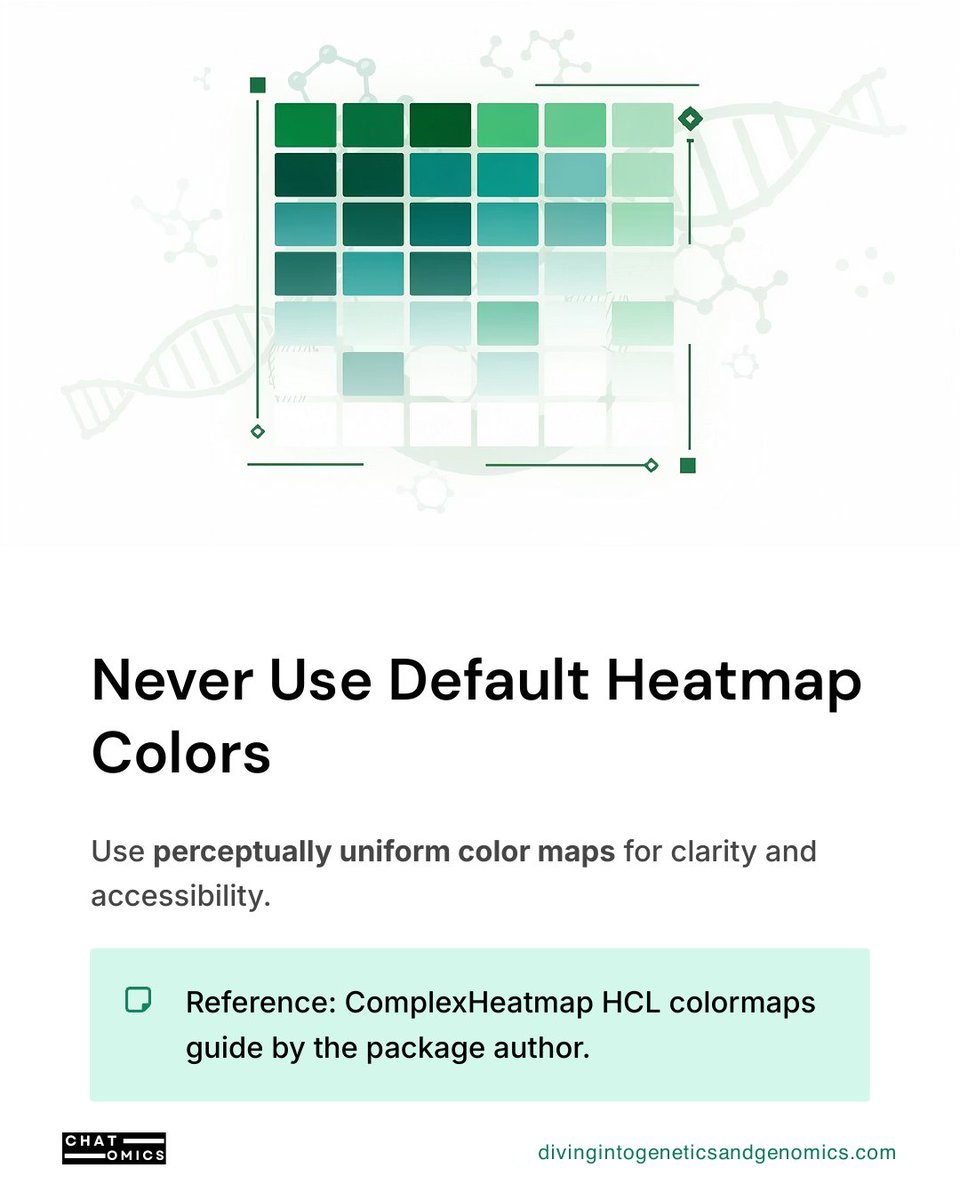
Creating a figure as a bioinformatician: 10% making the plot, 90% fonts, colors and labels.
Bigger font. Blue, not orange. Add sample names. Flip the heatmap.
Keep it in code: ggsave(), patchwork for panels, no hand edits in Illustrator. Then each round of feedback is a re-run.
Excited to be part of this outstanding resource for the Angelman syndrome. Congratulations to Kwang-Soo Kim and Jason J. Yi and the whole team on this remarkable achievement!
https://t.co/ctI30Fewo4
@tangming2005 I am analysis a rna seq data set in which 2 clusters are completely devoid of Malat1 gene. It looks like they don’t have nuclear information.
I am wondering should we keep it as they looks like true clusters with unique markers as well.
Can you comment on this please.
Thanks
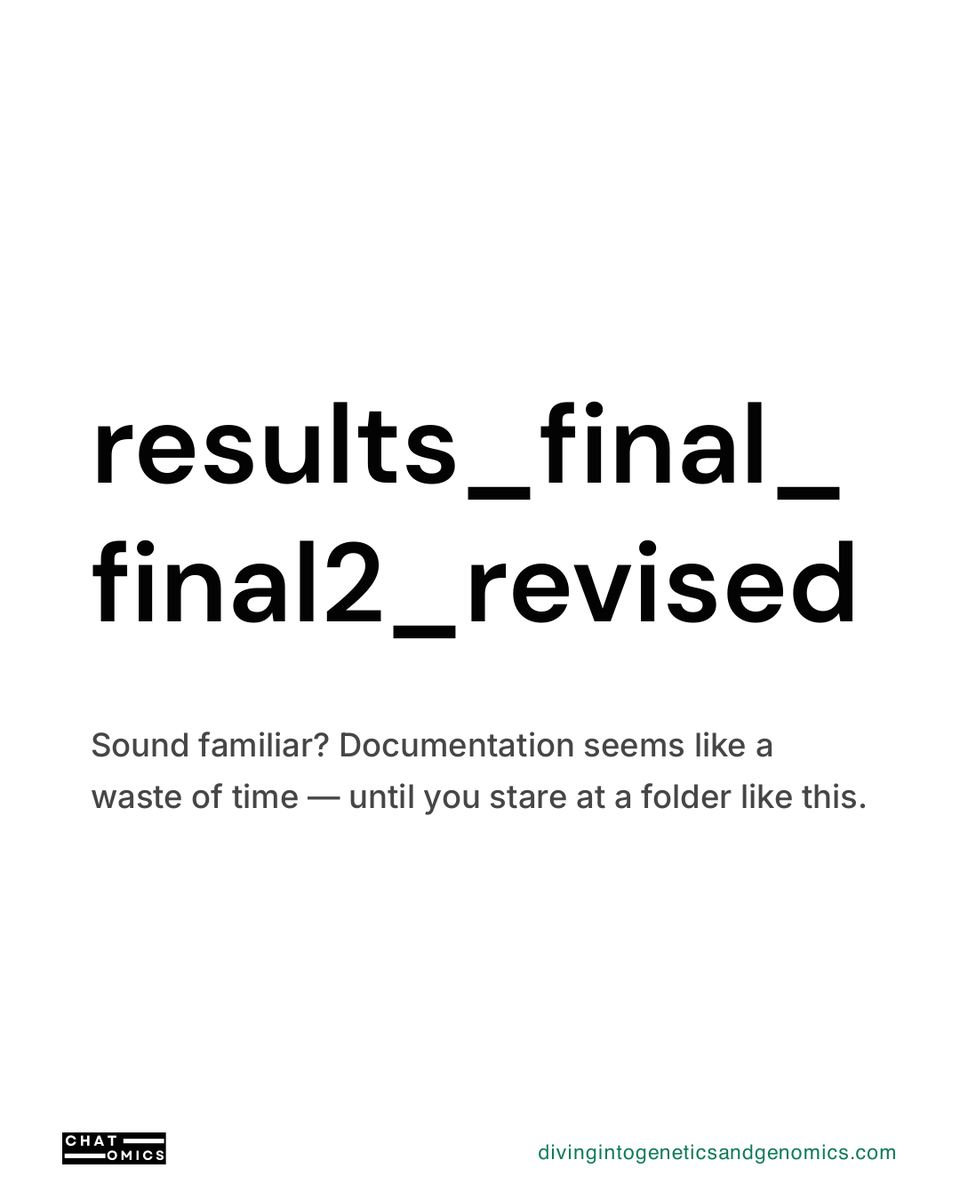
The person most likely to need your documentation is you, six months from now — staring at your own code with no idea how it works.
Documentation isn't optional.
Congratulations to Yang (Eric) Li, PhD,@YangEricLi on receiving his first NIH R35 award! His research will use AI/ML, comparative genomics and single-cell data to better understand how human-specific genetic variation contributes to disease.
Read more:
https://t.co/gZycPZAuUM
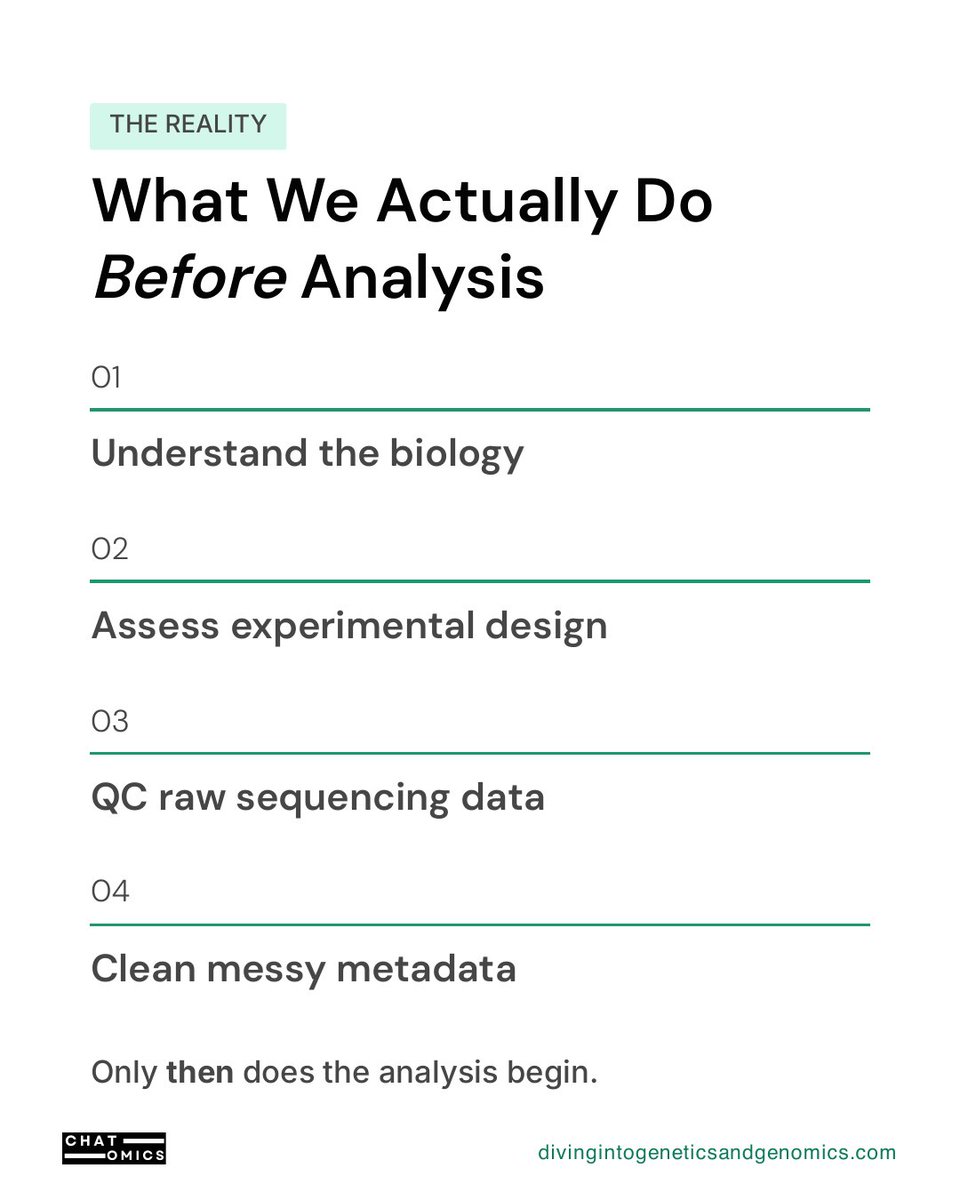
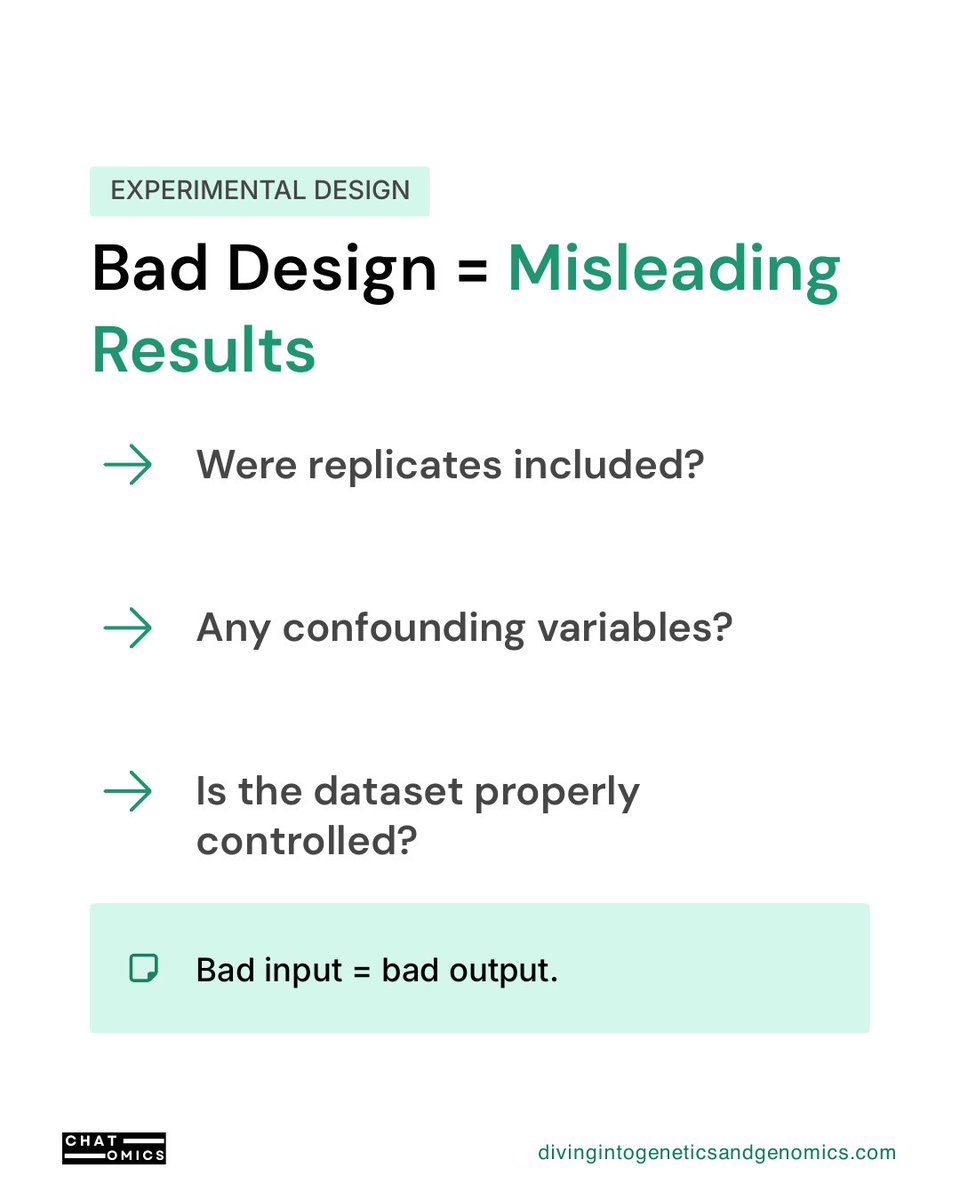
"Just run the pipeline" is how wrong results get published.
There's no push-button in bioinformatics — here's the judgment the buttons can't give you.
1 of 290 👉 https://t.co/D9hfIdcztU
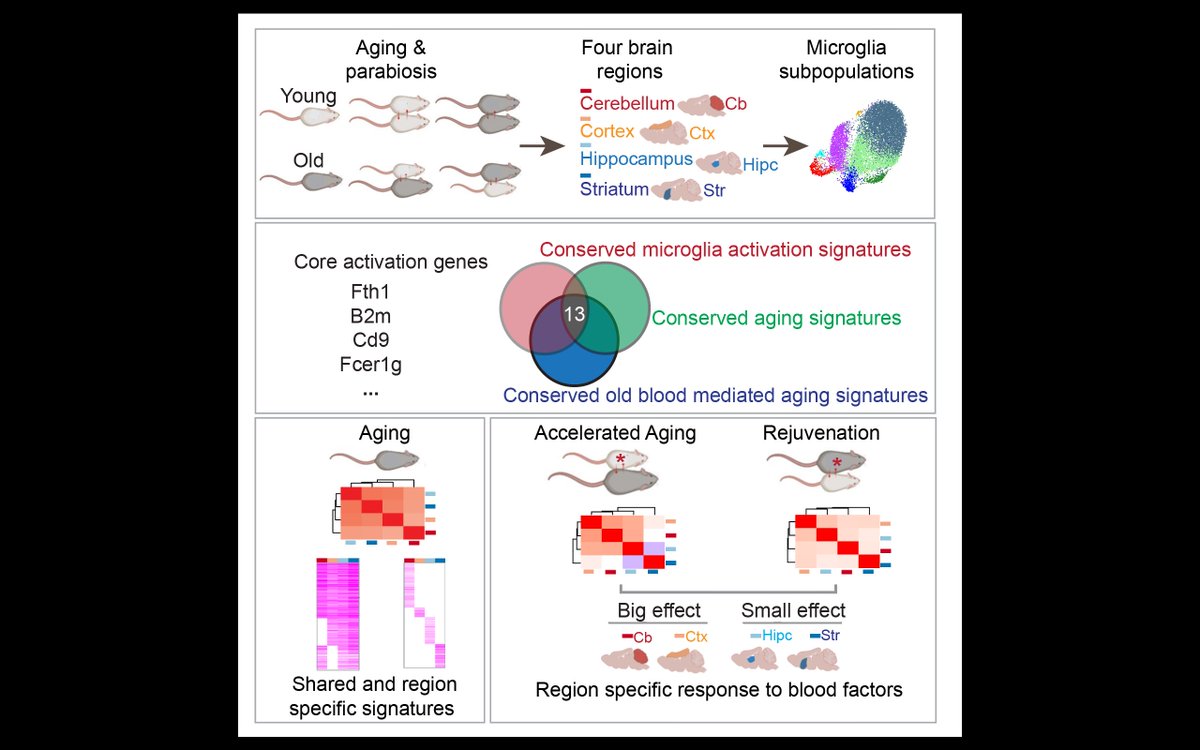
I am thrilled to share our new publication: "Core activation program and selective regional responsiveness of microglia during aging and parabiosis" https://t.co/N4mbk4Ncu9 Grateful to all collaborators, special thanks
@gzhao11@TristanLi_Lab@NannanLu3@wysscoray