Reviving strength, discipline & virtue in spiritual masculinity, honoring the women who strengthen us. Daily execution. Philosophical fire. Join the 1%.
Rumi wrote, “There is a candle in your heart, ready to be kindled. There is a void in your soul, ready to be filled. You feel it, don’t you?”
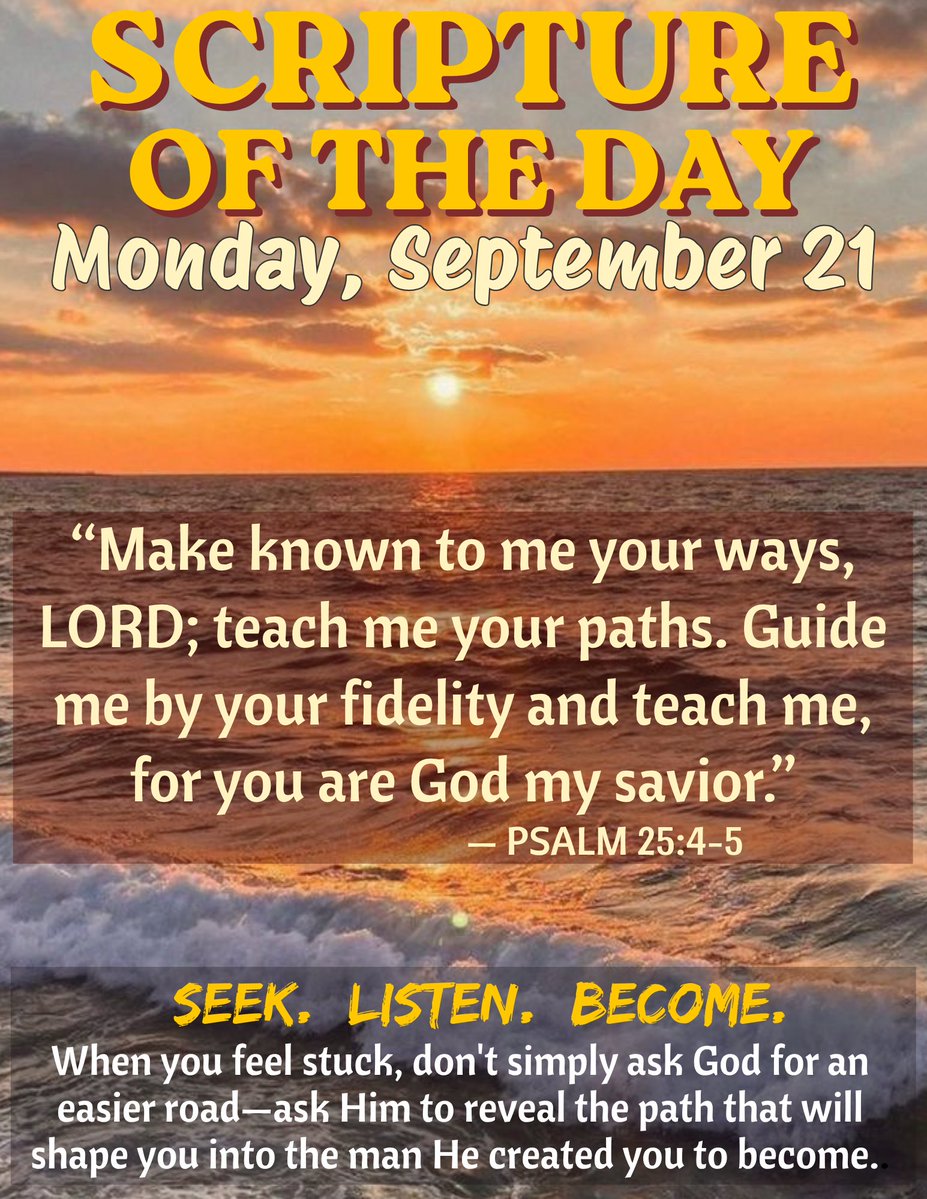
Sometimes feeling stuck isn't a sign that we've reached the end of the road. It may be an invitation to become quiet enough to ask God where the road should lead next. We spend years looking outward for answers, when some of the most important work begins by looking inward—and then upward.
Journaling can become the magnifying glass into your own life. Put the questions, fears, dreams, mistakes, gratitude, and prayers on paper. Look for the patterns. Ask what needs to change, what needs to remain, and what God may be asking you to become. Becoming the best version of yourself isn't about inventing a new man; it's about stripping away what keeps you from becoming the man God created you to be.
SUNDAY'S THOUGHTS: REENERGIZING AFTER 65
Retirement changes the rhythm of a man’s life.
For decades, we wake up with somewhere to go, problems to solve, people depending on us, and responsibilities carrying our name. Then retirement arrives, the calendar opens up, and we discover something important:
A man may retire from his career, but he should never retire from his purpose.
After 65, self-care shouldn't be about becoming less driven. It should be about redirecting our strength toward God, health, family, brotherhood, service, and the mission still ahead.
Self-care becomes stewardship.
Here are 10 ways to reenergize for the years ahead:
1. WIN THE FIRST HOUR - SEEK GOD FIRST
Before the phone, news, and noise, spend time with God. Coffee. Scripture. Prayer. Journaling. Silence.
“Seek first the kingdom of God and his righteousness.” — Matthew 6:33
Before asking what you have to accomplish today, ask:
“Lord, what can I still do for You today?”
2. MOVE EVERY DAY - STEWARD YOUR BODY
Walk. Lift. Stretch. Hike. Do push-ups. Work outside.
Don't train because you're desperately trying to look young again. Train because strength, balance, mobility, and endurance allow you to remain independent and useful to the people you love.
“Glorify God in your body.” — 1 Corinthians 6:20
Strength after 65 isn't vanity. It's stewardship.
3. GET OUTSIDE - EXPERIENCE GOD'S CREATION
Take a walk without headphones. Watch the sunrise. Look at the mountains. Feel the wind. Sit beneath the stars.
“The heavens declare the glory of God.” — Psalm 19:2
Creation has a remarkable way of reminding us how small our worries are—and how great our God is.
4. KEEP DOING HARD THINGS - EMBRACE THE TEST
Retirement from work doesn't mean retirement from challenge.
Lift something heavy. Climb the mountain. Learn something difficult. Start the project. Occasionally choose the uncomfortable path.
“The testing of your faith produces perseverance.”
- James 1:3
Comfort is pleasant.
Challenge keeps a man alive.
5. TALK WITH GOD EVERY DAY - REMAIN WITH HIM
Prayer doesn't always require a church pew.
Talk with Christ while walking, driving, exercising, sitting outside, or drinking your morning coffee.
And sometimes stop talking long enough to listen.
“Pray without ceasing.” — 1 Thessalonians 5:17
Turn ordinary moments into encounters with God.
6. SERVE SOMEBODY - MAKE YOUR WISDOM USEFUL
Mentor a younger man. Encourage a struggling leader. Help a neighbor. Volunteer. Teach your grandchildren. Call someone who's lonely.
You've spent decades learning lessons someone younger desperately needs.
“Use it to serve one another as good stewards of God's varied grace.” — 1 Peter 4:10
Don't retire your wisdom.
Give it away.
7. CREATE SOMETHING - USE WHAT GOD GAVE YOU
Paint. Draw. Write. Journal. Build. Plant. Restore.
You spent much of adulthood managing responsibilities. Perhaps this season gives you permission to rediscover the creator God placed inside you.
“Whatever you do, do from the heart, as for the Lord.” — Colossians 3:23
8. PROTECT YOUR PEACE - GUARD WHAT MATTERS
Turn off the news sometimes. Put down the phone. Stop arguing with strangers. Say no to obligations that don't deserve another hour of your life.
“Watch carefully then how you live... making the most of the opportunity.” - Ephesians 5:15–16
After 65, time becomes considerably more valuable than money.
Spend it accordingly.
9. STRENGTHEN YOUR BROTHERHOOD - DON'T WALK ALONE
Don't become the retired lone wolf.
Call your brother. Meet another man for coffee. Attend Mass together. Join a men's group. Hike together. Pray together. Tell each other the truth.
“Iron sharpens iron, and one man sharpens another.” — Proverbs 27:17
Strong men still need brothers.
10. END THE DAY WITH GRATITUDE - COUNT THE GIFTS
Before bed, identify three gifts God gave you that day.
Then ask:
What was God trying to teach me today?
“In all circumstances give thanks.” - 1 Thessalonians 5:18
Don't measure the value of a day solely by what you accomplished. Measure some days by what you noticed, learned, gave, loved, and thanked God for.
After 65, God has still given you:
A body to maintain.
A mind to sharpen.
A family to love.
Brothers to walk beside.
Wisdom to share.
Gifts to use.
Time to protect.
People to serve.
And a soul to prepare.
Retirement isn't the finish line.
It may be the first time in decades when you have enough freedom to deliberately decide what deserves the remaining years of your life.
So perhaps the daily rule becomes:
PRAY • MOVE • CREATE • SERVE • CONNECT • REST
The goal isn't desperately trying to remain young.
The goal is remaining fruitful.
“Even in old age they will still bear fruit; they will stay fresh and green.” - Psalm 92:15
Still growing.
Still serving.
Still learning.
Still loving.
Still leading.
Still bearing fruit.
And tomorrow morning, before asking, “What do I have to do today?”
Ask the question that can define this entire season of life:
“Lord, what can I still do for You today?”
Retirement Is a Transition, Not a Conclusion
“They shall bear fruit even in old age; they will stay fresh and green.” — Psalm 92:15
Retirement gives us something we spent decades wishing we had more of: time. But time without purpose can quickly become empty. After years of building careers, raising families, solving problems, and meeting responsibilities, retirement presents a different question: What will I do with everything life has taught me? Perhaps this season isn't primarily about withdrawing from work. Maybe it's about changing the kind of work we do. We have accumulated experience, skills, patience, relationships, wisdom - and probably a few scars that taught us lessons no textbook could. God can still use all of it. The paycheck may become optional, but purpose never retires.
What Giving Back After 55 Can Look Like
You don't necessarily need another career. Look for work that provides purpose, people, flexibility, and contribution. A few possibilities:Mentor someone younger. Share what decades of successes and mistakes taught you.
Work part-time in something you enjoy. Consulting, tutoring, coaching, teaching, advising, substitute teaching, customer service, recreation, or helping a small business can provide both income and connection.
Volunteer with young people. Schools, youth sports, scouting, churches, and community organizations need dependable adults who will simply show up.
Serve through your church. Help with ministries, food distribution, men's groups, retreats, outreach, maintenance, hospitality, or visiting people who are isolated.
Give away your professional knowledge. A retired educator can mentor teachers. A tradesman can teach young people a skill. A businessperson can coach an entrepreneur. Whatever your profession was, somebody is starting where you once started.
Serve your community. Food banks, hospitals, museums, libraries, animal shelters, senior programs, nonprofits, and civic organizations often need volunteers more than they need money.
Help another older adult. Sometimes giving back is remarkably ordinary—driving someone to an appointment, fixing something around their house, sharing coffee, or simply listening.
Invest in your family. Being available to grandchildren, adult children, your spouse, siblings, and aging friends is also service. Some of the most important work you'll ever do will never appear on a résumé.
And don't overlook something important: you don't have to fill every hour.
Retirement gives you the freedom to become more selective. Find the places where your abilities meet someone else's genuine need. That intersection is often where renewed purpose lives.
The Second Half Can Still Be a Season of Service
A successful retirement isn't measured solely by how much traveling, golfing, relaxing, or checking things off the bucket list we accomplish. Those things can be wonderful. But eventually we confront a deeper question: Who is better because I was here?
God didn't carry us through decades of experience merely so that all those lessons could stop with us. There are younger people who need mentors, struggling people who need encouragement, organizations that need steady hands, grandchildren who need examples, and communities that still need men and women willing to serve.
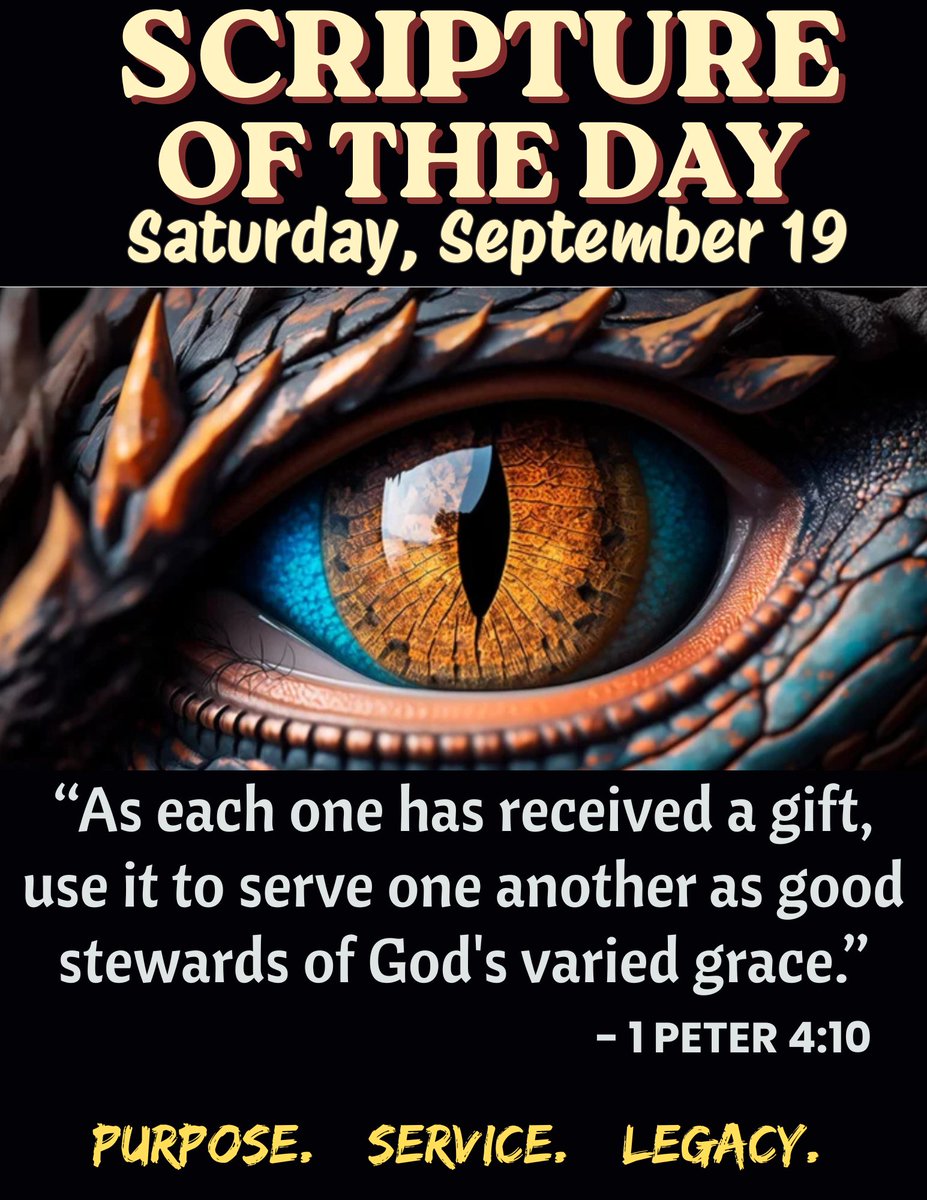
So enjoy retirement. Rest. Travel. Laugh. Spend time with the people you love. But keep something in your life that requires you to give yourself away. And when you're wondering where to begin, Scripture provides a remarkably simple direction:
“As each one has received a gift, use it to serve one another as good stewards of God's varied grace.” — 1 Peter 4:10
PURPOSE • SERVICE • LEGACY
PUSH-UPS AFTER 60: A SIMPLE MOVEMENT WITH A BIG PURPOSE
Getting older doesn't give us permission to stop getting stronger. In fact, after 60, maintaining strength becomes increasingly important—not because we're trying to look 25 again, but because we want to remain capable, independent, energetic, and engaged in life. Push-ups are one of the simplest exercises available: no gym membership, no complicated equipment, and no elaborate routine. Just your body, gravity, and the willingness to keep showing up.
The goal isn't to prove how many push-ups you can do. The goal is to become the kind of person who still chooses health when taking it easy would be much simpler.
Why Push-Ups Matter More as We Age
Strength protects independence. Push-ups strengthen the chest, shoulders, arms, and core while requiring several parts of the body to work together. Maintaining muscular strength as we age supports everyday abilities—getting up, carrying groceries, working around the house, traveling, playing with grandchildren, and continuing to do the things we enjoy.
They can meet you where you are. You don't have to start on the floor. After 60, wisdom beats ego. Begin with wall push-ups, progress to a countertop or sturdy elevated surface, then perhaps knee or traditional push-ups as strength improves. The victory isn't performing the hardest version; it's progressing safely from yesterday's version of yourself.
Consistency beats intensity. Ten controlled push-ups done regularly may accomplish far more than an ambitious workout attempted twice and abandoned. Start with a manageable number, emphasize good form, allow recovery, and gradually add repetitions or a more challenging variation. Sharp pain—particularly in the shoulder, wrist, elbow, or chest—is a reason to stop rather than "push through."
Push-ups train more than muscle. There is something psychologically powerful about lowering yourself toward the ground and pushing yourself back up. It becomes a small daily reminder: I can still do hard things. Each repetition practices discipline, perseverance, and personal responsibility.
Strength is only one piece of longevity. Push-ups aren't a magic longevity exercise. Pair resistance training with walking or other aerobic activity, balance and mobility work, adequate sleep, nutritious food, hydration, relationships, purpose, and regular medical care. The real objective isn't merely adding years to life—it is preserving enough health to put life into those years.
The Over-60 Mindset
At this stage, stop comparing yourself with the younger person beside you—or even with the person you were 30 years ago.
The better questions are:
Can I become stronger than I am today?
Can I move better next year than I do now?
Can I protect my independence?
Can I build habits that give me a better chance of being active at 70, 80, and beyond?
For both men and women, the answer can often begin with something remarkably uncomplicated:
Get down. Push yourself up. Repeat.
Then come back and do it again another day.
Conclusion: Steward What You've Been Given
Our bodies inevitably change with age, but aging and surrender are not the same thing. We cannot control how many years God gives us. We can influence how faithfully we care for the body, strength, time, and opportunities we've been given.
Exercise after 60 doesn't have to be punishment for getting older. It can become an act of gratitude—caring for the body that continues carrying us through this life.
“Do you not know that your body is a temple of the Holy Spirit within you…? Therefore glorify God in your body.” — 1 Corinthians 6:19–20
STRENGTH • STEWARDSHIP • GRATITUDE
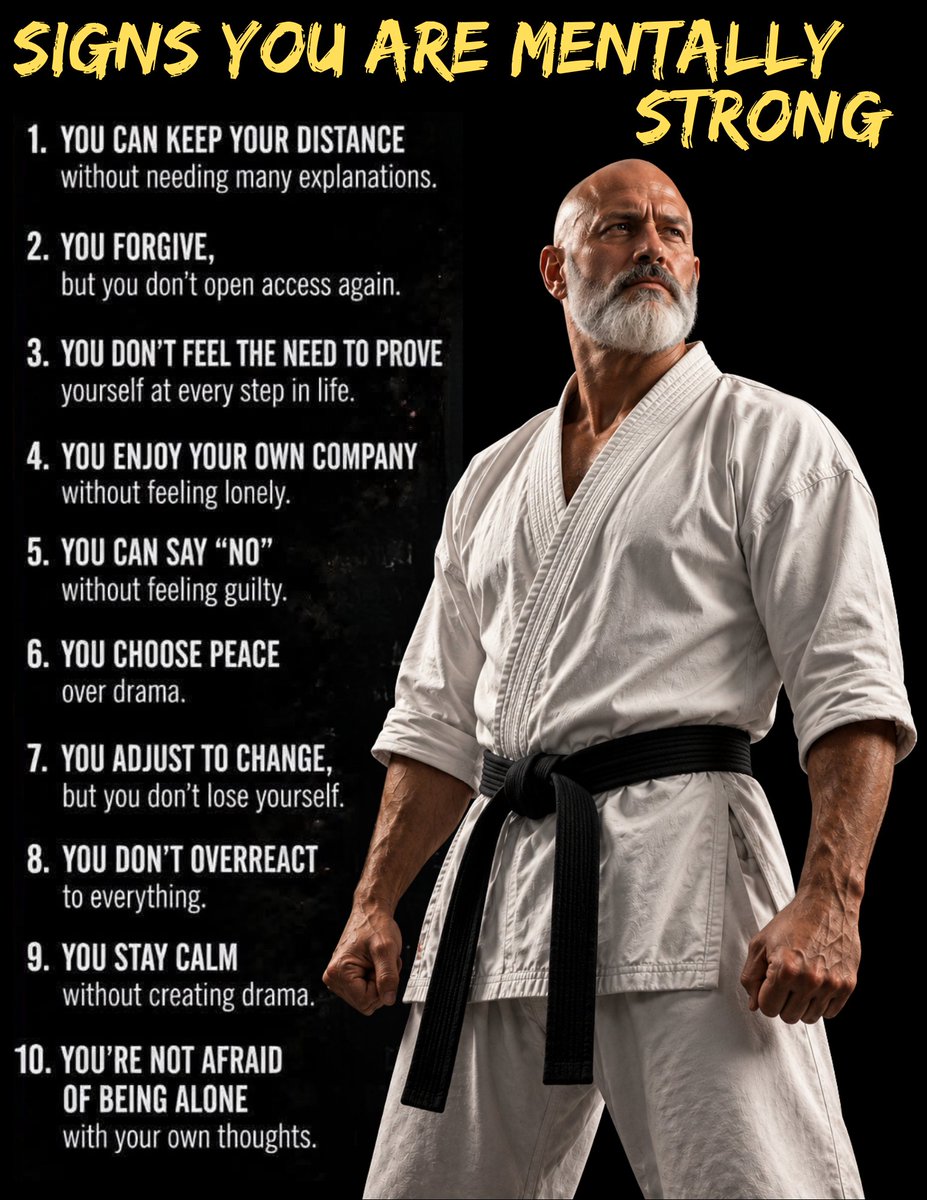
Signs You Are Mentally Strong
Mental strength isn't about becoming cold, emotionless, or unaffected by life. From the perspective of masculine spirituality, real strength is learning to govern yourself—your thoughts, emotions, reactions, words, and desires—while allowing God to shape the man you are becoming. A strong man doesn't need to control everything around him; he learns to control himself and entrust the rest to God.
1. You can keep your distance without needing explanations.
Wisdom teaches you that not every relationship deserves unlimited access to your life. Sometimes strength means quietly creating boundaries without anger, revenge, or drama.
2. You forgive, but you don't repeat the same cycle.
Christian forgiveness doesn't require foolishness. Forgive without carrying bitterness, but learn the lesson and use discernment about whom you trust.
3. You don't feel the need to prove yourself at every turn.
When your identity is grounded in God, applause becomes less important. Quiet confidence doesn't need an audience.
4. You enjoy your own company without feeling lonely.
Solitude can become sacred ground. A spiritually grounded man learns to sit quietly, pray, reflect, journal, think, and become comfortable with the man God sees when nobody else is around.
5. You can say “no” without feeling guilty.
Every yes costs you something. Masculine maturity means protecting your time, priorities, marriage, family, faith, and mission—even when that requires a firm no.
6. You choose peace over chaos.
Not every argument deserves your participation. Sometimes the strongest move is refusing to surrender your peace to someone else's disorder.
7. You adjust to change rather than resist it.
Life changes. Careers end. Children grow up. Bodies age. Seasons close. Faith reminds us that while circumstances change, God remains constant.
8. You don't overreact to everything.
The disciplined man creates space between what happens and what he does next. Feel the emotion, examine it, pray about it—and then choose your response.
9. You stay calm without creating drama.
Calmness is not weakness; it is strength under command. The spiritually mature man doesn't need to raise the temperature of every room he enters.
10. You're not afraid of being alone with your own thoughts.
Silence reveals things noise can hide. Spend enough time with God and yourself that you aren't constantly looking for distraction from what is happening inside you.
Conclusion - Strength Under God's Authority
Mental strength isn't measured by how intimidating a man appears. It is revealed by self-control, forgiveness, boundaries, humility, courage, discernment, and peace. The goal of masculine spirituality isn't simply becoming a tougher man - it is becoming a man strong enough to surrender his strength to God.
“For God did not give us a spirit of cowardice but rather of power and love and self-control.” — 2 Timothy 1:7
FAITH • DISCIPLINE • SELF-CONTROL
10 WAYS TO TURN YOUR LIFE AROUND
A Spiritual Masculinity & Dragon Warrior Code for the Second Half of Life
1. PROTECT YOUR MOBILITY FIRST
Your body is not merely something to look good—it is the vessel God gave you to serve, protect, work, lead, and remain independent. The Dragon Warrior trains because weakness eventually limits his ability to fulfill his responsibilities. Strength train three times a week, walk daily, protect your joints, and make mobility non-negotiable.
DRAGON CODE: STRENGTH • MOVEMENT • STEWARDSHIP
2. CUT TOXIC OBLIGATIONS
Maturity means realizing that saying yes to everything isn't kindness—sometimes it's cowardice disguised as generosity. Guard your energy for God, family, purpose, health, and the people you're actually called to serve. Learn to give a respectful, guilt-free "No" without writing a five-paragraph defense brief.
DRAGON CODE: BOUNDARIES • COURAGE • PRIORITY
3. SHIFT FROM ACCUMULATION TO FREEDOM
Eventually you realize you don't need another room full of possessions—you need fewer chains around your life. Declutter your house, finances, calendar, commitments, and even your mind so you have room for experiences, relationships, service, and adventure. Own what serves you; release what owns you.
DRAGON CODE: SIMPLICITY • FREEDOM • DETACHMENT
4. BUILD A DEEP FINANCIAL BUFFER
Money should become a tool for freedom rather than a scoreboard for status. Eliminate destructive debt, build substantial emergency savings, invest wisely, and stop buying things simply to impress people. A spiritually grounded man seeks enough financial strength to provide, give generously, help his family, and walk away when integrity demands it.
DRAGON CODE: PROVIDE • PREPARE • GIVE
5. KEEP LEARNING UNTIL YOUR LAST DAY
A man grows old faster when he decides there's nothing left for him to learn. Read, write, journal, study Scripture, learn technology, develop a new skill, talk with younger people, and deliberately do things that make you a beginner again. Your goal should be simple: go to bed every night knowing at least one thing you didn't know that morning.
DRAGON CODE: CURIOSITY • WISDOM • GROWTH
6. FORGIVE EARLY AND RELEASE REGRET
You cannot climb the next mountain while dragging every injury, betrayal, mistake, and resentment behind you. Forgiveness doesn't declare that what happened was acceptable—it declares that the past no longer gets to control your future. Take the lesson, make amends where necessary, give the rest to God, and keep moving.
DRAGON CODE: FORGIVE • RELEASE • RISE
7. TREAT TIME AS SACRED AND NON-RENEWABLE
At 45, 55, or 65, money can still be earned—but yesterday cannot. Put your wife, children, grandchildren, health, prayer, adventures, friendships, and meaningful work on the calendar before lesser things steal the space. Memento mori isn't about fearing death; it's about finally understanding the extraordinary value of today.
DRAGON CODE: TIME • PRESENCE • PURPOSE
8. PUT GOD BACK AT THE CENTER
Spiritual masculinity begins with understanding that you are not the highest authority in your life. Pray before making major decisions, read Scripture daily, worship faithfully, confess when you're wrong, and ask God what He wants you to do with the years you've been given. The strongest man isn't the man who needs nobody—it's the man strong enough to kneel before God.
"But seek first the kingdom of God and his righteousness, and all these things will be given you besides." — Matthew 6:33
DRAGON CODE: FAITH • SURRENDER • OBEDIENCE
9. CHOOSE HARD THINGS ON PURPOSE
Comfort quietly convinces men to stop climbing. Fight back by deliberately doing difficult things: lift the weight, climb the mountain, have the uncomfortable conversation, wake up early, take the trip, start the project, learn the skill, and finish what you begin. The Dragon Warrior doesn't pray for an easier road; he asks God for the strength and wisdom to walk the road well.
DRAGON CODE: DISCIPLINE • COURAGE • ENDURANCE
10. DECIDE WHO YOU WILL BECOME—THEN LIVE LIKE HIM NOW
Stop spending the second half of life trying to recreate the first. Ask instead: What kind of husband, father, grandfather, friend, leader, Christian, and man do I want to be when my journey is nearly finished? Write that man's standards down—and start practicing them today, because character isn't built at the finish line.
DRAGON CODE: IDENTITY • LEGACY • ACTION
Closing thought
You don't turn your life around with one dramatic decision. You do it through hundreds of small acts of faith, discipline, courage, and obedience repeated until they become your character.There is still another mountain ahead. Thank God for that.Don't spend the years you have left watching the clock.Strengthen your body. Sharpen your mind. Love your family. Serve others. Walk with God. Face the dragon. Climb the mountain.
"Be on your guard; stand firm in the faith; be courageous; be strong. Your every act should be done with love." — 1 Corinthians 16:13–14
FAITH • STRENGTH • PURPOSE
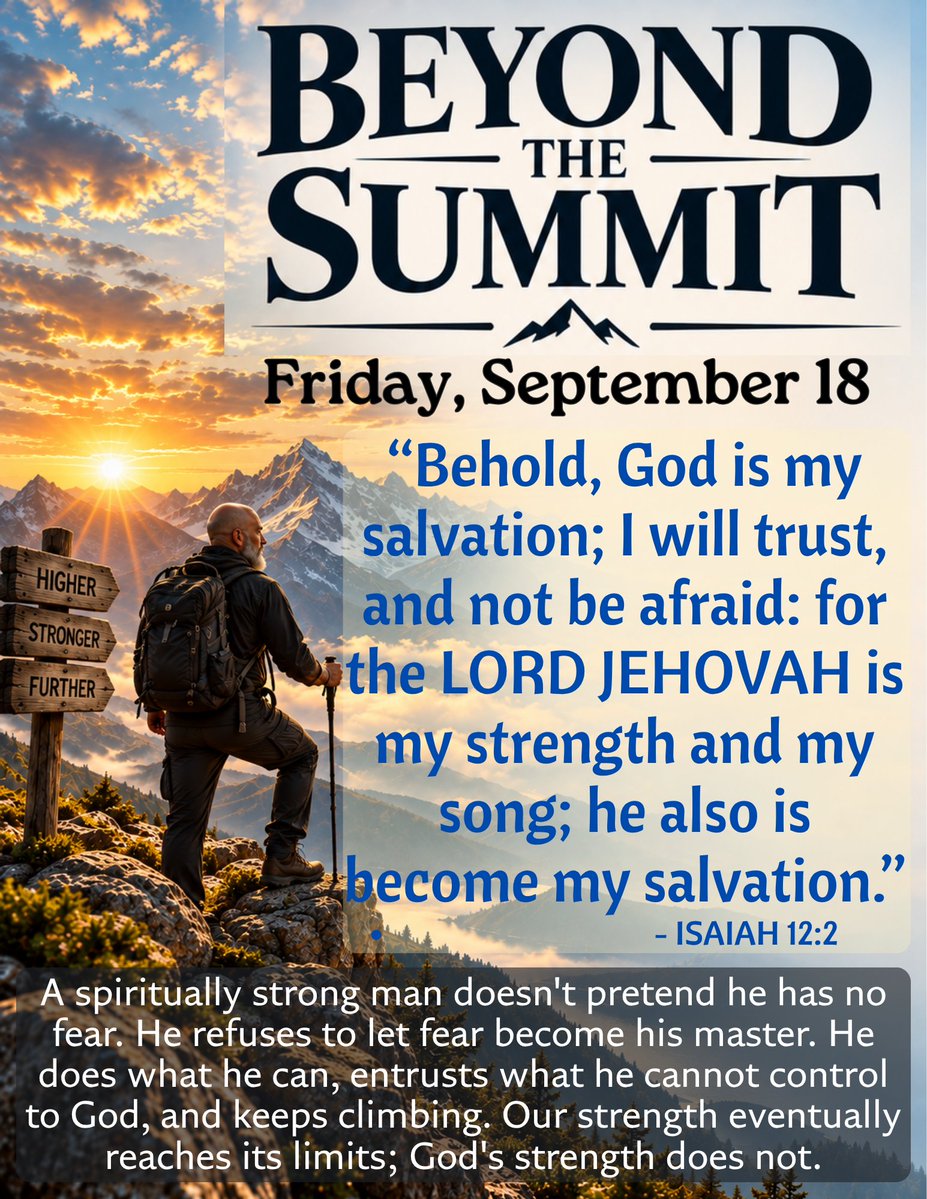
There comes a point in every man's journey when strength alone is no longer enough. We climb mountains, carry responsibilities, protect our families, endure setbacks, and fight battles most people will never see—but spiritual masculinity teaches us that our ultimate strength does not come from ourselves. It comes from God. Isaiah reminds us that courage isn't the absence of fear; it is choosing trust when fear tells us to retreat.
Beyond the Summit means continuing forward knowing that whatever waits on the other side, God is already there.
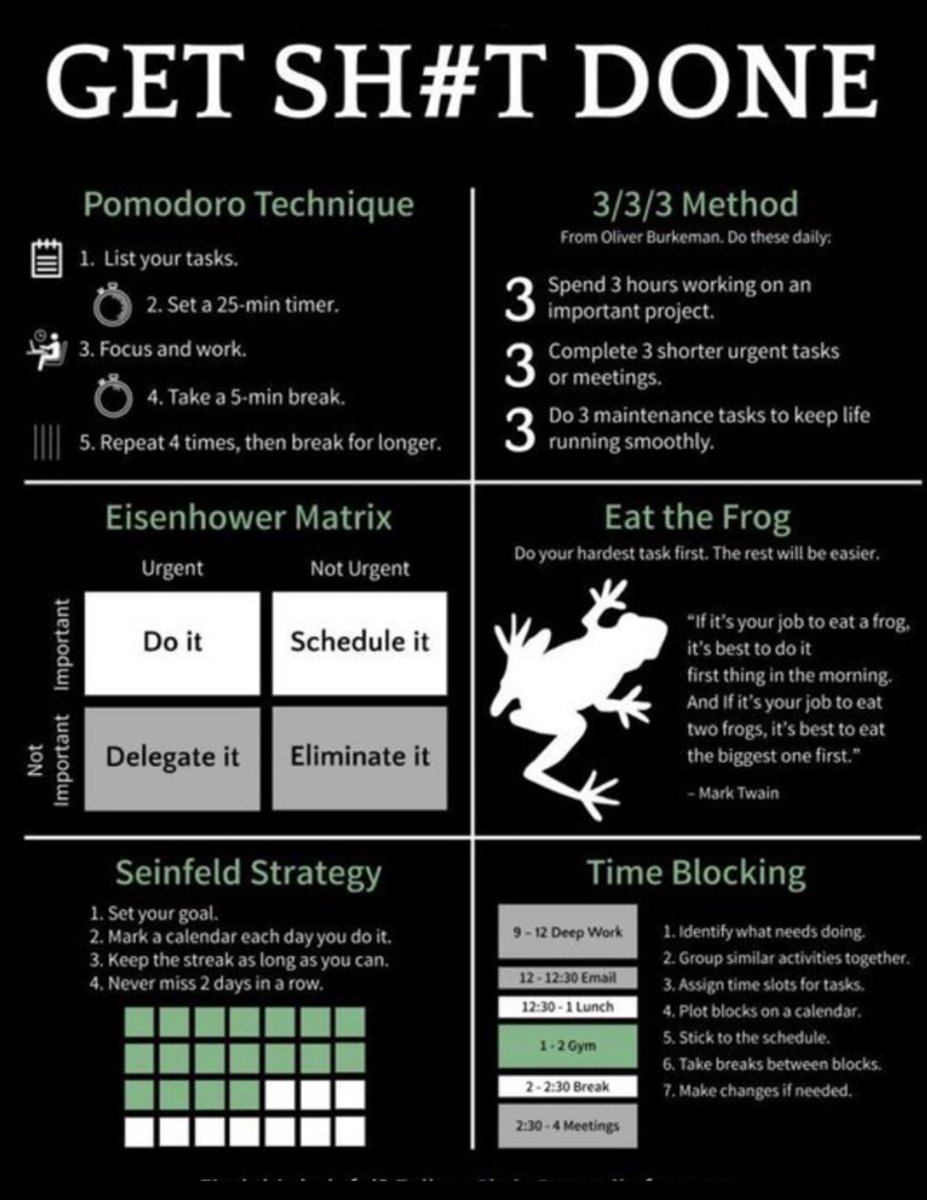
Getting things done isn’t about being busy from sunrise to sunset - it’s about controlling your time, protecting your focus, and executing what actually matters. Whether you use Pomodoro, time blocking, the Eisenhower Matrix, or simply eat the damn frog, the principle is the same: stop waiting to feel motivated, choose the priority, eliminate the distractions, and do the work. Discipline turns intention into action - and action is where results begin.
IS CATHOLICISM DIFFERENT FROM CHRISTIANITY?
To understand the History, the Differences, and what It means for a Man of Faith you must start with the most important Answer.
“Is Catholicism different from Christianity?” - contains a common misconception. Catholicism is not separate from Christianity. Catholicism is a Christian tradition.
My graphic states near the bottom:
“Not all Christians are Catholic, but all Catholics are Christians.”
That is the clearest way to begin this discussion.
Catholics, Eastern Orthodox Christians, and the many Protestant traditions have important theological differences, but they share their historical origin in Jesus Christ and the early Christian community. They also share foundational Christian beliefs, including faith in Jesus Christ, baptism, Sacred Scripture, and belief in the Trinity.
For a man pursuing spiritual masculinity, that history carries an important lesson: before Christianity became an institution, a denomination, a building, or a label, Christ called men and women to follow Him.
And following Him required something of them.
FAITH • COURAGE • SACRIFICE
1. Christianity Begins With Jesus Christ
The graphic begins its timeline around A.D. 30-33, with Jesus and the Apostles.
Catholicism understands Jesus as establishing His Church and giving the Apostles authority to continue His mission. The graphic particularly highlights Christ's words to Peter:
“You are Peter, and upon this rock I will build my church.” - Matthew 16:18
This passage is especially significant in Catholic teaching because Catholics understand Peter as having a distinctive leadership role among the Apostles, with that ministry continuing through the papacy.
Other Christians interpret the passage and the nature of Peter's authority differently.
The Masculine Spiritual Lesson
Jesus didn't call the Apostles merely to believe something.
He called them to follow Him.
That distinction matters.
Christian masculinity isn't demonstrated by putting a Bible verse in your social-media profile. It is demonstrated by whether Christ changes how you lead, work, speak, forgive, sacrifice, serve, protect, love your family, and treat other people.
A man of faith should continually ask:
“If I claim to follow Christ, where is the evidence in the way I live?”
FOLLOW • SERVE • LEAD
2. The Apostolic Church
The graphic next describes the early Christian community from approximately A.D. 33–100.
It emphasizes that the Apostles preached, baptized, celebrated the Eucharist, prayed together, and established communities of believers.
This is important because Christianity wasn't intended to be merely a private spiritual philosophy.
It was communal.
Christ gathered disciples.
The Apostles formed communities.
Christians worshipped together.
The Masculine Spiritual Lesson
There is a strong parallel here with something men sometimes struggle to accept:
The lone-wolf approach to faith doesn't fit very well with the New Testament.
Men need brothers.
Men need other men who challenge them, pray with them, correct them, encourage them, and hold them accountable.
Isolation can make us comfortable with our own excuses. Brotherhood forces us to confront them.
Scripture puts it simply:
“As iron sharpens iron, so one person sharpens another.” — Proverbs 27:17
A spiritually strong man doesn't have to fight every battle alone.
BROTHERHOOD • ACCOUNTABILITY • STRENGTH
3. When Does “Catholic” Enter the Story?
Your graphic identifies A.D. 107and St. Ignatius of Antioch's use of the term “Catholic Church.”
The word catholic means universal.
This is an important point because Catholicism did not begin during the Protestant Reformation. The term describing the “Catholic Church” appears very early in Christian history.
At the same time, the complete institutional structures and theological formulations familiar to Catholics today developed across centuries.
That nuance is worth keeping because church history is considerably more complicated than a single infographic can show.
The Masculine Spiritual Lesson
There is something valuable about knowing where you came from.
Modern culture encourages us to believe that anything old is outdated and anything new represents progress.
A spiritually mature man isn't trapped in the past, but neither does he casually discard the wisdom handed down to him.
He asks: What did the men before me learn that I don't need to learn again the hard way?
Tradition can become a teacher.
TRADITION • WISDOM • LEGACY
4. What Makes Catholic Christianity Distinct?
This is really the heart of my graphic.
It identifies several beliefs and practices that distinguish Catholicism from many other Christian traditions:
Apostolic Succession • The Papacy • Seven Sacraments • Sacred Scripture and Sacred Tradition • The Real Presence of Christ in the Eucharist
These aren't minor cultural preferences. They represent substantial theological differences.
For example, Catholics understand bishops as successors of the Apostles and the Bishop of Rome—the Pope—as successor to Peter in a unique pastoral office.
Catholics recognize seven sacraments: Baptism, Confirmation, Eucharist, Reconciliation, Anointing of the Sick, Holy Orders, and Matrimony.
Catholicism also teaches that Christian revelation is handed on through Sacred Scripture and Sacred Tradition, interpreted within the Church's teaching authority.
And Catholic teaching holds that in the Eucharist, Christ is truly present, not merely symbolically remembered.
Different Protestant traditions understand authority, ministry, sacraments, and Communion differently.
The Masculine Spiritual Lesson
All of this points toward something increasingly countercultural:
Commitment.
Catholicism asks a man to submit himself to something greater than his individual preferences.
That is difficult.
Modern culture often says:
“I decide my own truth.”
Christian discipleship says:
“Teach me Your truth.”
Masculine spirituality requires the humility to admit that strength doesn't mean making yourself the highest authority in your life.
Sometimes strength means obedience.
TRUTH • OBEDIENCE • COMMITMENT
5. The Great Schism — Christianity Divides East and West
My graphic identifies A.D. 1054with the Great Schism between the Eastern and Western Churches.
The actual separation developed over a long period and involved disagreements over authority, theology, language, culture, and church governance.
What eventually emerged were the traditions we commonly identify as the Roman Catholic Church in the West and Eastern Orthodox Churches in the East.
Both retained ancient liturgical traditions, bishops, sacraments, and claims of apostolic continuity.
The Masculine Spiritual Lesson
Division teaches us something uncomfortable:
Being right and being reconciled are not always the same project.
Truth matters. Conviction matters.
But pride can enter even religious disagreements.
A strong Christian man should be capable of defending his convictions without hatred for the person who disagrees with him.
Strength and charity must coexist.
CONVICTION • HUMILITY • CHARITY
6. The Protestant Reformation
The graphic then moves to the 16th century, when reform movements in Western Christianity led to the development of numerous Protestant traditions.
The Reformation involved major disagreements concerning issues such as authority, salvation, the sacraments, ecclesial structures, and certain Church practices.
That history eventually produced many of the Christian denominations familiar today.
This explains an important distinction:
Christianity is the larger family.
Catholicism is part of that family.
So are Eastern Orthodoxy and Protestant Christianity, though they differ significantly regarding important theological questions.
7. What Christians Still Share
One of the strongest sections of the graphic is actually near the bottom.
It identifies four foundational areas shared across the major Christian traditions:
Faith in Jesus Christ - Christ is Lord and Savior.
Baptism - Christians are baptized in the name of the Father, Son, and Holy Spirit.
Sacred Scripture - Christians receive the Bible as God's Word, though traditions differ regarding the biblical canon and how Scripture relates to Church authority and Tradition.
The Holy Trinity - One God in three Divine Persons: Father, Son, and Holy Spirit.
Those common foundations don't erase genuine theological disagreements.
But they remind us who stands at the center:
Jesus Christ.
8. What This Means for Spiritual Masculinity
A Catholic man shouldn't simply ask:
“Am I Catholic?”
He should eventually confront the harder question:
“Am I living like a disciple of Jesus Christ?”
Because Catholic masculinity isn't primarily about appearing tough.
It is about becoming strong enough to:
Kneel before God.
Control your appetites.
Keep your promises.
Protect rather than exploit.
Serve rather than demand service.
Forgive without becoming foolish.
Speak truth without becoming cruel.
Remain faithful when nobody is watching.
Lead your family toward God.
Accept suffering without allowing suffering to destroy your character.
That's a much tougher definition of masculinity than simply being physically strong.
Christ gives us the model.
He was compassionate without being weak.
He confronted wrongdoing without becoming hateful.
He served without becoming submissive to evil.
He suffered without abandoning His mission.
He possessed authority without needing worldly status.
And ultimately, He demonstrated His strength through sacrificial love.
That is Christian masculinity.
Two Scriptures That Bring It Together
The graphic concludes with an excellent one:
“One Lord, one faith, one baptism.” — Ephesians 4:5
That verse reminds Christians that whatever historical divisions eventually developed, our faith begins with Christ.
But for my spiritual masculinity message to truly resonate, this passage brings it all together:
“Be watchful, stand firm in your faith, be courageous, be strong. Let all that you do be done in love.” - 1 Corinthians 16:13–14
Notice the balance.
Stand firm.
Be courageous.
Be strong.
And then comes the command that governs everything else:
Do it in love.
Without love, strength becomes domination. Without courage, love can become passive sentiment. Christ calls a man toward something greater -strength disciplined by love and directed toward service.
Conclusion - Catholic AND Christian
So, is Catholicism different from Christianity?
The better question is:
How is Catholic Christianity different from other forms of Christianity?
Catholics are Christians. They follow Jesus Christ, profess the Trinity, receive Scripture, and trace their faith to the Apostolic Church. What distinguishes Catholicism are beliefs about apostolic succession, the papacy, the sacraments, Scripture and Tradition, the Eucharist, and the teaching authority of the Church, among other doctrines.
But don't allow the history lesson to obscure the personal challenge.
A man can know two thousand years of Church history and still fail to follow Christ.
Our calling is greater than knowing what we believe.
Know the faith.
Live the faith.
Defend the faith with charity.
Pass the faith to the next generation.
The world has enough men who simply call themselves Christians.
What it needs are men determined to live like Christ.
FAITH • COURAGE • SACRIFICE
10 STOIC TRUTHS - A Masculine Spiritual Perspective
Stoicism and Christian masculinity are not the same thing, but many Stoic disciplines can serve a Christian man well: self-control, courage, acceptance, perseverance, humility, and responsibility for our own actions. The crucial difference is where we place our ultimate trust. The Stoic seeks mastery over himself; the Christian seeks mastery over himself while surrendering his life to God.
A strong man cannot control everything that happens to him. He can control how faithfully, courageously, and deliberately he responds.
FAITH • DISCIPLINE • FORTITUDE
1. “I accept reality, but I refuse self-pity.”
Acceptance does not mean liking what happened or giving up. It means refusing to waste strength fighting against the fact that it has already happened.
From a masculine spirituality standpoint, a man acknowledges the wound, setback, disappointment, or loss and then asks: “God, what is required of me now?” He may grieve, but he doesn't build a home inside his grief. Faith moves him toward the next right action.
ACCEPT • TRUST • ADVANCE
2. “I forgive, but I remember the lesson.”
Forgiveness releases vengeance; it does not require foolishness. A man can forgive someone while becoming wiser about character, boundaries, and trust.
Christ commands forgiveness, but Christian forgiveness doesn't mean repeatedly volunteering for mistreatment. Forgive without hatred. Learn without bitterness. Establish boundaries without revenge.
FORGIVE • LEARN • DISCERN
3. “I stay kind, but I do not become a doormat.”
Kindness requires strength precisely because there will be moments when anger, retaliation, or resentment seem easier.
A spiritually grounded man can be compassionate and still say no. He can love another person without surrendering his convictions. Christ modeled extraordinary compassion, but He was never weak, passive, or afraid to speak truth.
KINDNESS • COURAGE • BOUNDARIES
4. “Discipline beats mood, because mood comes and goes.”
This may be one of the most important truths on my list.
You won't always feel like praying, exercising, working, forgiving, keeping your promises, or doing what is difficult. Do it anyway. Feelings are visitors; principles need to be permanent residents.
Spiritual masculinity means becoming a man whose behavior is governed more by his commitments than his moods.
DISCIPLINE • CONSISTENCY • DUTY
5. “Comfort feels good, but hardship builds strength.”
Comfort isn't inherently wrong. The danger begins when comfort becomes the objective of life.
Hardship develops patience, resilience, gratitude, courage, and dependence upon God. This doesn't mean manufacturing unnecessary suffering. It means refusing to run from every difficult thing.
Don't pray only for an easier road. Pray for the strength and wisdom to walk the road God places before you.
ENDURE • GROW • OVERCOME
6. “I listen, but I still think for myself.”
Wisdom requires humility enough to listen and courage enough to think.
A spiritually mature man doesn't blindly follow the crowd, social media, popular culture—or even his own first impulse. He listens, questions, studies, prays, seeks wise counsel, and tests what he hears against truth.
Being teachable does not require being gullible.
LISTEN • DISCERN • DECIDE
7. “I care, but I protect my time and energy.”
You can love people without giving everyone unlimited access to your life.
Time is one of God's most precious gifts because once spent, it cannot be recovered. Protect time for God, your wife, family, health, calling, rest, and meaningful work. Saying no to something unimportant often allows you to say a much greater yes to something that matters.
PRIORITY • BOUNDARIES • PURPOSE
8. “People judge results, so I let my actions speak.”
There comes a point when explanations become noise.
Don't spend your life announcing what you're going to become. Become it. Keep your promises. Do the work when nobody applauds. Live your faith when nobody is watching.
Character is built quietly long before it becomes visible publicly.
ACTION • INTEGRITY • EXAMPLE
9. “I cannot control others, only my response.”
This is the heart of Stoic thinking—and an extraordinarily useful discipline for Christian men.
You cannot control another person's behavior, the past, public opinion, traffic, aging, the economy, or tomorrow. You can govern your choices, preparation, attitude, words, effort, and response.
Ask yourself: “Is this mine to control?”
If yes, act.
If no, release it to God.
That's freedom.
CONTROL • RELEASE • RESPOND
10. “If the moment matters, I act. I do not wait forever.”
Life becomes dangerous when “someday” becomes our favorite word.
Make the phone call. Apologize. Tell your wife you love her. Spend time with your children and grandchildren. Begin the work. Take care of your body. Return to prayer. Help the person who needs you.
A disciplined man understands memento mori—his days are numbered. Christianity takes that truth further: those days are a gift from God and should therefore be used deliberately.
Don't wait for the perfect moment.
PRAY. DECIDE. MOVE.
COURAGE • ACTION • URGENCY
“God did not give us a spirit of cowardice but rather of power and love and self-control.” — 2 Timothy 1:7
That verse brings the entire message together beautifully: power without love becomes domination; love without self-control can lose direction; self-control guided by God brings both into proper order.
MASTER YOURSELF, SURRENDER TO GOD
Stoicism teaches a man to distinguish between what he can control and what he cannot. Christian faith adds the piece Stoicism cannot provide on its own: what I cannot control, I can entrust to God.
So accept reality without surrendering your purpose. Forgive without abandoning wisdom. Remain kind without becoming weak. Choose discipline over mood. Let hardship strengthen you. Think for yourself. Guard your time. Allow your actions to speak. Control your response. And when the right thing needs to be done—do it.
The goal isn't to become emotionless. It isn't to become harder, colder, or indifferent.
The goal is to become harder to shake.
A man rooted in God can face success without arrogance, failure without despair, criticism without collapse, hardship without surrender, and uncertainty without losing faith.
Control what is yours. Give God what isn't. Then get back to the work He has placed before you.
FAITH • DISCIPLINE • FORTITUDE
Five Prayers Every Catholic Man Should Know
Prayer is not an escape from the responsibilities of manhood - it prepares us to face them. A spiritually strong man kneels before God so he can stand with courage before the world. These five Catholic prayers teach us obedience, humility, discipline, mercy, sacrifice, and service - qualities that strengthen us as husbands, fathers, grandfathers, brothers, and leaders.
1. The Our Father - Surrender to the Father
The Our Father was given to us by Jesus Himself. It teaches us to honor God, seek His Kingdom, depend upon Him for what we need, forgive others, resist temptation, and surrender ourselves to His will.
For a man, the words “Thy will be done” may be among the hardest and most important words we ever pray. Masculine strength isn't controlling everything around us. It is having the humility to recognize God's authority, the discipline to obey Him, and the courage to follow His direction even when the road is difficult.
FATHERHOOD • OBEDIENCE • SURRENDER
2. The Hail Mary - Strength Through Humility
The Hail Mary draws heavily from the words of Scripture surrounding the Annunciation and Visitation and asks the Blessed Mother to pray for us now and at the hour of our death.
From a masculine spirituality standpoint, devotion to Mary reminds a man that strength and reverence belong together. Mary demonstrated extraordinary courage when she answered God's call with “Let it be done to me according to your word.” A strong Catholic man honors women, protects human dignity, embraces humility, and has enough confidence in his faith to ask for intercession rather than pretending he needs no help.
HUMILITY • REVERENCE • COURAGE
3. The Rosary - The Discipline of a Warrior
The Rosary isn't simply repeating prayers. Through its mysteries, we meditate on the life, ministry, suffering, death, and Resurrection of Jesus while praying with Mary.
There is something particularly masculine about its discipline. You pick up the beads, quiet the noise, control your attention, and return your mind to Christ again and again. A man who can discipline his thoughts becomes better prepared to discipline his words, appetites, anger, reactions, and actions. The Rosary teaches us that victory often comes through faithful repetition rather than dramatic moments.
DISCIPLINE • FOCUS • PERSEVERANCE
4. The Divine Mercy Chaplet — Strength Tempered by Mercy
The Divine Mercy Chaplet centers our attention on Christ's Passion and asks God to show mercy upon us and the whole world.
Masculine strength without mercy can become hardness; mercy without strength can become mere sentiment. Christ demonstrates something greater: strength governed by love. A spiritually mature man learns when to stand his ground, when to forgive, when to defend, and when to extend mercy—even when his pride would rather settle the score.
The prayer's words remind us where our hope ultimately rests:
“For the sake of His sorrowful Passion, have mercy on us and on the whole world.”
MERCY • SACRIFICE • STRENGTH
5. The Prayer of St. Francis — Become an Instrument
The familiar prayer beginning “Lord, make me an instrument of your peace” calls us away from self-centered living and toward service: bringing love where there is hatred, forgiveness where there is injury, hope where there is despair, and light where there is darkness.
That is a powerful mission for a man. Don't merely ask God to fix the world—ask Him to use you to help fix what is within your reach. Bring peace into your marriage. Bring stability to your family. Mentor someone who needs direction. Forgive someone. Protect someone vulnerable. Encourage someone who has lost hope.
A man of God doesn't merely talk about his faith.
He becomes useful to God.
SERVICE • PEACE • PURPOSE
This Scripture speaks volumes for men:
“Be watchful, stand firm in your faith, be courageous, be strong. Let all that you do be done in love.” — 1 Corinthians 16:13–14
Those two verses capture masculine spirituality beautifully. Stand firm. Be courageous. Be strong. But make sure love governs all of it.
FINAL THOUGHTS - A Man Who Prays Is a Man Preparing for Battle
The world tells men that strength comes from independence. Christianity teaches something different: our greatest strength begins with dependence upon God.
Pray the Our Father when you need direction. Pray the Hail Mary when you need intercession. Pray the Rosary when your mind needs discipline. Pray the Divine Mercy Chaplet when you need forgiveness or struggle to forgive. Pray the Prayer of St. Francis when you are asking what God wants you to do next.
A Catholic man should never be ashamed to kneel. Kneeling before God is one of the ways we learn how to stand before everything else.
FAITH • STRENGTH • SERVICE
The Sacred Heart of Jesus reminds us that Christ’s love is not distant or conditional - it is merciful, faithful, and always open to us. This miracle prayer is an invitation to bring before Jesus the burden, fear, need, or hope that we may have been carrying alone and to place it completely into His hands.
But the deepest part of this prayer may be the words, “Let Your will be done in my life.” Faith is not demanding that God give us the miracle exactly as we imagine it. Faith is having the courage to ask boldly, surrender completely, and trust that God sees what we cannot see. Sometimes the miracle is the answer we prayed for; sometimes it is the strength, peace, healing, or new direction God gives us along the way.
Today, take a quiet moment and name your intention. Give it to the Sacred Heart of Jesus—and then resist the temptation to take it back through worry.
Sacred Heart of Jesus, I trust in You.
PRAY • SURRENDER • TRUST
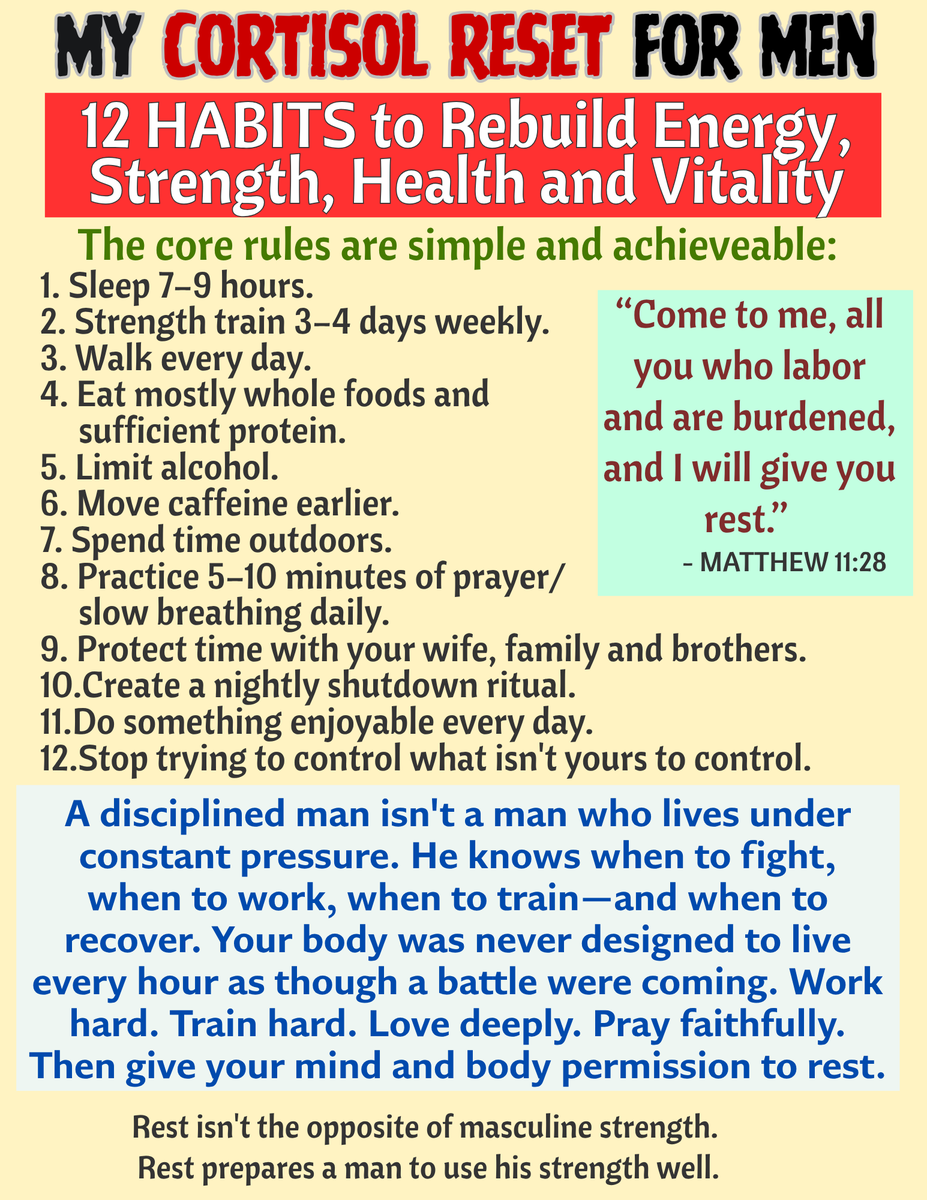
Here are 12 WAYS A MAN CAN IMPROVE HIS STRESS–RECOVERY SYSTEM
1. Make sleep non-negotiable.
Sleep may be the biggest lever. Chronic sleep problems are associated with disrupted cortisol regulation, while consistent quality sleep helps restore normal hormonal rhythms.
Aim for roughly 7–9 hours for most adults, keep your wake time fairly consistent, make the room dark and cool, and don't turn bedtime into another hour of scrolling.
2. Strength train - but don't turn every workout into war.
Exercise itself temporarily increases cortisol. That's normal. The problem can be hard training + inadequate food + inadequate sleep + inadequate recovery.
Lift weights several times a week, walk regularly and include cardiovascular conditioning. But remember:
Training is the stimulus. Recovery produces the adaptation.
Extremely high exercise loads can contribute to elevated stress hormones and suppression of reproductive hormones in some men.
3. Walk more.
This one is ridiculously underrated.
Walking provides physical activity without adding much recovery burden. A 10 – 20 minute walk after meals also helps metabolic health. An outdoor walk has the additional benefit of getting you away from screens and stressors.
4. Eat like an adult, not an algorithm.
You don't need a magical “cortisol diet.”
Build most meals around protein, vegetables/fruit, minimally processed carbohydrates, healthy fats and high-fiber foods. Mediterranean-style dietary patterns are a sensible model.
And be cautious about combining extreme calorie restriction + very low carbohydrate intake + hard training. A systematic review found that very-low-carbohydrate diets can temporarily increase resting cortisol and may increase post-exercise cortisol; very high-protein, low-carbohydrate diets were also associated with reduced testosterone in the studies examined.
5. Lose excess body fat slowly.
If a man needs to lose 20 or 30 pounds, crash dieting is usually the wrong mindset.
A moderate calorie deficit that preserves muscle through resistance training and adequate protein is far more sustainable.
Don't ask:
“How quickly can I lose this?”
Ask:
“What could I still be doing five years from now?”
That's the better question.
6. Control caffeine instead of allowing caffeine to control you.
Coffee isn't inherently bad. But if you're exhausted, drinking caffeine all afternoon and then sleeping poorly, you've created a loop:
poor sleep → fatigue → caffeine → poorer sleep → more fatigue.
For a man struggling with sleep, moving caffeine earlier in the day is a simple experiment worth trying.
7. Keep alcohol modest, or remove it for a while.
Alcohol can make you sleepy without producing good restorative sleep. Excessive drinking also works against weight control, metabolic health, testosterone, sexual performance and recovery.
A 30-day alcohol break is an interesting experiment because the question becomes:
How good could I actually feel?
8. Learn how to deliberately turn OFF.
A strong man doesn't need to remain physiologically prepared for battle 16 hours a day.
Prayer, slow breathing, meditation, quiet reading, journaling, time outdoors and contemplative practices can shift the body toward a calmer state. Cleveland Clinic specifically identifies controlled breathing, mindfulness and similar practices as useful stress-management strategies.
For your spiritual-masculinity philosophy, I particularly like:
PRAY • BREATHE • RELEASE
There is a difference between surrendering responsibility and surrendering what you cannot control.
That is simultaneously Christian and Stoic.
9. Stop manufacturing emergencies.
Notifications. News. Social media arguments. Work email at 10 p.m. Doomscrolling. Trying to solve tomorrow tonight.
Your nervous system doesn't necessarily distinguish elegantly between a genuine threat and the hundred artificial alarms we feed it.
Protect periods of silence.
10. Build strong relationships.
Healthy relationships aren't merely emotionally pleasant. Social connection is part of stress regulation; Cleveland Clinic specifically includes maintaining healthy relationships among strategies for managing cortisol/stress.
For men especially, this means resisting the lone-wolf mentality.
Wife. Family. Brothers. Church. Friends.
Strong men need strong relationships.
11. Have fun. Seriously.
This doesn't get discussed enough in men's health.
Laugh. Play with the grandchildren. Camp. Paint. Travel. Make love. Sit around a fire with friends. Go somewhere beautiful.
Enjoyment isn't laziness. Even laughter has measurable effects on the stress response.
12. Create margin.
If every minute of your day belongs to someone else, eventually your body sends the invoice.
Schedule white space.
A man's calendar reveals what he actually values.
If this wasn't enough info, do some research on your own to discover more.
And if you like this post, please follow me at @Dragon_Mindset. Thanks
CORTISOL IS NOT THE ENEMY. It is an essential hormone involved in waking up, maintaining blood pressure and blood sugar, regulating inflammation, mobilizing energy, and responding to stress. The goal is not to “eliminate cortisol”; it is to restore a healthy stress–recovery rhythm.
<<THREAD>> Read the commentary as well
CORTISOL & MEN: WHAT IS REALLY GOING ON
Think of cortisol as part of the body's alarm and energy-management system.
Cortisol normally rises toward morning, helping you wake and get moving, and falls later in the day. Problems can arise when chronic psychological stress, poor sleep, excessive training, illness, alcohol, medications, or other factors repeatedly disrupt the body's stress-response system.
And here's an important myth-buster: having belly fat, feeling tired at 2 p.m., or craving food does not prove that a man has “high cortisol.” Those symptoms have many possible causes. True pathological cortisol excess—Cushing's syndrome—is relatively rare and requires medical testing.
Don't chase lower cortisol. Build a life that allows your stress system to work the way God designed it to work—stress when necessary, recovery when the battle is over.
Read the next post for 12 ways to improve your stress-recovery system. And below is even more information that should help.
CORTISOL, TESTOSTERONE & SEX
This actually deserves its own post because there is a legitimate biological connection—but social media often exaggerates it.
Chronic stress can interfere with sexual desire and arousal. Stress-system activation can interact with reproductive signaling, and chronically elevated glucocorticoid activity can suppress aspects of the hypothalamic-pituitary-gonadal system involved in testosterone production.
That can translate into some men experiencing:
less desire → poorer erections → less energy → worse mood → poorer sleep → relationship stress → even more stress.
That's a nasty feedback loop.
But the solution isn't buying a “cortisol blocker.”
Improving sleep, fitness, cardiovascular health, body composition, nutrition, alcohol habits, psychological stress and relationship intimacy attacks the problem from multiple directions.
And there's an overlooked sexual-performance technique:
Get out of your head.
An erection depends heavily on parasympathetic - “rest and digest” - activity. A man obsessing about whether he will perform is essentially asking his body to be relaxed and alarmed simultaneously.
Presence beats performance anxiety.
Slow down. Touch. Talk. Laugh. Be affectionate without making every touch a test of sexual performance.
Better sex is often partly a consequence of a healthier nervous system and healthier relationship - not simply better hormone numbers.
WHAT A MAN MAY NOTICE WHEN HIS LIFESTYLE IMPROVES
Keep reading - there is more about the benefits, because they go well beyond the waistline.
A man who consistently sleeps, exercises, eats appropriately, manages stress and maintains healthy relationships may experience better:
body composition • energy • concentration • mood • exercise recovery • blood-pressure control • blood-sugar regulation • libido • erectile function • confidence • sleep • relationships • productivity • resilience
Notice something important?
I am not really describing a “cortisol program.”
We're describing a healthy man's lifestyle.
That's the bigger message.
Don't fall for the “cortisol supplement” industry
Be especially careful here.
You'll see advertisements for cortisol gummies, adrenal cocktails, detoxes, powders and “cortisol blockers.” Evidence for many of those claims is weak. Even the trendy “adrenal/cortisol cocktail” doesn't have evidence showing that it improves adrenal function.
There is some research around supplements such as ashwagandha, magnesium and others, but supplement quality, interactions and appropriate dosing matter. Make sleep, exercise, nutrition, weight management, relationships and stress management the foundation before reaching for a bottle.
The boring stuff wins again. It usually does.
WHEN “HIGH CORTISOL” NEEDS A DOCTOR, NOT AN X THREAD
A man should seek medical evaluation if he develops unusual combinations such as significant unexplained central weight gain accompanied by thin arms/legs, marked muscle weakness, easy bruising, wide purple stretch marks, a very round face, difficult-to-control blood pressure or blood sugar, or significant sexual/fertility changes.
Those can occur with genuine cortisol excess. Doctors don't diagnose it from appearance or a single random cortisol measurement; evaluation can involve late-night salivary cortisol, 24-hour urinary cortisol and dexamethasone suppression testing.
Also, anyone taking corticosteroids such as prednisone should never abruptly stop them simply because they're worried about cortisol. Long-term steroid treatment can suppress natural cortisol production, and suddenly stopping can cause adrenal insufficiency.
Read the next post for more....
8 SH!TTY EXCUSES THAT KEEP YOU STUCK FOR YEARS:
Excuse 1: “I don’t have time”
• You have time for scrolling.
• You have time for shows.
• You just don’t have it for this.
Time is not the problem. Priority is.
Excuse 2: “I’ll start Monday”
Monday comes. Nothing changes.
Then it’s next Monday. Then next month.
The date was never the problem. You were waiting for motivation & it was not coming.
Excuse 3: “I’m not ready yet”
• Nobody feels ready.
• Ready is a feeling, not a fact.
You don’t get ready and then start. You start, and that’s what makes you ready.
Excuse 4: “It’s not the right time”
• Bills. Season. Mood. Something’s always “off.”
• There’s always a reason if you’re looking for one.
The right time is a myth people use to stay comfortable.
Excuse 5: “I don’t have the resources”
Everyone’s starting point looks different.
But people with less than you have built more than you’re even trying to.
Resources help. They were never required.
Excuse 6: “I’m too old for this now”
• Or too young.
• Or too late.
• Or too behind.
Age was never holding you back. Comfort was.
Excuse 7: “What if I fail”
You’re already failing. Just quietly, where nobody can see it.
At least trying gives you a shot.
Staying stuck guarantees the outcome.
Excuse 8: “I’ll do it when things calm down”
Things don’t calm down. Life doesn’t pause for you.
→ There’s always a new problem.
→ There’s always a new reason.
→ There’s always something more comfortable than starting.
Stop waiting for the excuses to run out.
Elizabeth teaches us about trusting God's timing. She endured years of waiting and disappointment yet remained faithful. When God's answer finally came, she recognized His hand and celebrated His work not only in her own life but also in Mary's. Her story reminds us that waiting does not mean God has forgotten us. Sometimes faith simply means continuing to trust when we cannot yet see what God is doing.
Martha represents the beautiful dignity of service. She welcomed people, cared for practical needs, and expressed love through action. Yet her encounter with Jesus also gives us an important reminder: service must never become so consuming that we forget the One we are serving. Work matters. Caring for others matters. But sometimes the most important thing we can do is become still enough to sit in Christ's presence.
Eight women. Eight different stories. Eight different ways God used faithful lives for His purposes. Deborah led. Esther stood courageously. Naomi mentored. Hannah prayed. Lydia gave. Abigail made peace. Elizabeth trusted. Martha served. None needed to become someone else to fulfill God's calling; each offered Him the gifts, circumstances, struggles, and opportunities she had been given.
That may be the greatest lesson of all. God doesn't ask us to live someone else's calling. He asks us to faithfully live ours. Surround yourself with people who strengthen your faith, challenge your character, pray with you, speak wisdom into your life, serve beside you, and remind you who you are when life gets difficult.
Different gifts. Different seasons. Different callings. One faithful God.
FAITH • COURAGE • SERVICE
Throughout Scripture, God repeatedly chose ordinary people to accomplish extraordinary things - and some of the Bible’s most powerful examples are women. These eight biblical women remind us that strength does not always look the same. Sometimes it leads, sometimes it prays, sometimes it serves, sometimes it waits, and sometimes it courageously stands between danger and the people it loves. Their stories may be ancient, but the virtues they demonstrate - faith, courage, wisdom, compassion, service, and obedience to God - are timeless.
<<THREAD>>
Deborah shows us the strength of courageous leadership. She listened to God, exercised wisdom, and was willing to step forward when leadership was needed.
Esther teaches a different kind of courage: using your position and influence for something greater than yourself. She risked her own security to intercede for her people, reminding us that God may place us exactly where we are “for such a time as this.” - Esther 4:14
<<THREAD>>
Lydia reminds us that generosity itself can become a ministry. She opened her heart to God's message and then opened her home and resources to others. Her example shows that serving God doesn't always require a title, platform, or position. Sometimes it simply requires asking, “What has God placed in my hands, and how can I use it to bless someone else?”
Abigail demonstrates the tremendous strength found in wisdom, restraint, and peacemaking. When anger and conflict threatened destruction, she didn't add more anger to the situation - she brought discernment, humility, courage, and grace. Her example reminds us that the strongest person in a conflict is often the one disciplined enough to lower the temperature rather than raise it. Wisdom knows when to speak, how to speak, and when peace is more important than winning.