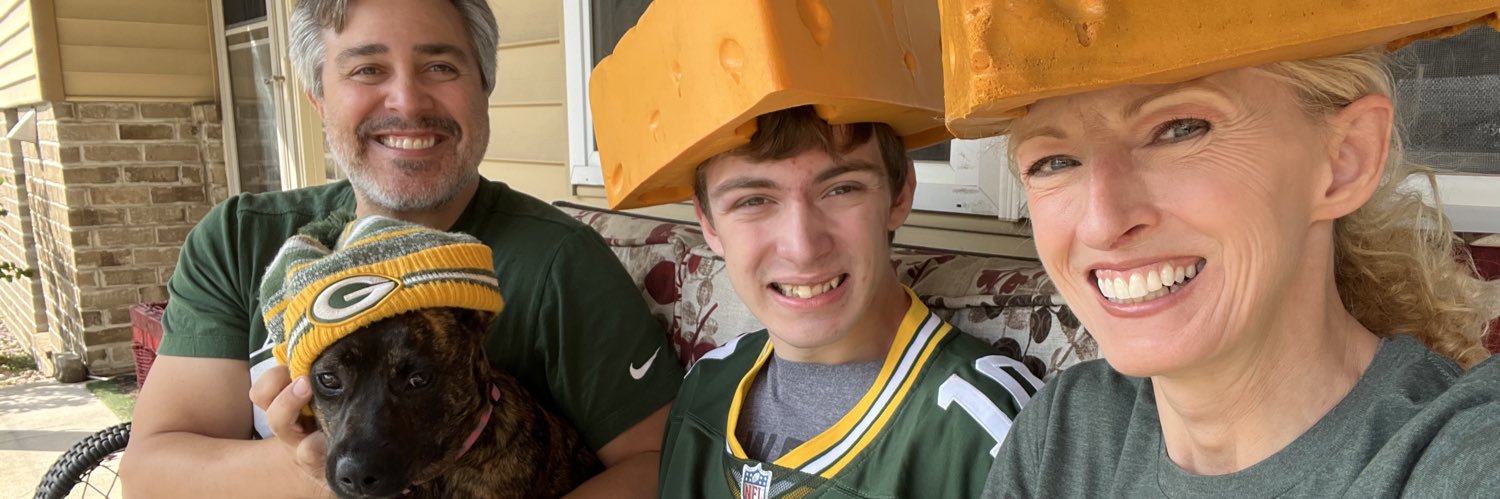
@brithume@brithume you met my husband and I after a DC performance of Little Women at the Kennedy Center in 2006 and were very sweet to our young son, Oscar. He had just been diagnosed with autism, and your kindness to him is something we will always remember.
Toru Miyazaki gave 11 cats with advanced kidney disease an experimental injection. 15 others didn’t get it. A year later, 9 of the 11 treated cats were alive. Only 3 of the 15 untreated cats survived. He just filed for approval, and the drug fixes a defect only cats have.
Most cats die from one thing: their kidneys fail. By age 10, 4 in 10 cats already have chronic kidney disease, and by age 15, the rate doubles to 8 in 10. Once diagnosed, a cat has about 2 years left.
The reason kidney disease hits cats so hard is a broken protein in their blood. All mammals carry a protein that helps the kidneys clean out waste. In humans and dogs, the protein floats freely and goes to work when the kidneys are in trouble. In cats, it stays stuck to another protein and can’t get loose. So the waste piles up, and the kidneys eventually give out.
Miyazaki originally found the protein in 1999, back when he was at the University of Tokyo. He figured out the cat-specific glitch in 2015. The paper he published in the Veterinary Journal in February laid out the trial. The injection is a working version of the missing protein. His company, the Institute for AIM Medicine, filed the approval paperwork with Japan’s Ministry of Agriculture on April 24, 2026. If the review clears, the drug goes on sale in spring 2027.
The 30-year lifespan figure in the tweet is Miyazaki’s own projection of what cats could reach without kidney disease. The trial only ran a year, and the average cat today lives 15. Most die from the same disease this injection treats.
The research almost died in 2020. After running out of funding during COVID, Miyazaki went public. Cat owners across Japan responded by sending in 300 million yen, around 2 million dollars total. He resigned from the University of Tokyo and worked on the drug full time. The treatment in front of regulators today exists because cat lovers refused to let the research die.
This woman went to visit this dog shelter that apparently most people don’t know even exists.
She was fortunate to go right when they were set to have their play time.
Look at all those beautiful dogs who just want a hug. 💔
This shelter gets no visitors and has less than 5 adoptions each month. Less than 5!
Let’s help rescue these dogs and clear their shelter. They are in a rural part of Georgia.
Do you know someone looking for a dog? Anyone in Georgia or close by? Or maybe you are due for an overdue road trip?
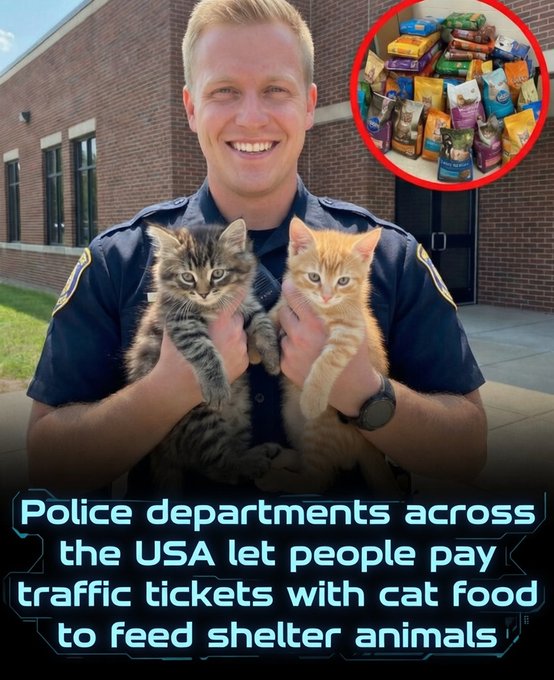
Parking enforcement is getting a heartwarming upgrade: in several U.S. communities—most notably Muncie, Indiana—police departments have allowed residents to settle certain parking tickets by donating cat food, kitten food, or litter to local animal shelters instead of paying cash fines.
The Muncie Police Department launched this creative initiative (called "Citations for Supplies") as a short-term program. It was inspired by officers touring the Muncie Animal Care & Services Shelter, which was overwhelmed during peak "kitten season" and struggling to feed and care for more than 350 cats and kittens due to low supplies.
Eligible violators with minor, non-moving parking violations could bring donations equivalent in value to their fine (e.g., up to $25 worth of supplies for a $25 ticket) to the Clerk's Office to clear the citation. The program ran for just a few days excluding serious violations like handicap parking or court-mandated ones.
The response was overwhelmingly positive: donation rooms filled up quickly, and many people contributed even without tickets to clear—proving the idea sparked genuine community generosity beyond simple compliance.
Similar short-term efforts have appeared in other places (including mentions of Michigan departments), turning routine fines into direct support for shelter animals and building goodwill between law enforcement and residents.
This paws-itive approach shows how small, compassionate innovations can create win-win outcomes: clearing administrative backlogs while helping vulnerable pets and strengthening community ties.
Mark Twain Loved Cats More Than People -
Mark Twain, also known as Samuel Clemens, was a famous American writer who truly loved cats. He was a "cat person" through and through. He once said, "I just can’t resist a cat, especially a purring one. They are the cleanest, cleverest, and smartest things I know – other than the girl you love, of course."
At one point, Twain had up to 19 cats! Each had a unique name, like Apollinaris, Beelzebub, Blatherskite, Buffalo Bill, Satan, Sin, Sour Mash, Tammany, Zoroaster, Soapy Sal, and Pestilence. Twain loved cats more than most people, and he didn’t understand why everyone else didn’t feel the same way. "When a man loves cats, I am his friend and comrade, no introduction needed," he once said.
One of his cats, named Bambino, went missing once. Bambino was a black cat that originally belonged to Twain’s daughter, Clara. Twain was so eager to find him that he put an ad in the *New York American*, offering a $5 reward for Bambino’s return to his home on 5th Avenue in New York City. Twain described Bambino as "large and intensely black, with thick, soft fur and a little white patch on his chest." Even though many people showed up with cats that didn’t match, Bambino eventually found his way home.
From his early years in Hannibal, Missouri, to his last days in Connecticut, Twain was always surrounded by cats, and they even appeared in some of his books, like *The Innocents Abroad*, *Roughing It*, *The Adventures of Tom Sawyer*, *A Connecticut Yankee in King Arthur’s Court*, and *Pudd’nhead Wilson*.
#archaeohistories