Learn interesting stuff on astronomy, astrophysics, physics, chemistry and biology. Explore beauty of space and sciences with videos, images and science Polls
A teaspoon of neutron star material weighs 6 billion tons that is more than Mount Everest. Formed after a supernova, neutron stars pack matter 100 trillion times denser than water, making them one of the densest objects in the universe, second only to black holes.
Though it's not the hottest planet, Mercury is the one nearest to the sun. Its temperature fluctuates greatly because it lacks an atmosphere to control it. Mercury has a maximum temperature of 427°C during the day and a minimum temperature of -173°C at night.
Only planet in our solar system that rotates anticlockwise is Uranus. It spins more like a rolling ball than a spinning top because of its 98 degree axial tilt. This results in severe seasons, with each pole facing the sun for 42 years and then experiencing 42 years of darkness.
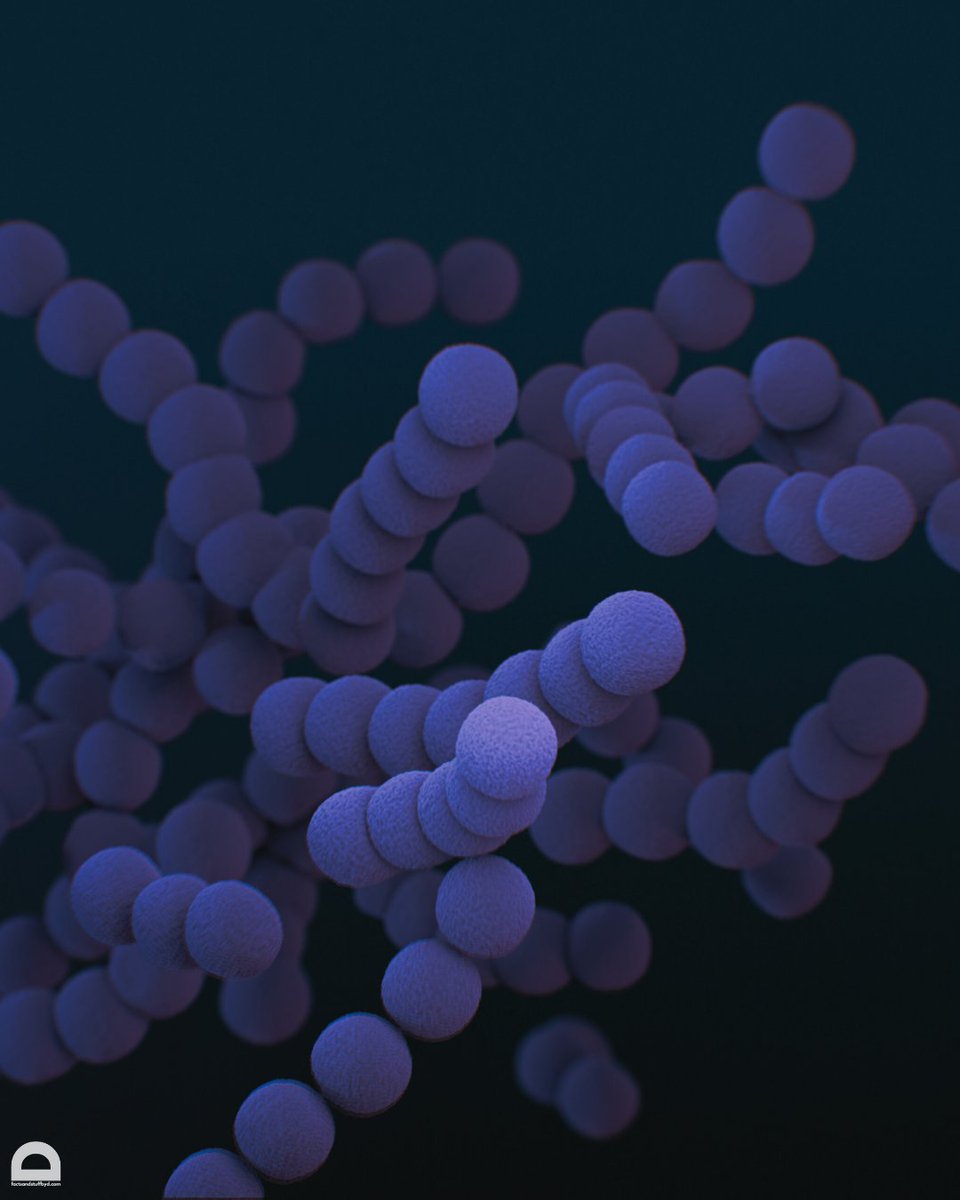
Evolution of Antibiotic Resistance: Overuse of antibiotics has led to the evolution of antibiotic-resistant bacteria, posing a significant public health challenge.
#biology#microbiology#Microbiologia
The concept of "stellar nucleosynthesis" explains how stars create heavier elements through nuclear fusion, releasing energy in the process.
#astronomy#physics#astrophysics#cosmology
Genetic Engineering in Agriculture: Genetically modified crops have been engineered for traits like resistance to pests, drought tolerance, and increased nutritional content.
#genetics#Biology
The concept of the "innermost stable circular orbit" refers to the minimum distance from a black hole or other massive object at which an object can orbit without falling in.
#astrophysics#astronomy#Physics
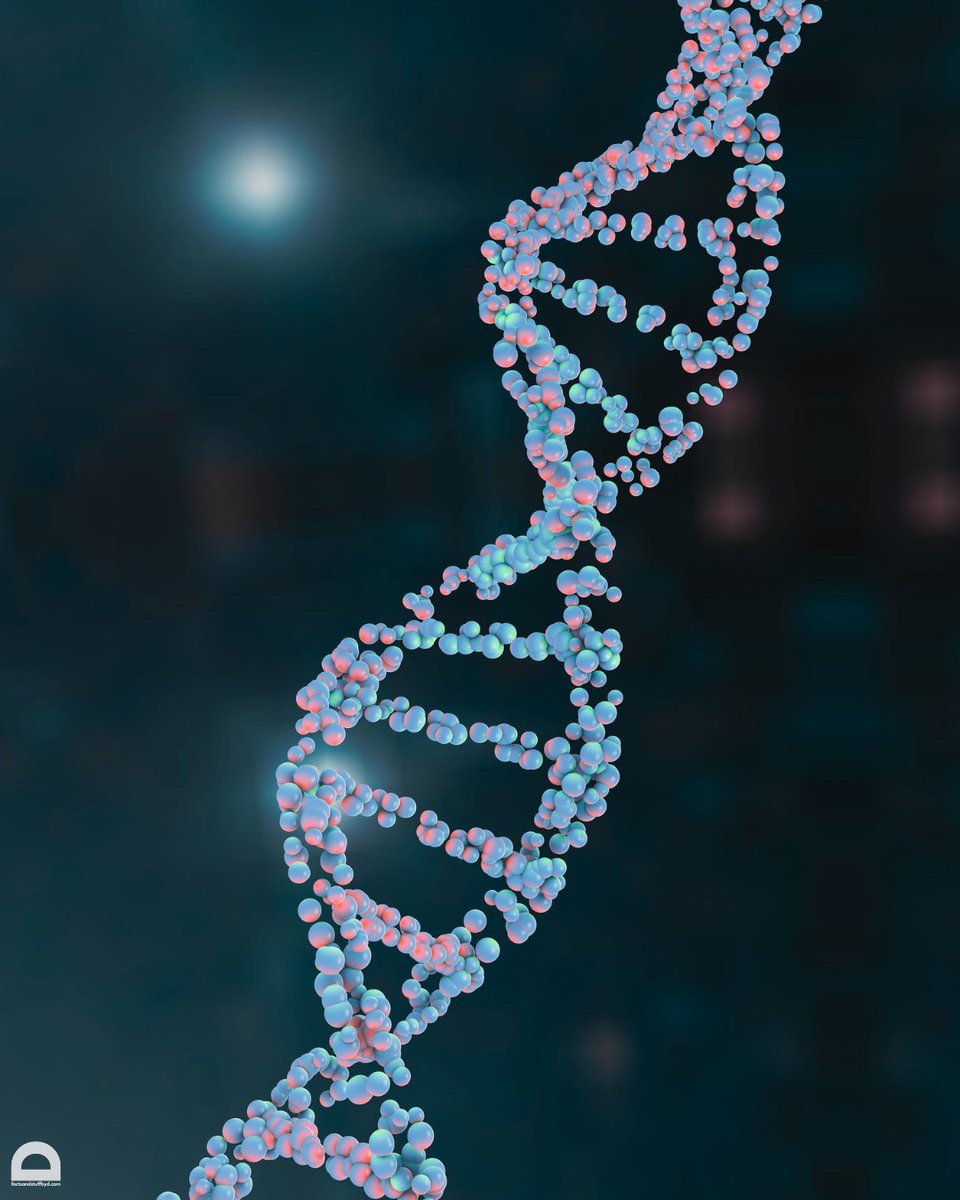
Paternity Testing: DNA analysis can accurately determine paternity by comparing the genetic material of a child and potential father.
#DNA#genetics#Biology
Gamma-ray bursts (GRBs) are classified as short or long bursts based on their duration. Long bursts are associated with the collapse of massive stars, while short bursts are likely due to neutron star mergers.
#astronomy#space#astrophysics
Genetics of Behavior: Genetics plays a role in complex behaviors like intelligence, personality traits, and even risk-taking behavior.
#genetics#biology
White holes are hypothetical objects that, if they exist, would be the reverse of black holes, expelling matter instead of capturing it.
#astronomy#astrophysics
Gravitational lensing can create multiple images of distant galaxies, forming an "Einstein cross" when the lensing object is directly aligned with the source and observer.
#astrophysics#physics#Space#astronomy
Genetic Determinism Debate: The extent to which genes determine our traits and behaviors is a subject of ongoing debate in the field of genetics.
#Genetics#Biology
The concept of "quintessence" refers to a hypothetical form of dark energy that varies over time, potentially explaining the accelerating expansion of the universe.
#astronomy#Space
The concept of "dark fluid" posits an alternative to dark matter and dark energy by suggesting they could be described as a single substance with unusual properties.
#astronomy#astrophysics#cosmology
Immunoglobulin Diversity: Our immune system can generate a vast array of antibodies to combat different pathogens through genetic recombination.
#biology#immune#humanbody#Genetics
The concept of "cosmic microwave background polarization" refers to the slight polarization patterns in the cosmic microwave background radiation that provide information about the early universe's conditions.
#astronomy#astrophysics#Space