Just got back from judging Chili in Terlingua, so I can properly take “beans do not belong in chili” a bit further.
I’ve been attending the Tolbert cook-off for 19 years and for the last 9 I’ve judged on the finals table with Kathleen Tolbert whose father, Frank X. Tolbert, founded the cook-off.
The term Chili con carne means Chile with meat. That’s what the Chili Queens who are credited with inventing it, sold in San Antonio. When chili emigrated to the dinner tables of families outside of Texas is when beans began being added. In the early days it was done to stretch the pot, which is totally fine if you’re feed a crowd, but that’s different than competition chili.
The cook-off itself started in response to an article H. Allen Smith wrote in which he said leaving beans out was to “flout one of the basic laws of nature.” Frank Tolbert in response called his recipe vegetable stew and coined the phrase, “If you know beans about chili, you know that chili has no beans.”
They decided to settle the disagreement with a cook-off on “neutral” ground. Terlingua, Texas was selected and has been home to the cook-off ever since.
In competition chili, beans are considered a filler no different than noodles or any of the other ungodly things I’ve heard people add to their bowls of red. And I know for those of you who like beans, your very tired response will be something to the effect of, “you must have been rich if you ate chili with no beans.”
I wasn’t. My Mom made our clothes. She grocery shopped with a tackle box full of coupons. I rarely got brand named clothes as a kid. We weren’t extravagant eaters.
And truth be told, we didn’t eat a lot of chili.
My appreciation and understanding came from my 19 years, nearly half of my life, of attending the cook-off, subsequently reading Frank X. Tolbert’s A Bowl of Red, and eating a lot of bowls of red, some homemade and some at a restaurant.
I’ve had it with beans. I’ve had it with diced onions. I’ve had it with cheese, sour cream, and plenty of crackers crunched in.
I love chili.
But the original and best of the best that holds up well to sitting in a cup for several hours awaiting judging, reheats well, or simply will be enjoyed right out of the pot with loved ones around a kitchen table is a bowl of red with no beans.
You can call me wrong if you’d like. But I rest easy knowing I eat chili the right way, without beans, just as God intended.
Riddle me this: Why are so many hospitals named after saints or called something like United Methodist? Why isn’t there an Atheist Memorial or Nietzsche General Hospital? 🤔
Students supported Mao
Students supported Castro
Students supported Khomeini
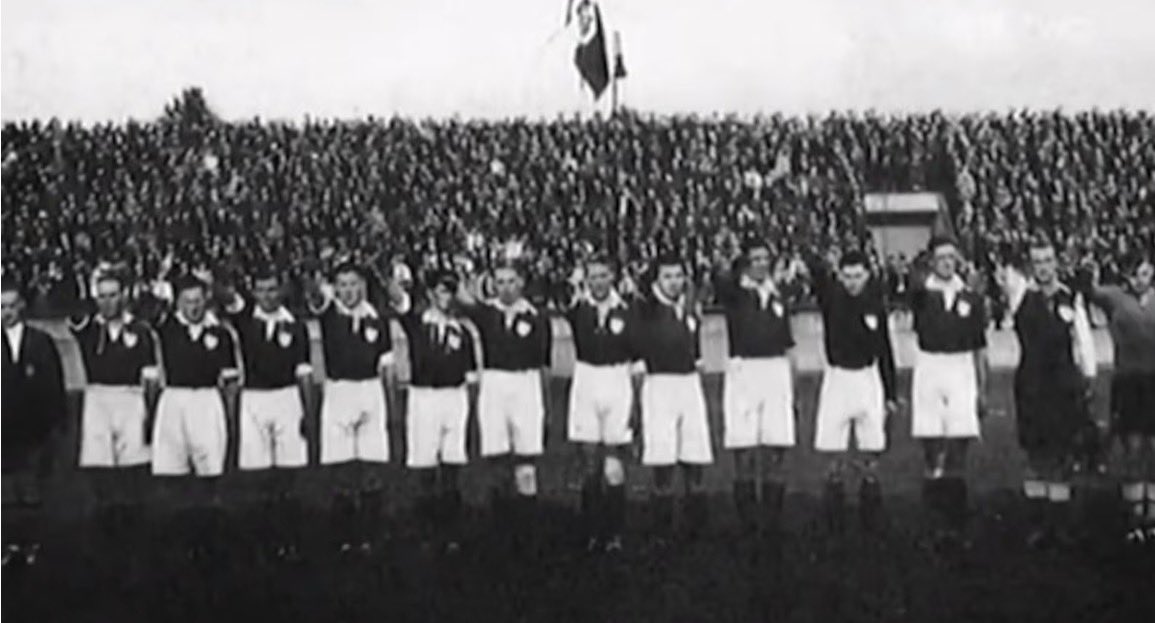
Students supported Hitler
Students supported Mussolini
If find yourself blindly supporting every student lead movement, you’ll be wrong very often, in many eras, on many issues.
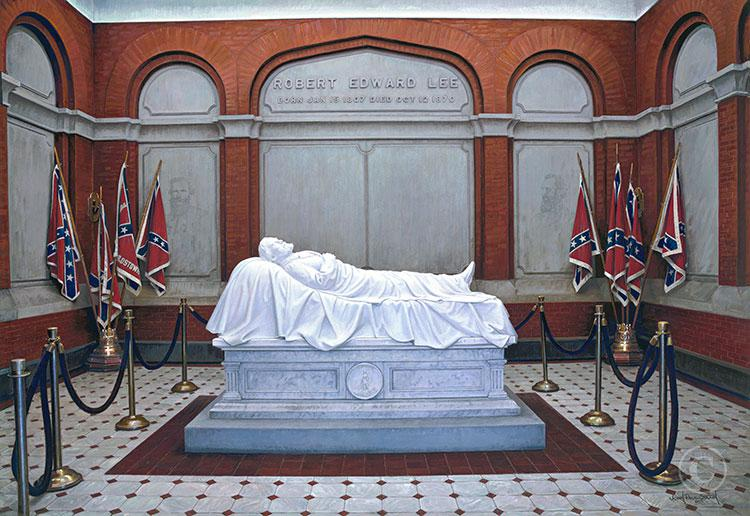
Oct 12, 1870: Robert E. Lee died in Lexington, Virginia, five and a half years after he surrendered at Appomattox.
When the war ended, Lee was the most famous man in the South and he had nothing. His family home at Arlington had been seized by the federal government and turned into a cemetery for Union dead. He was 58, his health was failing, and he was under indictment for treason, though he was never tried.
Offers came in. Businesses wanted to put his name on their letterhead for big salaries. He turned them down. Instead he took a job as president of Washington College, a tiny school in the Shenandoah Valley that had been looted by Union troops during the war. It had a few dozen students and a handful of professors. The salary was $1,500 a year.
He threw himself into it. He knew most of the students by name. He added courses in engineering, business, and journalism, which were unusual for the time. He replaced a long list of rules with an honor system and told students the school had only one rule: every student must be a gentleman.
He spent those years telling Southerners to accept the result of the war. He told former soldiers to go home and rebuild. According to an often-told story, when a widow complained bitterly to him about the Union, he told her not to raise her sons to hate the United States and to make them Americans. In 1869 he paid a short visit to President Ulysses S. Grant at the White House.
His heart was giving out. In the spring of 1870 he took a long trip south, partly for his health. Crowds met him at every stop. On Cumberland Island in Georgia he visited the grave of his father, Revolutionary War hero Light-Horse Harry Lee.
On Sept 28, a cold, rainy day, he went to a long meeting at his church about raising money for the minister's salary. When they came up short, Lee pledged the difference himself. He walked home in the rain and sat down to dinner with his family. When he tried to say grace, no words came out.
He had suffered a stroke. They made a bed for him in the dining room. For two weeks he lay there, mostly silent, while one of the worst floods in Virginia history swept through the region outside.
He died around 9:30 in the morning on Oct 12. He was 63.
Accounts written later said his last words were "Strike the tent," along with an order for A.P. Hill to come up, as if he were back on the battlefield. Doctors who have studied the case think the stroke had taken his ability to speak, and many historians doubt those words were ever said.
The flood had washed away the town undertaker's stock of coffins. Some were found downriver, and the only usable one was too short. Lee was buried in his suit without shoes.
He was laid to rest in a crypt beneath the chapel on the college grounds. Within days the school's trustees voted to rename it Washington and Lee. His horse Traveller, who walked behind the funeral procession, is buried just outside.
After the war Lee had signed an oath of allegiance and applied for a pardon. The oath was lost and never acted on. It was found in the National Archives a century later, and in 1975 Congress restored his citizenship.
Americans still argue over how to remember him and the cause he fought for, and they probably always will. But in the last five years of his life, he chose to spend what he had left teaching young men, rebuilding a broken school, and telling a defeated people to put down their anger and become Americans again.
156 years ago today. Rest easy General.
I’ll make you a deal: if the Trump admin lied to a court to get the warrant for Omar, I promise to be as outraged as you were when the Obama admin lied to a FISA court to get a warrant to investigate Trump.
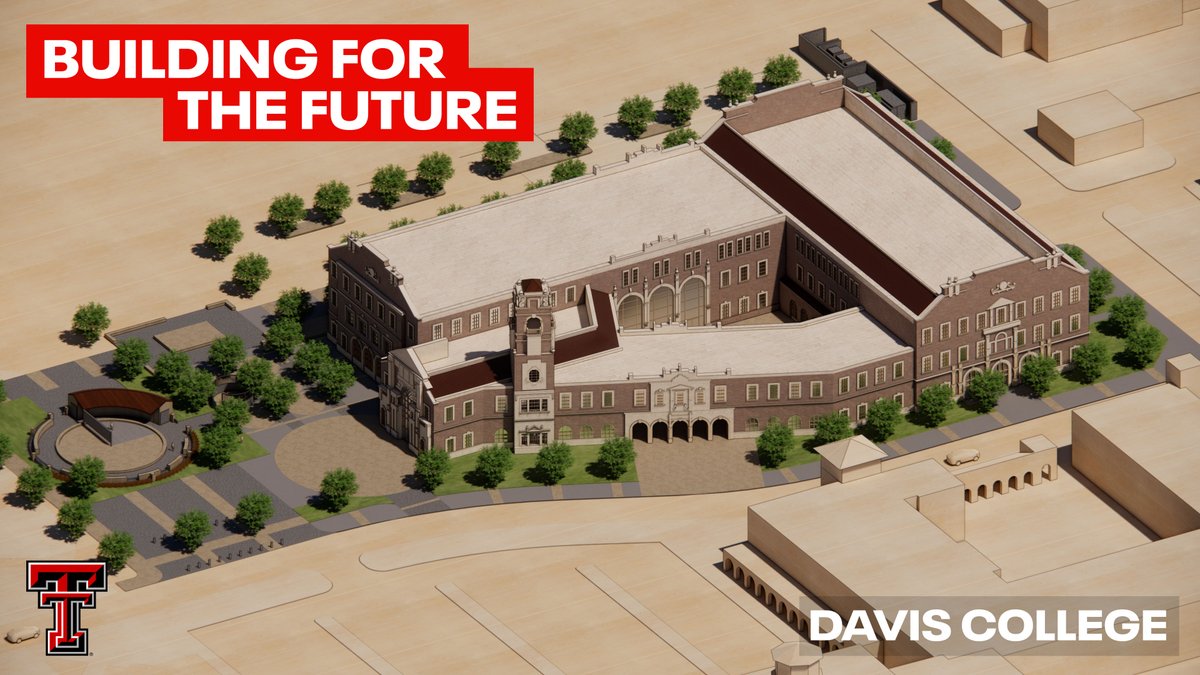
Texas Tech University’s Davis College of Agricultural Sciences & Natural Resources has received a $28.9 million USDA grant to establish a Food Science, Safety and Workforce Development Complex within its planned new flagship building.
With support from the USDA, the State of Texas and the On & On Campaign, the Davis College Flagship Building will keep Texas Tech at the forefront of agricultural research, education and workforce preparation well into the future.
“Agriculture has been central to Texas Tech’s mission since the university was founded, and it remains essential to our future. We are grateful to USDA for recognizing the significance of the work done by Davis College and the role Texas Tech can play in advancing food security and agricultural innovation.”
https://t.co/VgEnavlpoJ
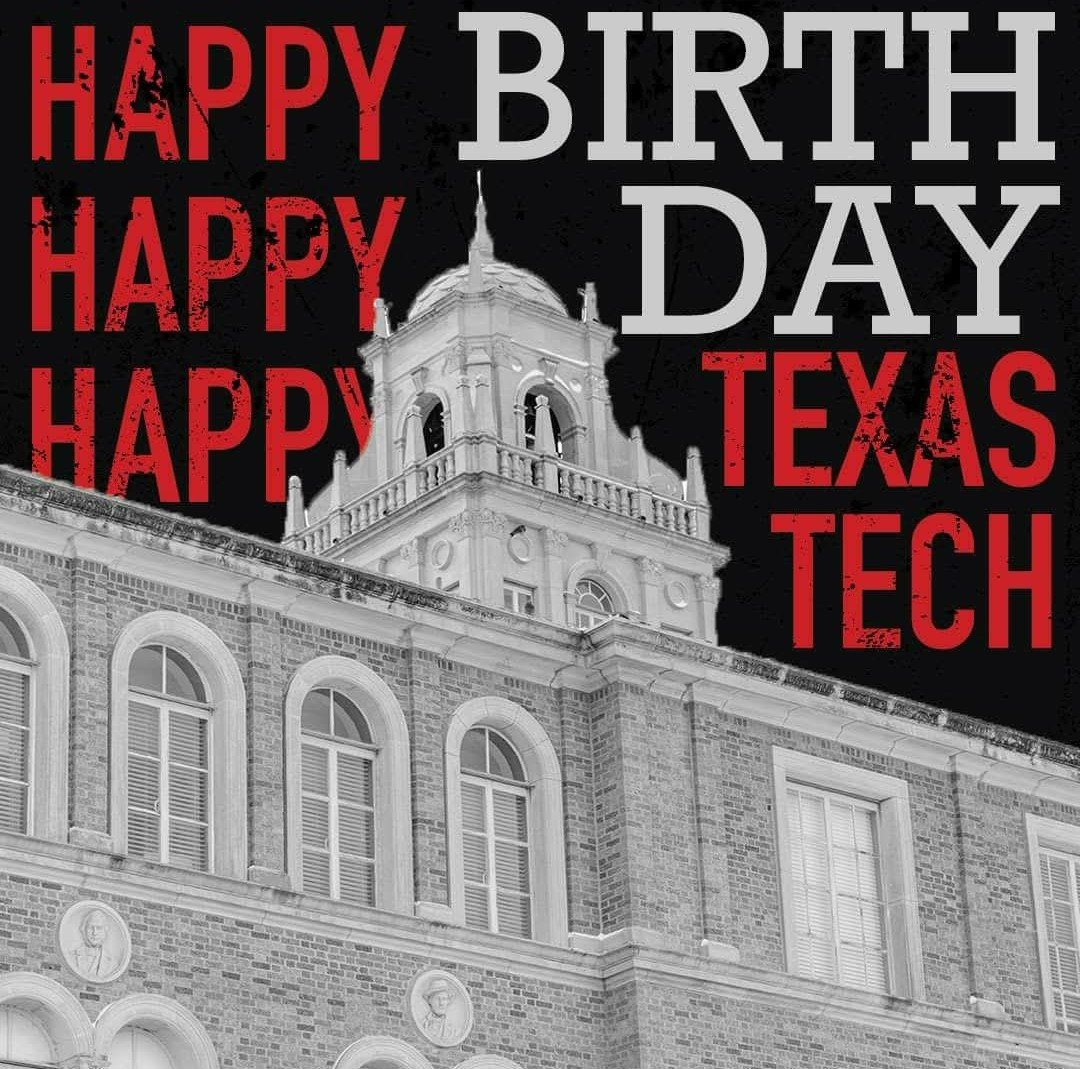
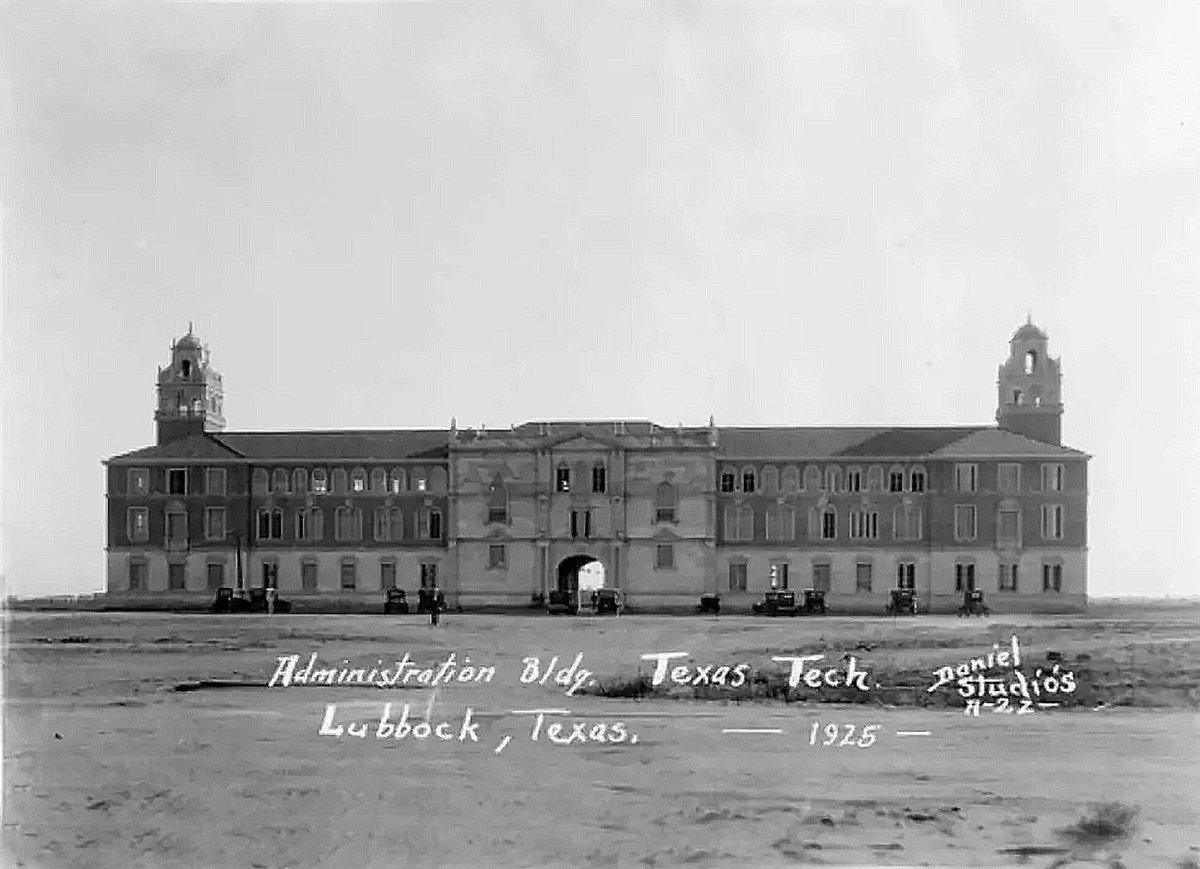
The Arcane Texas Fact of the Day: Texas Tech University is 101 years old today, on account of it was Sept. 30, 1925 that Texas Technological College opened in Lubbock, with 914 students in four schools: Agriculture, Engineering, Home Economics, and Liberal Arts. Naturally, this being Texas and all, a bit of chicanery was involved.
The push to establish a college in West Texas began before 1900, almost as soon as settlers began putting down roots on the plains. Their efforts appeared to pay off in 1917, when the Texas Legislature approved the creation of West Texas A&M College as a branch of Texas A&M. But the victory was short-lived. The law was repealed at the next legislative session after it was discovered that Governor James E. Ferguson had falsely reported Abilene as the choice of the committee charged with selecting the college site.
Naturally, Ferguson's deception got everybody's dander up and stiffened the resolve of West Texans. With the West Texas Chamber of Commerce helping lead the campaign, supporters continued pressing Austin for a college of their own. Their persistence finally paid off in 1923, when the Legislature approved a compromise bill written by State Senator William H. Bledsoe of Lubbock and State Representative Lewis Carpenter of Dallas.
Competition for the new school was fierce. Thirty-seven West Texas towns submitted proposals, and the locating board visited every one of them before choosing Lubbock. A local steering committee purchased 2,008 acres just west of town and sold the land to the state for the new campus.
So ....Guns up, Red Raiders!
Just a pro tip for you guys: if you ever find yourself saying "Hitler had the decency..." you should probably just take a tactical pause right there and reevaluate your entire life.