Tweet about #CareerTechnicalEducation#CTE in #K12, check out my lists as teacher resources. EduProfessional, Veteran, Intel Community 🇺🇸 , Quacker Backer 🦆
With reports of third-party AI agents attempting to take unauthorized actions in bank accounts, some U.S. financial institutions are putting the liability onus on customers for opening the door. A Treasury Department nominee was guarded Thursday about what accountability should look like in those cases.
Appearing before the Senate Banking, Housing and Urban Affairs Committee, Rebekah Jurata was asked by Sen. Ruben Gallego, D-Ariz., who should be held responsible if a “rogue AI agent” were to make an unauthorized transfer in a consumer’s bank account. https://t.co/vwz5DBbhdB
#CalFresh can be a big support for college students, but many eligible students aren't enrolled. Join our policy briefing next Tues, Dec 1st, where we'll discuss the latest take-up trends and a new state policy that is streamlining eligibility: https://t.co/mCyB5aN3Qb #Caleg
Ten turbulent days of outages, cyber incidents, and AI controversy—Episode 291 breaks down what the chaos means for K-12 technology leaders. https://t.co/vxZniJeGeu #K12Tech#EdTech
"What this evidence is pointing to is that schools need to give parents clear talking points about either recommended or mandated do's and don'ts on their children's AI use for school." https://t.co/Zd2PBd7C1k
𝗦𝗦𝗢 𝘃𝘀 𝗢𝗔𝘂𝘁𝗵 𝘃𝘀 𝗢𝗜𝗗𝗖 𝘃𝘀 𝗦𝗔𝗠𝗟.
Do you know the differences?
𝗦𝗦𝗢 is a user experience, not a protocol. It lets users log in once and access multiple apps without re-authenticating; providing seamless access across tools. It relies on protocols like SAML or OIDC.
𝗢𝗔𝘂𝘁𝗵 is for authorization. It lets apps access user data or services without sharing credentials. It controls what an app can access, not identity.
𝗢𝗜𝗗𝗖 is an authentication layer on top of OAuth 2.0. It verifies user identity and provides user info via ID tokens (usually JWTs). It’s the standard for login + identity in modern apps.
𝗦𝗔𝗠𝗟 is an older, XML-based standard primarily used for enterprise SSO. It’s still widely used in legacy and enterprise systems, though newer applications increasingly adopt OIDC. It’s powerful but more complex than OIDC.
OAuth = access.
OIDC = identity.
SAML = older enterprise SSO.
SSO = the experience.
But getting identity right doesn’t solve the whole access problem.
As more apps and AI agents connect to production data, managing permissions separately in every tool gets harder.
Retool centralizes that with SSO, role-based permissions, and Data Access Enforcement, giving teams shared guardrails underneath the apps and agents they build.
Build with the tools you already use. Run with Retool's enterprise controls.
𝗚𝗿𝗲𝗮𝘁 𝘀𝗵𝗼𝗿𝘁 𝗿𝗲𝗮𝗱 𝗼𝗻 𝗵𝗼𝘄 𝗶𝘁 𝘄𝗼𝗿𝗸𝘀 → https://t.co/NPyc5W8kjn
What else would you add?
——
💾 Save it for later.
🙏 Thanks to @retool for sponsoring this post.
➕ Follow me to improve at system design and AI engineering.
A federal appeals court in Denver has finalized a rule requiring lawyers to certify that any court filings prepared with the assistance of generative AI have been reviewed by humans for accuracy. https://t.co/3VLRcF5TP1
California’s higher education systems are considering building their own data centers and creating in-house alternatives to ChatGPT, Claude, and other commercial AI products. https://t.co/JMyCm3KxEo
📷 McKenzie Patterson
But let’s be real here, concern for the students was never a consideration of the administration’s decision to transfer responsibilities out of Department of ED, it’s a fixation on destroying ED without understanding what and how the department does.
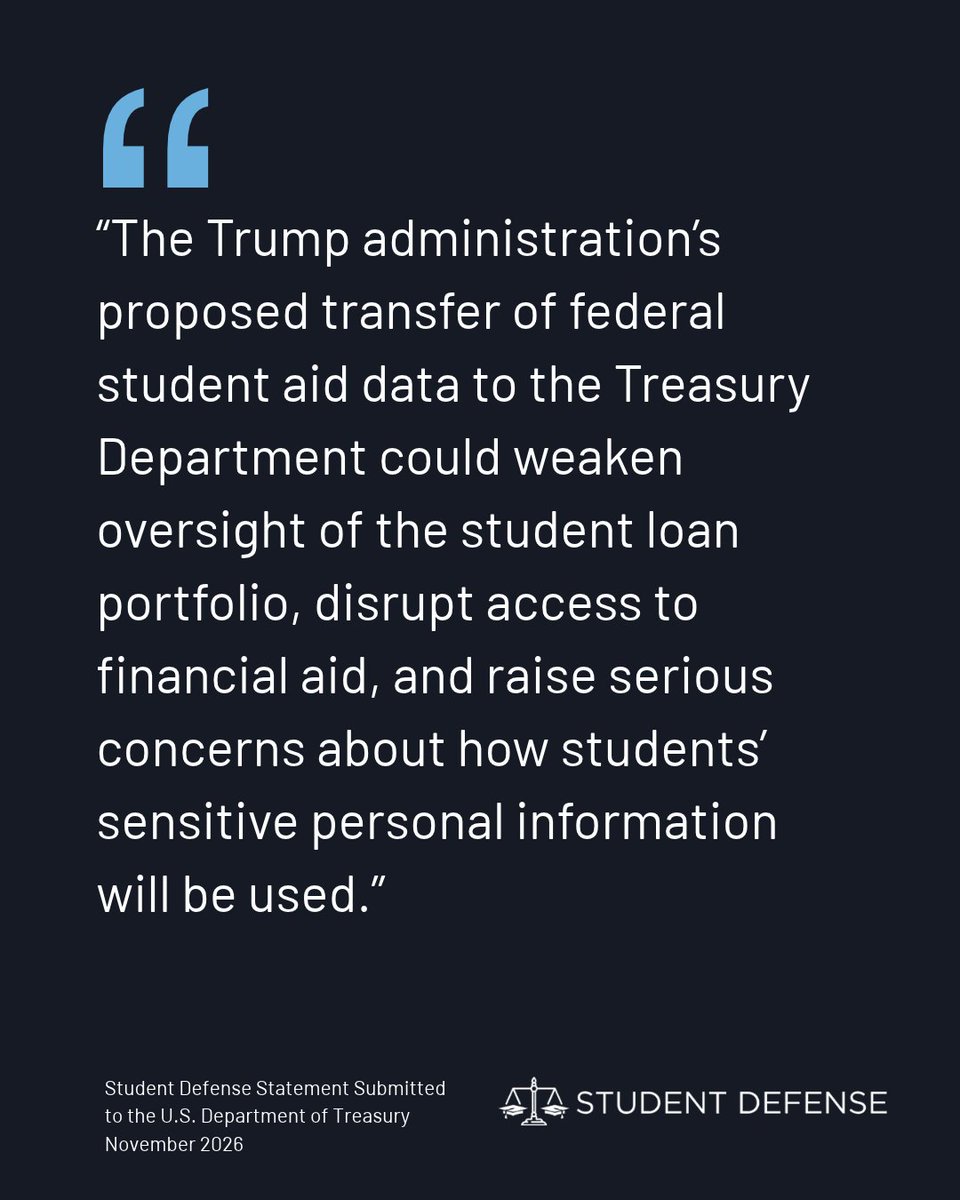
.@Forbes just published new reporting about the growing concerns surrounding ED’s plans to transfer federal student loans to the Treasury Department:
“Advocacy groups are increasingly raising alarms about the proposal, warning that the transfers of millions of accounts could compromise borrower privacy and the functionality of a broad array of federal student loan programs.”
Read the article here: https://t.co/pzd6LT7w0F
@bowdown79 The pups played a great game, only natural they’re really feeling themselves now. This weekend sets up as a potential classic edition of the PNW’s best rivalry
Researchers like MIT prof. Nir Shavit believe it may be time to say "farewell" to human readable code.
“Much of what we depend on will come not from code we wrote, but from code compressed, transformed, & reassembled by machines,” he wrote in a recent CSAIL Substack post: https://t.co/bJiROGU2Gu