A new Duke study points to a promising treatment approach for GA1, a rare inherited disorder that can cause neurological damage in children.
https://t.co/jOqm0w7rjF
A new Duke Conte Center will investigate how kinase signaling networks shape brain development and contribute to neurodevelopmental and psychiatric disorders.
https://t.co/qdnMOF52GW
Please join us in congratulating Dr. Suhail Mithani on being named Chief of Plastic, Maxillofacial, and Oral Surgery. A hand and reconstructive surgeon, Dr. Mithani has been on the Duke Surgery faculty since 2012.
Read more: https://t.co/fsfUgCRUfF
@DukeMedSchool
Cancer vaccines are making headlines, but what are they and how do they work?
Unlike vaccines that prevent disease, many cancer vaccines are designed to help the immune system recognize and attack cancer cells.
A Duke Health expert explains the science: https://t.co/TYIIZXhBPP
ICYMI: Miniature horses Kiwi and Lola brought plenty of smiles to the Duke Medical Center Library & Archives last week!
It was wonderful to see faculty, staff, students, and patients taking a moment out of their day to enjoy these special guests from Stampede of Love.
Duke researchers reimagined CAR-T cell therapy as a potential treatment for Duchenne muscular dystrophy, improving muscle regeneration and function in pre-clinical models.
https://t.co/YveZWYDFxY
Manesh Patel, MD, chief of Duke University School of Medicine's Division of Cardiology and president of @American_Heart, says solving "science's last-mile problem" is essential to improving cardiovascular health.
https://t.co/Nd6K0YbZf0
Duke University Chancellor Emeritus @SnydermanMD explores how navigational health could help shift health care toward more proactive, personalized care in a new JAMA commentary.
https://t.co/zY5N7TCR4z
Home-delivered meals after hospital discharge were associated with significantly lower short-term readmission rates among older adults experiencing food insecurity, according to Duke researchers.
https://t.co/PDjH144ux3
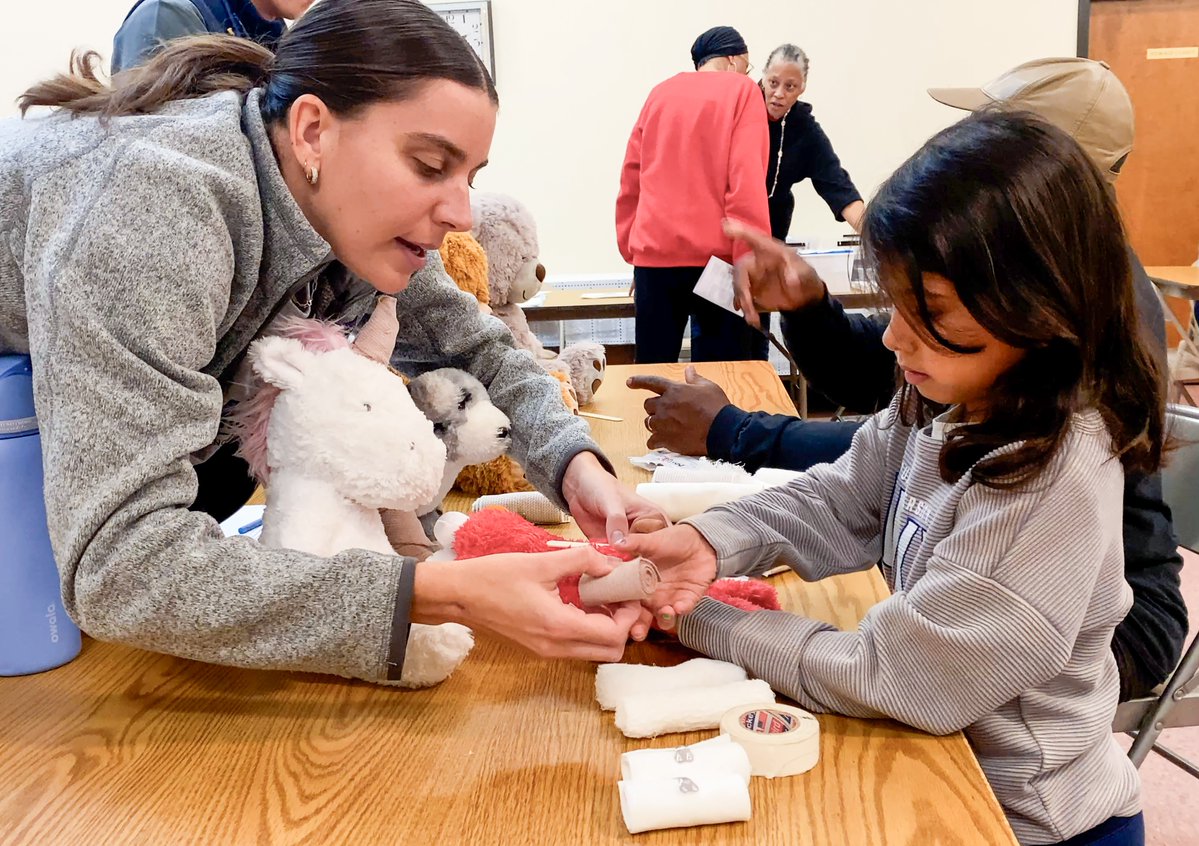
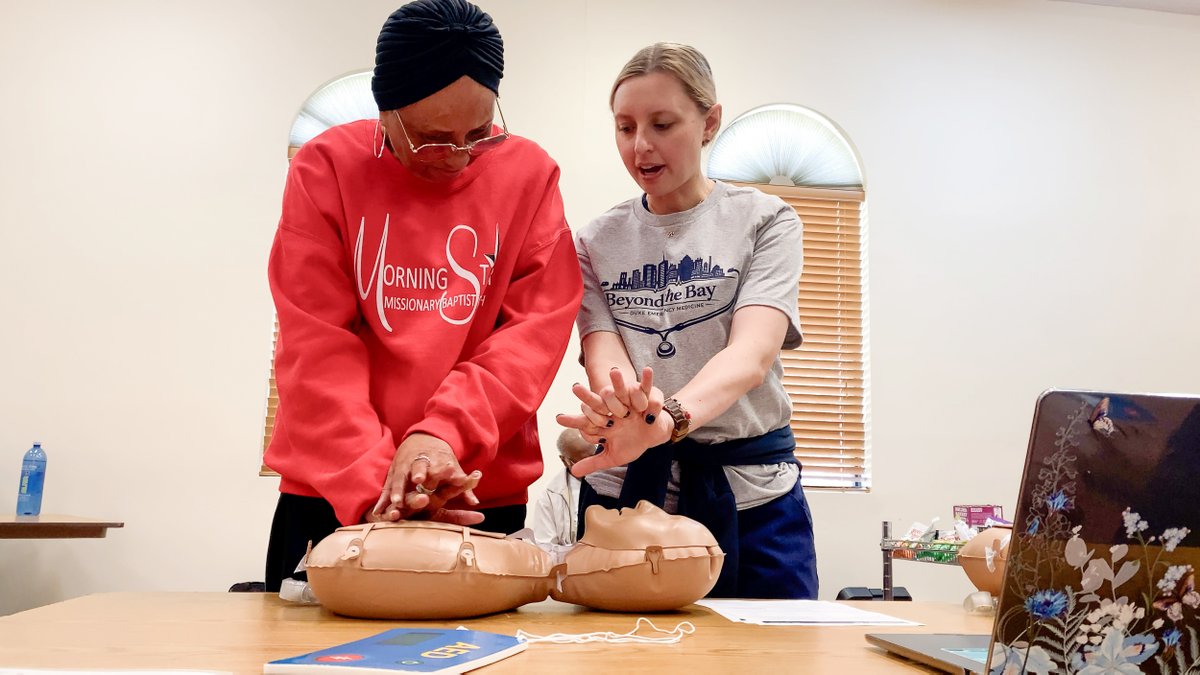
Community health starts before an emergency. ❤️
At Duke Emergency Medicine's first Beyond the Bay event, faculty, residents, students and community partners provided screenings, CPR training, health education and resources for Durham families.
@Duke_DCA@DukeMedSchool
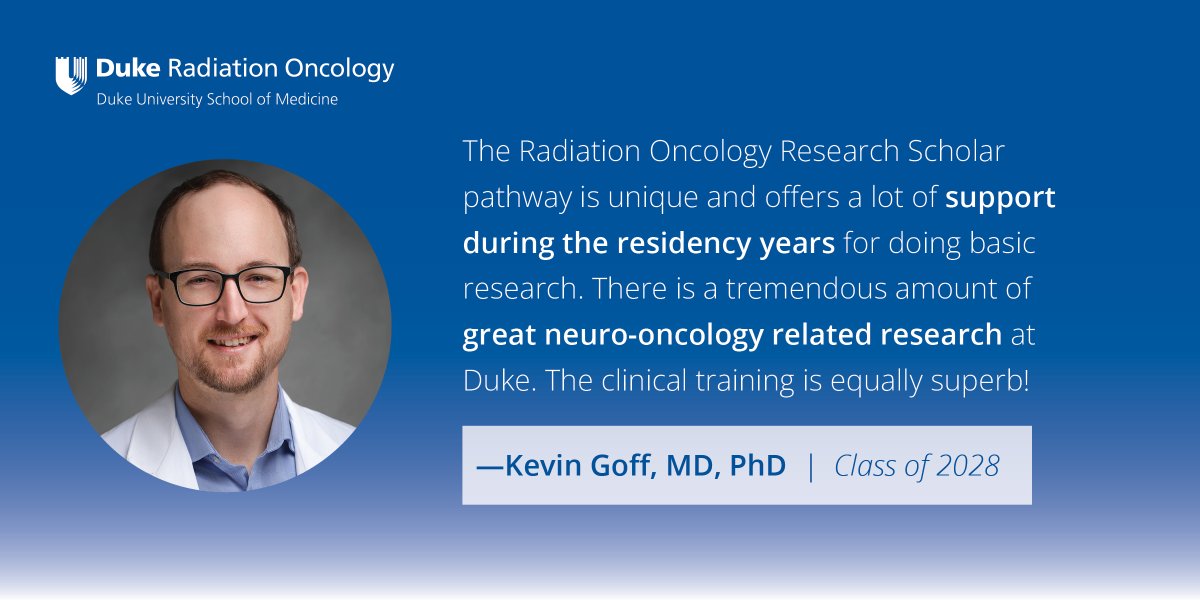
Our #RadOnc Research Scholar program combines a research intensive residency at @DukeMedSchool w/ an opportunity to continue mentored research after residency, providing time, structure & funding to help trainees lead independent labs after residency 🔬 https://t.co/qW5Le2QzJe
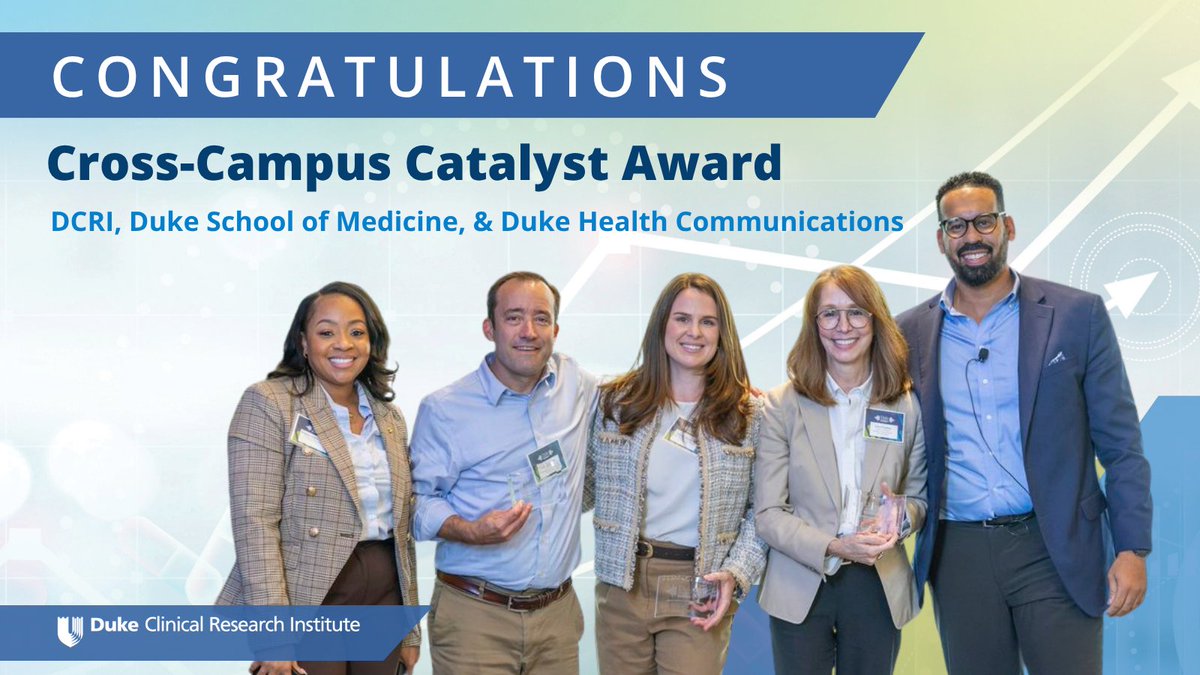
Cross-campus partnership helped extend the reach of a statewide CPR training effort.
See how the DCRI, @DukeMedSchool, and @DukeHealth earned the 2026 Cross-Campus Catalyst Award. Read the DCRI Accomplishments story: https://t.co/JkteBVgm4k
📽️ Brad Marino, chair of Pediatrics and pediatrician-in-chief of @DukeHealth, joins Mary E. Klotman to discuss his vision for @Duke_Childrens, the promise of @NCChildrens, and opportunities across care, research, and education.
https://t.co/stqeBVh1iv
Research led by DCI suggests that some patients with limited metastatic breast cancer may benefit from a more aggressive treatment approach than has traditionally been offered.
https://t.co/cNCrUHkp3Z
#BreastCancerAwareness | @DukeHealth | @DukeMedSchool | @DukeSurgery
New findings from a national clinical trial led by Carey K. Anders, MD, found that adding tucatinib to standard therapy substantially delayed progression for patients with HER2-positive breast cancer and newly diagnosed brain metastases. #ESMO2026
https://t.co/y0OeFNTi8r
How do cancer cells spread to the brain? Dr. Mikhail Nikiforov's team identified SERINC2 as a key driver of brain metastasis & promising target for therapies. This research may lead to better patient care.
https://t.co/56f4asLeDm
#ResearchSavesLives@DukeMedSchool
Inflammatory breast cancer often presents differently than other breast cancers. New research led by Anh Tran, PhD, MPH underscores the need for broader awareness of its symptoms.
https://t.co/pMCzxbDzBd
More than a million people worldwide use cochlear implants. Duke's Blake Wilson, PhD, helped develop key technologies that underpin their performance today.
Watch highlights from the 2026 Merkin Prize ceremony and symposium: https://t.co/pal4uvXWQ8
Duke cardiologist Neha Pagidipati, MD, is studying whether a twice-yearly investigational therapy could help address one of the biggest challenges in hypertension care: taking medication every day.
https://t.co/Y4WMSpYfpN